Polyester Fabric Plastic: Durable Solutions

Get a Free Quote

Our representative will contact you soon.
Email
Name
Company Name
Message
0/1000

polyester fabric plastic

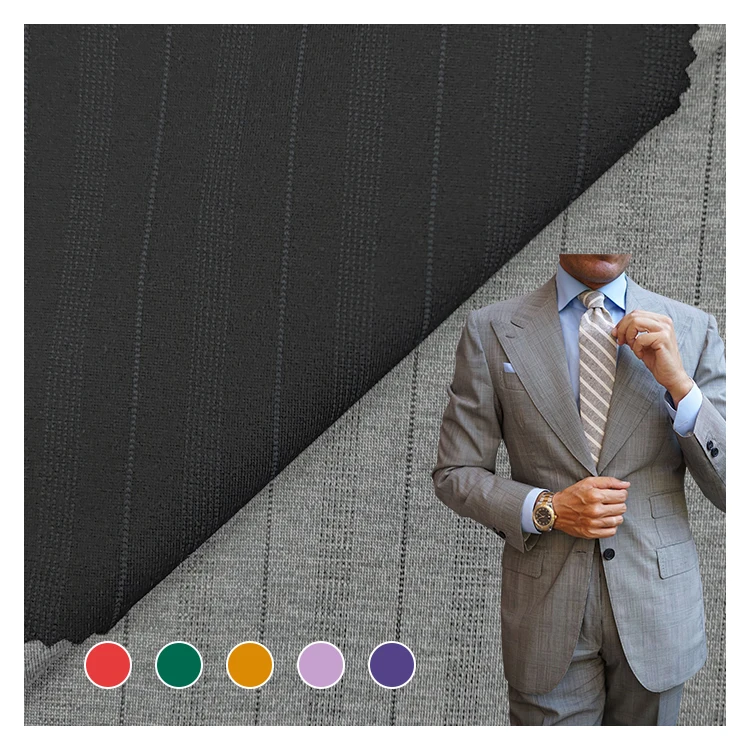
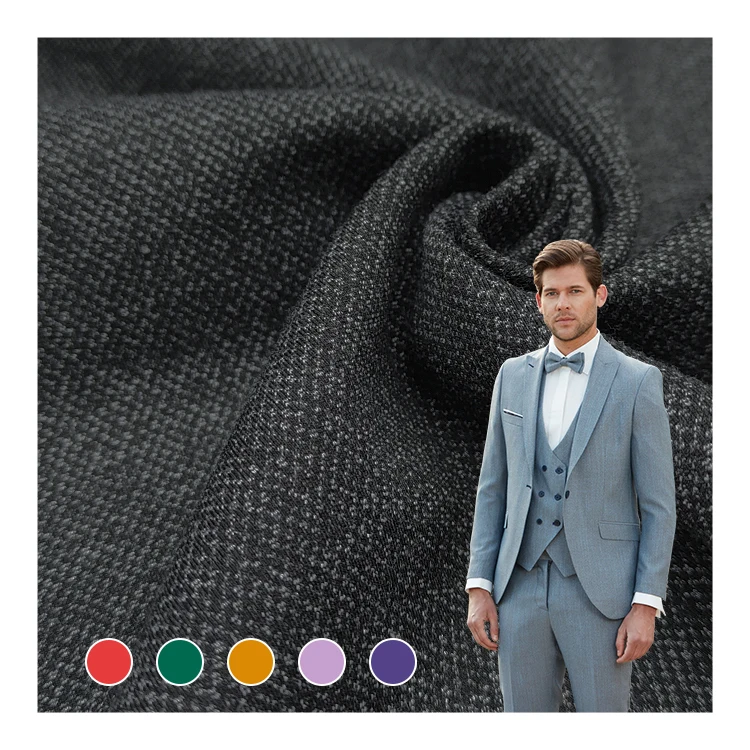
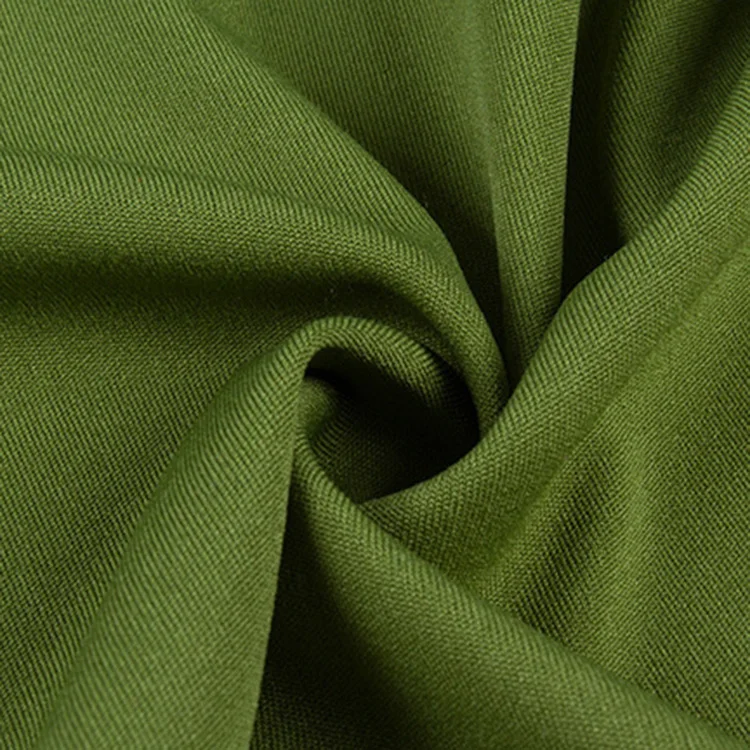
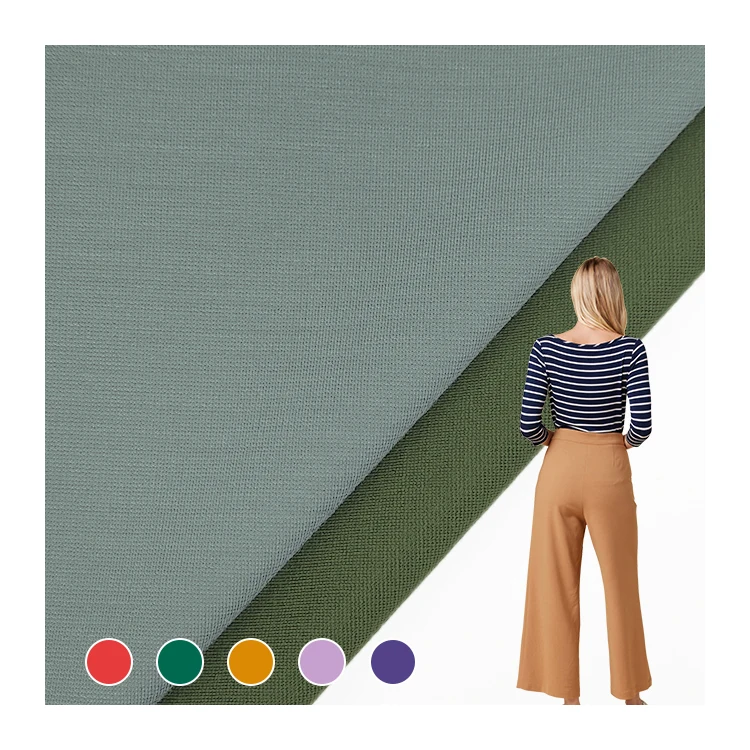
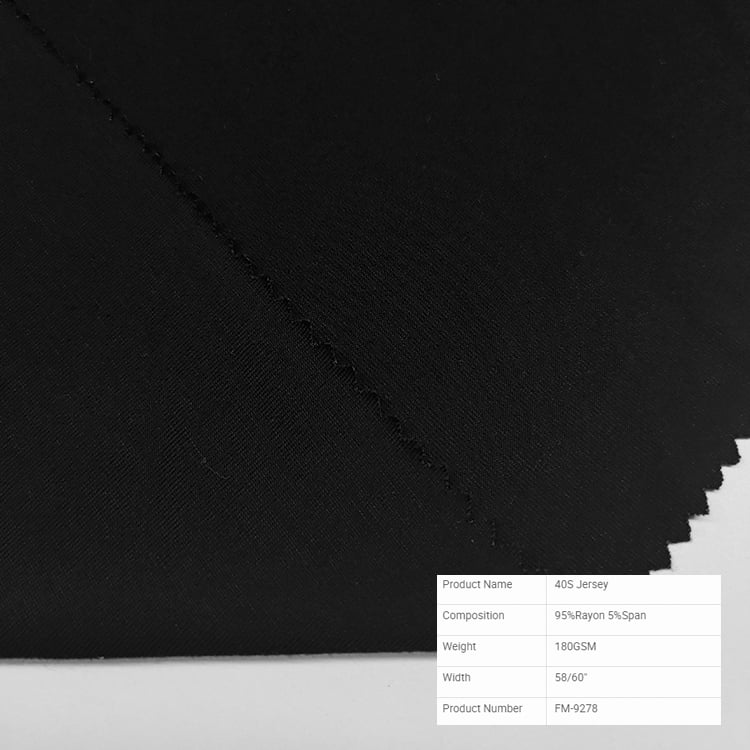
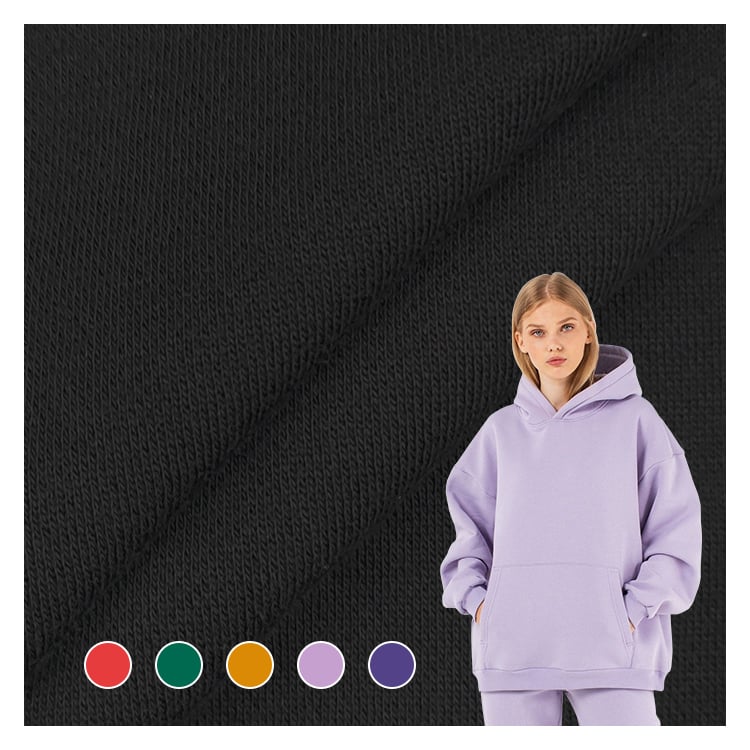
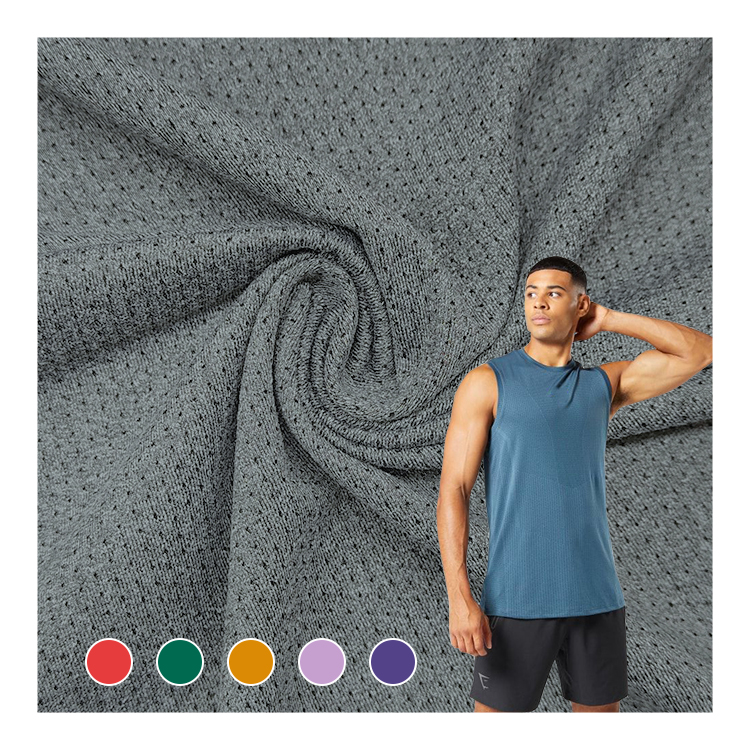
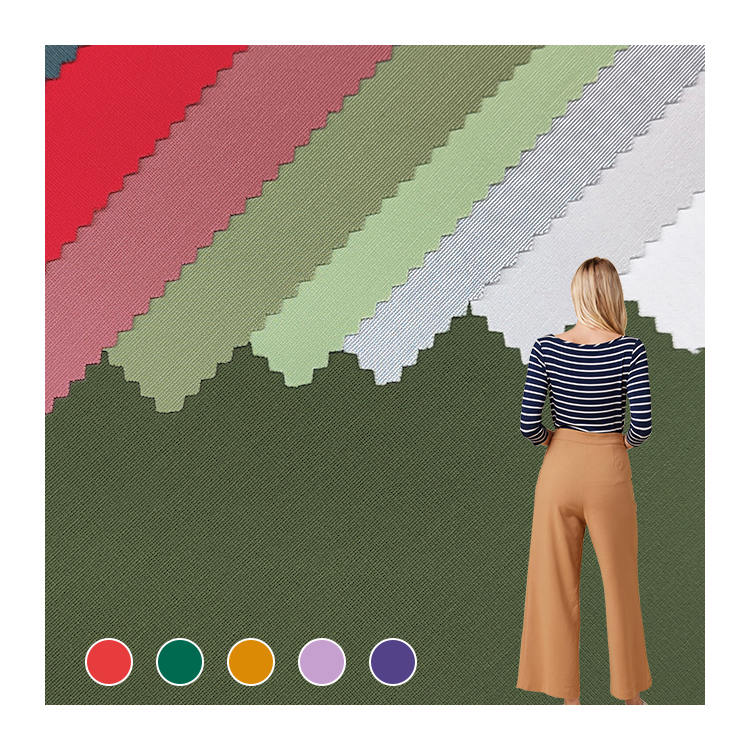
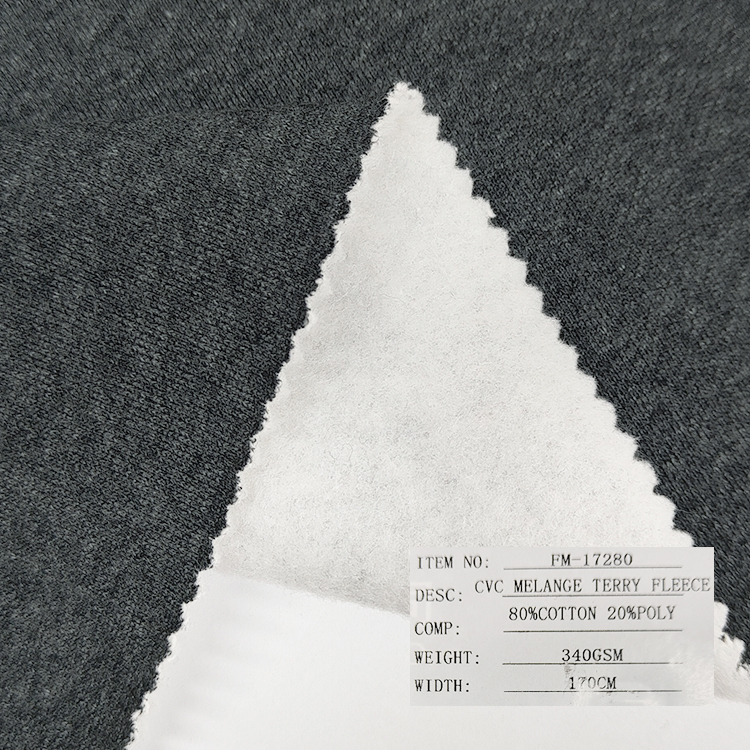
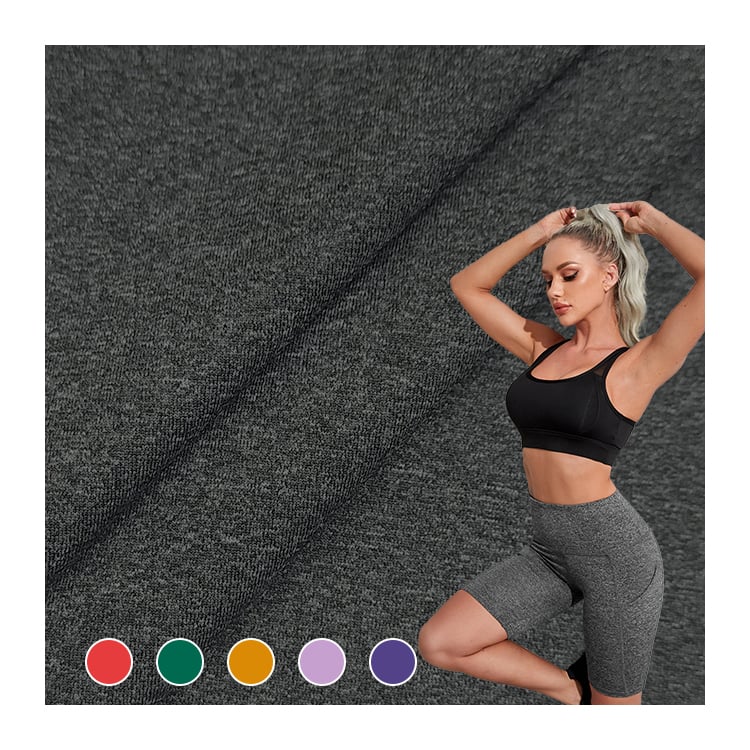
Polyester fabric plastic is a versatile synthetic material that combines the durability of plastic polymers with the flexible characteristics of woven textiles. This innovative material is created through the polymerization of ethylene glycol and terephthalic acid, resulting in polyethylene terephthalate (PET) fibers that can be woven, knitted, or bonded into fabric forms. The main functions of polyester fabric plastic include providing weather resistance, dimensional stability, and exceptional strength-to-weight ratios that surpass many natural fiber alternatives. Technologically, polyester fabric plastic features molecular chains that resist moisture absorption, maintain shape integrity under stress, and withstand ultraviolet radiation without significant degradation. The material exhibits excellent chemical resistance, making it suitable for harsh environments where exposure to oils, solvents, and cleaning agents is common. Applications for polyester fabric plastic span numerous industries, including outdoor furniture manufacturing, automotive interiors, industrial filtration systems, geotextile construction materials, protective covers, and technical sportswear. The material's thermoplastic nature allows for heat-setting processes that create permanent pleats, shapes, and textures. Additionally, polyester fabric plastic can be engineered with varying densities and weave patterns to achieve specific performance characteristics such as breathability, water repellency, or enhanced tear resistance. This adaptability makes polyester fabric plastic an indispensable material for manufacturers seeking reliable, cost-effective solutions that deliver consistent performance across diverse operational conditions and environmental challenges.

New Products

Choosing polyester fabric plastic delivers tangible benefits that directly impact your operational efficiency and bottom line. This material resists wrinkles and maintains its appearance without constant maintenance, reducing labor costs associated with upkeep and replacement. Unlike natural fabrics that deteriorate when exposed to moisture, polyester fabric plastic dries quickly and resists mildew growth, ensuring longer product lifespans in humid or wet environments. The material's color retention properties mean products maintain their visual appeal even after prolonged sun exposure, protecting your brand image and reducing the frequency of replacements. From a practical standpoint, polyester fabric plastic offers superior abrasion resistance, making it ideal for high-traffic applications where durability determines total cost of ownership. The lightweight nature of polyester fabric plastic simplifies handling and installation while reducing shipping expenses, directly affecting your project budgets. This material works exceptionally well in temperature extremes, maintaining flexibility in cold conditions and structural integrity in heat, unlike materials that become brittle or deform. For businesses concerned with sustainability, polyester fabric plastic can be recycled into new products, aligning with environmental initiatives while maintaining performance standards. The material's resistance to stretching and shrinking ensures dimensional accuracy in manufacturing processes, reducing waste from ill-fitting components. Application suitability extends from marine environments requiring salt-water resistance to industrial settings demanding chemical stability. Decision-makers appreciate that polyester fabric plastic provides predictable performance characteristics, enabling accurate project planning and risk assessment. The material bonds well with various coating technologies, allowing customization for specific requirements such as flame retardancy, antimicrobial properties, or enhanced UV protection, giving you flexibility to meet specialized market demands without sourcing entirely different materials.

Tips And Tricks

Best Jersey Fabric for T-Shirts: Ultimate Material Guide

06

Feb

Best Jersey Fabric for T-Shirts: Ultimate Material Guide

The textile industry has witnessed remarkable evolution in recent decades, with jersey fabric emerging as the gold standard for t-shirt manufacturing. This versatile material combines comfort, durability, and aesthetic appeal, making it the preferred...
View More
Best Scuba Fabric for Fashion Design 2025

09

Mar

Best Scuba Fabric for Fashion Design 2025

Fashion designers worldwide are increasingly turning to scuba fabric for its unique combination of structure, stretch, and versatility. This innovative textile has revolutionized the way contemporary garments are constructed, offering designers the p...
View More
Scuba Fabric vs Neoprene: Key Differences

09

Mar

Scuba Fabric vs Neoprene: Key Differences

Understanding the differences between scuba fabric and neoprene is essential for manufacturers, designers, and consumers who work with these versatile materials. While both fabrics share certain characteristics and applications, they possess distinct...
View More
2025 Rib Fabric Guide: Types, Uses & Benefits

15

Apr

2025 Rib Fabric Guide: Types, Uses & Benefits

The textile landscape of 2025 continues to evolve with sophisticated fabric constructions, and rib fabric stands at the forefront of this innovation. This comprehensive guide explores the essential characteristics, diverse types, and significant bene...
View More

Get a Free Quote

Our representative will contact you soon.
Email
Name
Company Name
Message
0/1000

polyester fabric plastic

Exceptional Durability and Weather Resistance

Exceptional Durability and Weather Resistance

Polyester fabric plastic stands out for its remarkable ability to withstand environmental challenges that quickly degrade alternative materials. The molecular structure of polyester fabric plastic creates inherent resistance to ultraviolet radiation, preventing the photodegradation that causes fading, weakening, and brittleness in other fabrics. This weather resistance translates into products that maintain structural integrity through seasons of sun exposure, rain, snow, and temperature fluctuations. The material does not absorb water, which prevents the freeze-thaw damage that cracks and splits moisture-laden materials in cold climates. For outdoor applications, this means furniture covers, awnings, and protective barriers made from polyester fabric plastic deliver years of reliable service without the sagging, rotting, or discoloration common to natural fiber alternatives. The abrasion resistance of polyester fabric plastic ensures it withstands repeated friction and contact without developing holes or thin spots, making it ideal for applications involving movement or mechanical stress. This durability advantage reduces replacement frequency, lowering long-term costs while minimizing disruption to operations. Businesses benefit from predictable performance lifecycles that support accurate budgeting and maintenance planning, while end users enjoy products that look newer for longer periods.
Versatile Processing and Customization Options

Versatile Processing and Customization Options

The thermoplastic properties of polyester fabric plastic enable manufacturers to employ diverse processing techniques that customize the material for specific applications. Heat-setting processes permanently lock in shapes, pleats, and textures, creating products that resist deformation throughout their service life. This capability proves invaluable for applications requiring precise dimensional control, such as filtration media, technical textiles, and formed components. Polyester fabric plastic accepts a wide range of finishing treatments, including coating, laminating, printing, and dyeing, allowing brands to achieve desired aesthetics while enhancing functional properties. The material can be engineered with varying fiber deniers, weave densities, and construction methods to optimize characteristics like air permeability, water repellency, or acoustic dampening. This versatility means a single base material can be adapted to serve dramatically different applications without requiring entirely new supply chains. Manufacturers appreciate that polyester fabric plastic bonds effectively with adhesives, heat-sealing equipment, and ultrasonic welding systems, streamlining production processes and reducing assembly costs. The material's compatibility with digital printing technologies enables short-run customization and rapid prototyping, supporting agile manufacturing approaches. These processing advantages allow businesses to respond quickly to market demands, differentiate their products through unique features, and optimize performance characteristics for specialized applications without excessive development costs or time investments.
Cost-Effective Performance with Low Maintenance Requirements

Cost-Effective Performance with Low Maintenance Requirements

Polyester fabric plastic delivers an exceptional balance of performance and affordability that makes it the preferred choice for budget-conscious projects without compromising quality standards. The material's inherent resistance to common degradation factors eliminates the need for frequent treatments, coatings, or protective measures that add recurring costs to other fabric options. Products made from polyester fabric plastic require minimal maintenance, typically needing only periodic cleaning with standard detergents and water to restore appearance and function. This low-maintenance characteristic reduces operational expenses related to labor, specialized cleaning products, and downtime for servicing. The quick-drying nature of polyester fabric plastic means cleaned items return to service rapidly, maintaining productivity in commercial applications. From a lifecycle cost perspective, the extended durability of polyester fabric plastic results in fewer replacements over time, reducing both material expenses and the labor costs associated with removal and installation. The lightweight properties of polyester fabric plastic lower transportation costs, which become significant when scaling projects or managing large inventories. Energy efficiency extends to manufacturing as well, since polyester fabric plastic processes at lower temperatures than many alternative materials, reducing production energy consumption. For organizations evaluating total cost of ownership, polyester fabric plastic presents a compelling value proposition that combines upfront affordability with long-term savings, making it suitable for both premium applications demanding performance and value-conscious projects requiring reliable results within constrained budgets.

Get a Free Quote

Our representative will contact you soon.
Email
Name
Company Name
Message
0/1000