
 EN
EN



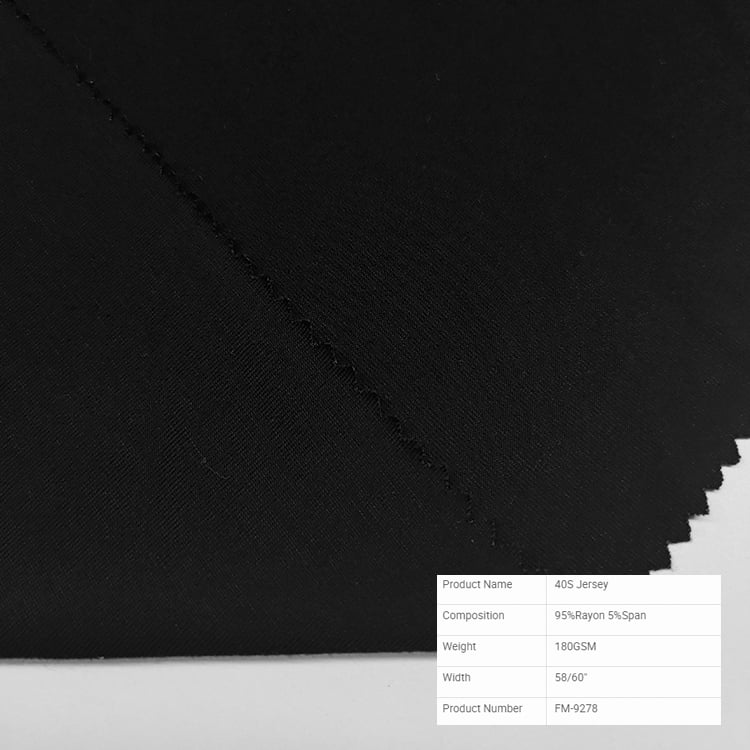
The textile landscape of 2025 continues to evolve with sophisticated fabric constructions, and rib fabric stands at the forefront of this innovation. This comprehensive guide explores the essential characteristics, diverse types, and significant benefits that make rib fabric an indispensable choice for modern apparel manufacturers and designers. Understanding the unique properties and applications of rib fabric becomes crucial as fashion trends lean toward comfort-driven designs and sustainable manufacturing practices.

Whether you are a fashion designer seeking the perfect stretch for activewear, a manufacturer planning your next clothing line, or a procurement professional evaluating fabric options, this detailed exploration of rib fabric will provide the technical knowledge and practical insights needed for informed decision-making. From traditional cotton ribs to innovative modal blends, the fabric industry offers numerous options that cater to specific performance requirements and aesthetic preferences.
Understanding Rib Fabric Construction and Properties
Basic Construction Method
Rib fabric construction involves a specialized knitting technique that creates distinctive vertical ridges through alternating knit and purl stitches. This construction method produces a fabric with natural elasticity in the crosswise direction, making it ideal for garments that require form-fitting properties. The ribbing process typically uses a circular knitting machine with multiple needle beds, allowing for consistent stitch formation and optimal stretch characteristics.
The fundamental principle behind rib fabric construction lies in the alternating stitch pattern, which creates columns of knit stitches separated by columns of purl stitches. This arrangement allows the fabric to contract and expand significantly, providing the signature stretch and recovery properties that define quality rib fabric. Modern manufacturing techniques have refined this process to achieve consistent gauge, improved dimensional stability, and enhanced durability.
Key Physical Properties
The physical properties of rib fabric distinguish it from other knitted textiles through several measurable characteristics. Stretch percentage typically ranges from 100% to 300% in the crosswise direction, depending on the yarn composition and construction method. Recovery rate, which measures how well the fabric returns to its original dimensions after stretching, usually exceeds 90% for high-quality rib fabric constructions.
Weight specifications for rib fabric vary considerably based on yarn denier and construction density. Lightweight versions suitable for undergarments typically range from 120-180 grams per square meter, while heavyweight options for outerwear applications can exceed 300 grams per square meter. Surface texture characteristics include the distinctive ribbed appearance that provides visual interest while maintaining smooth hand feel and comfortable skin contact.
Yarn Integration Techniques
Modern rib fabric production incorporates various yarn types through sophisticated integration techniques that optimize both performance and aesthetics. Elastane integration, typically ranging from 2% to 8% by weight, enhances stretch and recovery properties while maintaining fabric stability. Core-spun yarns, where elastane filaments are wrapped with natural or synthetic staple fibers, provide consistent stretch throughout the fabric construction.
Blended yarn systems combine different fiber types to achieve specific performance targets, such as moisture management, thermal regulation, or enhanced durability. The integration of functional yarns, including antimicrobial treatments or UV-resistant fibers, requires precise control during the knitting process to ensure uniform distribution and optimal performance activation throughout the finished rib fabric.
Comprehensive Types of Rib Fabric Available in 2025
Cotton-Based Rib Varieties
Cotton rib fabric remains a cornerstone of the textile industry due to its natural comfort properties and versatility in applications. Pure cotton ribs offer excellent breathability and moisture absorption, making them ideal for undergarments and casual wear applications. The natural fiber provides inherent softness against skin while maintaining durability through multiple wash cycles, though pure cotton versions typically offer limited stretch compared to blended alternatives.
Cotton-elastane blends represent the most common variation of cotton rib fabric, incorporating 3-5% elastane to enhance stretch and recovery properties. These blends maintain the natural comfort of cotton while providing improved fit and shape retention. Organic cotton rib fabric options have gained significant traction in 2025, offering eco-conscious brands sustainable alternatives without compromising performance characteristics.
Modal and Bamboo Rib Options
Modal rib fabric has emerged as a premium option for applications requiring superior drape and moisture management properties. Derived from sustainably sourced beech trees, modal fibers create rib fabric with exceptional softness and color retention capabilities. The natural properties of modal contribute to excellent temperature regulation, making it particularly suitable for intimate apparel and activewear applications.
Bamboo rib fabric offers unique antimicrobial properties alongside natural UV protection, positioning it as an excellent choice for performance and wellness-focused applications. The fiber's natural moisture-wicking capabilities exceed those of cotton, while maintaining comparable comfort levels. Bamboo-based rib fabric demonstrates excellent dimensional stability and tends to maintain its appearance longer than traditional cotton alternatives.
Synthetic and Technical Rib Constructions
Polyester rib fabric provides enhanced durability and color fastness, making it suitable for applications requiring frequent washing or extended wear. Modern polyester rib constructions incorporate moisture-wicking technologies and anti-odor treatments to address traditional concerns about synthetic fabric comfort. These technical improvements have positioned polyester rib fabric as a viable option for activewear and performance applications.
Nylon rib fabric offers superior strength and abrasion resistance, particularly valuable in applications subjected to high stress or frequent movement. The incorporation of recycled nylon fibers has made these constructions more environmentally sustainable while maintaining performance characteristics. Specialized technical rib fabric options include those with integrated conductive fibers for smart textile applications and those with phase-change materials for thermal regulation.
Primary Uses and Applications Across Industries
Apparel Industry Applications
The apparel industry utilizes rib fabric extensively across multiple garment categories, with each application leveraging specific properties of the construction. Necklines and cuffs represent traditional applications where rib fabric provides necessary stretch and recovery for comfortable fit while maintaining structural integrity. Modern garment design increasingly incorporates rib fabric as primary body material, particularly in form-fitting styles that require both comfort and aesthetic appeal.
Activewear applications have driven significant innovation in rib fabric development, with manufacturers creating specialized constructions that address moisture management, temperature regulation, and movement flexibility. The natural stretch properties of rib fabric eliminate the need for complex paneling in many athletic garments, simplifying production while enhancing wearer comfort and performance capabilities.
Intimate Apparel and Undergarments
The intimate apparel sector represents one of the largest consumers of rib fabric due to the construction's natural suitability for body-conforming applications. Bra bands, underwear waistbands, and shapewear components benefit from the consistent stretch and recovery properties that rib fabric provides throughout extended wear periods. The fabric's ability to maintain compression without creating discomfort has made it essential for modern intimate apparel design.
Comfort-focused undergarments increasingly utilize rib fabric as primary construction material rather than limiting its use to trim applications. This trend reflects consumer preferences for seamless, comfortable undergarments that provide support without restricting movement. The natural breathability of cotton and modal rib fabric varieties particularly benefits intimate apparel applications where skin contact and comfort are paramount.
Children's Wear and Specialty Applications
Children's clothing benefits significantly from rib fabric properties, particularly the natural stretch that accommodates rapid growth and active play patterns. The durability characteristics of quality rib fabric constructions withstand frequent washing and the physical demands of children's activities. Specialized treatments available in 2025, including stain-resistant and antimicrobial finishes, enhance the practicality of rib fabric for children's wear applications.
Medical and therapeutic applications represent emerging opportunities for specialized rib fabric constructions. Compression garments utilize the natural stretch properties to provide graduated pressure for medical benefits, while post-surgical garments require the gentle conforming properties that rib fabric naturally provides. These specialized applications often require specific certifications and performance standards that high-quality rib fabric can meet consistently.
Benefits and Advantages of Rib Fabric Selection
Comfort and Wearability Benefits
The comfort advantages of rib fabric stem from its natural ability to conform to body contours while maintaining breathability and softness. The construction creates micro-channels that facilitate air circulation, preventing heat buildup and moisture accumulation during wear. This natural ventilation system contributes to all-day comfort, particularly important in base layer and intimate apparel applications where extended skin contact occurs.
Movement freedom represents another significant comfort benefit, as rib fabric naturally accommodates body motion without restricting range of movement or creating binding. The fabric's recovery properties ensure that garments return to their original shape after stretching, preventing the sagging or distortion common with less sophisticated constructions. These characteristics make rib fabric particularly suitable for active lifestyles and occupations requiring physical flexibility.
Manufacturing and Production Advantages
From a manufacturing perspective, rib fabric offers several production advantages that benefit both fabric mills and garment manufacturers. The knitting process produces relatively stable fabric that requires minimal finishing compared to woven alternatives, reducing production time and energy consumption. The natural stretch properties often eliminate the need for complex sizing systems, as rib fabric garments can accommodate broader size ranges without compromising fit quality.
Cost efficiency in garment construction emerges from the fabric's natural properties, which reduce the need for additional stretch panels, complex seaming, or specialized hardware. The durability characteristics of quality rib fabric constructions contribute to longer garment lifecycles, providing value for both manufacturers and consumers. Pattern efficiency improvements result from the fabric's stretch properties, allowing for simpler pattern layouts and reduced material waste during cutting operations.
Sustainability and Environmental Benefits
The sustainability profile of rib fabric has improved significantly in 2025 through the adoption of eco-friendly fiber sources and production methods. Natural fiber options, particularly organic cotton and sustainably sourced modal, provide biodegradable alternatives with reduced environmental impact during production and disposal. The longevity of well-constructed rib fabric garments contributes to sustainable fashion practices by reducing replacement frequency and textile waste.
Energy efficiency in production and care represents another environmental benefit, as rib fabric typically requires less intensive finishing processes and often performs well with lower-temperature washing and reduced drying requirements. The natural properties of the construction reduce dependence on chemical treatments for performance enhancement, supporting cleaner production methods and reduced environmental impact throughout the supply chain.
FAQ
What makes rib fabric different from regular knitted fabrics?
Rib fabric differs from regular knitted fabrics through its distinctive construction method that alternates knit and purl stitches to create vertical ridges and enhanced crosswise stretch. While regular knits typically stretch in all directions with limited recovery, rib fabric provides controlled stretch primarily in the width direction with excellent recovery properties. This construction creates natural elasticity without requiring high percentages of elastane, resulting in better shape retention and dimensional stability over time.
How do I choose the right type of rib fabric for my specific application?
Choosing the appropriate rib fabric depends on several factors including the intended use, required performance characteristics, and target market preferences. For intimate apparel, prioritize soft-hand fibers like cotton or modal with moderate stretch properties. Activewear applications benefit from moisture-wicking synthetic blends or technical natural fibers with enhanced stretch and recovery. Consider fabric weight, stretch percentage, fiber content, and any specialized treatments needed for your specific application when making selection decisions.
What care instructions should I follow to maintain rib fabric quality?
Proper care of rib fabric involves gentle washing techniques that preserve the fabric's stretch and recovery properties. Use cool to warm water temperatures, avoid excessive agitation, and choose mild detergents without harsh chemicals or bleaching agents. Air drying or low-heat tumble drying prevents heat damage to elastic fibers, while proper storage on hangers or folded flat prevents stretching distortion. Avoid fabric softeners with silicone-based ingredients that can reduce the natural stretch properties of rib fabric constructions.
Can rib fabric be used for structured garments or is it only suitable for casual wear?
Rib fabric can successfully be incorporated into structured garments when properly selected and applied, though it requires careful consideration of construction techniques and design approaches. Heavier weight rib fabric with controlled stretch properties works well for semi-structured pieces, while lighter weights remain better suited for casual and comfort-focused applications. The key lies in understanding how the fabric's natural stretch will interact with other garment components and choosing appropriate interfacing, lining, and construction methods to achieve desired structure levels.