
 EN
EN



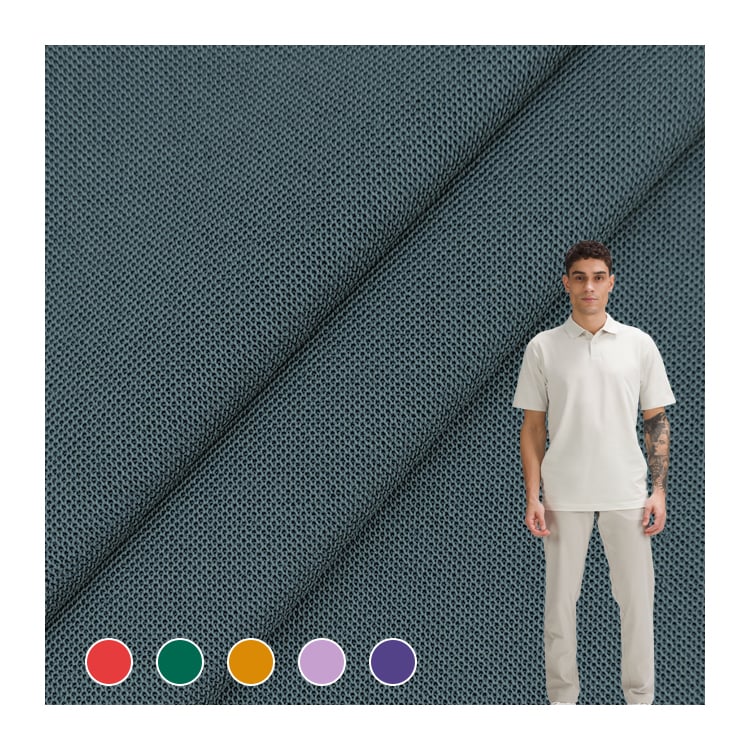
The athletic apparel industry continues to evolve rapidly in 2025, with innovative sportswear fabric technologies leading the charge in performance enhancement. Athletes today demand more than basic moisture management from their gear—they require fabrics that deliver superior breathability, durability, and comfort across diverse training conditions. Understanding the characteristics of different sportswear fabric options has become essential for athletes, coaches, and fitness enthusiasts seeking optimal performance outcomes.
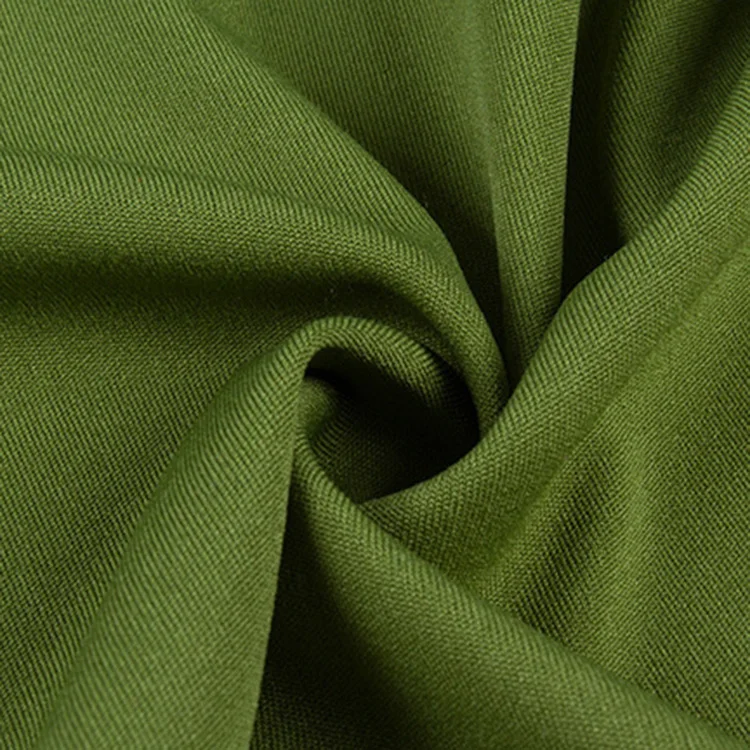
This comprehensive guide examines the top materials transforming athletic wear in 2025, focusing on how each sportswear fabric addresses specific performance challenges. From high-intensity training sessions to endurance competitions, the right fabric selection significantly impacts athlete comfort, temperature regulation, and overall performance metrics.
Performance-Enhanced Polyester Fabrics
Advanced Moisture Management Systems
Modern polyester sportswear fabric incorporates sophisticated moisture-wicking technologies that excel in high-sweat scenarios. These engineered fibers feature microscopic channels that rapidly transport perspiration away from skin surfaces, preventing the uncomfortable dampness that can hinder athletic performance. The capillary action within these advanced polyester structures ensures consistent moisture distribution across fabric surfaces.
Professional athletes particularly benefit from polyester's quick-drying properties during extended training sessions. The synthetic composition of this sportswear fabric resists bacterial growth and odor retention, maintaining freshness even after intensive workouts. Additionally, polyester's dimensional stability prevents shrinkage and maintains garment fit through repeated wash cycles.
Durability and Stretch Integration
Contemporary polyester sportswear fabric formulations incorporate elastane blends that provide four-way stretch capabilities without compromising structural integrity. This combination delivers the flexibility athletes need for dynamic movements while ensuring the fabric returns to its original shape after stretching. The enhanced durability makes these fabrics ideal for high-wear applications.
The abrasion resistance of quality polyester sportswear fabric surpasses many natural alternatives, making it suitable for contact sports and equipment-intensive activities. Manufacturing advances in 2025 have improved the hand-feel of polyester, eliminating the synthetic texture that previously deterred some athletes from choosing these high-performance options.
Bamboo and Natural Fiber Innovations
Eco-Friendly Performance Characteristics
Bamboo-derived sportswear fabric represents a significant advancement in sustainable athletic wear, combining environmental responsibility with excellent performance attributes. The natural antimicrobial properties of bamboo fibers provide inherent odor resistance without chemical treatments, appealing to athletes seeking cleaner fabric alternatives. Bamboo sportswear fabric also offers superior softness and comfort against skin.
The moisture absorption capacity of bamboo sportswear fabric exceeds cotton by significant margins while maintaining breathability characteristics that promote air circulation. This combination proves particularly valuable for athletes engaged in moderate-intensity activities where comfort takes precedence over maximum moisture-wicking speed.
Merino Wool Integration
Premium sportswear fabric collections increasingly feature merino wool blends that provide natural temperature regulation across varying environmental conditions. Unlike traditional wool, fine merino fibers offer softness comparable to synthetic alternatives while delivering superior thermal management. The natural crimp structure of merino wool creates insulating air pockets that adapt to body temperature changes.
Merino wool sportswear fabric excels in layering systems, providing warmth when needed while preventing overheating during intense activity. The natural elasticity and recovery properties of merino wool ensure garments maintain their shape and performance characteristics through extended use periods.
Technical Fabric Blends and Composites
Multi-Fiber Engineering Approaches
The most advanced sportswear fabric options in 2025 utilize strategic fiber combinations that leverage the strengths of different materials while minimizing individual weaknesses. These engineered blends typically combine synthetic moisture management with natural comfort properties, creating fabrics that perform across diverse athletic applications.
Polyester-nylon sportswear fabric blends offer exceptional strength-to-weight ratios, making them ideal for compression garments and form-fitting athletic wear. The nylon component adds elasticity and recovery properties, while polyester provides moisture management and quick-drying capabilities. This combination results in fabrics that maintain their performance characteristics through intensive use.
Smart Fabric Technologies
Emerging sportswear fabric technologies incorporate responsive elements that adapt to changing conditions during athletic activities. Phase-change materials embedded within fabric structures regulate temperature by absorbing or releasing thermal energy as needed. These innovations represent the cutting edge of athletic fabric development in 2025.
Some advanced sportswear fabric options feature integrated sensors or conductive fibers that enable performance monitoring capabilities. While still emerging, these technologies demonstrate the potential for fabrics to become active participants in athletic performance optimization rather than passive covering materials.
Application-Specific Fabric Selection
High-Intensity Training Requirements
Athletes engaged in high-intensity interval training, CrossFit, or competitive sports require sportswear fabric with maximum moisture-wicking efficiency and rapid drying capabilities. Polyester-based fabrics with engineered mesh panels or strategic ventilation zones provide optimal performance for these demanding applications.
The fabric weight and thickness become critical factors for high-intensity activities, where excess material can impede movement or cause overheating. Lightweight sportswear fabric options that maintain durability while reducing bulk offer significant advantages for athletes prioritizing unrestricted movement and thermal management.
Endurance and Long-Duration Activities
Marathon runners, cyclists, and other endurance athletes benefit from sportswear fabric that prioritizes comfort and chafing resistance over maximum moisture-wicking speed. Seamless construction techniques and fabric selections with superior stretch and recovery properties minimize friction points during repetitive movements.
For extended outdoor activities, sportswear fabric with UV protection capabilities provides additional athlete safety benefits. Many modern synthetic fabrics incorporate UV-blocking properties without compromising breathability or comfort, making them suitable for prolonged sun exposure during training or competition.
Care and Maintenance Considerations
Preserving Performance Properties
Proper care techniques significantly impact the longevity and performance retention of sportswear fabric. High-performance synthetic fabrics generally require specific washing protocols to maintain their moisture-wicking and breathability characteristics. Avoiding fabric softeners and high-temperature drying preserves the technical properties of advanced sportswear fabric.
Natural fiber sportswear fabric blends may require different care approaches to prevent shrinkage or property degradation. Understanding the specific requirements of each fabric type ensures athletes can maintain their gear's performance capabilities throughout its useful life.
Investment and Replacement Strategies
Quality sportswear fabric represents a significant investment in athletic performance and comfort. Athletes should consider their training frequency, intensity levels, and specific sport requirements when selecting fabrics to ensure optimal cost-per-wear ratios. Premium fabrics often justify higher initial costs through superior durability and performance retention.
Regular assessment of sportswear fabric condition helps athletes identify when replacement becomes necessary. Decreased moisture-wicking efficiency, persistent odors, or loss of stretch properties indicate that fabric performance has degraded beyond acceptable levels for serious athletic use.
FAQ
What makes polyester the most popular choice for sportswear fabric in 2025?
Polyester dominates the sportswear fabric market due to its exceptional moisture-wicking capabilities, quick-drying properties, and durability. The synthetic fibers resist bacterial growth and maintain their shape through repeated washing, while advanced manufacturing techniques have improved comfort and eliminated the synthetic feel that previously deterred some athletes.
How do natural fiber sportswear fabrics compare to synthetic options for athletic performance?
Natural fiber sportswear fabrics like merino wool and bamboo offer superior comfort, natural antimicrobial properties, and environmental sustainability. However, synthetic fabrics typically provide better moisture management and faster drying times. The choice depends on individual priorities, activity type, and environmental conditions during use.
What should athletes look for when selecting sportswear fabric for high-intensity training?
Athletes should prioritize sportswear fabric with maximum moisture-wicking efficiency, lightweight construction, and four-way stretch capabilities. Fabrics with mesh panels or strategic ventilation zones enhance cooling, while seamless construction minimizes chafing during dynamic movements. Durability and shape retention ensure the fabric maintains performance through intensive training cycles.
How often should high-performance sportswear fabric be replaced?
Replacement timing depends on usage frequency and fabric quality, but general indicators include decreased moisture-wicking efficiency, persistent odors after washing, loss of stretch properties, or visible wear. High-quality sportswear fabric typically maintains performance for 12-18 months with regular use, while lower-quality options may degrade within 6-8 months of intensive training.
Table of Contents
- Performance-Enhanced Polyester Fabrics
- Bamboo and Natural Fiber Innovations
- Technical Fabric Blends and Composites
- Application-Specific Fabric Selection
- Care and Maintenance Considerations
-
FAQ
- What makes polyester the most popular choice for sportswear fabric in 2025?
- How do natural fiber sportswear fabrics compare to synthetic options for athletic performance?
- What should athletes look for when selecting sportswear fabric for high-intensity training?
- How often should high-performance sportswear fabric be replaced?