
 EN
EN



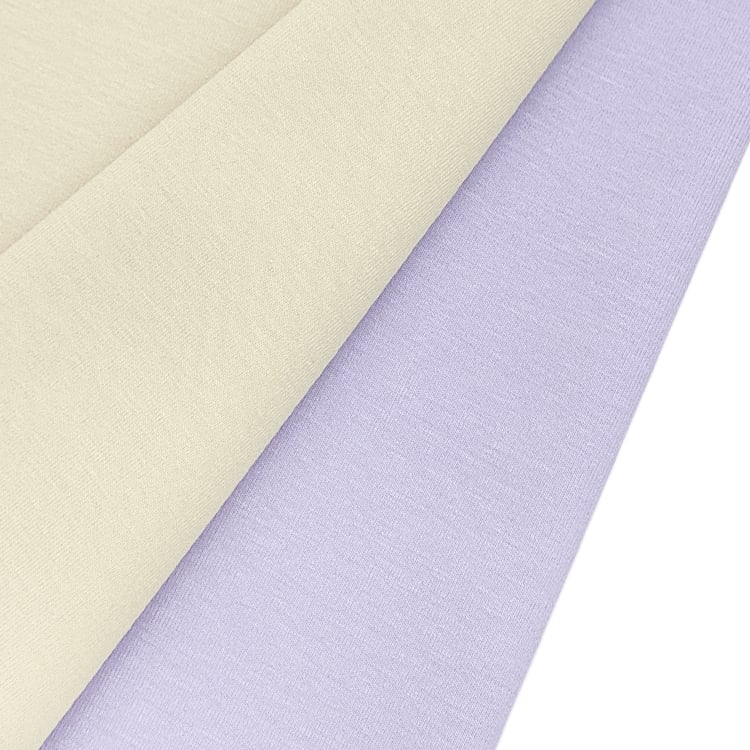
Selecting the ideal rib fabric for t-shirt production requires understanding fabric construction, fiber composition, and garment application requirements. Rib fabric represents a specialized knit construction characterized by vertical ridges and valleys that create distinctive stretch properties and visual texture. The choice of rib fabric significantly impacts t-shirt comfort, durability, fit retention, and overall garment performance across various manufacturing and end-use scenarios.

This comprehensive buying guide examines critical factors that determine optimal rib fabric selection for t-shirt applications. Understanding fabric weight specifications, stretch recovery characteristics, fiber blend ratios, and manufacturing compatibility ensures informed purchasing decisions. The evaluation process encompasses technical performance criteria, cost considerations, supplier capabilities, and quality control standards that directly influence final garment outcomes and customer satisfaction levels.
Understanding Rib Fabric Construction and Properties
Basic Rib Knit Structure and Mechanics
Rib fabric construction utilizes alternating knit and purl stitches arranged in vertical columns to create the characteristic ribbed appearance and enhanced elasticity. This construction method produces fabric with superior crosswise stretch compared to standard jersey knits, making it particularly suitable for areas requiring close body fit and stretch recovery. The rib structure naturally draws the fabric inward, creating a snug fit that maintains shape retention over extended wear periods.
The most common rib fabric configurations include 1x1 rib, 2x1 rib, and 2x2 rib patterns, each offering distinct stretch characteristics and visual effects. The 1x1 rib provides maximum stretch and recovery, making it ideal for necklines, cuffs, and hem applications. The 2x1 and 2x2 rib configurations offer more controlled stretch with enhanced structure, suitable for body panels requiring shape definition while maintaining comfort and mobility.
Fiber Composition Impact on Performance
Cotton rib fabric offers natural breathability, moisture absorption, and softness characteristics that appeal to comfort-conscious consumers. Pure cotton rib provides excellent dyeability and natural hand feel but may experience limited stretch recovery and potential shrinkage during laundering. Cotton content typically ranges from 95% to 100% in basic rib fabric constructions, with remaining percentages allocated to elastane for improved stretch performance.
Synthetic fiber blends incorporating polyester, modal, or bamboo fibers enhance specific performance characteristics while maintaining cotton-like comfort properties. Modal rib fabric delivers superior drape, color retention, and dimensional stability compared to pure cotton alternatives. Polyester content improves wrinkle resistance, durability, and moisture wicking capabilities, making these blends suitable for activewear and performance t-shirt applications.
Stretch and Recovery Characteristics
Stretch performance in rib fabric depends on construction parameters, fiber composition, and finishing treatments applied during manufacturing. Crosswise stretch typically ranges from 25% to 60% depending on rib configuration and fiber content, while lengthwise stretch remains minimal to maintain garment shape and prevent distortion during wear. Recovery properties determine how effectively the fabric returns to original dimensions after stretching, directly impacting garment fit retention and longevity.
Elastane addition significantly enhances stretch recovery performance, typically requiring only 2% to 5% content to achieve substantial improvement in fabric behavior. The elastane content creates memory characteristics that help garments maintain shape through repeated wearing and washing cycles. Testing stretch and recovery properties through standardized procedures ensures consistent performance across production runs and helps establish appropriate quality specifications for t-shirt applications.
Critical Selection Criteria for T-Shirt Applications
Weight and Hand Feel Considerations
Fabric weight selection directly influences t-shirt drape, structure, and seasonal appropriateness, with rib fabric weights typically ranging from 160 GSM to 280 GSM for various t-shirt applications. Lightweight rib fabric between 160-200 GSM provides excellent drape and comfort for fashion t-shirts and undergarments, while medium weights from 200-240 GSM offer balanced structure and durability for casual wear applications. Heavier rib fabric exceeding 240 GSM delivers enhanced durability and shape retention suitable for workwear and structured garment designs.
Hand feel evaluation encompasses softness, surface texture, and thermal properties that directly impact wearer comfort and perceived quality. Rib fabric should exhibit appropriate softness without compromising structural integrity or stretch performance. Surface finishing treatments such as enzyme washing, brushing, or chemical softening can modify hand feel characteristics while potentially affecting other performance parameters such as dimensional stability and color fastness.
Color Fastness and Dyeing Properties
Color performance requirements for rib fabric include excellent wash fastness, light fastness, and perspiration fastness to maintain appearance throughout garment lifecycle. Different fiber compositions exhibit varying dye affinity and color retention characteristics, with cotton rib fabric generally providing excellent reactive dye uptake and color vibrancy. Synthetic fiber blends may require specialized dyeing procedures and color matching considerations to achieve consistent results across different fiber components.
Pre-treatment processes such as mercerization or bleaching can enhance dye uptake and color uniformity in cotton rib fabric, while potentially affecting hand feel and dimensional properties. Color matching requirements across different fabric lots necessitate careful supplier selection and quality control procedures to ensure consistent results. Testing protocols should verify color fastness performance under relevant end-use conditions including washing, wearing, and environmental exposure scenarios.
Dimensional Stability and Shrinkage Control
Dimensional stability testing reveals how rib fabric behaves during garment construction, finishing, and consumer care processes. Shrinkage control becomes critical in t-shirt applications where consistent fit and appearance must be maintained through repeated laundering cycles. Pre-shrinking treatments and proper heat setting procedures during fabric finishing help minimize dimensional changes during garment production and end-use.
Rib fabric construction naturally tends toward crosswise contraction due to the knit structure, requiring careful monitoring and control during finishing processes. Relaxation shrinkage, progressive shrinkage, and felting shrinkage represent different dimensional change mechanisms that must be evaluated and controlled based on specific application requirements. Establishing appropriate shrinkage tolerances and testing procedures ensures consistent garment performance and customer satisfaction.
Quality Assessment and Testing Protocols
Physical Property Evaluation Methods
Comprehensive quality assessment begins with standardized testing of key physical properties including tensile strength, tear strength, and abrasion resistance. Rib fabric testing requires specialized procedures that account for directional property variations and stretch characteristics inherent in the knit construction. Burst strength testing provides valuable insights into fabric performance under multi-directional stress conditions typical in t-shirt applications.
Pilling resistance evaluation becomes particularly important for rib fabric due to surface texture characteristics and potential fiber migration during wear and laundering. Standard testing methods using martindale or random tumble procedures help predict long-term appearance retention and establish appropriate quality standards. Surface stability testing ensures that the rib structure maintains integrity through normal garment processing and end-use conditions.
Chemical and Environmental Testing
Chemical testing protocols verify compliance with safety standards and performance requirements specific to textile applications. pH testing ensures appropriate acidity levels that promote dye stability and prevent degradation during storage and processing. Formaldehyde content testing addresses health and safety concerns while confirming compliance with relevant regulatory standards in target markets.
Environmental testing simulates real-world exposure conditions including temperature variations, humidity changes, and ultraviolet radiation exposure. These tests help predict long-term performance characteristics and identify potential weaknesses in fabric construction or finishing treatments. Accelerated aging tests provide insights into color stability, mechanical property retention, and overall fabric durability under simulated use conditions.
Manufacturing Compatibility Assessment
Sewing performance evaluation determines how effectively rib fabric performs during garment construction processes including cutting, sewing, and finishing operations. Needle penetration force, seam pucker resistance, and thread tension compatibility directly impact manufacturing efficiency and final garment quality. Stretch characteristics must be compatible with sewing machine capabilities and thread selection to prevent seam failure or distortion.
Heat setting requirements and pressing compatibility affect garment finishing procedures and final appearance quality. Rib fabric must withstand typical pressing temperatures and steam conditions without dimensional change, surface damage, or color alteration. Interfacing compatibility and fusible application requirements should be evaluated when rib fabric will be used in garment areas requiring additional structure or support.
Supplier Evaluation and Sourcing Strategies
Supplier Capability and Certification Assessment
Supplier evaluation encompasses production capacity, technical capabilities, and quality management systems that ensure consistent rib fabric delivery. Manufacturing facility assessment should verify appropriate knitting equipment, quality control procedures, and testing capabilities necessary for consistent product quality. Certification requirements may include ISO quality standards, environmental management systems, and social compliance certifications depending on brand requirements and market expectations.
Technical expertise evaluation focuses on supplier knowledge of rib fabric construction, fiber processing, and finishing techniques relevant to t-shirt applications. Suppliers should demonstrate understanding of stretch characteristics, dimensional stability requirements, and color management procedures necessary for successful garment production. Development capabilities including custom fabric development, color matching services, and technical support resources add significant value to supplier relationships.
Supply Chain Reliability and Risk Management
Supply chain stability assessment examines supplier financial strength, production capacity allocation, and raw material sourcing strategies that affect delivery reliability and price stability. Multiple supplier qualification reduces dependency risks while ensuring competitive pricing and continuous supply availability. Geographic diversification strategies help mitigate regional disruptions and provide flexibility for varying market demands.
Quality consistency monitoring requires establishing clear specifications, testing protocols, and acceptance criteria that ensure uniform rib fabric performance across shipments. Regular quality audits and performance reviews help identify potential issues before they impact production schedules or garment quality. Supplier development programs can improve capabilities and strengthen long-term partnerships that benefit both parties.
Cost Optimization and Value Engineering
Cost analysis encompasses raw material pricing, processing costs, and logistics expenses that determine total fabric cost impact on t-shirt production. Volume commitments often enable preferential pricing while requiring careful demand forecasting and inventory management. Alternative fiber blends or construction modifications may provide cost savings while maintaining essential performance characteristics for specific applications.
Value engineering opportunities include specification optimization, yield improvement, and process efficiency gains that reduce overall costs without compromising quality requirements. Collaborative development projects with suppliers can identify innovative solutions that provide competitive advantages through improved performance or cost effectiveness. Long-term partnerships enable investment in specialized capabilities that benefit both supplier and customer operations.
FAQ
What is the ideal GSM weight for rib fabric used in t-shirt production?
The optimal GSM weight for rib fabric in t-shirts typically ranges from 180-220 GSM for most applications. Lighter weights around 160-180 GSM work well for fashion tees and undergarments, while 200-240 GSM provides better structure for casual wear. Heavier weights above 240 GSM offer enhanced durability but may feel stiff for comfort-focused applications.
How much elastane content should rib fabric contain for optimal stretch performance?
Most rib fabric formulations include 3-5% elastane content to achieve optimal stretch and recovery characteristics. This percentage provides excellent crosswise stretch while maintaining dimensional stability and shape retention. Higher elastane content may improve stretch but can increase costs and potentially affect other fabric properties like hand feel and dyeability.
What are the key differences between 1x1 and 2x2 rib fabric constructions?
1x1 rib fabric offers maximum stretch and recovery due to alternating single knit and purl stitches, making it ideal for fitted applications like neckbands and cuffs. 2x2 rib construction provides more structure and visual definition with slightly reduced stretch, suitable for body panels requiring shape retention. The choice depends on specific application requirements for stretch versus structure.
How should rib fabric shrinkage be controlled during t-shirt manufacturing?
Proper shrinkage control requires pre-shrinking treatments during fabric finishing, controlled relaxation procedures, and appropriate heat setting. Residual shrinkage should be limited to 3-5% in both directions for t-shirt applications. Testing should verify dimensional stability under normal washing and drying conditions to ensure consistent garment fit throughout the product lifecycle.
Table of Contents
- Understanding Rib Fabric Construction and Properties
- Critical Selection Criteria for T-Shirt Applications
- Quality Assessment and Testing Protocols
- Supplier Evaluation and Sourcing Strategies
-
FAQ
- What is the ideal GSM weight for rib fabric used in t-shirt production?
- How much elastane content should rib fabric contain for optimal stretch performance?
- What are the key differences between 1x1 and 2x2 rib fabric constructions?
- How should rib fabric shrinkage be controlled during t-shirt manufacturing?