
 EN
EN



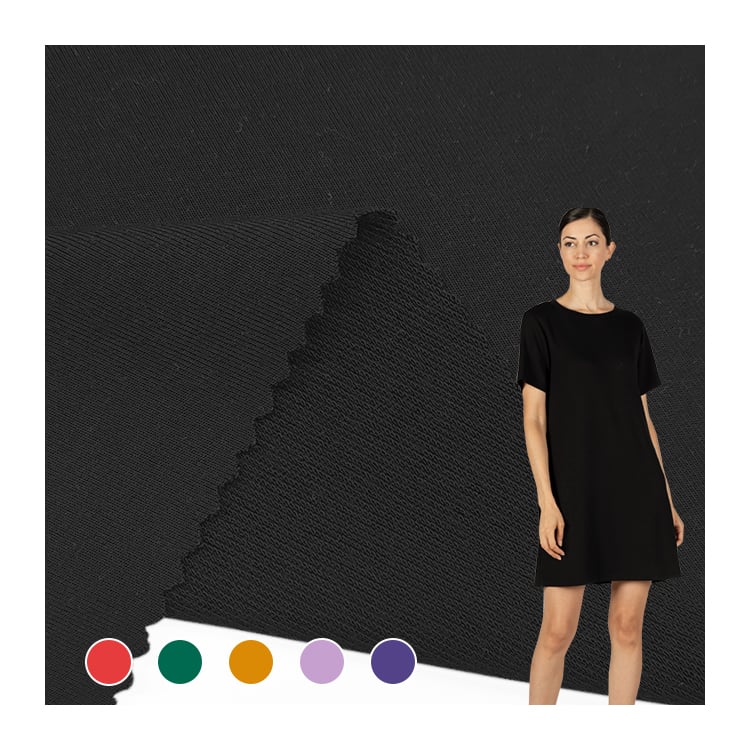
The evolution of sportswear fabric technology continues to accelerate as we enter 2025, driven by unprecedented consumer demands for performance, sustainability, and versatility. Athletic brands and textile manufacturers are investing heavily in research and development to create materials that not only enhance athletic performance but also align with environmental responsibility and comfort expectations. The sportswear fabric industry is experiencing a transformative period where traditional material science meets cutting-edge innovation, resulting in fabrics that respond intelligently to body temperature, manage moisture more efficiently, and reduce environmental footprint while maintaining durability and aesthetic appeal.
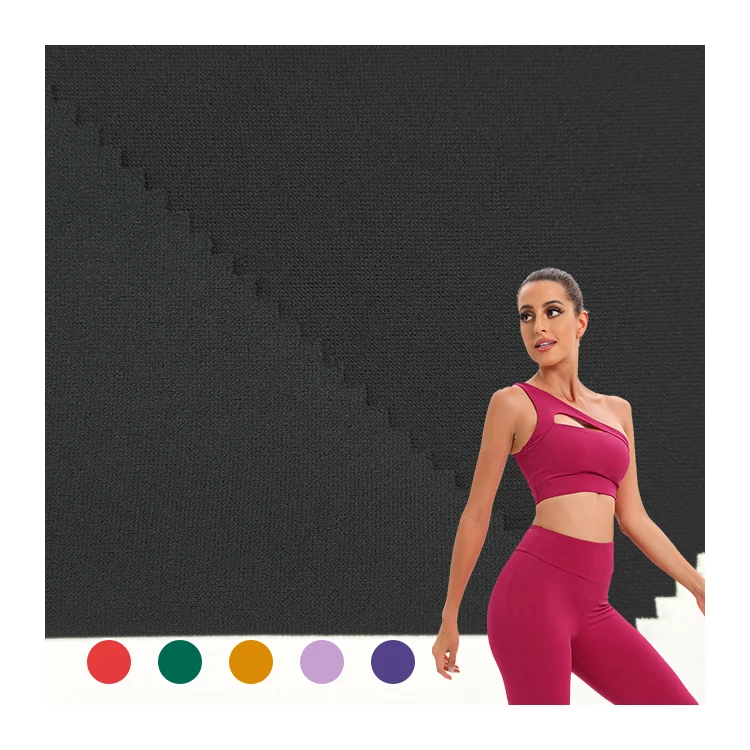
This year marks a significant turning point in how sportswear fabric is conceptualized, manufactured, and brought to market. Beyond the basic requirements of stretch and breathability, modern athletic textiles are being engineered with advanced fiber structures, smart textile integrations, and circular economy principles at their core. Manufacturers are responding to athletes' specific needs across various disciplines while addressing broader societal concerns about plastic pollution, carbon emissions, and resource consumption. Understanding these emerging trends is essential for brands, designers, and procurement professionals who want to stay competitive in an increasingly sophisticated marketplace where material innovation directly impacts product differentiation and consumer loyalty.
Advanced Moisture Management Systems
Next-Generation Wicking Technologies
The fundamental purpose of sportswear fabric has always included effective moisture management, but 2025 brings unprecedented sophistication to this core function. New wicking technologies go far beyond traditional capillary action by incorporating engineered fiber geometries that create differential moisture zones across the fabric structure. These innovations allow sportswear fabric to pull sweat away from the skin at varying rates depending on body region, activity intensity, and ambient conditions. Manufacturers are developing fabrics with microscopic channel structures that accelerate evaporation while maintaining soft hand feel and preventing the clammy sensation that plagued earlier moisture-wicking materials.
The integration of hydrophobic and hydrophilic fiber blends within single sportswear fabric constructions represents a major advancement this year. By strategically positioning water-repelling and water-attracting fibers in specific patterns, textile engineers create directional moisture flow that actively pumps perspiration away from the body and distributes it across larger surface areas for faster evaporation. This approach proves particularly valuable for high-intensity training and endurance sports where prolonged moisture exposure can cause discomfort, chafing, and reduced thermal regulation. Advanced knitting techniques enable these complex fiber arrangements without compromising the fabric's stretch recovery or durability through repeated wash cycles.
Adaptive Drying Rate Control
Innovative sportswear fabric designs now incorporate variable drying rates that adapt to exercise phases and environmental conditions. During intense activity when the body generates maximum heat and perspiration, the fabric structure opens to facilitate rapid moisture evaporation and cooling. As activity decreases or ambient temperature drops, the same material adjusts its porosity to retain appropriate warmth while still managing residual moisture. This adaptive functionality stems from fiber technologies that respond to temperature changes, mechanical stress, or pH variations in perspiration, creating truly responsive textiles that support athletic performance throughout entire training sessions or competitions.
The commercial application of these adaptive drying systems extends beyond elite athletic wear into mainstream sportswear fabric products. Consumers increasingly expect their workout clothing to perform consistently across diverse activities, from yoga and cycling to running and gym training. Manufacturers are meeting this demand by developing versatile fabric platforms that maintain core moisture management properties while offering specialized features for specific sports. The result is a new generation of athletic textiles that reduce the need for sport-specific wardrobes while delivering professional-grade performance characteristics that were previously available only in specialized technical apparel.
Sustainable Material Breakthroughs
Bio-Based Fiber Integration
The shift toward sustainability dominates sportswear fabric innovation in 2025, with bio-based fibers moving from experimental materials to mainstream production inputs. Manufacturers are successfully incorporating fibers derived from renewable resources such as corn, sugarcane, algae, and agricultural waste into performance textiles without sacrificing the stretch, durability, and moisture management that athletes demand. These plant-based alternatives to petroleum-derived polyester and nylon offer comparable or superior performance characteristics while significantly reducing carbon footprints and dependence on fossil fuel resources. The technical challenge of matching synthetic performance with natural materials has been largely overcome through advanced processing techniques and fiber engineering innovations.
One particularly promising development involves the use of cellulosic fibers engineered specifically for athletic applications. Traditional cellulose-based fabrics like cotton have long been considered inadequate for sportswear fabric due to poor moisture management and loss of structure when wet. However, new generation cellulosic fibers undergo molecular modification that preserves the environmental benefits of plant-based materials while delivering the quick-drying properties and dimensional stability essential for athletic wear. These materials represent a significant breakthrough because they offer biodegradability at end-of-life without requiring the chemical recycling infrastructure that synthetic materials demand, creating truly circular material flows.
Recycled Content Optimization
The integration of recycled content into high-performance sportswear fabric has reached new levels of sophistication this year. Advanced recycling technologies now enable the conversion of post-consumer plastic bottles, fishing nets, and textile waste into premium-grade polyester fibers that match or exceed the performance of virgin materials. The key innovation lies in purification and depolymerization processes that restore molecular integrity, eliminating the performance degradation that characterized earlier recycled fibers. Athletes can now access workout apparel made entirely from recycled inputs that delivers identical stretch recovery, abrasion resistance, and color fastness to conventional synthetic fabrics.
Beyond simply incorporating recycled content, sportswear fabric manufacturers are implementing closed-loop systems that enable infinite recyclability. These circular economy models involve designing fabrics with single-polymer constructions or easily separable blends that can be efficiently recycled at product end-of-life. Chemical recycling technologies break down worn textiles to their molecular components, which are then repolymerized into new fibers with no quality loss. This approach fundamentally transforms the environmental profile of synthetic sportswear fabric by eliminating the linear take-make-dispose model that has defined the industry for decades. Major brands are committing to substantial recycled content targets for 2025 and beyond, driving rapid scaling of these recycling infrastructures.
Smart Textile Functionality
Embedded Sensor Integration
The convergence of textile engineering and electronics creates entirely new categories of sportswear fabric with built-in sensing capabilities. Conductive fibers woven or knitted directly into fabric structures enable continuous monitoring of biometric data including heart rate, respiration patterns, muscle activity, and body temperature without external devices or chest straps. These smart textiles maintain the comfort, flexibility, and washability of conventional athletic fabrics while providing real-time performance data that athletes and coaches use to optimize training protocols and prevent overexertion. The miniaturization of power sources and signal processing components allows these monitoring systems to be fully integrated into garment construction rather than added as bulky external accessories.
The practical application of sensor-embedded sportswear fabric extends beyond professional athletics into fitness, rehabilitation, and workplace safety contexts. Textile sensors can detect fatigue markers, hydration status, and posture deviations that help prevent injury and guide exercise modification. For rehabilitation purposes, smart fabrics provide objective movement data that clinicians use to track recovery progress and adjust treatment plans. In industrial and emergency response settings, integrated sensors monitor environmental exposures and physiological stress to protect workers in demanding conditions. The widespread adoption of these technologies depends on continued improvements in washability, signal reliability, and manufacturing cost reduction, all of which are advancing rapidly in 2025.
Thermoregulation Enhancement
Innovative sportswear fabric designs now incorporate phase-change materials and responsive fiber technologies that actively manage body temperature rather than passively responding to it. Phase-change microcapsules embedded in fabric structures absorb excess body heat during intense activity and release it when body temperature drops, creating a buffering effect that maintains comfortable skin temperature across varying exertion levels. This technology proves particularly valuable for outdoor sports where ambient temperature fluctuations combine with metabolic heat generation to create challenging thermal management demands. The latest generation of phase-change materials operates across wider temperature ranges and withstands repeated laundering without performance degradation.
Complementing phase-change technologies, thermochromic and moisture-responsive fibers create sportswear fabric that visually indicates thermal status and moisture accumulation. These visual feedback mechanisms help athletes recognize when they need additional cooling or hydration, supporting better self-regulation during training and competition. Some advanced materials combine multiple responsive functions, simultaneously managing heat, moisture, and ultraviolet exposure through integrated fiber technologies. The commercial viability of these smart thermoregulation systems has improved dramatically as manufacturing processes become more efficient and material costs decrease, making what were once specialty materials accessible for mainstream athletic apparel production.
Structural Engineering Innovations
Targeted Compression Architecture
The application of biomechanical research to sportswear fabric construction has produced compression garments with precisely mapped support zones that enhance performance and reduce injury risk. Unlike uniform compression textiles, these engineered fabrics vary compression levels across different body regions based on muscle group function, fatigue patterns, and movement mechanics specific to particular sports. Advanced knitting technologies enable seamless construction with integrated compression gradients that provide support where needed without restricting natural movement or creating uncomfortable pressure points. Athletes report improved proprioception, reduced muscle oscillation, and faster recovery when wearing these biomechanically optimized compression garments.
The development of targeted compression sportswear fabric requires sophisticated collaboration between textile engineers, sports scientists, and apparel designers. Three-dimensional body scanning and motion capture analysis identify optimal compression placement for specific athletic activities, which then inform the programming of computerized knitting machines capable of creating complex structural variations within single fabric pieces. This precision engineering results in garments that function almost like external musculature, supporting efficient movement patterns while allowing unrestricted range of motion. The performance benefits extend beyond elite athletes to fitness enthusiasts and individuals engaged in physically demanding occupations who benefit from enhanced muscular support during extended activity periods.
Abrasion Resistance Enhancement
Durability remains a critical performance attribute for sportswear fabric, particularly in high-wear zones subjected to repeated friction, stretching, and environmental exposure. New fiber technologies and yarn construction methods dramatically improve abrasion resistance without adding bulk or compromising flexibility. High-tenacity polyester variants, aramid fiber blends, and specialized finishing treatments create fabric surfaces that resist pilling, snagging, and fiber breakdown even under demanding use conditions. Strategic reinforcement of stress points using these advanced materials extends garment lifespan significantly, reducing replacement frequency and overall environmental impact through improved product longevity.
The enhancement of abrasion resistance in sportswear fabric also involves surface modification techniques that create protective barriers without substantially altering fabric hand or breathability. Nano-coatings applied during finishing processes fill inter-fiber spaces and create smooth surfaces that deflect abrasive forces while maintaining air and moisture permeability essential for athletic comfort. These treatments prove particularly valuable for outdoor sports equipment and apparel exposed to rough surfaces, vegetation, and environmental particulates. The challenge for manufacturers lies in balancing durability enhancement with other performance attributes, ensuring that abrasion-resistant treatments do not compromise stretch, recovery, or moisture management that athletes depend upon during active use.
Manufacturing Process Advancements
Seamless Construction Technology
The evolution of circular knitting technology enables production of complete sportswear fabric garments without traditional cut-and-sew construction, eliminating seams that cause chafing, restrict movement, and create structural weak points. Seamless manufacturing allows for continuous variation in fabric structure, density, and compression within single pieces, creating body-mapped performance zones impossible to achieve through conventional garment assembly. This technology reduces material waste dramatically since no cutting scraps are generated, and manufacturing efficiency improves through simplified production workflows. Athletes benefit from improved comfort, unrestricted movement, and garments that maintain structural integrity through extended use and laundering.
Advanced seamless sportswear fabric production involves sophisticated programming of computerized knitting machines that can execute complex stitch pattern variations, incorporate different yarn types, and create three-dimensional shaping during the knitting process itself. This capability enables manufacturers to produce finished garments that require minimal post-production processing, reducing labor costs and production time while improving consistency and quality control. The aesthetic possibilities of seamless construction also appeal to consumers, as these garments feature clean lines and modern styling that aligns with contemporary fashion trends. As seamless knitting technology becomes more accessible and affordable, its adoption is expanding beyond premium athletic wear into mainstream sportswear fabric applications.
Digital Textile Printing Capabilities
Revolutionary advances in digital printing technology transform how color, pattern, and graphic elements are applied to sportswear fabric surfaces. Direct-to-fabric printing systems achieve photographic image quality, unlimited color variations, and precise pattern placement without the setup costs and minimum order quantities that traditional screen printing requires. This capability enables mass customization where individual consumers can specify unique designs, team logos, or personalized graphics on their athletic apparel without premium pricing or extended lead times. The environmental benefits are substantial as digital printing uses significantly less water, eliminates chemical pre-treatment requirements, and generates minimal waste compared to conventional dyeing and printing methods.
The integration of digital printing with advanced sportswear fabric constructions creates new possibilities for functional patterning beyond aesthetic considerations. Manufacturers can print hydrophobic or hydrophilic coatings in specific patterns to create moisture management zones, apply reflective materials for visibility enhancement, or incorporate antimicrobial treatments in high-perspiration areas. Variable ink density enables gradient effects and tonal variations previously difficult to achieve in technical textiles. As printing speeds increase and ink technologies improve in terms of durability and colorfastness, digital textile printing is becoming the preferred method for applying surface treatments and visual designs to performance fabrics, fundamentally changing product development timelines and enabling more responsive production models.
FAQ
What makes 2025 sportswear fabric different from previous generations?
Sportswear fabric in 2025 distinguishes itself through the convergence of multiple advanced technologies including bio-based and recycled materials, integrated smart textile capabilities, adaptive moisture and thermal management systems, and precision-engineered compression structures. Unlike earlier generations that focused primarily on basic moisture wicking and stretch, current fabrics incorporate responsive materials that adjust their properties based on activity intensity and environmental conditions. The emphasis on sustainability has driven major breakthroughs in recycled content quality and bio-based fiber performance, enabling environmentally responsible materials that match or exceed petroleum-based alternatives. Additionally, seamless construction technologies and digital manufacturing processes enable customization and functional zone mapping that were previously impossible or economically prohibitive.
How do sustainable materials in sportswear fabric compare to traditional synthetic performance?
Modern sustainable sportswear fabric materials have reached performance parity with conventional synthetics across most critical attributes including moisture management, stretch recovery, durability, and colorfastness. Advanced bio-based fibers undergo molecular engineering that replicates the performance characteristics of polyester and nylon while offering superior environmental profiles through renewable resource sourcing and biodegradability potential. Recycled synthetic fibers produced through chemical recycling processes achieve quality levels indistinguishable from virgin materials, eliminating the performance compromises associated with earlier mechanical recycling methods. The remaining challenges involve scaling production capacity, reducing costs to competitive levels, and developing closed-loop recycling infrastructure, but the technical performance gap has largely been eliminated through continuous material science innovation.
Can smart sportswear fabric with embedded sensors withstand regular washing?
Contemporary smart sportswear fabric designs incorporate washing-durable conductive fibers and encapsulated electronic components that withstand repeated laundering cycles without performance degradation. Conductive yarns are engineered to resist corrosion, maintain electrical connectivity, and retain mechanical properties through standard washing processes, typically rated for fifty or more wash cycles before any signal quality decline. Sensor modules and connection points receive protective encapsulation using flexible polymers that prevent water ingress while allowing the fabric to maintain its flexibility and comfort characteristics. Manufacturers provide specific care instructions that typically involve gentle cycle washing at moderate temperatures and air drying to maximize component longevity, though ongoing research continues improving the robustness of electronic textile elements for greater care convenience.
How does targeted compression in modern sportswear fabric improve athletic performance?
Targeted compression sportswear fabric enhances athletic performance through multiple biomechanical mechanisms including reduced muscle oscillation during impact activities, improved venous return for enhanced oxygen delivery, increased proprioceptive feedback for better movement control, and reduced lactate accumulation in working muscles. By varying compression levels across different body regions based on specific muscle group functions and fatigue patterns, these engineered fabrics provide support precisely where it benefits performance most while avoiding excessive restriction in areas requiring full range of motion. Research demonstrates that properly designed compression garments can delay onset of muscular fatigue, reduce perceived exertion during sustained activity, and accelerate recovery following intense training sessions, though individual responses vary based on sport discipline, fitness level, and compression tolerance.
Table of Contents
- Advanced Moisture Management Systems
- Sustainable Material Breakthroughs
- Smart Textile Functionality
- Structural Engineering Innovations
- Manufacturing Process Advancements
-
FAQ
- What makes 2025 sportswear fabric different from previous generations?
- How do sustainable materials in sportswear fabric compare to traditional synthetic performance?
- Can smart sportswear fabric with embedded sensors withstand regular washing?
- How does targeted compression in modern sportswear fabric improve athletic performance?