
 EN
EN



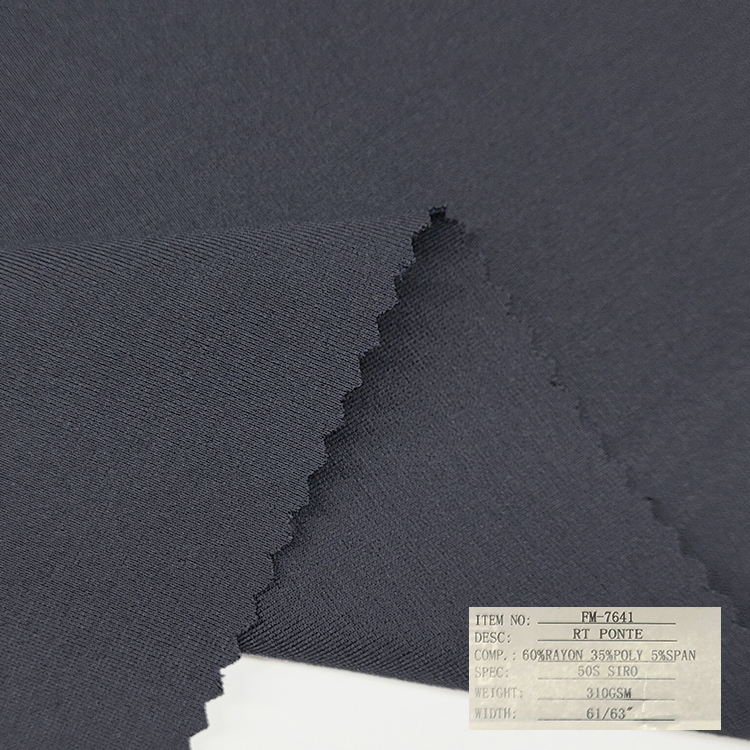
Selecting the right sportswear fabric can dramatically influence athletic performance, comfort during intense workouts, and the overall durability of activewear. Modern sportswear fabric technology has evolved beyond simple cotton blends to incorporate advanced synthetic fibers, moisture management systems, and stretch capabilities that support a wide range of physical activities. Athletes, fitness enthusiasts, and sportswear manufacturers increasingly prioritize fabrics that deliver both functional performance and all-day wearability, creating demand for materials that balance breathability, flexibility, compression support, and rapid drying properties. Understanding the distinct characteristics of various sportswear fabric options enables informed decisions that align with specific training demands, climate conditions, and personal comfort preferences.
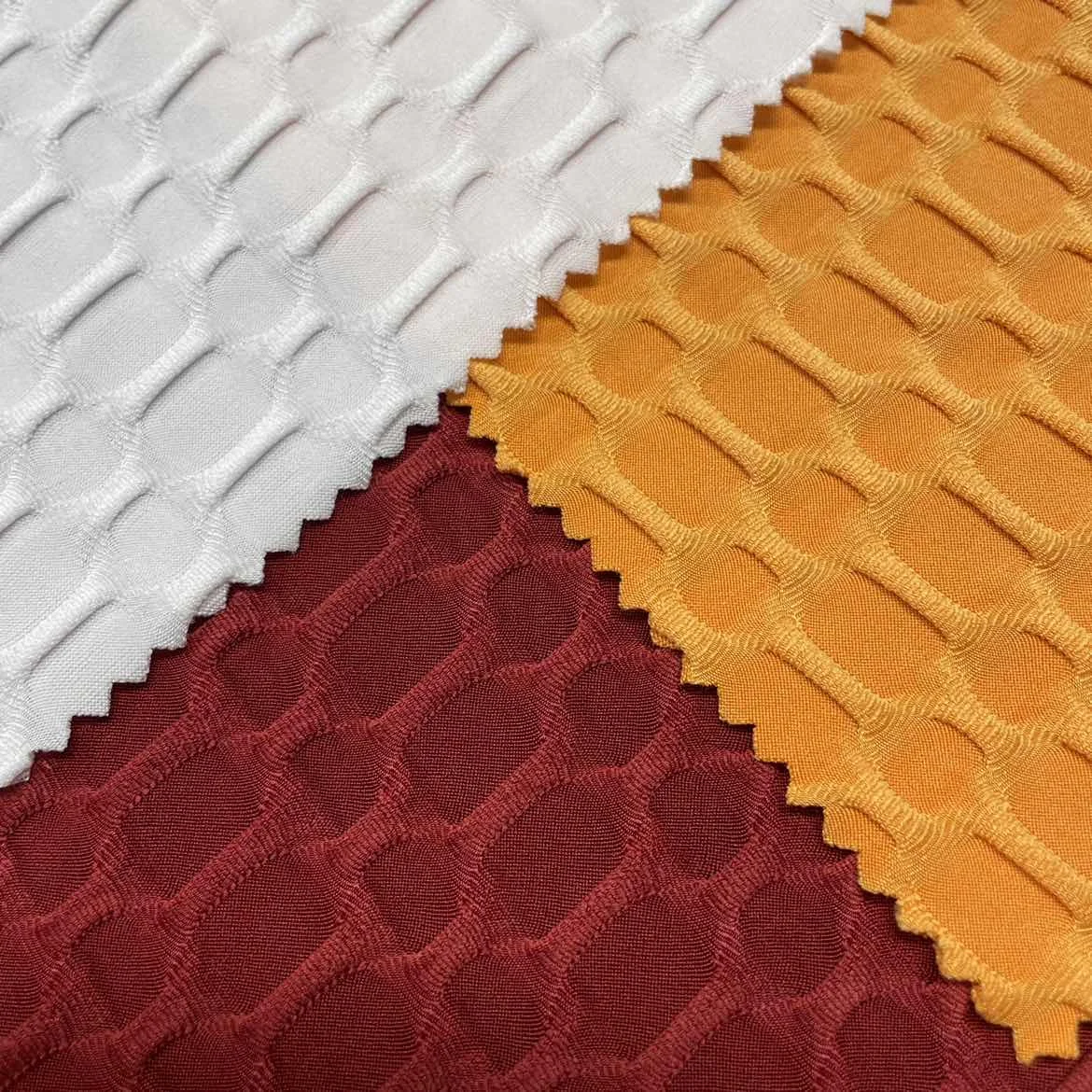
The sportswear industry continuously refines fabric engineering to meet the rigorous demands of high-performance athletics while maintaining affordability and sustainability considerations. From polyester blends with spandex integration to specialized knit constructions and jacquard textures, each sportswear fabric category offers unique advantages suited to different movement patterns, intensity levels, and environmental factors. This comprehensive exploration examines the most effective sportswear fabric types available today, analyzing their performance characteristics, comfort profiles, ideal applications, and how material composition directly impacts the user experience across yoga, running, cycling, gym training, and outdoor sports activities.
Core Sportswear Fabric Categories and Their Performance Foundations
Polyester-Based Sportswear Fabric Systems
Polyester dominates the sportswear fabric market due to its exceptional moisture-wicking capabilities, dimensional stability, and resistance to shrinking or stretching during repeated washing cycles. This synthetic fiber naturally repels water while allowing perspiration vapor to escape through the fabric structure, keeping skin drier during moderate to intense physical exertion. High-quality polyester sportswear fabric typically features microfiber construction with fine denier counts that create soft hand feel without sacrificing durability or color retention over extended use periods. The molecular structure of polyester enables manufacturers to engineer specific properties into the fabric, including UV protection, antimicrobial treatments, and enhanced breathability through varied knit architectures.
Modern polyester sportswear fabric often incorporates texturing processes that improve comfort against skin while maintaining the performance advantages inherent to synthetic fibers. These textured yarns create micro-gaps within the fabric structure that enhance air circulation and accelerate evaporative cooling during cardiovascular activities. The chemical stability of polyester allows for vibrant dye absorption and retention, making it ideal for bold color palettes and intricate pattern work common in contemporary activewear designs. Additionally, polyester blends exceptionally well with other performance fibers, creating hybrid sportswear fabric solutions that combine multiple beneficial characteristics within a single material platform.
Spandex Integration for Stretch Performance
Spandex, also marketed as elastane or Lycra, revolutionized sportswear fabric engineering by introducing unprecedented stretch and recovery properties that accommodate dynamic movement without fabric distortion. When blended with polyester or nylon base materials, spandex content typically ranges from four to twenty percent, depending on the desired compression level and flexibility requirements of the final garment. This elastic fiber allows sportswear fabric to extend up to five hundred percent of its original length before returning to its initial dimensions, providing crucial support during exercises involving repeated stretching, bending, and compression movements. The inclusion of spandex transforms rigid base fabrics into responsive materials that move synchronously with the body's natural motion patterns.
The quality of spandex integration significantly impacts the longevity and performance consistency of sportswear fabric throughout its functional lifespan. Premium spandex fibers resist degradation from chlorine exposure, UV radiation, and repeated mechanical stress, maintaining their elasticity through hundreds of wear and wash cycles. Sportswear fabric engineered with optimal spandex content provides muscle support that can reduce fatigue during prolonged training sessions while preventing the fabric from becoming loose or baggy after extended use. The strategic placement of higher spandex concentration in specific garment zones enables targeted compression benefits, such as enhanced blood circulation in leg wear or improved posture support in upper body activewear, making this component essential for performance-oriented sportswear fabric development.
Natural Fiber Alternatives in Performance Contexts
While synthetic materials dominate high-performance sportswear fabric applications, natural fibers like bamboo viscose, merino wool, and organic cotton serve important roles in moderate-intensity activities and comfort-focused activewear. Bamboo-derived sportswear fabric offers natural antimicrobial properties and exceptional softness, making it popular for yoga wear, pilates outfits, and recovery clothing worn during low-impact stretching or meditation practices. The moisture absorption capacity of these natural fibers differs fundamentally from synthetic wicking mechanisms, absorbing perspiration into the fiber structure rather than transporting it across the fabric surface, which can feel more comfortable during gentle movement but becomes problematic during intense sweating scenarios.
Merino wool represents a specialized natural sportswear fabric option valued for temperature regulation capabilities across varying environmental conditions. This fine wool fiber naturally insulates when cool while remaining breathable during warmer conditions, and it retains warmth even when damp, making it suitable for outdoor sports in unpredictable climates. However, natural fiber sportswear fabric generally lacks the rapid drying performance and durability characteristics of synthetic alternatives, limiting their application in professional athletic contexts where consistent performance across multiple training sessions is paramount. Many contemporary sportswear fabric solutions blend natural and synthetic fibers to capture beneficial properties from both categories while minimizing individual weaknesses.
Advanced Fabric Technologies Enhancing Sportswear Performance
Moisture Management and Wicking Mechanisms
Effective moisture management distinguishes superior sportswear fabric from basic athletic materials, directly impacting comfort during perspiration-heavy activities. Advanced wicking systems transport liquid perspiration away from skin contact surfaces through capillary action, spreading moisture across broader fabric areas where evaporation can occur more rapidly. This process relies on carefully engineered fiber geometries, yarn construction methods, and knit architectures that create controlled pathways for liquid movement. Premium sportswear fabric often features differential surface treatments, with hydrophobic properties on the skin-facing layer that push moisture outward and hydrophilic characteristics on the exterior surface that facilitate rapid evaporation into the surrounding environment.
The effectiveness of moisture management in sportswear fabric depends significantly on fabric weight, density, and the specific activity intensity level. Lightweight constructions excel in hot, humid conditions where maximum breathability takes priority, while slightly heavier sportswear fabric with enhanced wicking capacity performs better during cooler weather or in activities generating extreme perspiration volumes. Some advanced sportswear fabric incorporates gradient moisture management, where different fabric zones feature varied wicking intensities corresponding to body areas with higher or lower perspiration rates. This sophisticated approach to moisture control represents the current frontier in sportswear fabric engineering, optimizing comfort across diverse training environments and exercise modalities.
Breathability and Air Circulation Optimization
Breathability in sportswear fabric refers to the material's capacity to facilitate air exchange between the microclimate next to the skin and the external environment, preventing heat accumulation and supporting thermoregulation during physical exertion. This characteristic depends on fabric porosity, knit structure openness, and the air permeability of constituent fibers. Mesh constructions represent the most breathable sportswear fabric option, featuring large open spaces between yarns that maximize airflow but may compromise opacity or structural integrity. More typical sportswear fabric achieves breathability through fine-gauge knitting that creates microscopic gaps sufficient for air movement while maintaining adequate coverage and durability for athletic applications.
The relationship between breathability and moisture management creates critical performance synergies in high-quality sportswear fabric design. Fabrics that combine excellent air permeability with effective wicking properties accelerate the evaporative cooling process, removing both liquid perspiration and the heat energy associated with its vaporization. This dual functionality becomes especially important during sustained cardiovascular activities where body heat generation continuously increases. Advanced sportswear fabric may incorporate strategically placed ventilation zones using more open knit structures in high-heat body areas like the back, underarms, or behind the knees, while maintaining denser constructions in regions requiring greater coverage or support. This zoned approach to breathability optimization demonstrates how sophisticated sportswear fabric engineering tailors performance characteristics to specific anatomical and physiological requirements.
Compression and Support Fabric Technologies
Compression functionality in sportswear fabric provides graduated pressure against muscle groups, potentially improving blood circulation, reducing muscle oscillation during impact activities, and supporting faster recovery following intense training sessions. This performance characteristic requires precise engineering of fabric elasticity, recovery force, and dimensional stability to deliver consistent compression levels throughout the garment's lifespan. High-compression sportswear fabric typically contains elevated spandex content, ranging from fifteen to twenty-five percent, combined with tight knit constructions that create substantial resistance against stretch. The resulting material exerts controlled pressure when worn, with compression intensity measured in millimeters of mercury similar to medical-grade compression garments.
The effectiveness of compression sportswear fabric depends on accurate sizing and appropriate compression gradient distribution across the garment. Well-designed compression pieces feature stronger compression in distal areas like ankles or wrists, gradually decreasing toward the body's core to promote circulatory flow back toward the heart. This graduated compression approach requires sophisticated sportswear fabric engineering that varies material composition or knit density across different garment zones. Athletes engaged in high-impact activities like running, basketball, or plyometric training often prefer moderate compression sportswear fabric that provides muscle support without restricting natural movement patterns, while recovery-focused garments may employ higher compression levels to maximize circulatory benefits during post-workout rest periods.
Functional Characteristics Defining Quality Sportswear Fabric
Durability and Abrasion Resistance Properties
The longevity of sportswear fabric directly influences its cost-effectiveness and environmental impact, making durability a crucial selection criterion for both manufacturers and end users. High-quality sportswear fabric resists pilling, where fiber ends work their way to the fabric surface creating unsightly fuzz balls that compromise appearance and comfort. Abrasion resistance becomes particularly important in garment areas experiencing high friction, such as inner thighs, underarms, or contact points with equipment like weight benches or yoga mats. Premium polyester sportswear fabric achieves superior durability through tight yarn twists, dense knit constructions, and fiber treatments that strengthen surface integrity against mechanical wear.
Colorfastness represents another dimension of sportswear fabric durability, ensuring that vibrant hues resist fading despite repeated exposure to perspiration, detergents, sunlight, and chlorine in swimming environments. Solution-dyed sportswear fabric, where pigment is integrated during fiber production rather than applied as a surface treatment, demonstrates exceptional color retention across hundreds of wash cycles while requiring less water and chemical processing during manufacturing. The dimensional stability of sportswear fabric also contributes to durability by maintaining garment fit and shape despite repeated stretching during wear and the mechanical stress of laundering. Fabrics that resist shrinkage, stretching, or warping provide consistent performance characteristics throughout their functional lifespan, justifying premium pricing through extended usability periods.
Odor Control and Antimicrobial Features
Perspiration itself is odorless, but bacterial metabolism of organic compounds in sweat produces the characteristic unpleasant smell associated with worn activewear. Advanced sportswear fabric addresses this challenge through antimicrobial treatments that inhibit bacterial growth, silver ion integration that disrupts microbial cell functions, or inherent fiber properties that create inhospitable environments for odor-causing organisms. These odor control technologies extend the wearability of sportswear fabric between launderings, reducing washing frequency and thereby conserving water resources while prolonging garment lifespan by minimizing exposure to detergents and mechanical agitation.
The durability of antimicrobial treatments in sportswear fabric varies significantly based on application methodology. Surface-applied treatments may diminish after repeated washing, while technologies bonded at the molecular level or incorporated during fiber production maintain effectiveness throughout the fabric's lifespan. Some sportswear fabric achieves natural odor resistance through fiber geometry that discourages bacterial adhesion or through rapid drying properties that eliminate the moist environment bacteria require for proliferation. Athletes engaging in multiple daily training sessions or traveling for competitions particularly value odor-resistant sportswear fabric that maintains freshness despite intensive use, making this feature increasingly standard in premium activewear categories.
UV Protection and Environmental Resistance
Outdoor athletes require sportswear fabric that provides protection against ultraviolet radiation, which can cause skin damage during prolonged exposure. The UV protection factor of sportswear fabric depends on fabric density, color saturation, fiber type, and specialized treatments that absorb or reflect UV wavelengths. Dense, tightly-knit sportswear fabric inherently provides better UV protection by limiting the amount of radiation that penetrates through gaps in the fabric structure. Dark colors and certain pigments naturally absorb more UV radiation than lighter shades, though this can increase heat absorption in sunny conditions. Some advanced sportswear fabric incorporates UV-blocking compounds during manufacturing, creating materials with UPF ratings of fifty or higher that block more than ninety-eight percent of harmful radiation.
Environmental resistance extends beyond UV protection to include water repellency, wind resistance, and thermal insulation appropriate for varied climate conditions. While most standard sportswear fabric prioritizes breathability over weather protection, specialized performance materials integrate water-resistant treatments that cause liquid to bead and roll off the fabric surface without penetrating to the skin. This characteristic proves valuable for outdoor running, cycling, or training in light rain conditions where full waterproof protection would compromise breathability. Wind-resistant sportswear fabric reduces convective heat loss during cold weather activities, maintaining body temperature without requiring heavy layering that restricts movement. The versatility of modern sportswear fabric allows manufacturers to tailor environmental resistance characteristics to specific sport disciplines and typical usage conditions.
Application-Specific Sportswear Fabric Selection Strategies
Yoga and Low-Impact Activity Requirements
Yoga practice demands sportswear fabric that prioritizes flexibility, opacity during stretching poses, and soft tactile qualities that enhance the mindful, comfort-focused nature of the discipline. High spandex content, typically ranging from fifteen to twenty percent, ensures fabric moves fluidly through the full range of motion required in poses like downward dog, warrior sequences, or deep forward folds without creating restrictive tension. The opacity of yoga sportswear fabric becomes critical during positions where fabric stretches significantly, such as deep lunges or squats, requiring sufficient fabric density and appropriate color selection to maintain coverage. Matte finishes generally provide better opacity than shiny, tightly-compressed fabrics, though advances in knit construction now enable both aesthetic options with adequate coverage properties.
The tactile experience of yoga sportswear fabric significantly influences practice quality, with practitioners favoring buttery-soft textures that feel comfortable during floor work and don't distract from meditative focus. Brushed finishes, peached surfaces, or specialized yarn texturing create luxurious hand feel while maintaining the moisture management and stretch performance necessary for heated yoga or vigorous vinyasa flows. Some yoga-specific sportswear fabric incorporates subtle compression that provides muscle awareness without restrictive tightness, helping practitioners maintain proper alignment during balance poses or inversions. The four-way stretch capability, where fabric extends equally in both lengthwise and crosswise directions, represents an essential characteristic for yoga sportswear fabric, accommodating the multidirectional movement patterns inherent to the practice.
Running and High-Impact Sport Fabric Needs
Running and high-impact activities generate substantial perspiration volumes and repetitive mechanical stress on sportswear fabric, requiring materials optimized for moisture management, lightweight construction, and abrasion resistance. Lightweight polyester sportswear fabric, typically weighing between one hundred and one hundred fifty grams per square meter, provides optimal breathability and rapid drying without sacrificing durability for distance running or cardiovascular training. The construction of running-specific sportswear fabric often features open mesh zones in high-heat areas combined with more structured knits in regions requiring coverage or support, creating garments that maximize thermoregulation while maintaining appropriate modesty and protection from environmental factors.
Compression elements in running sportswear fabric can reduce muscle vibration during repetitive impact, potentially minimizing fatigue accumulation and supporting performance during long-distance events. However, compression levels must be carefully balanced, as excessive restriction can impair natural biomechanics and reduce comfort during extended wear periods. Seamless or flatlock seam construction in running garments prevents chafing issues that arise from traditional seam types rubbing against skin during thousands of stride cycles. Reflective elements integrated into sportswear fabric structure or applied as surface treatments enhance visibility during low-light conditions, addressing safety concerns for early morning or evening runners. The specific demands of running create unique sportswear fabric requirements that differ substantially from static or low-impact activities, driving continuous innovation in lightweight, breathable, and durable material development.
Training and Gym-Focused Fabric Optimization
Gym training encompasses diverse movement patterns from weightlifting's isometric holds to circuit training's dynamic transitions, requiring versatile sportswear fabric that performs across varied intensity levels and exercise modalities. Moderate-weight sportswear fabric, ranging from one hundred fifty to two hundred grams per square meter, provides ideal balance between durability for equipment contact, adequate coverage for various positions, and sufficient breathability for cardiovascular intervals between strength sets. The stretch characteristics of gym sportswear fabric should accommodate deep squats, overhead pressing movements, and floor exercises without creating restrictive tension, typically requiring eight to fifteen percent spandex content for optimal mobility support.
Moisture management becomes particularly important in gym environments where climate control may be inconsistent and multiple high-intensity intervals create fluctuating perspiration rates. Sportswear fabric engineered with efficient wicking properties maintains comfort during the transition from warm-up cardio to strength training and back to metabolic conditioning work. The abrasion resistance of gym sportswear fabric must withstand contact with weight benches, barbells, and flooring materials without excessive pilling or fiber damage. Some gym-focused sportswear fabric incorporates subtle structure or texture that provides visual interest without compromising performance, appealing to users who value both functionality and aesthetic presentation. The multifunctional demands of gym training make this category particularly challenging for sportswear fabric selection, requiring materials that excel across numerous performance dimensions simultaneously.
FAQ
What makes polyester spandex blends ideal for sportswear fabric applications?
Polyester spandex blends combine the moisture-wicking efficiency and durability of polyester with the stretch and recovery properties of spandex, creating sportswear fabric that moves dynamically with the body while keeping skin dry during physical activity. The polyester component provides structural stability, color retention, and rapid drying capabilities, while spandex integration enables four-way stretch that accommodates diverse movement patterns without fabric distortion. This combination delivers the performance characteristics most valued in activewear across yoga, running, gym training, and other athletic pursuits, making polyester spandex the dominant sportswear fabric composition in contemporary performance apparel.
How does fabric weight influence sportswear performance and comfort?
Fabric weight significantly impacts breathability, coverage, durability, and appropriate activity application in sportswear fabric selection. Lightweight fabrics weighing under one hundred fifty grams per square meter maximize breathability and are ideal for high-intensity cardiovascular activities in warm conditions, while moderate weights between one hundred fifty and two hundred fifty grams provide better opacity, durability for equipment contact, and suitability for strength training or outdoor activities. Heavier sportswear fabric exceeding two hundred fifty grams offers compression benefits and enhanced coverage but may compromise breathability during intense exertion. Matching fabric weight to specific activity demands and climate conditions optimizes both performance and comfort outcomes.
Can natural fiber sportswear fabric compete with synthetic performance materials?
Natural fiber sportswear fabric offers distinct advantages in comfort, sustainability, and temperature regulation for low to moderate intensity activities, though synthetic materials generally outperform in moisture management, durability, and stretch recovery for high-performance athletic applications. Merino wool excels in temperature regulation across varied conditions, bamboo viscose provides natural antimicrobial properties and exceptional softness for yoga wear, and organic cotton offers breathability for casual fitness activities. However, natural fibers typically absorb rather than wick moisture, dry slowly, and lack the elastic recovery of synthetic sportswear fabric, limiting their application in professional athletic contexts. Blended constructions combining natural and synthetic fibers increasingly bridge this performance gap, offering compromise solutions that capture benefits from both material categories.
What compression level is appropriate for different athletic activities?
Compression requirements in sportswear fabric vary based on activity type, intensity level, and individual preference, with light compression (eight to fifteen percent spandex) suitable for yoga and flexibility training, moderate compression (fifteen to twenty percent spandex) appropriate for running and gym workouts, and firm compression (twenty to twenty-five percent spandex) reserved for recovery wear or specific medical applications. High-impact activities benefit from compression that reduces muscle oscillation without restricting natural movement patterns, while recovery-focused compression garments maximize circulatory benefits during rest periods. Individual body composition, personal comfort preferences, and specific performance goals should guide compression level selection, as excessive compression can impair circulation and reduce comfort during extended wear, while insufficient compression fails to deliver desired support benefits.
Table of Contents
- Core Sportswear Fabric Categories and Their Performance Foundations
- Advanced Fabric Technologies Enhancing Sportswear Performance
- Functional Characteristics Defining Quality Sportswear Fabric
- Application-Specific Sportswear Fabric Selection Strategies
-
FAQ
- What makes polyester spandex blends ideal for sportswear fabric applications?
- How does fabric weight influence sportswear performance and comfort?
- Can natural fiber sportswear fabric compete with synthetic performance materials?
- What compression level is appropriate for different athletic activities?