
 EN
EN



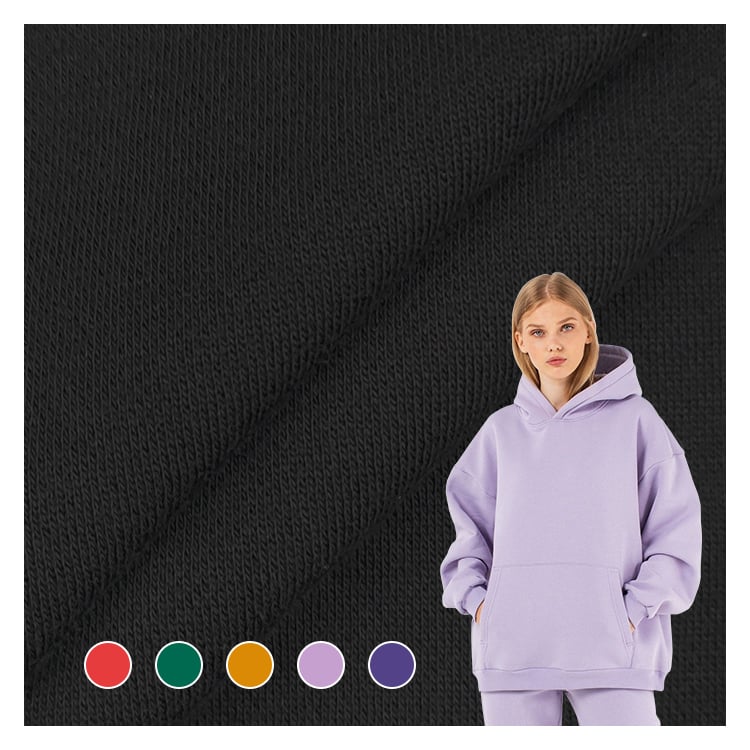
Selecting the right sportswear fabric represents one of the most critical decisions athletic apparel brands face in product development. The fabric choice directly influences garment performance, customer satisfaction, brand reputation, and ultimately, market success. For brands operating in the competitive activewear industry, understanding how to evaluate and choose quality sportswear fabric requires knowledge of material science, manufacturing standards, performance metrics, and end-user expectations. This comprehensive guide walks through the essential criteria, technical considerations, and decision-making frameworks that enable brands to source sportswear fabric that meets both functional requirements and commercial objectives.
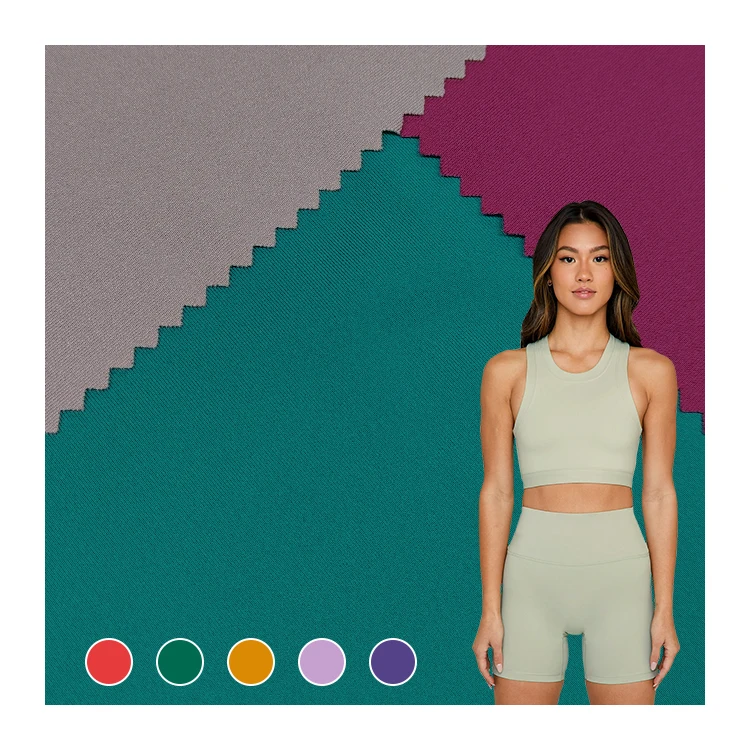
Quality sportswear fabric selection is not simply about choosing materials that feel soft or look appealing. It involves systematic evaluation across multiple dimensions including fiber composition, construction methods, performance characteristics, durability standards, sustainability credentials, and cost efficiency. Brands must balance technical specifications with consumer preferences while maintaining competitive pricing and ethical production practices. The decision process requires collaboration between designers, product developers, sourcing teams, and quality assurance professionals who understand how fabric properties translate into finished garment performance across various athletic activities and wear conditions.
Understanding Core Performance Requirements in Sportswear Fabric
Moisture Management and Breathability Standards
When evaluating sportswear fabric, moisture management capability stands as a fundamental performance criterion. Quality sportswear fabric must efficiently transport perspiration away from the skin to the fabric surface where it can evaporate quickly. This wicking action keeps athletes dry and comfortable during intense physical activity. Brands should assess fabric moisture vapor transmission rate, which measures how quickly water vapor passes through the material. Higher transmission rates indicate superior breathability. Testing methods like ASTM E96 provide standardized metrics for comparing different sportswear fabric options. The fiber content significantly impacts moisture behavior, with synthetic materials like polyester and nylon generally offering better wicking properties than natural fibers.
Breathability extends beyond simple moisture movement to include air permeability, which affects thermal regulation. Quality sportswear fabric incorporates construction techniques such as mesh zones, engineered knit patterns, or microscopic pore structures that facilitate airflow while maintaining fabric integrity. Brands should request air permeability testing data measured in cubic feet per minute per square foot, with higher values indicating better ventilation. The relationship between fabric weight, density, and breathability requires careful balancing, as extremely lightweight materials may sacrifice durability while heavy fabrics compromise comfort. Understanding the specific activity intensity and environmental conditions your target customers experience helps determine appropriate breathability thresholds for your sportswear fabric selection.
Stretch, Recovery, and Movement Flexibility
Athletic garments must move with the body without restriction, making stretch and recovery properties essential quality indicators in sportswear fabric. Mechanical stretch refers to how much a fabric extends under tension, typically measured as a percentage of the original dimension. Quality sportswear fabric for active applications should offer at least twenty to thirty percent stretch in key directions, with higher stretch percentages needed for activities like yoga, cycling, or gymnastics. The stretch can come from fiber elasticity, as with spandex or elastane content, or from knit construction methods that create inherent flexibility. Brands must specify both the degree of stretch required and the direction, whether two-way or four-way stretch, based on garment design and intended use.
Equally important as stretch capability is recovery performance, which measures how well sportswear fabric returns to its original dimensions after being stretched. Poor recovery leads to bagging, sagging, and garment deformation that compromises both appearance and fit over time. Quality sportswear fabric maintains shape retention through repeated stretch cycles, washing, and wear. Testing protocols should include cyclic extension testing that simulates actual use conditions, measuring permanent deformation after multiple stretch-recovery cycles. Fabrics containing three to five percent spandex content typically provide excellent recovery properties when properly constructed. Brands should also consider how recovery performance changes with moisture exposure, temperature variation, and aging, as these factors affect long-term garment quality and customer satisfaction.
Durability and Abrasion Resistance
Sportswear undergoes significantly more stress than casual apparel, making durability a critical quality factor when choosing sportswear fabric. Abrasion resistance measures how well fabric withstands surface wear from friction against skin, equipment, or other surfaces. The Martindale abrasion test provides standardized results, with quality sportswear fabric typically enduring twenty thousand to fifty thousand cycles before showing visible wear. Higher abrasion resistance proves particularly important for high-friction areas like underarms, inner thighs, and contact zones in team sports. Fiber type influences durability substantially, with nylon offering superior abrasion resistance compared to polyester, while natural fibers like cotton show lower performance in this metric.
Beyond surface abrasion, overall fabric strength affects garment longevity and performance reliability. Tensile strength testing measures the force required to break fabric, while tear strength evaluates resistance to rip propagation from an initial cut or damage point. Quality sportswear fabric balances strength with flexibility, as overly rigid materials restrict movement despite high strength values. Seam slippage resistance also matters significantly, as sportswear construction often involves stretch fabrics under tension where yarns can pull away from seams during wear. Brands should establish minimum strength requirements based on intended use, with contact sports and outdoor activities demanding higher durability thresholds than studio fitness or lifestyle athletic wear. Testing should simulate actual use conditions including the effects of repeated washing, chemical exposure from perspiration and detergents, and environmental factors like UV exposure.
Evaluating Fabric Construction and Material Composition
Fiber Content Selection Criteria
The foundation of quality sportswear fabric lies in thoughtful fiber selection that aligns with performance objectives and brand positioning. Synthetic fibers dominate athletic apparel for good reason, with polyester offering excellent moisture wicking, quick drying, color retention, and affordability. Nylon provides superior strength, abrasion resistance, and a luxurious hand feel that many premium brands prefer. When choosing sportswear fabric, brands must understand that fiber blends often deliver better overall performance than single-fiber constructions. A typical high-performance blend might combine eighty-five percent polyester or nylon with fifteen percent spandex, balancing moisture management, durability, and stretch properties effectively.
Natural and regenerated fibers are increasingly appearing in sportswear fabric compositions as sustainability concerns grow among consumers. Merino wool offers exceptional temperature regulation and odor resistance, making it valuable for endurance sports and outdoor activities despite higher costs. Bamboo-derived rayon and Tencel provide softness and moisture absorption with improved environmental profiles compared to conventional synthetics. However, brands must carefully evaluate whether natural fiber performance meets the specific demands of their product categories, as these materials typically show lower durability and slower drying times than synthetics. Hybrid constructions that place synthetic fibers in high-stress areas while using natural fibers in comfort zones represent an emerging approach that balances performance, sustainability, and cost considerations in sportswear fabric selection.
Knit Structure and Construction Methods
How yarns are constructed into fabric significantly impacts performance characteristics, making construction method a critical evaluation point when selecting sportswear fabric. Single jersey knits offer lightweight comfort and excellent drape for low-impact activities and lifestyle athletic wear. Double knit constructions provide enhanced stability, opacity, and structure suitable for leggings, fitted tops, and garments requiring shape retention. Interlock knits deliver smooth surfaces on both sides with good dimensional stability, while rib knits create vertical stretch ideal for cuffs, waistbands, and body-hugging designs. Understanding these basic construction types helps brands specify appropriate sportswear fabric for different garment applications and performance requirements.
Advanced knitting technologies enable engineered fabric constructions that optimize performance through strategic variation within a single fabric panel. Seamless knitting creates tubular garments with minimal seams, reducing chafing and improving comfort while allowing placement of mesh zones, compression areas, and textured surfaces exactly where needed. Jacquard knitting produces complex patterns and structures within the fabric itself, enabling targeted ventilation, support, or aesthetic effects without additional materials or construction steps. When choosing sportswear fabric for technical athletic products, brands should consider whether advanced construction methods justify their typically higher costs through performance benefits, reduced manufacturing complexity, or enhanced consumer appeal. The decision depends on product positioning, target price points, and competitive differentiation strategies within specific market segments.
Weight and Density Considerations
Fabric weight, typically measured in grams per square meter, significantly influences garment comfort, performance, and suitability for specific activities. Lightweight sportswear fabric ranging from eighty to one hundred fifty grams per square meter works well for high-intensity activities, warm weather conditions, and applications where minimal weight and maximum breathability are priorities. Medium-weight fabrics from one hundred fifty to two hundred fifty grams per square meter offer versatility suitable for general training wear, providing balance between durability, coverage, and comfort. Heavier fabrics exceeding two hundred fifty grams per square meter deliver superior opacity, structure, and compression properties valued in leggings, outerwear, and garments requiring substantial support or shaping.
Fabric density, determined by yarn count and tightness of construction, affects both performance and quality perception. Higher density sportswear fabric generally provides better opacity, wind resistance, and durability but may compromise breathability and flexibility. Lower density constructions enhance ventilation and reduce weight but can appear sheer or feel less substantial. Brands must align density specifications with product requirements and customer expectations, recognizing that density interacts with other properties like stretch, recovery, and hand feel. Testing actual garment samples under use conditions provides the most reliable assessment of whether a particular weight and density combination delivers the desired performance balance. Consumer feedback during product development stages helps validate technical specifications against real-world preferences and performance requirements.
Assessing Quality Through Testing and Verification
Physical Property Testing Standards
Establishing rigorous testing protocols represents essential quality assurance when choosing sportswear fabric for brand production. Physical property testing should cover dimensional stability, measuring fabric shrinkage and growth after washing and drying cycles according to care label instructions. Quality sportswear fabric typically shows shrinkage below three percent in both length and width directions, maintaining garment fit and appearance through the product lifecycle. Elongation and growth testing under load simulates wearing stress, particularly important for garments worn during dynamic movement. Brands should specify maximum acceptable growth percentages after defined stress periods to ensure garments maintain their intended fit and support properties.
Color fastness testing verifies that sportswear fabric retains its appearance through various exposures encountered during normal use and care. Testing should include colorfastness to washing, perspiration, light exposure, and crocking, which measures color transfer to other surfaces through rubbing. Athletic apparel faces particularly harsh conditions including alkaline perspiration, frequent washing with strong detergents, chlorine exposure in swimming pools, and intense sunlight during outdoor activities. Quality sportswear fabric achieves grade four or higher on standard colorfastness scales, indicating minimal color change or transfer. Pilling resistance testing measures surface fuzzing and ball formation that degrades appearance, with quality fabrics showing minimal pilling after standardized abrasion cycles. Comprehensive physical testing provides objective data supporting quality claims and helps brands avoid costly returns, complaints, and reputation damage from performance failures.
Performance Testing Under Use Conditions
Laboratory testing provides valuable baseline data, but evaluating sportswear fabric under actual or simulated use conditions offers crucial insights into real-world performance. Wear trials involving target users performing relevant activities reveal how fabric properties translate into garment comfort, functionality, and durability. Structured testing protocols should document specific activities, duration, environmental conditions, and subjective feedback on moisture management, temperature regulation, comfort, fit retention, and overall satisfaction. Comparing different sportswear fabric options through controlled wear testing helps brands make evidence-based selection decisions rather than relying solely on specifications and claims from suppliers.
Accelerated aging tests simulate extended use and care cycles in compressed timeframes, revealing potential degradation issues before full-scale production. Repeated washing and drying cycles, UV exposure chambers, and mechanical stress testing identify weaknesses in fabric construction, finishing treatments, or fiber performance that might not appear in standard property tests. Quality sportswear fabric maintains its essential performance characteristics including stretch, recovery, moisture management, and appearance after accelerated aging equivalent to one to two years of regular use. Brands should establish clear acceptance criteria defining minimum performance thresholds after aging tests, ensuring that selected fabrics deliver satisfactory longevity and customer value. Documentation of testing methodology and results provides valuable quality records supporting production decisions and supplier accountability.
Chemical Compliance and Safety Standards
Chemical safety represents a non-negotiable quality requirement when selecting sportswear fabric, as athletic apparel contacts skin directly during perspiration and extended wear. Brands must verify that fabrics comply with relevant chemical restrictions including REACH regulations in Europe, California Proposition 65 in the United States, and other jurisdiction-specific requirements. Testing should confirm absence or acceptable levels of restricted substances including formaldehyde, heavy metals, aromatic amines from azo dyes, and harmful phthalates. Quality sportswear fabric suppliers provide test reports from accredited laboratories demonstrating compliance with applicable standards, updated regularly as regulations evolve.
Beyond legal compliance, many brands adopt voluntary chemical management programs like OEKO-TEX Standard 100 or bluesign certification that impose stricter limits than regulatory requirements. These certifications provide consumer assurance and support brand sustainability commitments while reducing chemical exposure risks. When choosing sportswear fabric, brands should evaluate supplier chemical management systems, testing capabilities, and transparency regarding substances used in fiber production, dyeing, and finishing processes. Preference for suppliers with robust chemical compliance programs reduces quality risks, simplifies regulatory management, and aligns with growing consumer expectations for safe, responsibly produced athletic apparel. Clear specification of chemical requirements in purchase agreements and verification through independent testing protect brand reputation and customer safety.
Balancing Quality, Cost, and Sustainability Factors
Cost Analysis and Value Optimization
Price considerations inevitably influence sportswear fabric selection decisions, but focusing solely on lowest unit cost often leads to poor outcomes including quality issues, customer dissatisfaction, and higher total costs. Effective cost analysis evaluates total value rather than just fabric price per meter or kilogram. This comprehensive approach accounts for yield efficiency, as higher quality fabrics with consistent width and minimal defects reduce cutting waste. Durability impacts cost-per-wear, as longer-lasting garments deliver better customer value even at higher initial prices. Processing efficiency matters too, with fabrics that sew cleanly, require fewer quality interventions, and show consistent behavior through production reducing manufacturing costs.
When choosing sportswear fabric, brands should develop cost models that incorporate both direct material expenses and indirect factors affecting overall profitability. Return rates and warranty claims associated with fabric performance failures represent significant hidden costs that quality improvements can eliminate. Premium fabric investments that enable higher retail pricing through superior performance, brand positioning, or sustainability credentials may deliver better margins than cost-minimization strategies. Supplier relationship factors including payment terms, minimum order quantities, lead times, and technical support services also affect total cost and risk. Balancing these multiple dimensions requires cross-functional collaboration between design, sourcing, finance, and operations teams to identify fabric options delivering optimal value within brand positioning and market requirements.
Sustainability Assessment and Environmental Impact
Environmental considerations increasingly influence sportswear fabric selection as consumers, retailers, and regulators demand more sustainable athletic apparel. Brands should evaluate the environmental footprint of fabric options across their full lifecycle from raw material production through end-of-life disposal. Fiber choice significantly impacts sustainability, with recycled polyester and nylon reducing petroleum dependence and waste compared to virgin synthetics. Bio-based fibers from renewable sources offer alternatives, though brands must assess whether performance compromises accompany environmental benefits. Water consumption, energy use, and chemical inputs during fiber production and textile manufacturing vary substantially between materials and production processes, affecting overall environmental profiles.
Certifications and standards help brands navigate sustainability claims when choosing sportswear fabric. Global Recycled Standard verifies recycled content and tracks materials through supply chains. Cradle to Cradle certification evaluates material health, recyclability, renewable energy use, water stewardship, and social fairness. The Higg Materials Sustainability Index provides comparative data on environmental impacts of different materials. However, sustainability involves tradeoffs, as environmentally preferred materials may show different performance characteristics, higher costs, or limited availability compared to conventional options. Brands must determine which sustainability priorities align with their values and customer expectations, then identify sportswear fabric options that balance environmental goals with performance requirements and commercial viability. Transparent communication about both achievements and limitations in sustainability efforts builds credibility more effectively than overstated environmental claims.
Supply Chain Reliability and Scalability
Even exceptional sportswear fabric loses value if supply cannot reliably meet production requirements. Brands must assess supplier capability, capacity, and consistency when making fabric selection decisions. Evaluation should cover production capacity relative to projected order volumes, including capability to scale for growth or seasonal demand fluctuations. Lead time consistency affects inventory planning and time-to-market, making reliable delivery performance crucial. Quality consistency across production batches ensures that garments maintain their specifications and performance regardless of when or where fabric is manufactured. Supplier financial stability, business continuity planning, and risk management practices affect long-term relationship viability.
Geographic considerations influence supply chain decisions, with proximity potentially reducing lead times, transportation costs, and carbon emissions while complicating quality oversight compared to domestic or near-shore sourcing. Brands should evaluate whether suppliers offer fabric development support, technical consultation, and problem-solving partnership beyond simply fulfilling orders. Innovation capability matters for brands seeking competitive differentiation through unique fabric properties or constructions. When choosing sportswear fabric suppliers, assess communication effectiveness, responsiveness to issues, and cultural compatibility that affect working relationships. Diversifying across multiple qualified suppliers for critical fabrics reduces dependence risks while maintaining quality standards. Building strategic partnerships with key fabric suppliers creates collaborative relationships that support innovation, continuous improvement, and mutual business success beyond transactional procurement interactions.
Making the Final Selection Decision
Creating Comparative Evaluation Frameworks
Systematic comparison of sportswear fabric options helps brands make objective, defensible selection decisions aligned with strategic priorities. Developing weighted scoring matrices that rate candidate fabrics across key criteria provides structured evaluation methodology. Performance categories might include moisture management, stretch and recovery, durability, hand feel, and appearance, each weighted according to importance for specific product applications. Cost factors, sustainability metrics, and supply chain considerations receive appropriate weighting based on brand priorities and market positioning. Scoring individual fabrics against defined standards for each criterion enables clear comparisons revealing which options best meet overall requirements rather than excelling in isolated properties while failing in others.
The evaluation framework should incorporate both quantitative data from testing and qualitative assessments from stakeholder input. Technical teams contribute performance analysis while designers evaluate aesthetic properties, merchandising teams assess market positioning and pricing implications, and production teams consider manufacturing efficiency. Gathering diverse perspectives through structured evaluation processes reduces bias and ensures that final fabric selections support multiple business objectives. Documentation of evaluation criteria, scoring rationale, and decision factors creates institutional knowledge supporting future selections while providing accountability for outcomes. When choosing sportswear fabric for new product lines, referencing evaluation frameworks from previous successful products provides starting points while allowing customization for specific requirements. Continuous refinement of evaluation criteria based on market performance feedback improves decision quality over time.
Prototype Validation and Market Testing
Converting fabric specifications into finished garments reveals practical performance that laboratory testing cannot fully predict. Producing prototype garments using candidate sportswear fabric options enables comprehensive evaluation of appearance, fit, comfort, and functionality in actual product form. Prototypes should undergo internal assessment by cross-functional teams examining construction behavior, aesthetic qualities, and performance characteristics. Fit sessions with models or athlete testers representing target customer body types identify any issues with fabric drape, stretch distribution, or recovery that affect garment fit and comfort. Technical evaluations during prototype stages often reveal opportunities for specification adjustments optimizing fabric selection before committing to production volumes.
Market testing with target consumers provides invaluable validation before full production commitments. Focus groups, wear tests, or limited market releases using prototype garments generate feedback on whether selected sportswear fabric delivers the performance, comfort, and value customers expect. Structured feedback collection covering specific performance attributes, comparative preferences, and purchase intent helps quantify market acceptance. Testing multiple fabric options in similar garment constructions enables direct comparison of customer responses to different material choices. Consumer feedback sometimes reveals unexpected preferences or concerns not apparent through technical evaluation alone. Iterating fabric selections based on prototype and market testing reduces risks of costly performance failures or market rejection after full-scale launch. While testing adds time and expense to development cycles, the investment prevents far more expensive problems including excess inventory, returns, and brand reputation damage from poor fabric choices.
Establishing Long-Term Quality Partnerships
Selecting quality sportswear fabric represents not just a material procurement decision but an opportunity to build strategic supplier relationships delivering ongoing value. Rather than approaching fabric selection as isolated transactions, brands benefit from developing partnerships with suppliers who understand their quality standards, performance requirements, and business objectives. Clear communication of expectations through detailed specifications, quality agreements, and performance metrics establishes mutual understanding from project inception. Regular business reviews discussing quality performance, delivery reliability, and collaboration opportunities strengthen relationships while addressing issues proactively. Sharing forecasts, product development roadmaps, and strategic priorities enables suppliers to better support brand needs through capacity planning, innovation investment, and service improvements.
Investment in supplier relationships pays dividends through preferential treatment during capacity constraints, access to new fabric innovations before competitors, technical problem-solving support, and favorable commercial terms reflecting partnership value. Collaborative approaches to continuous improvement including joint quality initiatives, process optimization, and sustainability programs create shared benefits beyond traditional buyer-supplier dynamics. When choosing sportswear fabric suppliers, evaluate not just current capabilities but potential for long-term partnership supporting brand growth and evolution. Supplier consolidation with strategic partners balances efficiency gains and relationship depth against diversification risk. The most successful athletic apparel brands often maintain relatively small networks of highly capable fabric suppliers with whom they develop deep collaborative relationships. These partnerships become competitive advantages, enabling innovation, quality leadership, and supply chain responsiveness difficult for competitors to replicate through transactional procurement approaches focused solely on minimizing material costs.
FAQ
What is the most important factor when choosing sportswear fabric for athletic brands?
The most important factor when choosing sportswear fabric depends on your specific product application and target customer, but moisture management typically ranks highest for most athletic apparel. Quality sportswear fabric must effectively wick perspiration away from skin and dry quickly to maintain comfort during physical activity. However, comprehensive evaluation should balance multiple factors including stretch and recovery, durability, comfort, sustainability, and cost within your brand positioning and product requirements. Creating weighted evaluation criteria specific to each product category ensures that fabric selection supports both performance needs and business objectives rather than optimizing for a single property while compromising others.
How can brands verify that sportswear fabric quality claims are accurate?
Brands should verify sportswear fabric quality through independent testing at accredited laboratories rather than relying solely on supplier-provided data. Request test reports covering critical performance properties including moisture management, stretch and recovery, abrasion resistance, colorfastness, and dimensional stability using standardized test methods like ASTM or ISO standards. Conduct incoming material inspection on production shipments to verify consistency with approved samples. Implement wear testing programs with target users to validate real-world performance. Establish relationships with fabric testing laboratories that can perform comprehensive evaluations supporting quality decisions. Documentation requirements in purchase agreements including test reports, certifications, and quality specifications create accountability and provide recourse if materials fail to meet commitments.
What role does sustainability play in sportswear fabric selection decisions?
Sustainability increasingly influences sportswear fabric selection as consumer expectations, retailer requirements, and regulatory pressures drive demand for environmentally responsible materials. Brands should assess environmental impacts including recycled content, renewable material sources, water and energy consumption, chemical management, and end-of-life considerations. However, sustainability must be balanced with performance requirements, as environmentally preferred materials sometimes show different characteristics than conventional options. Transparent communication about both sustainability achievements and limitations builds credibility more effectively than overstated claims. Many brands adopt phased approaches, initially incorporating sustainable materials in appropriate product categories, then expanding usage as material performance improves and supply chains mature. Sustainability represents a competitive differentiator and brand value alignment rather than simply a cost or compliance burden.
How do minimum order quantities affect sportswear fabric selection for smaller brands?
Minimum order quantities from fabric suppliers can significantly challenge smaller athletic apparel brands, often requiring several hundred to several thousand meters per color and construction. Brands can address this constraint through several strategies including color rationalization to concentrate volume in fewer options, developing relationships with fabric agents or converters who aggregate orders from multiple brands, utilizing stock service fabrics available in smaller quantities though with less customization, or partnering with contract manufacturers who source fabrics across multiple clients. As brand volume grows, direct relationships with fabric mills become feasible, enabling custom development and better pricing. Some emerging sustainable fabric suppliers specifically target smaller brands with lower minimums, recognizing this market segment. When choosing sportswear fabric, smaller brands should explicitly discuss minimum quantities early in supplier conversations to avoid developing specifications for fabrics they cannot practically source given their production volumes.
Table of Contents
- Understanding Core Performance Requirements in Sportswear Fabric
- Evaluating Fabric Construction and Material Composition
- Assessing Quality Through Testing and Verification
- Balancing Quality, Cost, and Sustainability Factors
- Making the Final Selection Decision
-
FAQ
- What is the most important factor when choosing sportswear fabric for athletic brands?
- How can brands verify that sportswear fabric quality claims are accurate?
- What role does sustainability play in sportswear fabric selection decisions?
- How do minimum order quantities affect sportswear fabric selection for smaller brands?