
 EN
EN



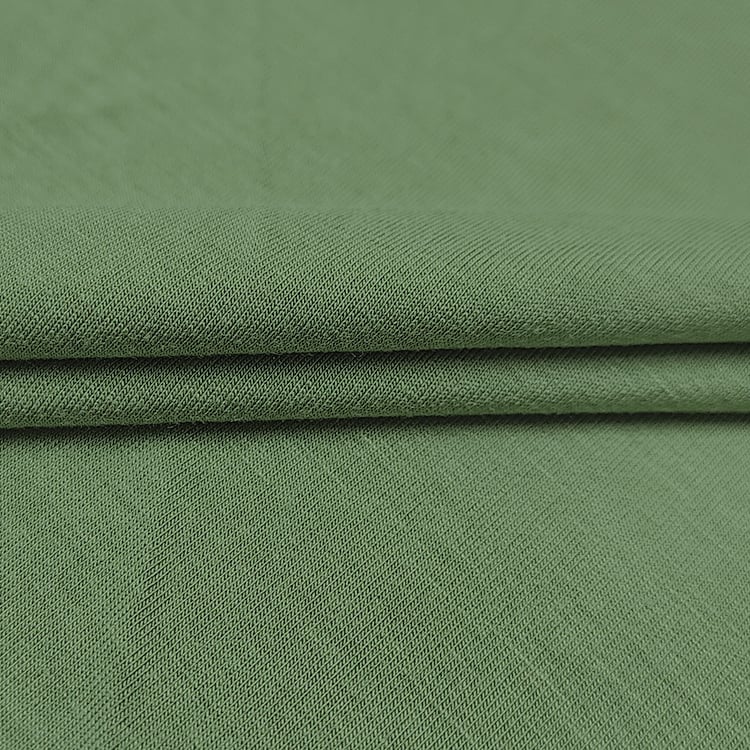
The global athletic apparel industry faces mounting pressure to reduce its environmental footprint, driving brands and manufacturers toward sustainable sportswear fabric solutions that balance performance demands with ecological responsibility. As consumers increasingly prioritize environmental values in their purchasing decisions, the shift toward eco-friendly textiles has transformed from a niche concern into a mainstream imperative across the sportswear sector. This transformation encompasses not only material innovation but also manufacturing processes, supply chain transparency, and end-of-life considerations that collectively define truly sustainable practices in performance textile production.
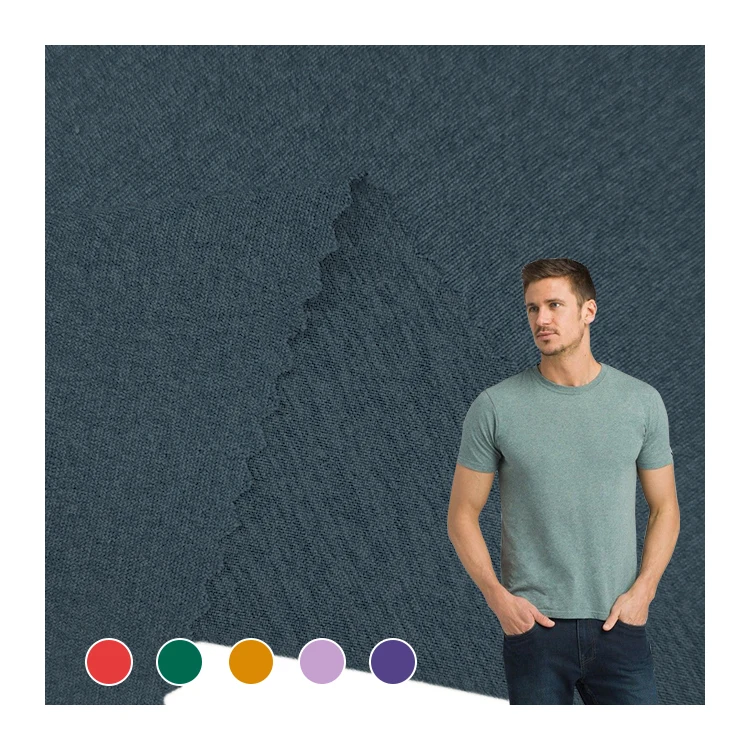
Understanding the full spectrum of eco-friendly fabric options available for athletic wear requires examining both established technologies and emerging innovations that address various sustainability challenges. From recycled synthetic fibers that divert plastic waste from oceans and landfills to organically grown natural materials cultivated without harmful pesticides, the landscape of sustainable sportswear fabric continues expanding with solutions tailored to different performance requirements, aesthetic preferences, and environmental priorities. This comprehensive exploration examines the most viable eco-friendly fabric options currently revolutionizing the sportswear industry, providing actionable insights for brands seeking to align product development with sustainability goals while maintaining the technical performance standards athletes and active consumers demand.
Recycled Synthetic Fibers in Performance Sportswear
Recycled Polyester Technology and Applications
Recycled polyester represents one of the most widely adopted sustainable sportswear fabric solutions in the athletic apparel industry, offering a compelling environmental alternative to virgin petroleum-based polyester while maintaining comparable performance characteristics. The production process typically involves collecting post-consumer plastic bottles or post-industrial textile waste, which undergoes mechanical or chemical recycling to break down the material into polymer chips that can be spun into new fibers. This approach diverts substantial volumes of plastic waste from landfills and oceans while reducing the energy consumption and carbon emissions associated with producing virgin polyester from crude oil by approximately thirty to fifty percent depending on the specific recycling methodology employed.
The technical performance of sustainable sportswear fabric made from recycled polyester has reached levels that meet or exceed the requirements for most athletic applications, including moisture management, quick-drying properties, durability, and colorfastness. Modern recycling technologies have overcome earlier limitations related to fiber strength and consistency, enabling manufacturers to create performance textiles suitable for high-intensity activities ranging from running and cycling to yoga and gym training. The versatility of recycled polyester allows for blending with other fibers such as spandex to achieve desired stretch characteristics, making it particularly suitable for form-fitting athletic garments that require both compression and flexibility.
Recycled Nylon and Ocean-Derived Materials
Recycled nylon has emerged as another crucial component of the sustainable sportswear fabric ecosystem, particularly valuable for applications requiring exceptional abrasion resistance, elasticity, and dimensional stability. Manufacturing processes convert discarded fishing nets, carpet fibers, and industrial nylon waste into regenerated nylon that delivers performance comparable to virgin material while significantly reducing environmental impact. Ocean-derived recycled nylon holds particular appeal for environmentally conscious brands and consumers due to the dual benefit of creating functional sportswear while actively removing plastic pollution from marine ecosystems, addressing one of the most visible and emotionally resonant environmental challenges facing global oceans.
The technical advantages of recycled nylon in sustainable sportswear fabric applications include superior strength-to-weight ratios, excellent recovery properties that maintain garment shape through repeated wear and washing cycles, and resistance to pilling that extends product lifespan. These characteristics make recycled nylon particularly suitable for compression garments, swimwear, and athletic apparel subjected to frequent friction or stress. The material's smooth texture and lustrous appearance also contribute to aesthetic appeal, enabling designers to create performance garments that meet contemporary style expectations while advancing sustainability objectives. Manufacturing innovations continue improving the environmental profile of recycled nylon production, with some processes achieving up to eighty percent reductions in carbon emissions compared to virgin nylon synthesis.
Blended Recycled Fabrics for Optimal Performance
Strategic blending of recycled polyester, recycled nylon, and elastomeric fibers enables fabric engineers to create sustainable sportswear fabric solutions optimized for specific performance requirements while maximizing recycled content. These engineered blends can deliver precisely calibrated characteristics including stretch percentages, moisture transport rates, thermal regulation properties, and compression levels tailored to particular athletic activities or garment types. A typical performance blend might combine ninety percent recycled polyester with ten percent spandex to achieve four-way stretch suitable for yoga pants or training tops, while maintaining excellent shape retention and breathability essential for comfort during physical activity.
The development of blended sustainable sportswear fabric formulations requires careful consideration of fiber compatibility, processing parameters, and end-use requirements to ensure consistent quality and performance. Manufacturers must balance recycled content percentages with technical performance standards, sometimes incorporating small amounts of virgin fiber to achieve specific properties that current recycling technologies cannot yet deliver at scale. However, continuous improvements in recycling processes and fiber engineering are steadily expanding the performance envelope of high-recycled-content fabrics, enabling brands to increase sustainability percentages without compromising the technical attributes athletes demand. This evolution supports the sportswear industry's transition toward circular economy models that minimize virgin resource extraction while maintaining product quality and functionality.
Plant-Based Natural Fibers for Athletic Applications
Organic Cotton in Sustainable Sportswear
Organic cotton presents a renewable alternative for sustainable sportswear fabric applications where natural fiber properties align with performance requirements, particularly in garments where softness, breathability, and moisture absorption are prioritized over rapid drying or extreme durability. Cultivation methods for organic cotton eliminate synthetic pesticides, herbicides, and genetically modified organisms while emphasizing soil health, water conservation, and farmer welfare, resulting in significantly reduced environmental impact compared to conventional cotton production. The environmental advantages extend beyond agricultural practices to include lower chemical processing requirements and biodegradability at end-of-life, supporting closed-loop material flows that contrast sharply with the persistence of synthetic materials in ecosystems.
Technical considerations for organic cotton sustainable sportswear fabric include its natural moisture absorption capacity, which provides comfort in low to moderate intensity activities but may create discomfort during high-sweat scenarios where quick-drying properties are essential. Innovations in fabric construction and finishing technologies have expanded organic cotton's applicability in athletic contexts through techniques such as specialized knitting patterns that enhance breathability, antimicrobial treatments derived from natural sources that reduce odor development, and blending with performance fibers that improve moisture management while maintaining high natural fiber content. These advancements enable organic cotton to serve effectively in categories including yoga apparel, casual athletic wear, warm-up garments, and recovery clothing where comfort and sustainability take precedence over maximum technical performance.
Bamboo-Derived Fibers and Sustainability Considerations
Bamboo-derived fibers have gained attention as potential sustainable sportswear fabric options due to the plant's rapid growth rate, minimal agricultural input requirements, and natural antimicrobial properties that translate into odor-resistant textiles. However, the sustainability profile of bamboo fabrics depends critically on processing methodology, with significant environmental differences between mechanically processed bamboo linen and chemically processed bamboo viscose or rayon. Mechanical processing preserves more of bamboo's inherent sustainability advantages but produces coarser fibers less suitable for soft, comfortable sportswear, while chemical processing creates silky, comfortable fabrics but involves potentially harmful solvents and energy-intensive production steps that diminish overall environmental benefits.
The performance characteristics of bamboo-based sustainable sportswear fabric include natural moisture-wicking properties, soft hand feel appreciated in base layers and next-to-skin garments, and the aforementioned antimicrobial qualities that help maintain freshness through extended wear. Closed-loop viscose production systems that capture and recycle processing chemicals represent an important advancement in improving the sustainability credentials of bamboo-derived fabrics, enabling manufacturers to retain performance advantages while minimizing environmental impact. Brands selecting bamboo fabrics for athletic applications should prioritize suppliers utilizing responsible processing technologies and transparent supply chains that demonstrate genuine sustainability improvements over conventional alternatives rather than simply capitalizing on bamboo's natural growth characteristics while employing environmentally problematic manufacturing methods.
Hemp and Other Alternative Plant Fibers
Hemp fabric represents an increasingly viable option for sustainable sportswear fabric applications, offering exceptional durability, natural UV resistance, and cultivation requiring minimal water and no pesticides while actually improving soil health through deep root systems and nutrient cycling. The fiber's inherent strength makes it particularly suitable for athletic garments requiring abrasion resistance and long-term durability, while ongoing innovations in processing technologies are addressing traditional limitations related to hand feel and softness that previously restricted hemp's use in performance apparel. Blending hemp with other natural or recycled fibers enables fabric developers to balance hemp's sustainability and durability advantages with softer textures and enhanced comfort characteristics desired in athletic wear.
Additional alternative plant fibers showing promise in sustainable sportswear fabric development include linen derived from flax cultivation, modal produced from beech tree pulp through environmentally responsible processes, and innovative materials extracted from agricultural waste streams such as pineapple leaves or banana plant fibers. Each option presents distinct environmental profiles, performance characteristics, and commercial readiness levels that manufacturers must evaluate against specific application requirements and sustainability priorities. The diversification of plant-based fiber sources supports agricultural biodiversity, reduces dependence on single-crop systems, and creates economic opportunities in diverse geographic regions while expanding the palette of sustainable options available to sportswear designers seeking alternatives to petroleum-based synthetics.
Innovative Bio-Based and Next-Generation Materials
Bio-Polyester and Bio-Nylon Developments
Bio-based versions of traditional synthetic polymers represent an emerging category of sustainable sportswear fabric that maintains the performance characteristics athletes demand while substituting renewable biological feedstocks for petroleum-derived raw materials. Bio-polyester production utilizes plant-derived sugars from sources such as corn, sugarcane, or castor beans as starting materials for polymerization, creating fibers chemically similar or identical to conventional polyester but with significantly reduced carbon footprints due to the renewable carbon captured during plant growth. These materials offer particular promise for brands seeking to reduce fossil fuel dependence while maintaining the technical performance profile that has made polyester dominant in athletic apparel categories.
Bio-nylon innovations follow similar principles, deriving nylon polymer precursors from renewable sources including castor oil rather than petroleum, resulting in sustainable sportswear fabric options that deliver nylon's characteristic strength, elasticity, and recovery properties from partially or fully bio-based raw materials. The performance equivalence between bio-based and petroleum-based versions of these polymers enables straightforward substitution in existing manufacturing processes and product formulations, facilitating adoption without requiring extensive reformulation or equipment modifications. Current limitations include higher costs compared to conventional synthetics and competition with food production for agricultural resources, though ongoing research focuses on utilizing non-food biomass sources and improving production efficiency to address these concerns as the technology scales.
Laboratory-Grown and Engineered Materials
Cutting-edge developments in sustainable sportswear fabric include laboratory-grown materials produced through fermentation processes, cellular agriculture, or precision engineering at the molecular level. These technologies enable creation of fibers with precisely designed performance characteristics while potentially eliminating many environmental impacts associated with both conventional agriculture and petroleum extraction. Examples include spider silk proteins produced through microbial fermentation, offering exceptional strength and elasticity from a fully renewable process, and mushroom-derived mycelium materials that can be grown into specific forms and textures suitable for various athletic applications.
The commercial viability of these next-generation sustainable sportswear fabric options continues improving as production processes scale and costs decline, though most remain in early commercialization phases with limited availability compared to established alternatives. The potential advantages include unprecedented control over material properties, minimal land and water requirements compared to agricultural production, and complete elimination of microplastic shedding concerns that affect synthetic materials. Brands investing in partnerships with material innovators can gain early access to differentiated sustainable fabrics that support positioning as sustainability leaders while contributing to the development ecosystem that will ultimately bring these technologies to mainstream affordability and availability.
Closed-Loop and Circular Material Systems
Truly circular approaches to sustainable sportswear fabric extend beyond selecting eco-friendly raw materials to encompass entire product lifecycles including design for recyclability, collection infrastructure, and technologies that enable repeated recycling without quality degradation. Chemical recycling processes that break polymers down to molecular building blocks enable theoretically infinite recycling of polyester and nylon materials, creating closed-loop systems where end-of-life garments become feedstock for new fiber production without downcycling or quality loss. These systems represent the ultimate realization of circular economy principles in textile applications, eliminating waste while dramatically reducing virgin resource extraction and associated environmental impacts.
Implementation of closed-loop sustainable sportswear fabric systems requires coordination across the entire value chain including garment design that facilitates disassembly and fiber separation, consumer engagement to support product returns, sorting technologies that efficiently separate material types, and recycling infrastructure capable of processing collected textiles at scale. Brands pioneering these approaches often begin with take-back programs that collect their own products for recycling, establishing controlled material streams that enable process optimization and quality control. As technologies mature and infrastructure expands, industry-wide circular systems may emerge that pool resources across multiple brands, achieving economies of scale that make truly circular sustainable sportswear fabric economically competitive with linear production models while delivering superior environmental performance.
Performance Testing and Quality Assurance for Eco-Friendly Fabrics
Standardized Testing Protocols for Athletic Textiles
Rigorous performance testing ensures that sustainable sportswear fabric meets the demanding requirements of athletic applications, with standardized protocols evaluating characteristics including tensile strength, tear resistance, abrasion resistance, dimensional stability, colorfastness, moisture management, and recovery properties. These tests provide objective data enabling manufacturers and brands to verify that eco-friendly alternatives deliver performance comparable to conventional materials, supporting confident specification decisions and meeting athlete expectations for garment durability and functionality. Industry-standard testing methodologies such as those developed by ASTM International and ISO provide consistent frameworks for evaluating and comparing materials across different suppliers and technologies.
Specific performance attributes critical for sustainable sportswear fabric vary by intended application, with compression garments requiring excellent elasticity and recovery, base layers demanding superior moisture transport, and outerwear needing weather resistance and durability. Testing protocols must therefore align with intended use cases to provide meaningful quality assurance, with fabric specifications tailored to particular garment categories rather than applying uniform standards across all athletic textile applications. Advanced testing facilities can simulate extended wear conditions including repeated washing cycles, exposure to chlorine or salt water, UV degradation, and mechanical stress patterns that garments experience during specific activities, providing predictive data about long-term performance that informs material selection and design decisions.
Environmental Performance Verification
Validating the environmental claims associated with sustainable sportswear fabric requires independent third-party certification and life cycle assessment that quantify actual environmental impacts across production stages including raw material cultivation or extraction, fiber processing, textile manufacturing, transportation, and end-of-life disposal or recycling. Recognized certification standards such as Global Recycled Standard, OEKO-TEX, bluesign, and Cradle to Cradle provide frameworks for evaluating and verifying sustainability attributes, offering brands credible documentation to support marketing claims and consumers assurance regarding environmental performance. These certifications typically encompass both environmental and social responsibility criteria, addressing labor conditions and chemical safety alongside ecological impact measures.
Life cycle assessment methodologies enable comprehensive comparison of environmental profiles across different sustainable sportswear fabric options, quantifying metrics including carbon footprint, water consumption, energy use, and pollution generation through standardized measurement approaches that facilitate meaningful comparison. These assessments often reveal that sustainability advantages concentrate in specific lifecycle stages, with recycled materials showing greatest benefits during raw material extraction while bio-based alternatives may excel in end-of-life biodegradability. Understanding these nuanced environmental profiles enables brands to align material selections with specific sustainability priorities and communicate transparently about actual environmental performance rather than relying on general sustainability claims that lack quantitative support.
Durability and Longevity Considerations
Product durability represents a critical but sometimes overlooked dimension of sustainable sportswear fabric performance, as extended garment lifespans directly reduce per-wear environmental impact regardless of raw material sustainability attributes. Fabrics that maintain appearance, fit, and functionality through hundreds of wear and wash cycles deliver superior overall sustainability compared to materials requiring more frequent replacement, distributing manufacturing impacts across greater utility. Testing protocols that evaluate long-term durability including pilling resistance, color retention, dimensional stability, and mechanical property retention after extended use provide essential data for predicting actual sustainability performance in consumer hands.
Design and construction decisions that complement sustainable sportswear fabric selection further enhance product longevity through reinforced stress points, quality seam construction, and finishes that protect fiber integrity during care and use. Brands committed to authentic sustainability increasingly recognize that material sustainability must combine with product durability and timeless design that resists rapid obsolescence, creating garments that consumers retain and use for years rather than discarding after brief periods. This holistic approach to sustainable product development recognizes that the most environmentally responsible garment is one that never needs replacement, making durability testing and design for longevity essential complements to eco-friendly material selection.
Supply Chain Transparency and Responsible Sourcing
Traceability Systems for Sustainable Materials
Implementing robust traceability systems enables brands to verify the origins and processing history of sustainable sportswear fabric, ensuring that materials marketed as recycled, organic, or otherwise environmentally responsible actually meet claimed specifications throughout complex global supply chains. Technologies including blockchain-based tracking, digital product passports, and certified chain-of-custody documentation provide mechanisms for following materials from source through multiple processing stages to finished fabric, creating transparency that supports both internal quality assurance and external communication with increasingly skeptical consumers demanding proof of sustainability claims.
The complexity of textile supply chains, often involving multiple countries and dozens of processing steps between raw material and finished garment, creates significant challenges for maintaining traceability and preventing fraud or misrepresentation. Effective traceability systems require cooperation from all supply chain participants including fiber producers, spinners, knitters or weavers, dyers and finishers, and garment manufacturers, with each stage documenting material inputs, processing methods, and outputs in formats that enable verification and auditing. Investment in these systems reflects commitment to authentic sustainability rather than superficial greenwashing, enabling brands to substantiate environmental claims with documented evidence that withstands scrutiny from regulators, advocacy organizations, and informed consumers.
Ethical Manufacturing and Social Responsibility
Comprehensive sustainability in sportswear extends beyond environmental attributes of sustainable sportswear fabric to encompass social responsibility throughout production processes including fair wages, safe working conditions, and respect for labor rights across global supply chains. Certifications such as Fair Trade, SA8000, and WRAP provide frameworks for evaluating and verifying social compliance, while increasingly sophisticated auditing processes help identify and address labor violations that often hide within complex, multi-tiered supplier networks. Brands genuinely committed to sustainability recognize that environmental responsibility cannot be separated from social responsibility, with both dimensions requiring active management and continuous improvement.
The geographic concentration of textile manufacturing in regions with weak labor protections and environmental regulations creates inherent risks that require proactive management through supplier selection, capacity building, and ongoing monitoring. Progressive brands invest in long-term supplier relationships that enable collaborative improvement rather than simply shifting orders when problems surface, recognizing that sustainable transformation requires partnership and mutual commitment. This approach supports development of genuinely responsible supply chains capable of delivering both environmental and social sustainability rather than simply meeting minimum compliance standards or playing audit games that create appearance of responsibility without substantive change in actual practices.
Regional Sourcing and Local Production Models
Nearshore or local sourcing of sustainable sportswear fabric can reduce transportation-related environmental impacts while improving supply chain visibility, responsiveness, and economic impacts in markets where garments are sold. Regional production models enable closer relationships between brands and manufacturers, facilitating collaboration on sustainability initiatives, quality control, and rapid response to market demands without lengthy shipping times and associated carbon emissions. These approaches align particularly well with consumer preferences for locally produced goods and support economic development in manufacturing regions while reducing supply chain complexity and associated risks.
The viability of regional sustainable sportswear fabric production depends on local availability of appropriate manufacturing infrastructure, raw materials, and skilled labor, with economic competitiveness influenced by labor costs, energy prices, regulatory environments, and logistics efficiency. Some regions offer compelling advantages for specific fabric types or production processes, enabling brands to strategically balance global and regional sourcing based on material characteristics, volume requirements, and sustainability priorities. Diversified sourcing strategies that combine regional and global suppliers can provide resilience against disruptions while optimizing sustainability performance across environmental, social, and economic dimensions.
FAQ
What makes a sportswear fabric truly sustainable beyond recycled content?
True sustainability in sportswear fabrics extends beyond recycled content to encompass the entire product lifecycle including raw material sourcing practices, manufacturing energy sources and efficiency, water consumption and pollution, chemical use and disposal, transportation impacts, product durability and longevity, and end-of-life recyclability or biodegradability. A comprehensive sustainability assessment considers carbon footprint, water footprint, ecosystem impacts, human health and safety throughout production, and circular economy compatibility. Additionally, social responsibility including fair labor practices represents an inseparable dimension of authentic sustainability. Fabrics achieving high recycled content percentages still require evaluation across these broader criteria to determine overall environmental performance, as processing methods, energy sources, and manufacturing locations significantly influence total impact regardless of raw material origins.
How does performance of eco-friendly sportswear fabric compare to conventional alternatives?
Modern sustainable sportswear fabric options have reached performance parity with conventional alternatives in most athletic applications, with high-quality recycled polyester and nylon delivering moisture management, durability, stretch, and recovery characteristics indistinguishable from virgin synthetic materials in blind testing. Continuous improvements in recycling technologies, fiber engineering, and fabric construction techniques have overcome early limitations that initially constrained sustainable materials to less demanding applications. Specific performance attributes vary by material type and intended use, with some eco-friendly options excelling in particular characteristics such as natural antimicrobial properties in bamboo or exceptional durability in hemp. Rigorous testing protocols enable objective performance validation, ensuring that sustainable alternatives meet demanding athletic requirements. The performance gap between sustainable and conventional sportswear fabrics has essentially closed for established technologies while continuing to narrow for emerging innovations.
What certifications should brands look for when sourcing sustainable sportswear fabrics?
Key certifications for sustainable sportswear fabric include Global Recycled Standard for verifying recycled content and responsible processing, OEKO-TEX Standard 100 for confirming absence of harmful chemicals, bluesign for comprehensive environmental and safety management throughout production, Global Organic Textile Standard for organic fiber verification and processing requirements, and Cradle to Cradle for holistic sustainability assessment across material health, recyclability, renewable energy use, water stewardship, and social fairness. Additional relevant certifications include Fair Trade for social responsibility, Forest Stewardship Council for cellulosic fibers from responsibly managed forests, and various national organic standards for agricultural inputs. No single certification addresses all sustainability dimensions, so comprehensive sourcing programs typically reference multiple standards aligned with specific priorities. Third-party verification through recognized certification programs provides credible documentation supporting sustainability claims while protecting against greenwashing accusations.
Can sustainable sportswear fabrics match the cost of conventional materials?
Cost competitiveness of sustainable sportswear fabric varies significantly by material type, production scale, and regional factors, with established recycled synthetic options approaching price parity with virgin alternatives as collection infrastructure matures and recycling technologies scale, while emerging bio-based and innovative materials typically command premium pricing reflecting current production volumes and development costs. Market dynamics including petroleum price fluctuations, regulatory pressures, and consumer demand influence relative economics, with sustainability advantages potentially offsetting higher material costs through brand positioning, customer loyalty, and regulatory compliance. Volume commitments enable more favorable pricing through production efficiencies and supply chain optimization, making sustainability more economically accessible for larger brands. Total cost of ownership including durability and product longevity may favor sustainable options even when initial material costs exceed conventional alternatives, particularly as carbon pricing and extended producer responsibility regulations increasingly internalize environmental costs currently externalized in conventional production systems.
Table of Contents
- Recycled Synthetic Fibers in Performance Sportswear
- Plant-Based Natural Fibers for Athletic Applications
- Innovative Bio-Based and Next-Generation Materials
- Performance Testing and Quality Assurance for Eco-Friendly Fabrics
- Supply Chain Transparency and Responsible Sourcing
-
FAQ
- What makes a sportswear fabric truly sustainable beyond recycled content?
- How does performance of eco-friendly sportswear fabric compare to conventional alternatives?
- What certifications should brands look for when sourcing sustainable sportswear fabrics?
- Can sustainable sportswear fabrics match the cost of conventional materials?