
 EN
EN



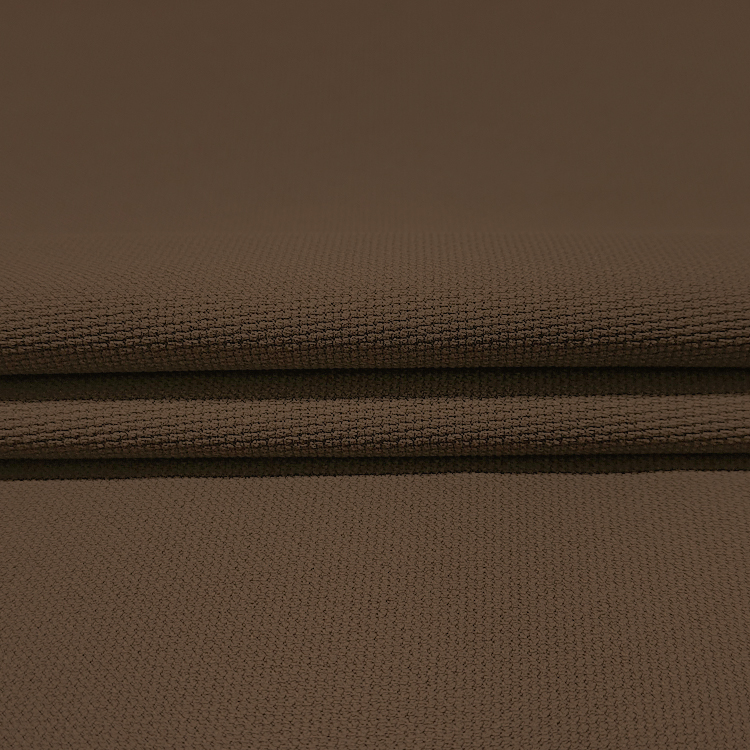
Modern sportswear performance hinges critically on the fabric technology used in garment construction, with moisture-wicking fabric representing the cornerstone innovation that separates professional athletic apparel from ordinary clothing. Whether athletes train at elite competition levels or consumers seek comfortable activewear for everyday fitness routines, understanding moisture-wicking fabric technology empowers better purchasing decisions and product specification choices. This comprehensive guide examines the engineering principles, material science, and practical applications that define contemporary moisture-wicking fabric systems used throughout the global sportswear industry.
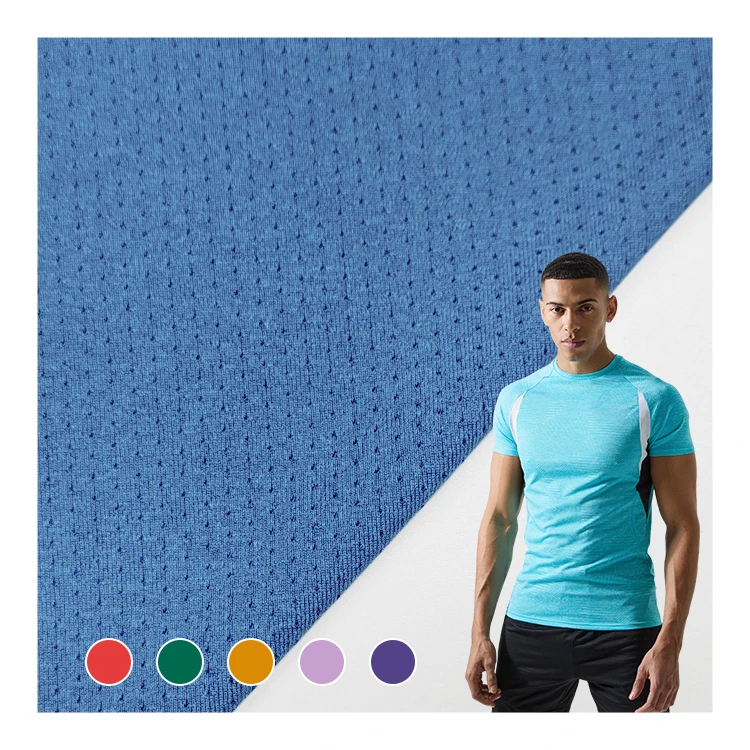
The evolution from cotton-based athletic wear to engineered synthetic moisture-wicking fabric systems transformed sports performance by addressing fundamental physiological challenges that athletes face during physical exertion. Traditional natural fibers absorb perspiration and retain moisture against the skin, creating discomfort, weight increase, and thermal regulation problems that compromise athletic output. Advanced moisture-wicking fabric technology solves these limitations through carefully designed fiber structures and chemical treatments that actively transport moisture away from skin surfaces toward outer fabric layers where evaporation occurs rapidly, maintaining optimal body temperature and enhancing comfort during extended activity periods.
Understanding Moisture-Wicking Fabric Engineering Principles
Capillary Action and Fiber Structure Fundamentals
The science underlying moisture-wicking fabric performance centers on capillary action, a physical phenomenon where liquid moves through narrow spaces without external forces like gravity or pressure. Synthetic fibers used in quality moisture-wicking fabric are engineered with microscopic channels and surface characteristics that create capillary pathways, pulling perspiration away from skin contact zones through differential pressure gradients. Polyester and polyamide fibers dominate moisture-wicking fabric construction because their hydrophobic core repels water while modified surface treatments create selective affinity that facilitates moisture transport along predetermined pathways within the fabric architecture.
Manufacturing processes for advanced moisture-wicking fabric often incorporate cross-sectional fiber modifications that enhance capillary performance beyond standard round fiber profiles. Triangular, quadrilateral, and multi-lobed fiber cross-sections increase surface area exposure and create additional microscopic channels that accelerate moisture movement through fabric structures. These engineered profiles in moisture-wicking fabric systems typically demonstrate fifteen to thirty percent improved moisture transport rates compared to conventional round-profile synthetic fibers, translating directly to measurable performance advantages during high-intensity athletic activities where rapid perspiration management proves essential.
Hydrophobic and Hydrophilic Balance in Performance Textiles
Effective moisture-wicking fabric requires precise balance between hydrophobic and hydrophilic characteristics within the material structure, creating a moisture gradient that drives liquid transport from skin-side layers to exterior surfaces. The interior fabric layer touching skin typically features hydrophobic treatment that prevents moisture absorption and encourages rapid transfer away from body contact, while exterior layers incorporate increased surface energy or hydrophilic modifications that facilitate spreading and evaporation. This engineered differential in moisture-wicking fabric construction establishes unidirectional transport that maintains dry comfort against skin even during sustained perspiration periods common in endurance sports and intensive training sessions.
Chemical finishing treatments applied during moisture-wicking fabric production significantly influence long-term performance characteristics and durability of moisture management properties. Permanent chemical modifications that alter fiber surface energy at molecular levels typically withstand fifty to one hundred industrial laundry cycles while maintaining consistent wicking performance, whereas topical treatments may degrade more rapidly with repeated washing and mechanical stress. Premium moisture-wicking fabric specifications include durable moisture management finishes that bond chemically with polymer chains in synthetic fibers, ensuring consistent performance throughout the expected lifespan of professional athletic garments subjected to frequent laundering and intensive use conditions.
Material Science Behind High-Performance Moisture-Wicking Fabric
Polyester and Polyamide Polymer Characteristics
Polyester fibers remain the dominant material choice for moisture-wicking fabric applications due to inherent material properties including excellent dimensional stability, resistance to degradation from perspiration salts, and capacity for permanent chemical modifications that enhance moisture transport characteristics. The polyethylene terephthalate polymer structure provides consistent performance across temperature ranges encountered in athletic applications while maintaining shape retention and elastic recovery essential for form-fitting sportswear designs. Modern polyester moisture-wicking fabric typically incorporates recycled content from post-consumer bottles and industrial polyester waste, addressing environmental sustainability concerns while delivering performance characteristics equivalent to virgin polymer materials.
Polyamide fibers, commonly marketed under nylon trade names, offer complementary advantages in moisture-wicking fabric systems particularly for applications requiring superior softness, drape characteristics, and abrasion resistance compared to polyester alternatives. Nylon-based moisture-wicking fabric demonstrates slightly higher moisture absorption capacity than polyester while still providing effective wicking performance through engineered fiber structures and chemical treatments. Blend constructions combining polyester and polyamide in moisture-wicking fabric designs leverage the strengths of both polymer families, optimizing cost-performance ratios for specific athletic applications ranging from running apparel to compression garments used in team sports and fitness training.
Elastane Integration for Stretch Performance
Contemporary moisture-wicking fabric specifications frequently incorporate elastane fibers, typically at ratios between three and fifteen percent by weight, to provide mechanical stretch and recovery properties essential for modern athletic apparel designs. Elastane integration in moisture-wicking fabric systems enables compression fit characteristics that support muscle groups during activity while maintaining consistent fabric contact necessary for optimal moisture transport performance. The addition of stretch fiber content requires careful engineering to preserve moisture-wicking effectiveness, as elastane itself exhibits poor moisture management properties and can impede liquid transport if improperly integrated into fabric structures.
Knit construction techniques used in elastane-containing moisture-wicking fabric determine whether stretch characteristics enhance or compromise moisture management performance. Interlock and jersey knit structures that position elastane yarns strategically within the fabric architecture maintain open channels for moisture transport while delivering multi-directional stretch properties demanded by athletic applications. Quality moisture-wicking fabric containing elastane demonstrates consistent performance across repeated stretch cycles, with elastic recovery maintained above ninety percent after five hundred extension cycles at typical use strains, ensuring long-term dimensional stability and continued moisture management effectiveness throughout garment service life.
Manufacturing Technologies for Advanced Moisture-Wicking Fabric
Knitting and Weaving Construction Methods
Knit construction dominates moisture-wicking fabric manufacturing for sportswear applications due to inherent advantages including superior stretch characteristics, comfortable hand feel, and structural porosity that facilitates air circulation and moisture vapor transmission. Circular knitting technologies produce seamless tubular moisture-wicking fabric structures that minimize material waste and enable efficient high-volume production of athletic apparel components. Warp knitting methods generate moisture-wicking fabric with directionally oriented properties suitable for compression garments and targeted support applications where specific mechanical characteristics align with body movement patterns during athletic activity.
Woven moisture-wicking fabric finds application in sportswear categories requiring enhanced durability, wind resistance, or dimensional stability compared to knit alternatives, particularly in outerwear, shorts, and specialized athletic equipment where fabric strength and tear resistance prove critical. Modern weaving technologies incorporate microfiber yarns and high-density construction that maintains breathability while providing protective barrier properties. Hybrid fabric systems combining woven and knit zones within single garment constructions optimize moisture-wicking fabric performance by strategically placing material types according to localized functional requirements across different body regions.
Finishing Processes and Chemical Treatments
Post-production finishing processes critically determine final moisture-wicking fabric performance characteristics and differentiate premium athletic textiles from commodity synthetic materials. Mechanical finishing including calendering, brushing, and heat-setting establishes surface texture, fabric hand, and dimensional stability while potentially modifying moisture transport properties through altered surface topography. Chemical finishing treatments applied to moisture-wicking fabric encompass moisture management agents, antimicrobial compounds that prevent odor-causing bacterial growth in perspiration-dampened textiles, and UV protection additives that safeguard athletes from solar radiation during outdoor training and competition.
Quality control protocols for finished moisture-wicking fabric include standardized testing methods that quantify moisture management performance through metrics including wetting time, absorption rate, spreading speed, and drying rate measured under controlled laboratory conditions. Industry-standard testing procedures such as AATCC 195 moisture management tester protocols provide objective performance data that enables specification comparison across different moisture-wicking fabric suppliers and validates manufacturer claims regarding moisture transport characteristics. Premium moisture-wicking fabric specifications typically demonstrate wetting times under five seconds, one-way transport indices exceeding three hundred percent, and complete drying within thirty minutes under standard testing conditions.
Application Considerations for Moisture-Wicking Fabric Selection
Performance Requirements Across Athletic Disciplines
Different sports and athletic activities impose distinct performance requirements on moisture-wicking fabric, necessitating material selection that aligns with specific physiological demands, environmental conditions, and movement patterns characteristic of each discipline. Endurance activities including distance running, cycling, and triathlon demand moisture-wicking fabric with maximum vapor transmission rates and minimal weight to support extended exertion periods where cumulative perspiration volumes challenge moisture management systems. Team sports featuring intermittent high-intensity bursts require moisture-wicking fabric that responds rapidly to sudden perspiration increases while providing durability against abrasion and mechanical stress from player contact and equipment friction.
Cold weather athletic applications require moisture-wicking fabric as a foundation baselayer that removes perspiration from skin contact while minimizing evaporative cooling that could compromise thermal comfort during outdoor winter sports. Specialized moisture-wicking fabric for cold conditions typically features brushed interior surfaces that trap insulating air while maintaining capillary channels for liquid transport, and slightly heavier fabric weights that balance moisture management with thermal retention. Conversely, hot climate applications prioritize maximum breathability and rapid evaporation, often employing open-structure moisture-wicking fabric with mesh zones and lightweight construction that facilitates convective cooling and moisture vapor dissipation.
Garment Design Integration and Construction Techniques
Effective athletic apparel design maximizes moisture-wicking fabric performance through strategic pattern placement, seam construction methods, and garment fit characteristics that work synergistically with material properties. Body mapping approaches position different moisture-wicking fabric weights and structures according to regional perspiration rates, placing maximum ventilation and moisture transport capacity in high-sweat zones including underarms, back, and chest regions while using supportive compression fabrics in areas requiring muscle stabilization. Seamless construction technologies eliminate potential friction points and create uninterrupted moisture transport pathways across garment surfaces, particularly beneficial in endurance applications where extended skin contact makes comfort paramount.
Seam construction in moisture-wicking fabric garments significantly impacts overall moisture management effectiveness and wearer comfort during athletic activity. Flatlock seam construction minimizes bulk and creates smooth interior surfaces that prevent chafing while maintaining structural integrity across repeated extension cycles. Bonded seam technologies using thermoplastic adhesives eliminate stitching entirely in critical comfort zones, creating streamlined moisture-wicking fabric garments with reduced weight and enhanced aesthetics preferred in competitive athletics and premium activewear markets. Appropriate seam selection must consider the mechanical properties of specific moisture-wicking fabric compositions, as high-stretch materials require seam constructions that match fabric extensibility to prevent seam failure during use.
Maintenance and Care for Moisture-Wicking Fabric Performance
Laundering Best Practices and Detergent Selection
Proper laundering practices directly influence long-term performance retention in moisture-wicking fabric garments, as chemical residues, mechanical stress, and thermal exposure during cleaning cycles can progressively degrade moisture management properties. Technical detergents formulated specifically for synthetic athletic textiles provide optimal cleaning effectiveness without depositing residues that clog microscopic capillary channels essential for moisture transport in performance fabrics. Conventional laundry detergents containing fabric softeners, optical brighteners, or residue-forming additives should be avoided when washing moisture-wicking fabric, as these compounds coat fiber surfaces and substantially reduce wicking performance even after single wash cycles.
Water temperature and mechanical action during laundering significantly impact moisture-wicking fabric durability and performance longevity. Cold to warm water temperatures between fifteen and forty degrees Celsius preserve fiber integrity and chemical finishing treatments while providing adequate cleaning for typical athletic soil loads including perspiration salts, body oils, and environmental particulates. Excessive mechanical agitation and extended wash cycles increase fabric abrasion and accelerate degradation of surface treatments, making gentle or delicate wash settings preferable for premium moisture-wicking fabric garments. Air drying or tumble drying at low temperatures prevents heat-induced fiber damage and dimensional changes that compromise fit and moisture management characteristics in finished athletic apparel.
Storage Conditions and Performance Preservation
Appropriate storage conditions between use cycles help preserve moisture-wicking fabric performance characteristics and extend serviceable garment lifespan. Athletic apparel should be stored in cool, dry environments away from direct sunlight, as prolonged UV exposure degrades synthetic fibers and causes premature deterioration of moisture-wicking fabric properties. Hanging storage for moisture-wicking fabric garments prevents compression creases that can impact fabric structure and appearance, though folded storage remains acceptable for most knit constructions that recover readily from temporary deformation. Clean storage is essential, as residual perspiration salts and body oils remaining in unwashed moisture-wicking fabric support bacterial growth and cause progressive degradation of fiber structures and chemical treatments during extended storage periods.
Periodic performance assessment helps identify when moisture-wicking fabric garments require replacement due to accumulated wear and degraded moisture management capabilities. Observable indicators including reduced drying speed after laundering, persistent dampness during athletic activity, and loss of fabric recovery after stretching suggest diminished wicking performance. Most quality moisture-wicking fabric maintains functional performance through fifty to one hundred wash cycles under proper care conditions, though actual service life varies significantly based on use frequency, activity intensity, and maintenance practices. Professional athletic programs and commercial fitness facilities typically establish replacement schedules for moisture-wicking fabric garments based on accumulated use hours and wash cycles rather than calendar time to ensure consistent performance for users.
FAQ
What makes moisture-wicking fabric different from regular cotton athletic wear?
Moisture-wicking fabric actively transports perspiration away from skin through engineered capillary structures within synthetic fibers, whereas cotton absorbs moisture and retains it within the fiber structure. This fundamental difference means moisture-wicking fabric keeps skin drier during activity, dries much faster after exercise, and maintains lighter weight when wet compared to cotton alternatives. The hydrophobic nature of synthetic moisture-wicking fabric prevents the heavy, clingy feel associated with sweat-saturated cotton garments, directly improving athletic comfort and temperature regulation during physical activity.
How long does moisture-wicking fabric maintain its performance properties?
Quality moisture-wicking fabric typically maintains effective performance through fifty to one hundred proper wash cycles, though actual longevity depends on care practices, use intensity, and initial fabric quality. Premium moisture-wicking fabric with durable chemical finishes and well-engineered fiber structures can provide consistent moisture management for two to three years under regular athletic use with appropriate maintenance. Performance degradation occurs gradually rather than suddenly, with users noticing progressively slower drying times and reduced comfort during activity as moisture transport capabilities diminish over the garment lifespan.
Can moisture-wicking fabric be effectively used in cold weather sports?
Moisture-wicking fabric serves as an essential baselayer component in cold weather athletic systems by removing perspiration from skin contact before it can create evaporative cooling that compromises thermal comfort. Cold-specific moisture-wicking fabric often features brushed interior surfaces for warmth retention while maintaining capillary moisture transport, and slightly heavier weights that balance wicking performance with insulation properties. Effective cold weather layering systems always incorporate moisture-wicking fabric next to skin, with insulating mid-layers and weather-protective outer layers completing the thermal management system necessary for outdoor winter athletic activities.
Does higher price always indicate better moisture-wicking fabric performance?
Price correlates imperfectly with moisture-wicking fabric performance, as cost reflects multiple factors including fiber quality, manufacturing precision, finishing treatments, brand positioning, and design complexity beyond basic moisture management capabilities. Premium-priced moisture-wicking fabric typically offers superior durability, more consistent performance across repeated laundering, better construction quality, and enhanced comfort characteristics compared to budget alternatives. However, mid-range moisture-wicking fabric from reputable technical textile manufacturers often provides excellent moisture management performance adequate for most athletic applications at substantially lower cost than luxury sportswear brands. Evaluating specific technical specifications and standardized test data provides more reliable performance assessment than price alone when selecting moisture-wicking fabric for athletic applications.
Table of Contents
- Understanding Moisture-Wicking Fabric Engineering Principles
- Material Science Behind High-Performance Moisture-Wicking Fabric
- Manufacturing Technologies for Advanced Moisture-Wicking Fabric
- Application Considerations for Moisture-Wicking Fabric Selection
- Maintenance and Care for Moisture-Wicking Fabric Performance
-
FAQ
- What makes moisture-wicking fabric different from regular cotton athletic wear?
- How long does moisture-wicking fabric maintain its performance properties?
- Can moisture-wicking fabric be effectively used in cold weather sports?
- Does higher price always indicate better moisture-wicking fabric performance?