
 EN
EN




When choosing between recycled polyester fabric and cotton, buyers face a decision that affects product performance, environmental impact, and long-term cost. Both materials carry strong reputations in the textile industry, but they serve different needs. Understanding where recycled polyester fabric excels — and where it does not — helps brands, designers, and procurement teams make smarter sourcing decisions.
This comparison covers sustainability credentials, functional performance, and cost considerations to give you a complete, practical picture. Whether you are sourcing recycled polyester fabric for activewear, casualwear, or workwear, the insights below will help you determine which material is the right fit for your application.
Sustainability: How Recycled Polyester Fabric Compares to Cotton
The Environmental Footprint of Recycled Polyester Fabric
Recycled polyester fabric is produced primarily from post-consumer plastic waste, most commonly PET bottles. This process significantly reduces the volume of plastic entering landfills and oceans. Compared to virgin polyester, producing recycled polyester fabric uses considerably less energy and generates fewer carbon emissions. For brands with ambitious sustainability targets, recycled polyester fabric represents a meaningful step toward circular production models.
Recycled polyester fabric also avoids the land and water demands that burden conventional textile production. Since recycled polyester fabric starts from existing plastic waste rather than virgin petroleum, it removes pressure on non-renewable fossil fuel resources. Many certification programs, including GRS (Global Recycled Standard), now verify whether recycled polyester fabric genuinely meets traceable recycled content requirements.
Cotton's Environmental Strengths and Limitations
Conventional cotton is a natural fiber with biodegradability advantages, but it carries a significant environmental cost. Cotton cultivation consumes enormous volumes of water and often relies on pesticides and fertilizers that impact soil and local ecosystems. Organic cotton improves on these metrics but remains land-intensive and slower to scale compared to recycled polyester fabric. For buyers prioritizing water conservation and land efficiency, recycled polyester fabric holds a clear environmental advantage over standard cotton in most lifecycle assessments.
Performance: Where Recycled Polyester Fabric Leads
Durability and Care Advantages of Recycled Polyester Fabric
Recycled polyester fabric delivers strong durability that cotton typically cannot match. Recycled polyester fabric resists shrinking, stretching, and color fading far more effectively than cotton after repeated washing. This makes recycled polyester fabric a preferred choice for activewear, sportswear, and any garment expected to endure frequent laundering. Brands producing high-wear items consistently find that recycled polyester fabric retains its shape and appearance over a longer product lifespan.
Moisture management is another area where recycled polyester fabric outperforms cotton. Recycled polyester fabric wicks moisture away from the skin quickly, keeping wearers dry during physical activity. Cotton, by contrast, absorbs moisture and can feel heavy and damp during exercise. For performance-oriented product lines, recycled polyester fabric offers functional benefits that directly improve the end-user experience.
Comfort and Breathability Considerations
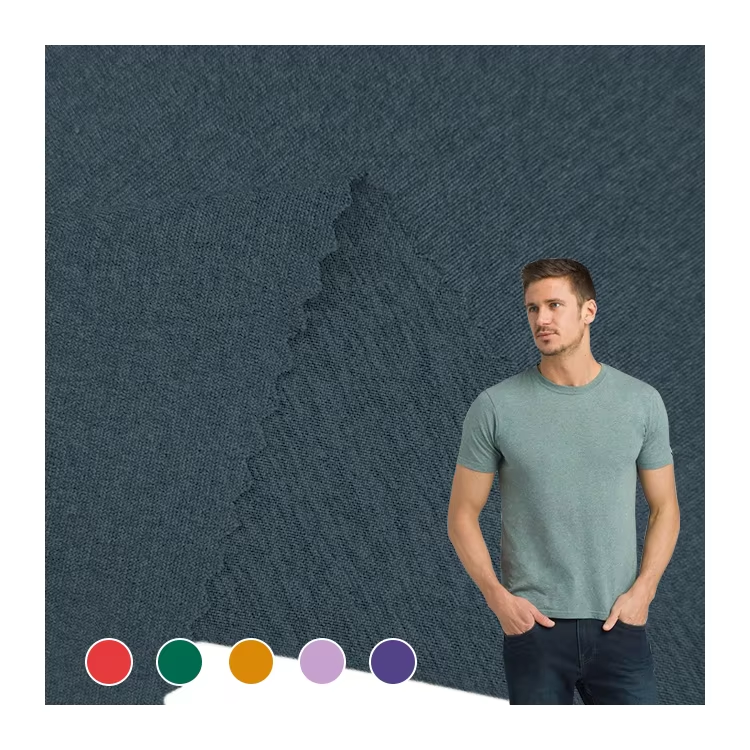
Cotton has historically led discussions on comfort and breathability, and it remains a strong choice for leisurewear and everyday basics. However, advances in knitting and finishing technology mean that recycled polyester fabric can now achieve soft, skin-friendly textures that rival cotton in casual and lifestyle categories. Blends that combine recycled polyester fabric with spandex or other fibers further enhance drape, stretch, and wearability. Recycled polyester fabric in single jersey constructions, for example, delivers a smooth hand feel well-suited for T-shirts and base layers where comfort is a priority.
Cost and Scalability: The Business Case for Recycled Polyester Fabric
Pricing Dynamics Between Recycled Polyester Fabric and Cotton
Cotton prices fluctuate significantly based on global harvests, weather events, and commodity market dynamics. Recycled polyester fabric pricing is generally more stable because it is tied to industrial plastic processing rather than agricultural cycles. For manufacturers and brands planning seasonal production, the price predictability of recycled polyester fabric offers a useful buffer against raw material cost volatility. While premium certified recycled polyester fabric may carry a modest cost premium over standard polyester, it often remains competitive with mid-grade cotton on a per-unit basis.
Recycled polyester fabric also scales efficiently. Because recycled polyester fabric can be produced in consistent quality at large volumes, it supports fast-turnaround production requirements common in sportswear and private-label apparel. Cotton at comparable quality tiers can face supply inconsistencies that disrupt lead times. For sourcing managers, recycled polyester fabric offers a reliable and scalable material option across multiple product categories.
Which Applications Favor Recycled Polyester Fabric Over Cotton
Recycled polyester fabric is the stronger choice for activewear, outdoor apparel, swimwear-adjacent products, and any garment requiring moisture management and shape retention. Recycled polyester fabric also suits uniform programs and workwear where durability and easy care are critical. Cotton remains preferred for items where natural feel and breathability in warm, dry conditions are the main drivers, such as traditional dress shirts or summer basics. However, as recycled polyester fabric technology improves, its range of suitable applications continues to expand into categories once dominated by cotton.
FAQ
Is recycled polyester fabric better for the environment than cotton?
In most lifecycle comparisons, recycled polyester fabric has a lower water footprint and land impact than conventional cotton. Recycled polyester fabric is made from plastic waste, reducing landfill pressure and reliance on fossil fuels. However, recycled polyester fabric does release microplastics during washing, which is an ongoing area of industry research. Overall, recycled polyester fabric is widely regarded as the more resource-efficient choice for most modern textile applications.
Can recycled polyester fabric feel as soft as cotton?
Yes, modern recycled polyester fabric can achieve a soft, comfortable texture that competes directly with cotton in many end uses. When recycled polyester fabric is constructed in fine-gauge single jersey knits or blended with spandex, the resulting fabric feels smooth and flexible. Recycled polyester fabric finishes have improved significantly, and many consumers cannot distinguish the softness of quality recycled polyester fabric from cotton in everyday garments.
What certifications should I look for when sourcing recycled polyester fabric?
The Global Recycled Standard (GRS) is the most widely recognized certification for recycled polyester fabric, verifying that the recycled content is traceable and accurately represented. OEKO-TEX certification is also relevant for recycled polyester fabric used in skin-contact garments, confirming that the fabric meets safety standards for harmful substances. When sourcing recycled polyester fabric, always request documentation to confirm the recycled content percentage and any relevant certifications.