
 EN
EN



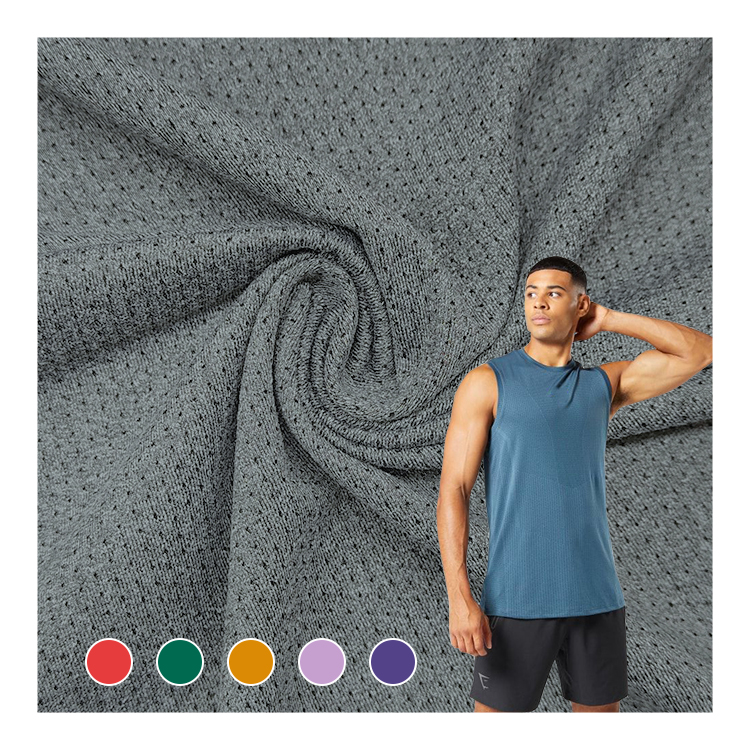
Keeping your loungewear fabric soft over time is not a matter of luck — it is a result of consistent, informed care. Every loungewear fabric has a unique fiber structure, and the way you wash, dry, and store each piece directly determines how long that signature softness survives. Whether you are working with a lyocell blend, a rayon viscose mix, or a classic french terry construction, understanding what your loungewear fabric needs is the first step toward preserving it.
This guide covers the essential care practices that apply to loungewear fabric across different fiber compositions. From temperature control during washing to the right folding method during storage, each decision you make affects the long-term feel of your loungewear fabric. The goal is not simply to clean the fabric — it is to protect its structure, maintain its drape, and ensure that every wear feels as comfortable as the first.
Understanding Your Loungewear Fabric Composition
Why Fiber Type Defines Care Needs
Before applying any care routine, you need to identify what your loungewear fabric is made of. Loungewear fabric commonly features natural cellulosic fibers such as lyocell, rayon, and viscose, often blended with a small percentage of elastane to add stretch. Each of these fibers responds differently to heat, agitation, and chemical exposure. A loungewear fabric with a high lyocell content, for example, tends to be more heat-sensitive than a cotton-dominant blend. Knowing your loungewear fabric composition means you can choose the right wash cycle, water temperature, and detergent from the start.
French terry loungewear fabric presents its own care profile. This looped construction traps warmth and creates a plush feel, but aggressive washing can distort the loops and reduce that cushioned texture. When your loungewear fabric uses french terry, turning the garment inside out before washing protects the surface loops from friction. Understanding the structure of your loungewear fabric — not just the fiber content — is equally important when building a reliable care routine.
Reading the Care Label on Loungewear Fabric
Every piece of loungewear fabric comes with a care label that provides manufacturer-tested guidance. These instructions are based on the specific blend and construction of that loungewear fabric, making them the most accurate reference you have. When a loungewear fabric label recommends cold wash and low-heat drying, that recommendation exists because higher temperatures can shrink fibers, weaken elastane, or cause pilling. Following the label precisely extends the lifespan of your loungewear fabric and prevents irreversible texture damage from the first wash onward.
Washing and Drying Loungewear Fabric Correctly
Temperature and Cycle Selection for Loungewear Fabric
The washing temperature is one of the most critical variables when caring for loungewear fabric. Most loungewear fabric types, especially those containing rayon, viscose, or lyocell, perform best in cool or lukewarm water. Hot water weakens the cellulose fiber bonds within loungewear fabric, leading to shrinkage and a rougher surface texture over time. A gentle or delicate wash cycle reduces mechanical agitation, which is particularly important for loungewear fabric with a brushed or fleece-like finish. Reducing agitation preserves the fiber alignment that gives loungewear fabric its characteristic softness.
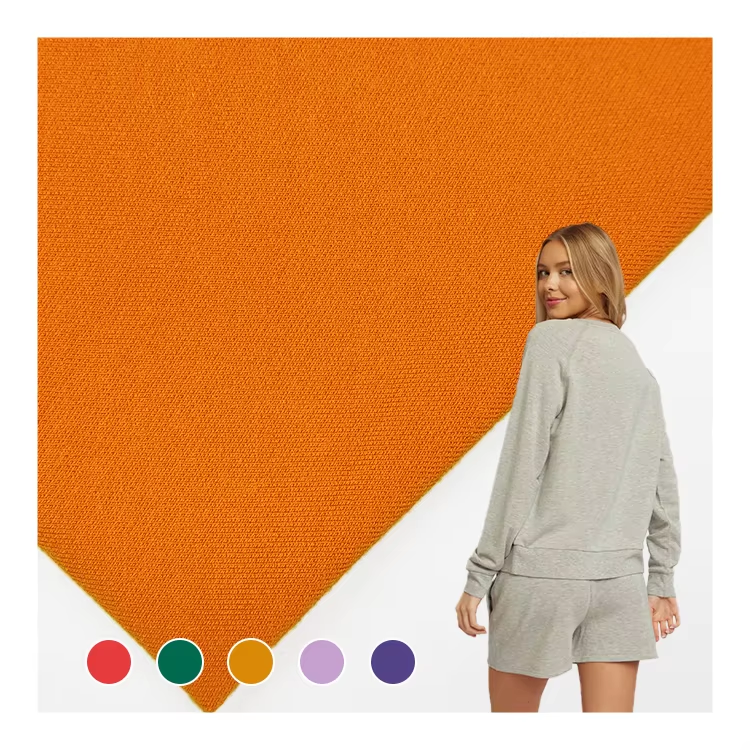
Using a mild, pH-neutral detergent is equally essential for loungewear fabric care. Harsh detergents strip the natural moisture from fibers, leaving loungewear fabric feeling stiff or scratchy after repeated washing. Avoid fabric softeners that contain silicone buildup agents, as these can coat loungewear fabric fibers and reduce breathability over time. A small amount of a gentle detergent formulated for delicate fabrics is sufficient to clean loungewear fabric without compromising its texture.
Drying Methods That Preserve Loungewear Fabric Softness
How you dry your loungewear fabric is just as important as how you wash it. High heat from a tumble dryer can cause loungewear fabric to shrink unevenly, particularly when elastane is part of the blend. If machine drying is necessary, select the lowest heat setting and remove the loungewear fabric while it is still slightly damp to prevent over-drying. Air drying on a flat surface is the most gentle method for loungewear fabric, as it maintains the garment's original shape and prevents fiber stress caused by hanging weight while wet. Direct sunlight should be avoided during air drying, since UV exposure can fade loungewear fabric color and degrade fiber quality over time.
Storage and Long-Term Care for Loungewear Fabric
Folding Versus Hanging Loungewear Fabric
Storage choices have a meaningful impact on the condition of your loungewear fabric between wears. Hanging loungewear fabric garments, especially heavier pieces made from french terry or thick blends, can cause the fabric to stretch and deform along the shoulder seams. Folding loungewear fabric and storing it flat or in a breathable drawer is the preferred approach for maintaining garment shape. When folding, avoid compressing loungewear fabric too tightly, as sustained pressure on looped or brushed surfaces can flatten the texture and reduce the soft, cushioned feel that defines quality loungewear fabric.
Protecting Loungewear Fabric During Long-Term Storage
For seasonal storage, ensure that your loungewear fabric is completely clean and dry before packing it away. Storing loungewear fabric with any moisture or residue can lead to mildew growth or fiber degradation. Breathable cotton storage bags are preferable to airtight plastic containers for loungewear fabric, as proper air circulation prevents humidity buildup. Avoid storing loungewear fabric near direct heat sources or in areas with fluctuating temperatures, as these conditions accelerate fiber breakdown. With the right storage environment, quality loungewear fabric can retain its softness and structure across many seasons of regular use.
FAQ
How often should I wash my loungewear fabric?
The washing frequency for loungewear fabric depends on usage intensity. For daily wear loungewear fabric, washing after every two to three uses is generally appropriate. Over-washing loungewear fabric accelerates fiber wear, so washing only when necessary helps preserve softness and extend garment life.
Can I use fabric softener on loungewear fabric?
Traditional fabric softeners can be used sparingly on loungewear fabric, but silicone-based formulas may coat the fibers and reduce breathability over time. A better alternative for loungewear fabric is white vinegar added to the rinse cycle, which softens fibers naturally without leaving chemical residue.
Why does my loungewear fabric feel rough after washing?
Roughness in loungewear fabric after washing is usually caused by high water temperature, harsh detergents, or over-drying. Switching to a cool wash cycle, a mild detergent, and air drying your loungewear fabric will typically restore softness within a few wash cycles.