
 EN
EN



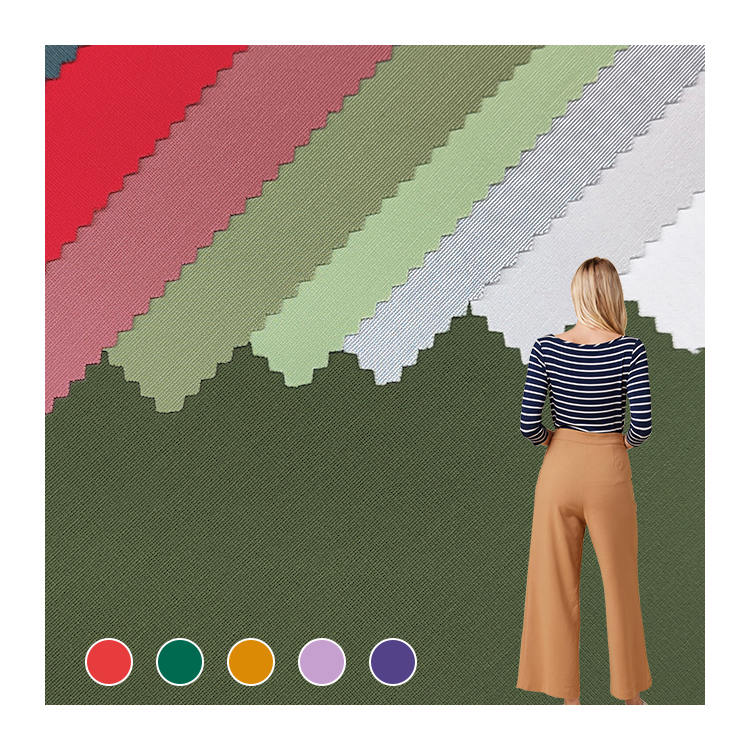
Choosing the right loungewear fabric is one of the most important decisions any apparel brand, retailer, or designer makes when developing a comfortable clothing line. Loungewear fabric directly affects how garments feel against the skin, how they perform after repeated washing, and how appealing they look on the retail shelf or product page. Whether you are sourcing in bulk or sampling for a new collection, understanding loungewear fabric fundamentals gives you a clear competitive edge.
This shopping guide is designed to walk you through everything you need to know about selecting premium loungewear fabric. From material types and performance characteristics to sourcing tips and quality checks, this guide covers the practical knowledge that helps buyers make confident, informed decisions. Good loungewear fabric does not happen by accident — it is chosen with purpose and expertise.
Understanding Loungewear Fabric Types
Rayon and Viscose Loungewear Fabric
Rayon and viscose are among the most widely used options in the loungewear fabric category. These semi-synthetic fibers are derived from natural cellulose and are known for their smooth, silky hand feel and excellent drape. Loungewear fabric made from rayon or viscose tends to be lightweight and breathable, making it ideal for relaxed-fit garments like wide-leg pants, casual tops, and robes. The material absorbs moisture efficiently, which adds to the comfort factor during extended wear. When sourcing rayon-based loungewear fabric, buyers should pay close attention to fabric weight, as this affects how the finished garment flows and hangs on the body.
Lyocell and French Terry Loungewear Fabric
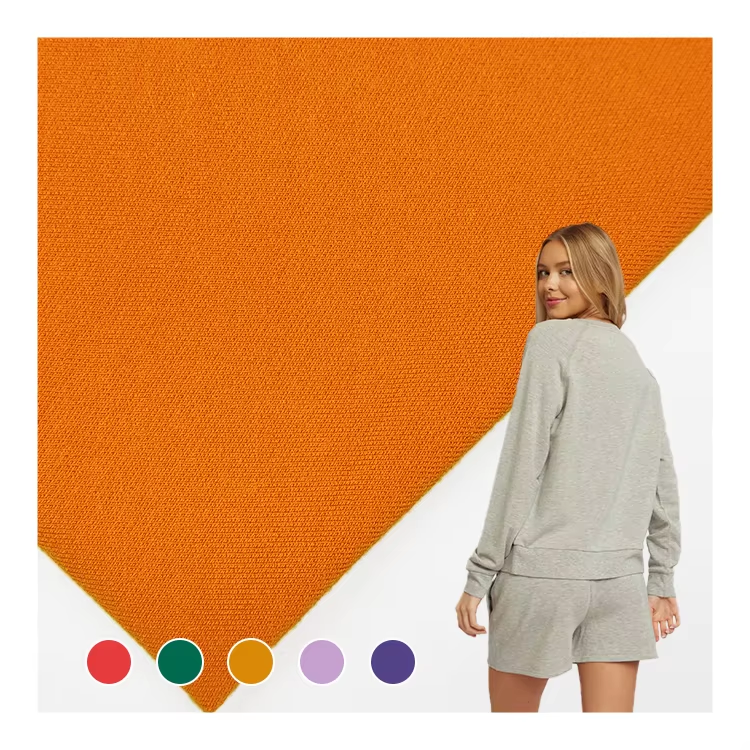
Lyocell is a premium loungewear fabric fiber that has gained strong popularity in sustainable fashion. It is produced through a closed-loop manufacturing process, meaning the solvents used are recycled and waste is minimal. Loungewear fabric made from lyocell offers exceptional softness, good moisture management, and a smooth surface that resists pilling. French terry is another highly valued loungewear fabric construction. Unlike traditional terry cloth, french terry has a smooth face and looped back, offering a clean, modern appearance with excellent stretch recovery. When blended with elastane, french terry loungewear fabric gains added flexibility, making it perfect for joggers, sweatshirts, and co-ord sets that need to move with the wearer.
Key Quality Factors When Shopping for Loungewear Fabric
Fabric Weight and GSM
GSM, or grams per square meter, is the standard measure used to describe the weight of loungewear fabric. Lightweight loungewear fabric in the range of 120 to 180 GSM works well for breathable summer pieces, while mid-weight loungewear fabric between 200 and 280 GSM is more suitable for structured or cooler-season collections. Selecting the wrong GSM for your intended product category is a common sourcing mistake. Always request physical swatches and review the GSM specification clearly stated in the product data sheet. A reliable loungewear fabric supplier will always be transparent about weight and fiber composition.
Elastane Content and Stretch Performance
Many premium loungewear fabric constructions incorporate a small percentage of elastane or spandex to enhance stretch and shape retention. Typically, loungewear fabric with 3 to 8 percent elastane provides enough flexibility for everyday movement without compromising the soft, relaxed drape that consumers expect. When evaluating stretch performance in loungewear fabric, buyers should test both two-way and four-way stretch behavior. Four-way stretch loungewear fabric is ideal for activewear crossover styles, while two-way stretch loungewear fabric suits more classic relaxed-fit cuts. Understanding how elastane content interacts with the base fiber helps you match the right loungewear fabric to the right garment silhouette.
Colorfastness and Wash Durability
A premium loungewear fabric must retain its color, texture, and softness through many wash cycles. Colorfastness testing is essential when evaluating any loungewear fabric for retail-level production. Poor dye penetration or reactive dye instability can cause the loungewear fabric to fade quickly, triggering returns and damaging brand reputation. Ask your loungewear fabric supplier for wash test certifications or conduct in-house tests on sample yardage before committing to bulk orders. Quality loungewear fabric should also resist shrinkage. Pre-shrinking or pre-washing the loungewear fabric before cutting and sewing is a standard practice in professional garment production.
Practical Tips for Sourcing Premium Loungewear Fabric
Requesting Samples and Comparing Options
Before placing any bulk order for loungewear fabric, always request fabric samples. Physical handling of loungewear fabric tells you far more than any digital description or product image. Touch the fabric surface, stretch it, hold it against light, and wash a small piece to observe how it behaves. Compare multiple loungewear fabric options side by side to evaluate differences in hand feel, weight, and surface finish. This sample-first approach protects your investment and helps you source the right loungewear fabric for your specific product needs. Many fabric mills and wholesale suppliers offer sample cutting services at minimal or no cost to serious buyers.
Evaluating Supplier Reliability and Fabric Consistency
Sourcing premium loungewear fabric at scale requires working with suppliers who can deliver consistent quality across every order. Fabric color, weight, and width must remain stable from one production batch to the next. When evaluating a loungewear fabric supplier, ask about their quality control process, dye lot management practices, and fabric inspection procedures. A trustworthy loungewear fabric supplier will provide full transparency on fiber origin, fabric specifications, and testing certifications. Consistent loungewear fabric quality is the backbone of a professional apparel production process, and selecting the right sourcing partner is as important as selecting the right loungewear fabric itself.
FAQ
What is the most comfortable loungewear fabric for everyday wear?
Lyocell and french terry are widely regarded as the most comfortable loungewear fabric options for everyday use. Lyocell loungewear fabric is exceptionally soft and breathable, while french terry loungewear fabric offers a cozy texture with good stretch recovery. For warm climates, a lightweight rayon or viscose loungewear fabric is also an excellent choice due to its breathability and smooth drape.
How do I choose the right GSM for my loungewear fabric order?
Choosing the right GSM depends on the intended use of the loungewear fabric and the season of wear. Lightweight loungewear fabric at 120 to 180 GSM suits summer or layering pieces, while heavier loungewear fabric at 220 to 300 GSM works best for winter styles or structured silhouettes. Always request physical swatches to assess how the loungewear fabric feels and moves at a specific GSM before finalizing your order.
Is elastane necessary in premium loungewear fabric?
Elastane is not strictly necessary in all loungewear fabric, but it significantly improves fit and comfort in many applications. Adding a small percentage of elastane to loungewear fabric enhances stretch, shape retention, and overall wearability. For relaxed-fit or oversized styles, pure rayon or lyocell loungewear fabric without elastane may be perfectly suitable, while close-fitting or active-inspired loungewear fabric benefits greatly from elastane blending.