
 EN
EN



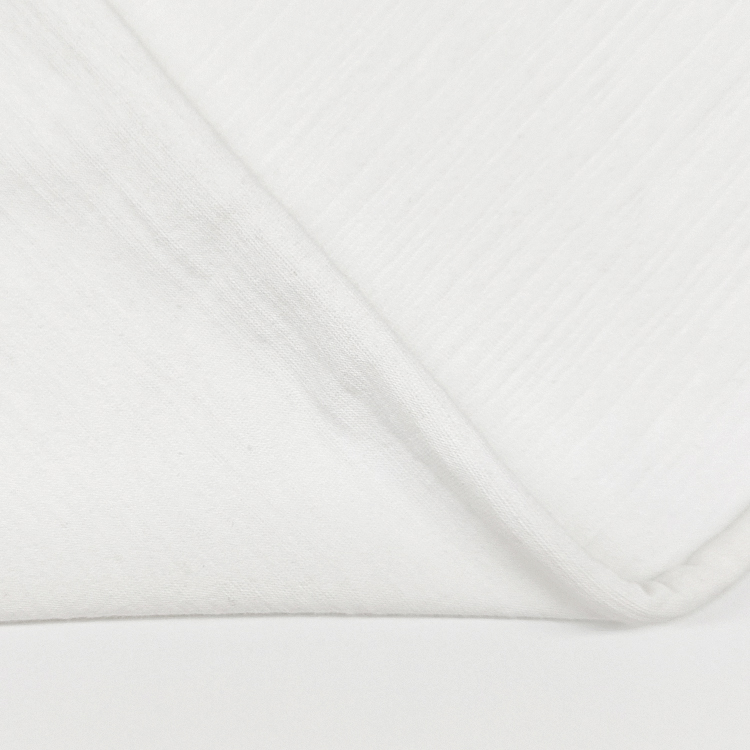
Choosing the right loungewear fabric has become one of the most meaningful decisions for anyone committed to sustainable living. As consumers grow more aware of the environmental costs behind everyday clothing, the demand for eco-conscious loungewear fabric options has expanded rapidly. Whether you are building a capsule wardrobe or sourcing materials for a brand, understanding which loungewear fabric aligns with green values is essential to making genuinely responsible choices.
Sustainable loungewear fabric is no longer a niche category. Today, material innovation has produced a wide range of textiles that combine comfort, softness, and low environmental impact. From plant-based fibers to recycled blends, each type of loungewear fabric carries distinct properties that affect both the wearer's experience and the planet's resources. This article walks through the most relevant sustainable loungewear fabric options available for eco-minded consumers and designers alike.
Why Fabric Choice Defines Sustainable Loungewear
The Environmental Weight of Conventional Loungewear Fabric
Conventional loungewear fabric choices, especially those relying heavily on virgin synthetics or chemically intensive cotton, carry a significant ecological burden. Polyester-based loungewear fabric, while durable and affordable, contributes to microplastic pollution with every wash cycle. Standard cotton loungewear fabric demands enormous water consumption and often involves pesticide use that degrades soil health over time. Recognizing these impacts is the first step toward selecting a loungewear fabric that genuinely supports eco living.
Sustainable loungewear fabric addresses these concerns by prioritizing renewable inputs, closed-loop production processes, and biodegradable fiber profiles. When a loungewear fabric is made from responsibly sourced raw materials and processed with reduced chemical waste, it delivers a meaningfully lower carbon footprint. For brands and consumers pursuing transparency, the origin and certification of a loungewear fabric matter just as much as its hand feel or drape.
Certifications That Signal a Responsible Loungewear Fabric
Not all eco claims around loungewear fabric are equal. Recognized certifications such as OEKO-TEX, GOTS, and FSC provide third-party verification that a loungewear fabric meets specific environmental and safety standards. When evaluating any loungewear fabric for sustainable sourcing, looking for certified options removes much of the guesswork. A certified loungewear fabric signals that the textile production chain has been audited for harmful substance limits, water treatment practices, and ethical labor conditions.
Top Sustainable Loungewear Fabric Materials
Lyocell as a Leading Eco-Friendly Loungewear Fabric
Lyocell has emerged as one of the most celebrated sustainable loungewear fabric choices in recent years. Produced from wood pulp through a closed-loop solvent process, lyocell loungewear fabric recycles over 99% of the chemicals used in production, making it one of the cleanest fiber manufacturing processes available. The resulting loungewear fabric is exceptionally soft, breathable, and moisture-wicking, qualities that make it ideal for relaxed, all-day wear. Lyocell loungewear fabric is also naturally biodegradable, which means it does not persist in landfills the way synthetic alternatives do.
For brands seeking a premium sustainable loungewear fabric that performs across seasons, lyocell blends offer additional advantages. When lyocell is combined with elastane or viscose, the resulting loungewear fabric gains stretch and recovery properties without sacrificing its eco-friendly core. A loungewear fabric that blends lyocell with elastane delivers the comfort of natural fiber with the functional fit that modern activewear-influenced loungewear demands.
French Terry as a Versatile Sustainable Loungewear Fabric
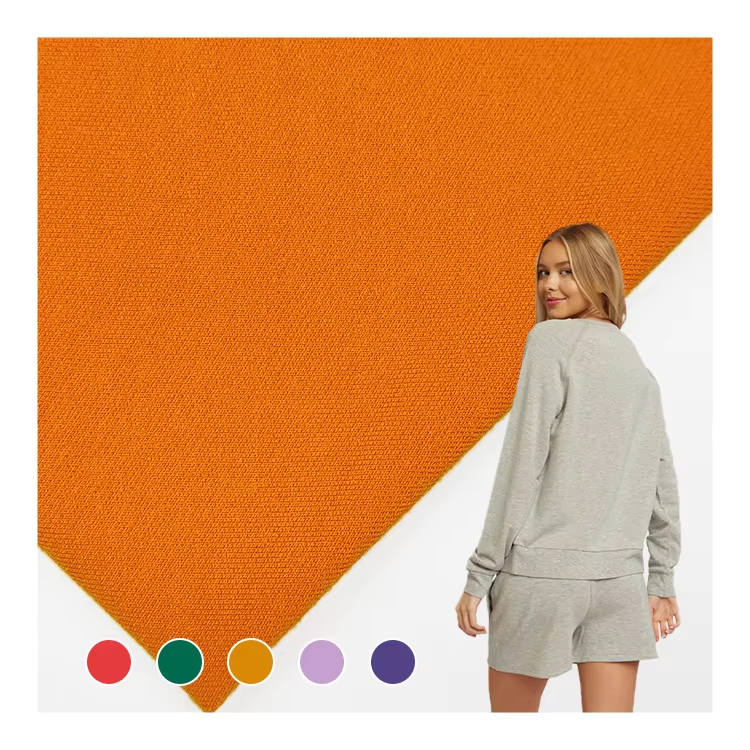
French terry is another standout loungewear fabric option for those prioritizing sustainability without compromising on texture or warmth. When produced from organic cotton, recycled rayon, or lyocell-based yarns, french terry loungewear fabric delivers a looped interior that provides softness and light insulation. This loungewear fabric is widely used in sweatshirts, joggers, and relaxed sets because of its adaptable weight and ease of movement. A sustainably sourced french terry loungewear fabric balances environmental responsibility with the functional demands of everyday home and leisure wear.
The construction of french terry loungewear fabric also makes it suitable for a range of climates. Its smooth outer surface and looped inner layer create a loungewear fabric that feels comfortable against the skin year-round. When this loungewear fabric is made from recycled or low-impact fibers, it becomes a strong choice for eco-conscious brands looking to offer versatile, responsible pieces at accessible price points.
Rayon and Viscose Blends in Sustainable Loungewear Fabric
Rayon and viscose are semi-synthetic fibers derived from plant cellulose, making them a plant-based alternative within the loungewear fabric category. While conventional rayon production has faced criticism for chemical-intensive processing, responsibly certified rayon loungewear fabric using cleaner production methods presents a more viable eco option. Viscose-based loungewear fabric is prized for its silky drape, lightweight feel, and breathability, characteristics that translate well into relaxed silhouettes. When blended with elastane, this type of loungewear fabric offers added stretch and shape retention, making it practical for fitted loungewear styles.
Selecting the Right Sustainable Loungewear Fabric for Your Needs
Matching Loungewear Fabric Properties to Lifestyle Requirements
Selecting the most suitable sustainable loungewear fabric depends on the specific comfort and performance needs of the wearer. For those who prioritize softness and temperature regulation, lyocell loungewear fabric is often the best starting point. Those who prefer a slightly heavier, more structured feel may find that french terry loungewear fabric better serves their needs. For warmer climates or lightweight layering, a rayon or viscose loungewear fabric offers excellent breathability and a fluid silhouette.
Beyond personal preference, sourcing decisions should factor in the fiber's end-of-life impact. A loungewear fabric that is biodegradable or recyclable at the end of its use cycle contributes meaningfully to a circular approach to fashion. Considering the full lifecycle of a loungewear fabric — from raw material to disposal — is what separates truly sustainable choices from surface-level green claims.
Wholesale and Production Considerations for Sustainable Loungewear Fabric
For brands and manufacturers, sourcing sustainable loungewear fabric at scale requires reliable supply partners who maintain consistent quality and certification standards. The availability of lyocell french terry loungewear fabric in wholesale formats has grown significantly, making it increasingly accessible to small and mid-size brands. When evaluating wholesale loungewear fabric suppliers, it is important to assess not only price but also fiber traceability and production ethics. A cost-effective loungewear fabric that meets both sustainability and quality benchmarks enables brands to offer genuinely eco-conscious products without compromising margins.
FAQ
What makes lyocell a preferred sustainable loungewear fabric?
Lyocell is preferred as a sustainable loungewear fabric because it is produced through a closed-loop process that recovers most of the solvents used, minimizing chemical waste. It is soft, breathable, biodegradable, and derived from renewable wood sources, making it one of the most environmentally responsible loungewear fabric choices available.
Is french terry loungewear fabric suitable for year-round wear?
Yes, french terry loungewear fabric is well-suited for year-round wear. Its looped interior provides light warmth during cooler months while the smooth outer surface keeps it from feeling too heavy in mild temperatures. When made from sustainable fibers, french terry loungewear fabric is both comfortable and eco-responsible across seasons.
How do rayon and viscose blends compare to lyocell as a loungewear fabric?
Rayon and viscose loungewear fabric offer a silkier, more fluid drape compared to the crisp softness of lyocell loungewear fabric. Both are plant-derived, but lyocell typically has a cleaner production profile. Rayon and viscose blends with elastane deliver excellent stretch and recovery, making them a practical loungewear fabric option for form-fitting or movement-oriented styles.