
 EN
EN



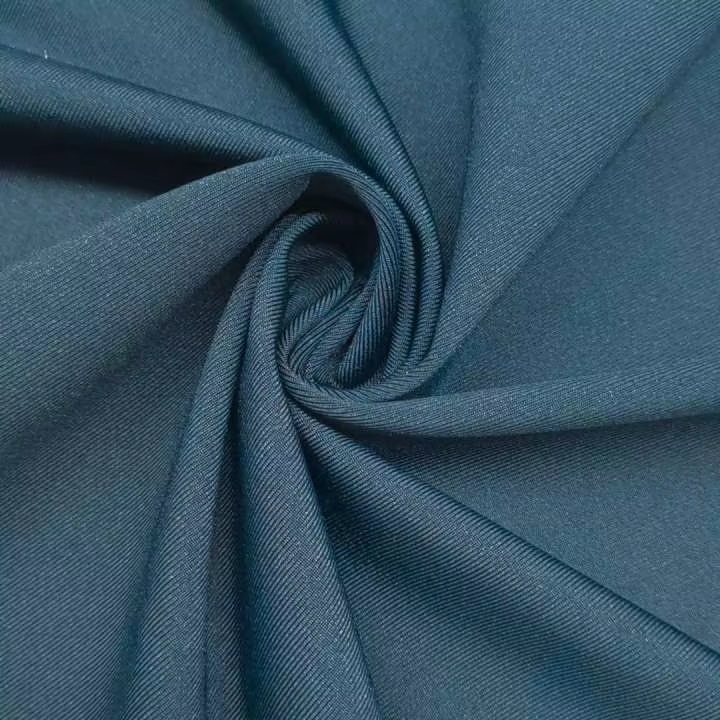
Choosing the right loungewear fabric is one of the most important decisions in designing or purchasing comfortable everyday garments. The loungewear fabric you select directly influences how a garment feels against the skin, how it holds its shape over time, and how well it performs during extended wear at home. With so many options available today, understanding the distinct properties of each loungewear fabric type helps both buyers and designers make smarter, more satisfying choices.
The global demand for high-quality loungewear fabric has grown significantly, driven by shifting consumer lifestyles and the rise of work-from-home culture. People now expect their loungewear fabric to deliver not just softness, but also durability, breathability, and visual appeal. Whether you are sourcing loungewear fabric for a fashion label or selecting it for personal use, knowing which loungewear fabric types excel in comfort and performance is essential. This article covers the top loungewear fabric options and explains what makes each one uniquely suited for relaxed, comfortable living.
Natural and Semi-Synthetic Loungewear Fabric Options
Rayon and Viscose Loungewear Fabric
Rayon and viscose loungewear fabric are among the most popular choices in the market today. Both are semi-synthetic fibers derived from natural cellulose, making this type of loungewear fabric exceptionally soft and lightweight. Rayon and viscose loungewear fabric drape beautifully, allowing garments to move fluidly with the body rather than restricting motion. This loungewear fabric is also highly breathable, which makes it suitable for warm environments or for people who tend to sleep warm.
One key advantage of rayon and viscose loungewear fabric is its moisture-absorbing quality. This loungewear fabric draws perspiration away from the skin, helping the wearer stay fresh and comfortable during extended periods of rest or light activity. However, this loungewear fabric does require gentle care during washing, as it can be prone to shrinkage if exposed to high heat. For brands seeking a soft, affordable, and drape-rich loungewear fabric, rayon and viscose remain a leading solution.
Lyocell Loungewear Fabric
Lyocell loungewear fabric, often recognized under the trade name Tencel, represents a more sustainable evolution of cellulose-based loungewear fabric. This loungewear fabric is produced using a closed-loop manufacturing process that recycles solvents, significantly reducing environmental impact compared to conventional rayon loungewear fabric. Lyocell loungewear fabric is smooth, strong, and highly absorbent, offering a silky handfeel that consumers consistently associate with premium comfort.
In terms of performance, lyocell loungewear fabric resists bacterial growth more effectively than many other fiber types, which is particularly valuable in garments worn close to the skin for long periods. This loungewear fabric also maintains its shape well through repeated washing, making it a durable choice for everyday loungewear collections. Brands targeting eco-conscious consumers should consider lyocell loungewear fabric as a high-value, sustainable alternative that does not compromise on comfort or quality.
Stretch and Performance Loungewear Fabric
Elastane-Blended Loungewear Fabric
Elastane, commonly known as spandex, is rarely used alone but plays a transformative role when blended into a base loungewear fabric. Even a small percentage of elastane in a loungewear fabric blend, typically between two and five percent, adds significant stretch recovery and shape retention. This type of blended loungewear fabric is ideal for fitted loungewear pieces such as joggers, leggings, and close-fitting tops where freedom of movement is critical.
When elastane is combined with rayon, viscose, or lyocell, the resulting loungewear fabric inherits the softness and breathability of the base fiber while gaining excellent elastic performance. This makes the blended loungewear fabric more resilient and longer-lasting than non-stretch alternatives. For any brand offering form-fitting loungewear styles, incorporating elastane into the loungewear fabric blend is a practical and commercially sound decision.
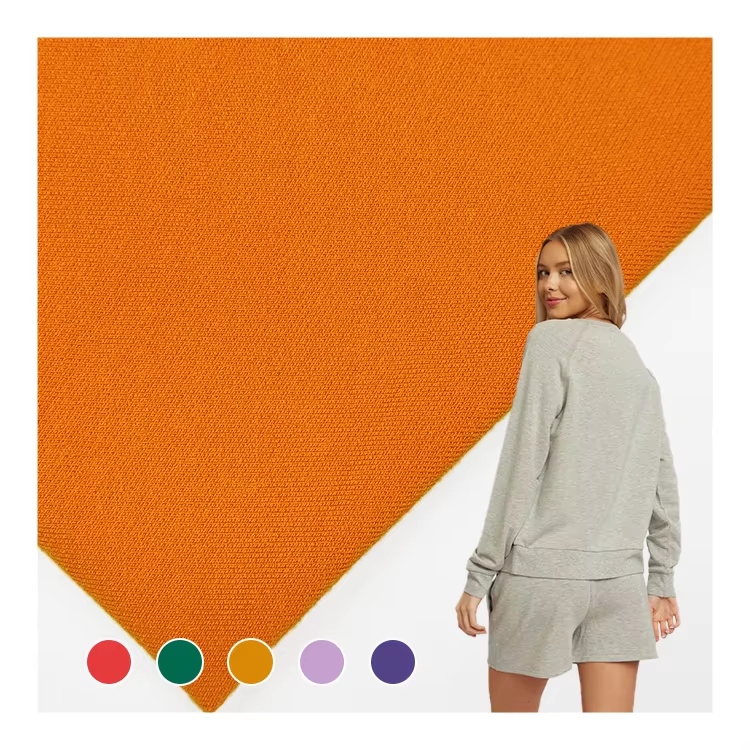
French Terry Loungewear Fabric
French terry loungewear fabric is a knit construction characterized by loops on the interior surface and a smooth exterior face. This distinctive structure makes french terry loungewear fabric highly absorbent while remaining lighter than traditional terry cloth. The interior loops of this loungewear fabric trap air and provide a gentle cushioning effect, adding to the overall comfort experience. French terry loungewear fabric is widely used in hoodies, sweatpants, and robes because of this balanced weight and texture profile.
French terry loungewear fabric also adapts well to a wide range of fiber blends. Cotton-based french terry loungewear fabric is breathable and familiar, while blends incorporating recycled polyester or modal create a french terry loungewear fabric with enhanced softness or sustainability credentials. The versatility of french terry loungewear fabric makes it one of the most commercially reliable choices for mid-weight loungewear collections across all seasons.
Selecting the Right Loungewear Fabric for Your Needs
Matching Loungewear Fabric to End Use
The ideal loungewear fabric varies depending on the specific garment, climate, and consumer expectations. For lightweight, flowy styles such as camisoles and wide-leg pants, a rayon or lyocell loungewear fabric delivers the softness and fluid movement that consumers seek. For structured but comfortable pieces like pull-on shorts or casual blazers, a french terry loungewear fabric or an elastane-blended loungewear fabric provides the necessary body and recovery. Matching the loungewear fabric type to the end use ensures both functional performance and customer satisfaction.
Quality Indicators in Loungewear Fabric Sourcing
When sourcing loungewear fabric at scale, quality indicators such as GSM (grams per square meter), fiber content accuracy, colorfastness, and shrinkage rate are critical evaluation criteria. A reliable loungewear fabric supplier should provide consistent lot-to-lot quality, clear technical data sheets, and compliance with relevant textile safety standards. Investing in well-specified loungewear fabric from the outset reduces returns, improves brand reputation, and builds consumer loyalty over time. Understanding the technical profile of each loungewear fabric type empowers sourcing teams to ask the right questions and select materials with confidence.
FAQ
What is the softest loungewear fabric for sensitive skin?
Lyocell loungewear fabric is widely regarded as one of the softest options for sensitive skin. This loungewear fabric has a smooth fiber surface that minimizes irritation, and its natural moisture management properties help keep the skin dry and comfortable. Rayon and viscose loungewear fabric also rank highly for softness and are suitable for most skin types.
Is french terry loungewear fabric suitable for all seasons?
French terry loungewear fabric is most commonly associated with cooler months due to its looped interior structure, which provides mild insulation. However, lighter-weight versions of french terry loungewear fabric in breathable blends can perform well in transitional weather. The versatility of this loungewear fabric makes it a year-round option when the GSM and fiber content are selected appropriately.
How does elastane improve a loungewear fabric blend?
Adding elastane to a loungewear fabric blend introduces stretch and recovery that allows garments to move with the body and return to their original shape after wear. Even a small amount of elastane transforms a standard loungewear fabric into a high-performance material suitable for active or fitted styles. This improvement in elasticity makes the loungewear fabric more durable and comfortable for extended daily use.