
 EN
EN



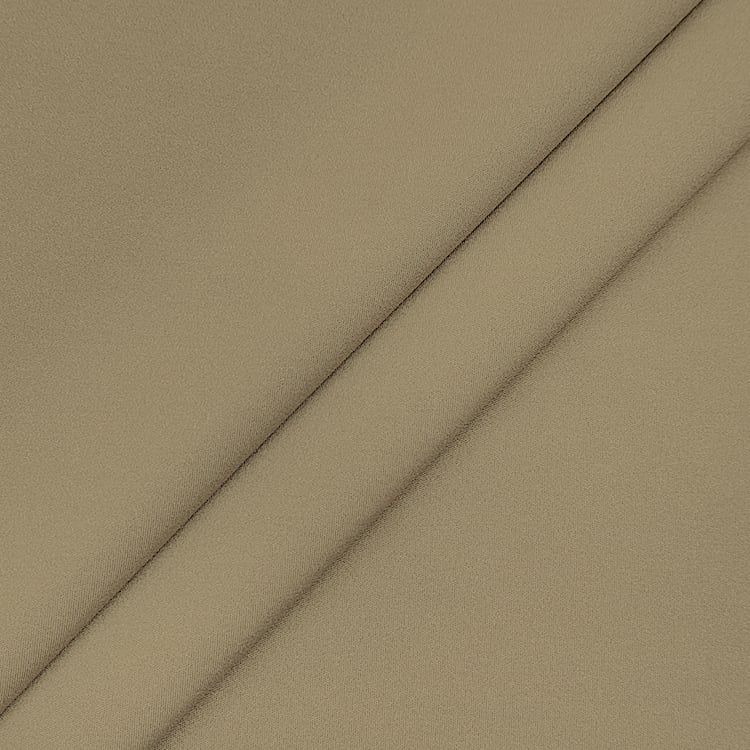
Working with scuba fabric requires specialized techniques and understanding of its unique properties to achieve professional results. This double-knit polyester material combines stretch, structure, and durability in ways that differ significantly from traditional woven fabrics, making proper sewing methods essential for successful garment construction.
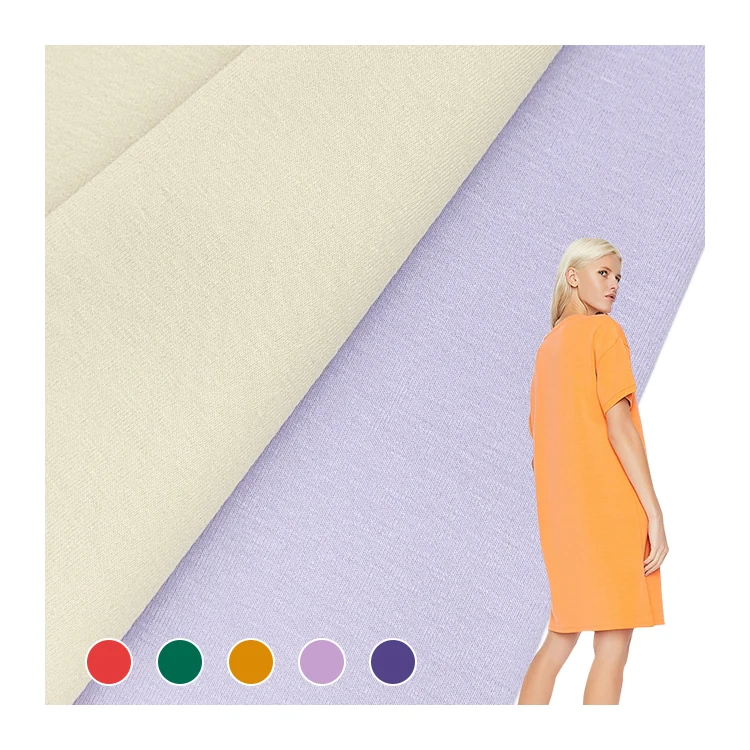
The key to mastering scuba fabric lies in adapting your sewing approach to accommodate its stable stretch characteristics and medium weight structure. Unlike lightweight knits that can distort easily or heavy materials that resist manipulation, scuba fabric offers a balanced working experience when handled with the right techniques and equipment settings.
Understanding Scuba Fabric Properties for Optimal Sewing
Stretch and Recovery Characteristics
Scuba fabric typically contains 5-10% elastane or spandex, providing controlled stretch primarily in the crosswise direction while maintaining stability lengthwise. This directional stretch behavior affects how you should cut, handle, and sew the material to prevent unwanted distortion during construction.
The fabric's recovery properties mean it returns to its original shape after stretching, but excessive pulling during sewing can create permanent distortion. Understanding this balance helps you apply appropriate tension when feeding the material through your machine and prevents wavy seams or puckering.
When working with scuba fabric, test the stretch percentage by folding a 4-inch section and measuring how far it extends comfortably without resistance. This measurement guides your ease calculations and helps determine appropriate seam allowances for different garment areas.
Weight and Drape Considerations
Most scuba fabric weighs between 250-350 GSM, creating a substantial feel that supports structured silhouettes while remaining flexible enough for fitted designs. This weight affects needle selection, thread choice, and pressing techniques throughout the construction process.
The fabric's moderate drape means it holds shape well without being overly stiff, making it ideal for garments that need both structure and movement. However, this characteristic also means traditional gathering techniques may not work as expected, requiring alternative methods for creating volume or shaping.
Scuba fabric tends to show stress marks and needle holes more readily than lighter knits, making precision important in seam placement and construction sequence. Planning your construction order carefully prevents unnecessary handling that could mark or damage the fabric surface.
Essential Equipment and Settings for Scuba Fabric
Needle and Thread Selection
Choose ballpoint or stretch needles in size 80/12 or 90/14 for optimal results with scuba fabric. The ballpoint tip separates fibers rather than piercing them, reducing the risk of runs or holes that can weaken seam integrity over time.
Polyester thread provides the best compatibility with scuba fabric, offering similar stretch properties and wash characteristics. Avoid cotton thread, which lacks elasticity and may break under stress when the garment stretches during wear.
Thread tension should be slightly reduced from standard settings to accommodate the fabric's stretch without creating puckered seams. Test tension on fabric scraps before beginning your project, adjusting until stitches lay flat without pulling or gathering the material.
Machine Settings and Stitch Selection
Set your machine to a slightly longer stitch length than standard, typically 3.0-3.5mm, to allow for fabric movement without breaking stitches. Shorter stitches can create perforations that weaken the seam and reduce stretch recovery.
Use a narrow zigzag stitch, stretch stitch, or overlock if available for seams that will experience stress. Straight stitches work for seams with minimal stretch requirements but may break if the garment is stretched beyond the fabric's natural give.
Reduce presser foot pressure to prevent drag marks and allow the fabric to feed smoothly without stretching. Heavy pressure can distort scuba fabric during sewing, creating uneven seams that affect the finished garment's appearance and fit.
Cutting and Pattern Preparation Techniques
Layout and Cutting Strategies
Allow scuba fabric to rest flat for several hours before cutting to ensure accurate measurements and prevent distortion. The fabric's weight can cause it to stretch if hung or handled extensively before cutting, affecting pattern piece accuracy.
Use pattern weights instead of pins when possible to avoid marking the fabric surface. If pinning is necessary, place pins within seam allowances and remove them quickly to prevent permanent impressions in the scuba fabric surface.
Cut single layers whenever possible to maintain accuracy and prevent shifting between layers. Scuba fabric can be slippery when stacked, and the weight of multiple layers can cause distortion that affects piece accuracy and matching during construction.
Grain Line and Stretch Direction
Identify the stretch direction before layout by gently pulling the fabric in both directions. The greater stretch typically runs across the width, which should align with the pattern's stretch indicators for proper fit and drape.
Mark grain lines clearly on each pattern piece and transfer these marks to the fabric using temporary marking methods. Maintaining proper grain alignment ensures consistent stretch behavior across all garment sections and prevents twisting or distortion during wear.
Consider the fabric's recovery direction when planning garment ease and fit. Scuba fabric provides excellent shape retention when stretch is used appropriately but can lose its structure if overstretched during construction or fitting.
Professional Construction Methods
Seam Construction Techniques
Begin all seams with a few securing stitches or use your machine's automatic securing function to prevent seam separation. Scuba fabric's smooth surface can allow seams to pull out if not properly secured at the beginning and end of each seam.
Maintain consistent seam allowances throughout construction, as scuba fabric doesn't fray and requires precise seaming for professional results. Use a seam guide or mark seam lines if necessary to ensure accuracy, especially on curved seams where distortion is more likely.
Press seams carefully using moderate heat and steam, testing temperature on scraps first. Scuba fabric can be sensitive to high heat, which may cause permanent marking or shine that cannot be removed. Use a press cloth when necessary to protect the fabric surface.
Hemming and Finishing Details
Create clean hems using a twin needle, coverstitch, or blind hem technique that accommodates the fabric's stretch. Avoid traditional hand-hemming methods, which may not provide adequate stretch and can create visible stitching lines on the fabric's surface.
Interface areas requiring stability, such as necklines or button bands, using stretch interfacing that matches the scuba fabric's stretch characteristics. Non-stretch interfacing can create stiff areas that break or pucker when the surrounding fabric moves.
Test all finishing techniques on scraps before applying them to your garment. Scuba fabric can react differently to various treatments, and what works for other stretch fabrics may not produce the desired results with this particular material weight and composition.
FAQ
Can I use regular sewing machine settings for scuba fabric?
No, regular settings often create problems with scuba fabric. You need to use stretch needles, adjust tension settings, increase stitch length slightly, and reduce presser foot pressure. These adjustments prevent puckering, skipped stitches, and fabric damage that commonly occur when using standard settings designed for woven fabrics.
What's the best way to prevent scuba fabric from stretching while sewing?
Avoid pulling or guiding the fabric through the machine, instead letting the feed dogs do the work. Support the weight of the fabric so it doesn't drag, use appropriate needle and thread combinations, and maintain consistent seam allowances. Additionally, stabilize stress points with interfacing and use stitches that accommodate stretch rather than fighting against it.
How do I fix mistakes when working with scuba fabric?
Remove stitches carefully using a seam ripper, working slowly to avoid damaging the fabric surface. Clean up any loose threads and lightly steam the area to help the fabric recover its original shape. If needle holes remain visible, gentle steaming usually helps them close. For major reconstruction, assess whether the fabric can handle additional handling without permanent marking.
Should I prewash scuba fabric before sewing?
Prewashing is recommended to remove any shrinkage and manufacturing residues that might affect construction. Wash in cool water with gentle detergent, then lay flat to dry or tumble dry on low heat. This process also helps you understand how the fabric behaves during cleaning, which informs your choice of construction methods and finishing techniques.