
 EN
EN




Identifying quality pique fabric requires understanding the distinctive characteristics that separate superior materials from inferior alternatives. Professional textile evaluators and garment manufacturers rely on specific visual, tactile, and structural indicators to assess pique fabric authenticity and performance capabilities. The waffle-like structure, dimensional stability, and breathability patterns reveal crucial quality markers that directly impact garment durability and comfort.
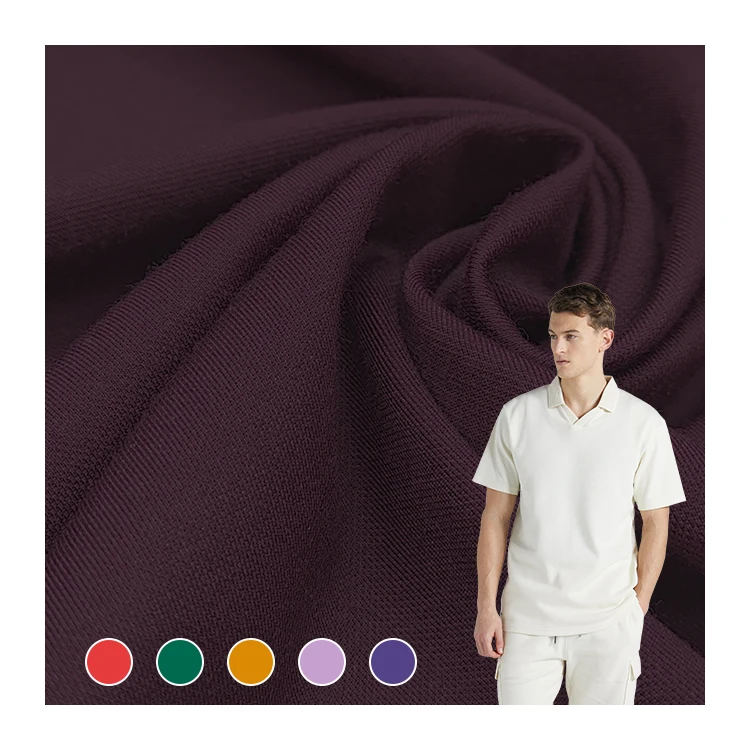
Expert identification techniques focus on the raised geometric patterns, yarn construction consistency, and material composition verification that distinguish genuine pique fabric from imitations. These assessment methods enable textile professionals to evaluate fabric suitability for specific applications while ensuring consistent quality standards across production batches. Understanding these identification principles protects against counterfeit materials and guarantees optimal performance in finished garments.
Visual Structure Analysis Techniques
Geometric Pattern Consistency
Quality pique fabric exhibits uniform geometric patterns across the entire surface, with consistent spacing between raised areas and valleys. The characteristic honeycomb or diamond structure should maintain identical dimensions throughout the fabric width and length. Professional evaluation involves measuring pattern repeat distances using textile gauges to verify manufacturing precision.
Superior pique fabric displays sharp pattern definition without blurred edges or irregular formations. The raised portions should stand prominently above the base fabric level, creating distinct three-dimensional relief. Inconsistent pattern heights or uneven geometric shapes indicate manufacturing defects or inferior production methods that compromise fabric quality.
Authentic pique fabric maintains pattern integrity under magnification, revealing clean yarn intersections and proper stitch formation. The geometric structure should appear symmetrical from multiple viewing angles, demonstrating controlled knitting processes and quality yarn materials.
Surface Texture Uniformity
Professional pique fabric assessment requires examining surface texture consistency across different fabric sections. Quality materials exhibit uniform texture density without irregular bumps, thin spots, or surface distortions. The raised areas should feel firm and well-defined under manual pressure testing.
Expert evaluators check for surface irregularities by running hands across fabric sections in multiple directions. Premium pique fabric maintains consistent tactile feedback throughout, indicating proper tension control during manufacturing. Any surface variations suggest processing inconsistencies or material quality issues.
The fabric surface should resist deformation under moderate pressure while returning to original shape immediately upon release. This resilience indicates proper yarn construction and appropriate stitch density for maintaining structural integrity during use and cleaning cycles.
Material Composition Verification Methods
Fiber Content Authentication
Accurate pique fabric identification requires verification of fiber content through standardized testing methods. Professional textile laboratories employ burn tests, chemical analysis, and microscopic examination to confirm material composition. Cotton pique fabric exhibits specific burning characteristics, producing paper-like ash and continuing combustion after flame removal.
Synthetic blend pique fabric demonstrates different burning patterns, often melting rather than burning cleanly. Polyester components create hard, bead-like residue while maintaining flame longer than natural fibers. These compositional differences affect fabric performance, care requirements, and application suitability.
Microscopic fiber analysis reveals structural characteristics unique to specific material types. Cotton fibers display twisted ribbon appearance under magnification, while polyester fibers appear smooth and cylindrical. This identification method confirms manufacturer claims about pique fabric composition and blend ratios.
Yarn Quality Assessment
Premium pique fabric utilizes consistent yarn thickness throughout the structure, creating uniform appearance and performance characteristics. Expert evaluation involves measuring yarn diameter variations using specialized micrometers to verify production quality standards. Excessive variation indicates inferior manufacturing control or substandard raw materials.
Quality yarn construction in pique fabric exhibits proper twist levels that balance strength and flexibility. Insufficient twist creates weak points prone to breaking, while excessive twist reduces fabric drape and comfort. Professional assessment involves unwinding yarn samples to examine twist consistency and fiber integration.
Superior pique fabric demonstrates minimal yarn hairiness or protruding fibers that could affect appearance and durability. Clean yarn surfaces indicate proper processing and quality raw material selection, contributing to enhanced fabric performance and longevity.
Performance Characteristic Evaluation
Dimensional Stability Testing
Quality pique fabric maintains dimensional stability under normal use conditions, resisting shrinkage and distortion during washing and wearing. Professional evaluation involves measuring fabric samples before and after standardized wash cycles to assess shrinkage rates. Premium materials typically exhibit shrinkage below two percent in both length and width directions.
Stretch recovery testing reveals fabric elasticity and return properties essential for garment fit maintenance. Quality pique fabric returns to original dimensions after moderate stretching, indicating proper construction and material selection. Poor recovery characteristics suggest manufacturing defects or inappropriate material choices.
Temperature stability assessment involves exposing fabric samples to elevated temperatures while monitoring dimensional changes. Superior pique fabric maintains structural integrity and appearance under typical ironing and drying conditions, demonstrating thermal resistance appropriate for regular garment care.
Moisture absorption and release characteristics directly impact comfort and wearability in pique fabric applications. Quality materials demonstrate rapid moisture transfer from skin contact areas through the fabric structure to external surfaces. This breathability prevents moisture accumulation and enhances wearer comfort during physical activity.
Durability and Colorfastness Standards
Professional pique fabric evaluation includes colorfastness testing to verify dye stability under various conditions. Quality materials maintain color integrity through multiple wash cycles without bleeding or fading significantly. Standardized testing protocols assess color retention under light exposure, washing, and perspiration contact.
Abrasion resistance testing determines fabric durability under friction conditions typical in garment use. Premium pique fabric withstands extended rubbing without surface deterioration or structural damage. This resistance indicates appropriate yarn selection and construction methods for intended applications.
Pilling resistance evaluation reveals fabric tendency to form surface balls during wear and washing. Quality pique fabric demonstrates minimal pilling formation, maintaining smooth appearance throughout garment lifecycle. Excessive pilling indicates poor fiber quality or inappropriate fabric construction methods.
Construction Quality Indicators
Stitch Formation Excellence
Expert pique fabric identification focuses on stitch formation quality throughout the fabric structure. Premium materials exhibit consistent loop formation with uniform tension and proper yarn interlocking. Professional evaluation involves examining stitch uniformity under magnification to identify construction irregularities.
Quality stitch formation creates secure yarn connections that resist unraveling under stress. Each loop should maintain consistent size and shape, contributing to overall fabric stability and appearance. Irregular stitching indicates manufacturing problems that compromise fabric performance and durability.
The relationship between courses and wales in pique fabric construction affects structural integrity and appearance quality. Expert assessment involves measuring stitch density and alignment to verify manufacturing specifications. Proper construction balance ensures optimal fabric drape and dimensional stability.
Edge Finishing and Selvage Quality
Professional pique fabric evaluation includes selvage examination to assess manufacturing quality and finishing standards. Clean, tight selvages indicate proper loom operation and quality control measures. Loose or irregular selvage formation suggests manufacturing inconsistencies that may affect fabric performance.
Quality pique fabric exhibits minimal fraying along cut edges when handled during inspection. Well-constructed materials maintain structural integrity even when subjected to moderate stress along edges. Excessive fraying indicates poor yarn quality or inadequate twist levels.
The width consistency across fabric length demonstrates manufacturing precision and quality control effectiveness. Premium pique fabric maintains uniform width measurements from beginning to end of production runs, ensuring consistent yield and garment cutting efficiency.
FAQ
What specific visual cues indicate authentic pique fabric quality?
Authentic quality pique fabric displays consistent geometric patterns with uniform spacing, sharp pattern definition, and identical dimensions throughout the material. The raised honeycomb or diamond structure should maintain clear three-dimensional relief with firm, well-defined texture. Surface uniformity without irregularities, combined with proper pattern symmetry under magnification, confirms manufacturing precision and material authenticity.
How can professionals verify pique fabric composition accurately?
Professional composition verification involves standardized burn testing, microscopic fiber analysis, and chemical testing methods. Cotton pique fabric burns with paper-like ash and continues combustion, while synthetic blends melt and create hard residue. Microscopic examination reveals cotton's twisted ribbon structure versus polyester's smooth cylindrical appearance, confirming manufacturer claims about material composition and blend ratios.
Which performance tests reliably assess pique fabric durability?
Reliable durability assessment includes dimensional stability testing through standardized wash cycles, abrasion resistance evaluation under friction conditions, and colorfastness testing for dye stability. Quality pique fabric demonstrates shrinkage below two percent, maintains color integrity through multiple washings, and resists surface deterioration under rubbing. These performance indicators confirm material suitability for intended garment applications.
What construction details distinguish superior pique fabric from inferior alternatives?
Superior construction features consistent stitch formation with uniform loop size and proper yarn interlocking throughout the fabric structure. Quality indicators include clean selvage edges, minimal fraying resistance, consistent fabric width, and balanced course-to-wales relationships. These construction elements ensure structural integrity, appearance retention, and optimal performance characteristics that separate premium materials from substandard alternatives.