
 EN
EN



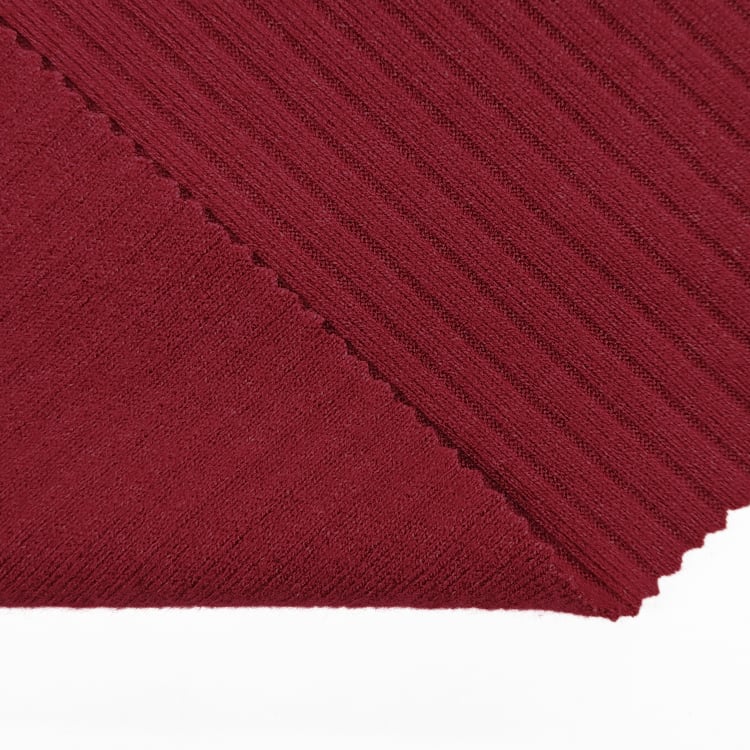
Understanding the differences between scuba fabric and neoprene is essential for manufacturers, designers, and consumers who work with these versatile materials. While both fabrics share certain characteristics and applications, they possess distinct properties that make them suitable for different purposes. Scuba fabric has gained popularity in fashion and industrial applications due to its unique texture and performance capabilities. This comprehensive guide explores the key differences between these two materials, helping you make informed decisions for your specific needs.
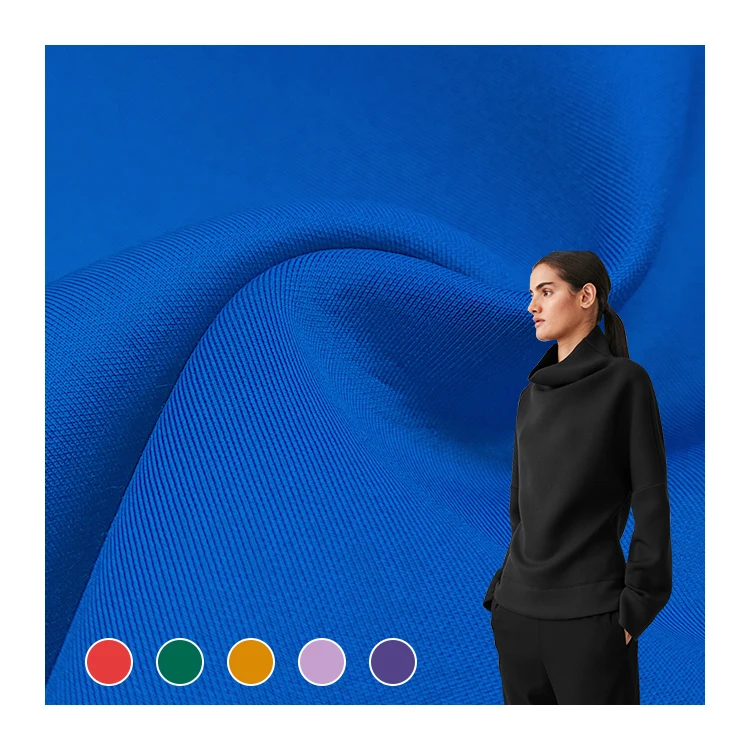
Composition and Manufacturing Process
Material Structure of Scuba Fabric
Scuba fabric is typically composed of a blend of polyester and elastane, creating a double-knit construction that provides exceptional stretch and recovery properties. The manufacturing process involves creating a three-dimensional structure with air pockets between layers, which contributes to its insulating properties. This scuba fabric construction allows for superior drape and body while maintaining structural integrity. The polyester component provides durability and color retention, while elastane ensures the fabric returns to its original shape after stretching.
The production of scuba fabric requires specialized knitting techniques that create the characteristic thick, stable texture. Unlike traditional knits, scuba fabric undergoes additional processing steps to enhance its dimensional stability and prevent excessive stretching. The fabric's unique construction makes it an excellent choice for garments that require both structure and comfort. Modern scuba fabric manufacturing has evolved to include various weights and compositions, allowing for customization based on specific application requirements.
Neoprene Manufacturing and Composition
Neoprene, originally developed by DuPont in the 1930s, is a synthetic rubber material created through the polymerization of chloroprene. The manufacturing process involves vulcanization, which creates cross-links between polymer chains, resulting in the material's characteristic flexibility and chemical resistance. Unlike scuba fabric, neoprene is a solid rubber material that can be produced in various thicknesses and densities. The production process allows for the incorporation of different additives to enhance specific properties such as flame resistance or improved flexibility.
Modern neoprene production often includes lamination with fabric layers on one or both sides, creating composite materials that combine rubber properties with textile characteristics. This laminated neoprene can incorporate various fabric types, including jersey knits, nylon, or polyester, depending on the intended application. The manufacturing flexibility of neoprene allows for precise control over thickness, density, and surface characteristics, making it adaptable for numerous industrial and consumer applications.
Physical Properties and Performance Characteristics
Stretch and Recovery Properties
Scuba fabric exhibits excellent four-way stretch capabilities, typically offering 20-40% stretch in both directions while maintaining complete recovery to its original dimensions. This stretch characteristic makes scuba fabric ideal for form-fitting garments and applications requiring conformability. The fabric's recovery properties ensure that garments maintain their shape over time, even with repeated stretching and washing cycles. The elastane content in scuba fabric directly correlates with its stretch percentage, allowing manufacturers to customize the fabric's elasticity for specific applications.
Neoprene demonstrates different stretch characteristics, with natural flexibility that varies based on thickness and formulation. Thinner neoprene sheets can stretch significantly, while thicker versions offer limited stretch but superior insulation properties. The stretch in neoprene is primarily due to its rubber composition, which allows for compression and expansion without permanent deformation. However, repeated stretching can cause gradual changes in neoprene's properties, particularly in extreme temperature conditions or when exposed to chemicals.
Thermal and Insulation Properties
The insulation properties of scuba fabric stem from its three-dimensional construction and trapped air pockets between fabric layers. While not as thermally efficient as neoprene, scuba fabric provides moderate insulation suitable for fashion garments and light industrial applications. The fabric's breathability is superior to neoprene, making it more comfortable for extended wear in moderate temperature conditions. Scuba fabric maintains its insulating properties even when compressed, though the effect is less pronounced than in neoprene applications.
Neoprene excels in thermal insulation due to its closed-cell structure and rubber composition, making it the preferred choice for applications requiring superior temperature regulation. The material's insulation effectiveness increases with thickness, with typical applications ranging from 1mm to 7mm or more. Neoprene's thermal properties remain consistent across a wide temperature range, making it suitable for extreme weather conditions. The material's low thermal conductivity ensures effective insulation in both cold and warm environments, though breathability is significantly reduced compared to textile-based materials.
Applications and Industry Uses
Fashion and Apparel Applications
In the fashion industry, scuba fabric has become increasingly popular for structured garments such as dresses, skirts, and blazers. The material's ability to hold shape while providing comfort makes it ideal for contemporary fashion designs that require both aesthetic appeal and functionality. Scuba fabric's versatility allows for various construction techniques, including seamless designs and complex pattern matching. The fabric's resistance to wrinkles and ease of care make it attractive for both designers and consumers seeking low-maintenance garments.
Fashion applications of scuba fabric extend beyond traditional garments to include accessories, bags, and decorative elements. The material's structural properties enable the creation of three-dimensional designs and sculptural silhouettes that maintain their form over time. Scuba fabric's color retention and resistance to fading make it suitable for vibrant fashion pieces that require longevity. The fabric's moderate stretch allows for comfortable fitting without compromising the intended design aesthetic, making it valuable for both ready-to-wear and couture applications.
Industrial and Technical Applications
Neoprene dominates industrial applications due to its chemical resistance, durability, and sealing properties. Common uses include gaskets, O-rings, hoses, and protective equipment where exposure to oils, chemicals, or extreme temperatures is expected. The material's ability to maintain flexibility across temperature ranges makes it essential for automotive, aerospace, and marine industries. Neoprene's resistance to ozone and UV degradation ensures long-term performance in outdoor applications, making it superior to natural rubber alternatives in many situations.
While scuba fabric has limited industrial applications compared to neoprene, it finds use in specialized areas requiring textile properties with enhanced structure. These applications include protective covers, equipment padding, and lightweight insulation components where the textile characteristics of scuba fabric provide advantages over solid rubber materials. The fabric's washability and resistance to common contaminants make it suitable for applications requiring regular cleaning or sanitization. Scuba fabric's lighter weight compared to neoprene makes it preferable for applications where weight reduction is critical.
Durability and Maintenance Considerations
Longevity and Wear Resistance
Scuba fabric demonstrates excellent durability in typical fashion and light commercial applications, with proper care extending its useful life significantly. The polyester component provides resistance to abrasion and maintains structural integrity even after repeated washing cycles. However, the elastane content can degrade over time when exposed to high temperatures, chlorine, or excessive UV exposure. The fabric's durability makes it suitable for garments and products requiring moderate to heavy use while maintaining appearance and functionality.
Neoprene exhibits superior durability in harsh environmental conditions, with properly formulated grades lasting decades in demanding applications. The material's resistance to chemicals, temperature extremes, and mechanical stress makes it ideal for long-term industrial use. However, neoprene can experience degradation when exposed to certain solvents, extreme heat, or sharp objects that can puncture or tear the material. The closed-cell structure of neoprene means that any damage typically remains localized rather than propagating throughout the material.
Care and Maintenance Requirements
Maintaining scuba fabric requires attention to temperature and chemical exposure during cleaning and storage. The fabric typically tolerates machine washing in cool water with mild detergents, making it convenient for consumer applications. Avoiding high heat during drying and ironing helps preserve the elastane content and prevents premature degradation. Scuba fabric should be stored in cool, dry conditions away from direct sunlight to maximize its lifespan. The fabric's resistance to most household chemicals and stains makes routine maintenance straightforward for most users.
Neoprene maintenance varies significantly based on the specific formulation and application environment. Industrial neoprene components may require periodic inspection for signs of degradation, swelling, or hardening that could indicate chemical attack or aging. Cleaning neoprene typically involves mild detergents and thorough rinsing to remove contaminants that could cause long-term damage. For consumer applications like wetsuits, proper rinsing after saltwater exposure and avoiding petroleum-based products helps maintain the material's integrity and flexibility over time.
Cost Considerations and Market Factors
Manufacturing and Raw Material Costs
The cost structure for scuba fabric production is generally lower than neoprene manufacturing due to the simpler raw materials and processing requirements. Polyester and elastane are commodity chemicals with established supply chains, making scuba fabric costs relatively stable and predictable. The knitting and finishing processes for scuba fabric utilize standard textile equipment, reducing capital investment requirements compared to specialized rubber processing facilities. Volume production of scuba fabric benefits from economies of scale typical in the textile industry, making it cost-effective for large-scale applications.
Neoprene manufacturing involves more complex chemistry and specialized equipment, resulting in higher production costs compared to textile-based alternatives. The raw materials for neoprene, including chloroprene and various additives, are subject to petrochemical market fluctuations that can impact pricing. The vulcanization process requires precise temperature and pressure control, along with specialized molds and equipment that increase manufacturing complexity. However, neoprene's superior performance characteristics often justify the higher costs in applications where durability and chemical resistance are critical requirements.
Market Positioning and Value Proposition
Scuba fabric occupies a unique market position between basic textiles and high-performance materials, offering enhanced structure and stability at moderate cost premiums. The fabric's versatility in fashion and light industrial applications creates diverse market opportunities with varying price points based on quality and performance requirements. Market demand for scuba fabric continues growing as designers and manufacturers recognize its benefits for creating innovative products that balance aesthetics with functionality. The fabric's competitive pricing compared to alternative structured materials makes it attractive for cost-conscious applications.
Neoprene commands premium pricing in markets where its unique properties provide essential performance benefits that justify higher costs. The material's established reputation in demanding applications creates strong brand loyalty and specification requirements that support stable pricing structures. Market factors affecting neoprene include regulatory changes regarding chemical composition, environmental considerations, and competition from newer synthetic materials. Despite higher costs, neoprene's proven performance record ensures continued demand in critical applications where failure is not acceptable.
FAQ
What are the main differences between scuba fabric and neoprene in terms of composition
Scuba fabric is primarily composed of polyester and elastane in a double-knit construction, creating a textile material with three-dimensional structure and air pockets. Neoprene, on the other hand, is a synthetic rubber made from polymerized chloroprene through vulcanization processes. The fundamental difference lies in scuba fabric being a knitted textile material while neoprene is a solid rubber compound, resulting in distinctly different properties and applications.
Which material offers better stretch and flexibility for garments
Scuba fabric typically provides superior four-way stretch with 20-40% elasticity and excellent recovery properties, making it ideal for form-fitting garments that require comfortable movement. While neoprene offers flexibility, its stretch characteristics depend on thickness and formulation, with thicker versions providing limited stretch. For fashion applications requiring consistent stretch and recovery, scuba fabric generally performs better than neoprene alternatives.
How do the thermal insulation properties compare between these materials
Neoprene significantly outperforms scuba fabric in thermal insulation due to its closed-cell rubber structure and superior thermal resistance. Neoprene maintains effective insulation across extreme temperature ranges, making it ideal for protective equipment and environmental applications. Scuba fabric provides moderate insulation through its air-pocket construction but offers better breathability, making it more comfortable for extended wear in moderate temperature conditions.
Which material is more cost-effective for different applications
Scuba fabric generally offers better cost-effectiveness for fashion and light commercial applications due to lower raw material costs and simpler manufacturing processes. Neoprene commands higher prices but provides superior value in demanding industrial applications where its unique properties justify the premium. The choice depends on specific performance requirements, with scuba fabric being more economical for applications where extreme durability and chemical resistance are not critical factors.