Sustainable Innovation: High-Performance Recycled Plastic Fabric for Eco-Conscious Applications

Get a Free Quote

Our representative will contact you soon.
Email
Name
Company Name
Message
0/1000

recycled plastic fabric

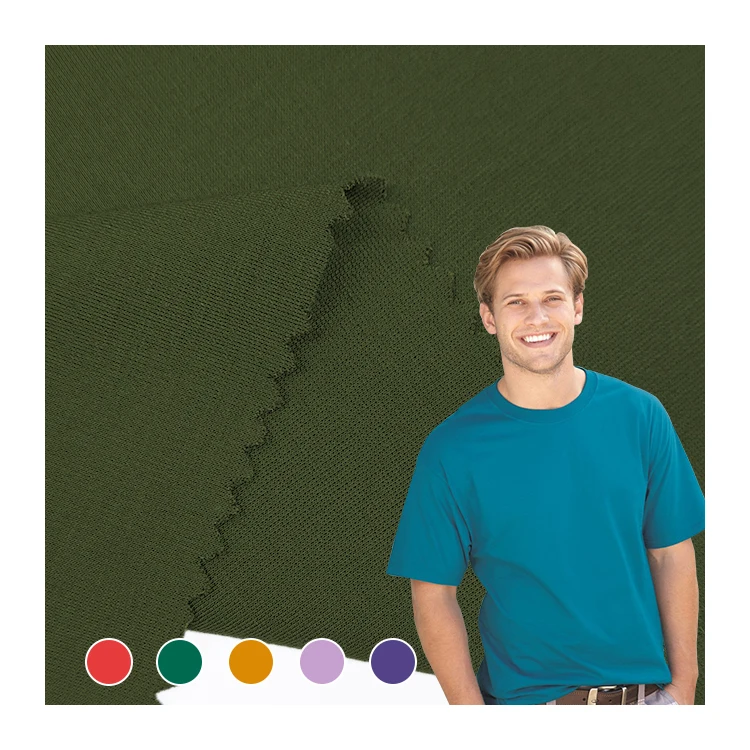
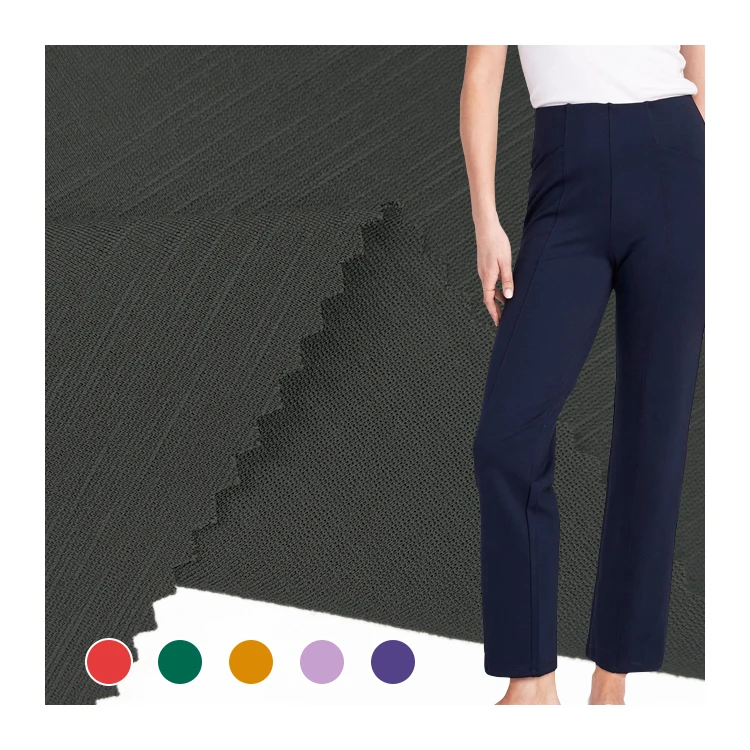
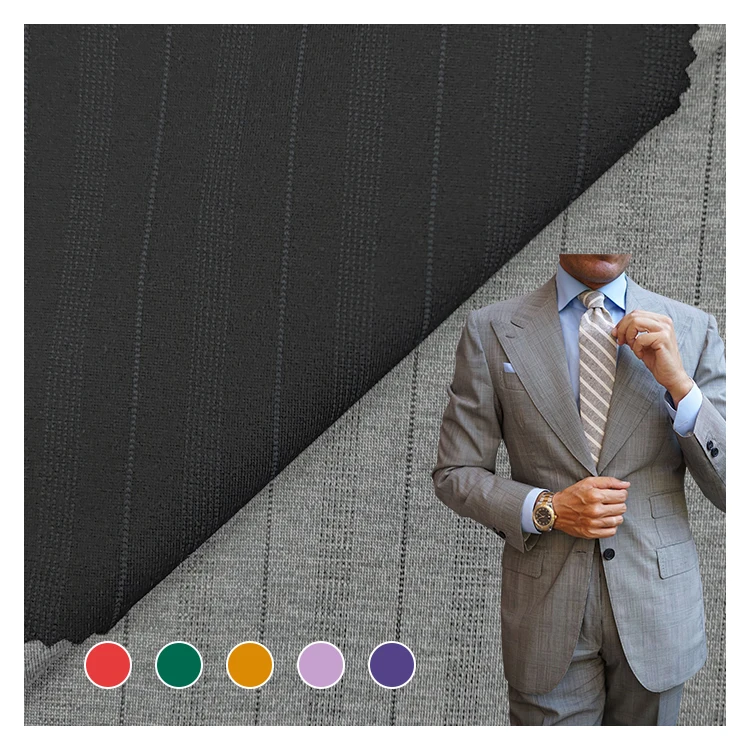
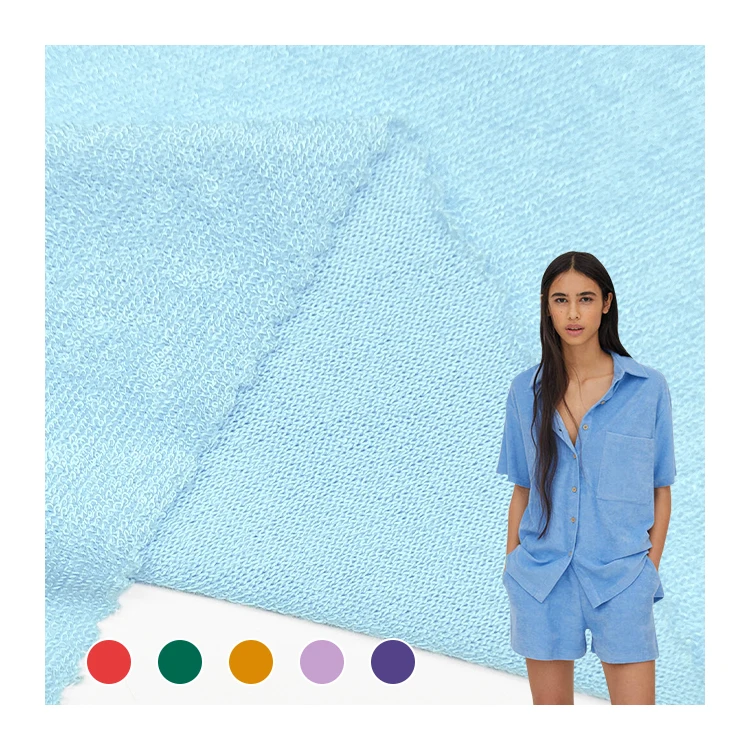
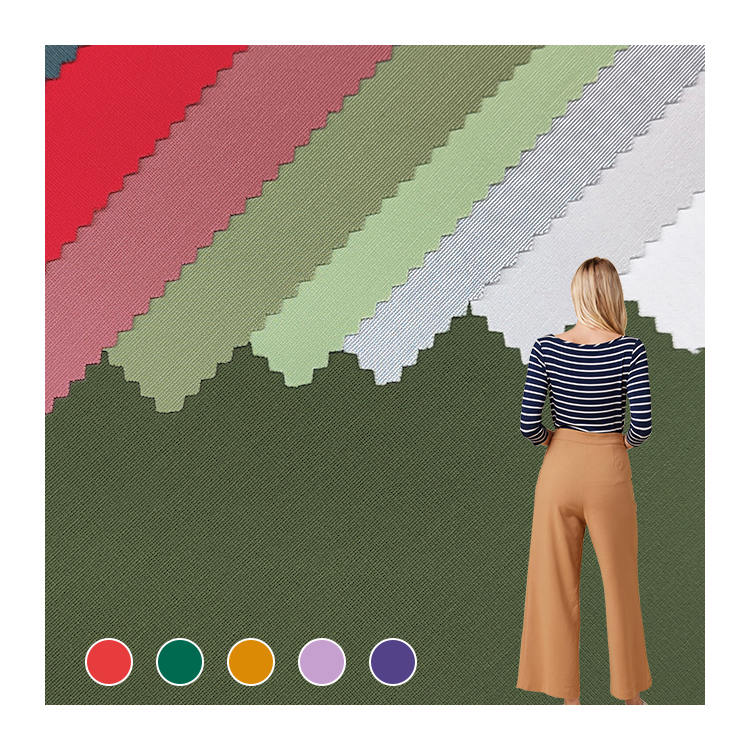
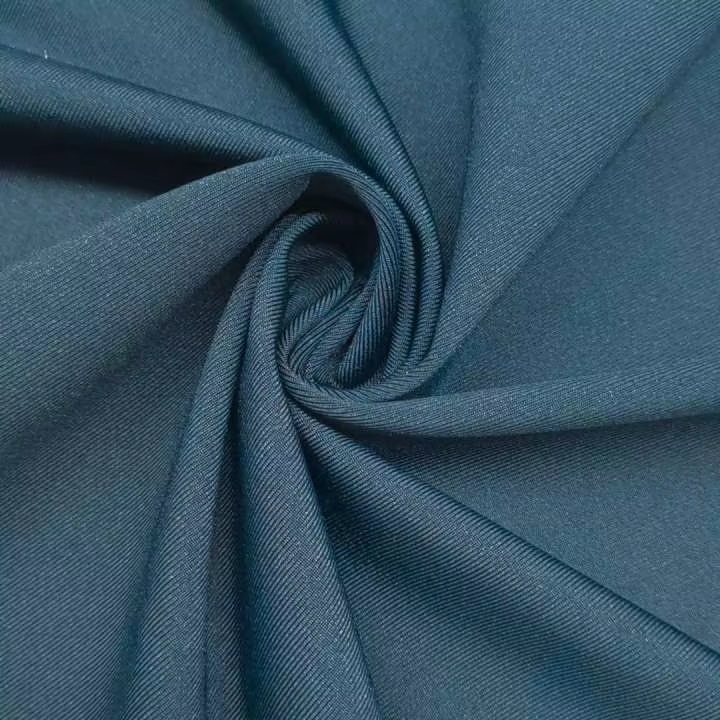
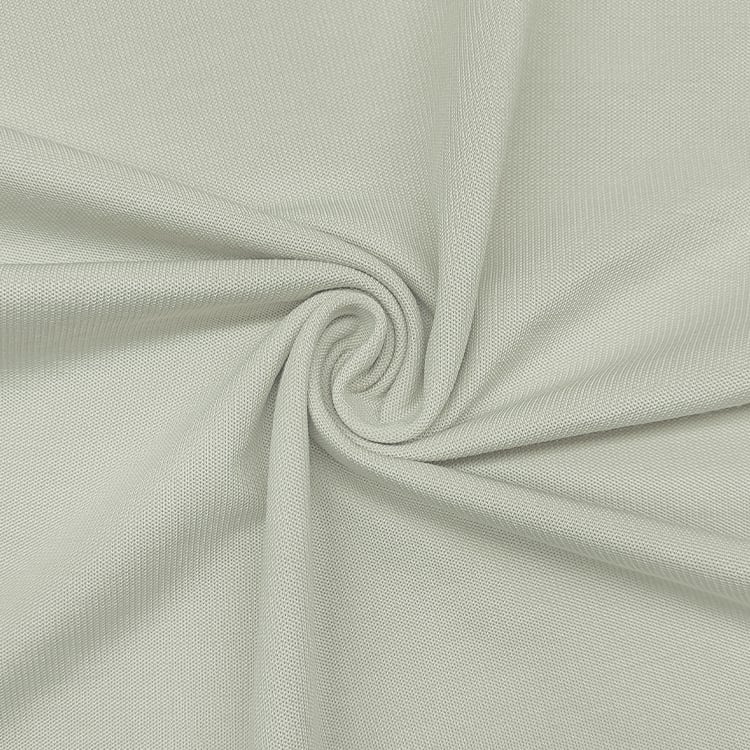
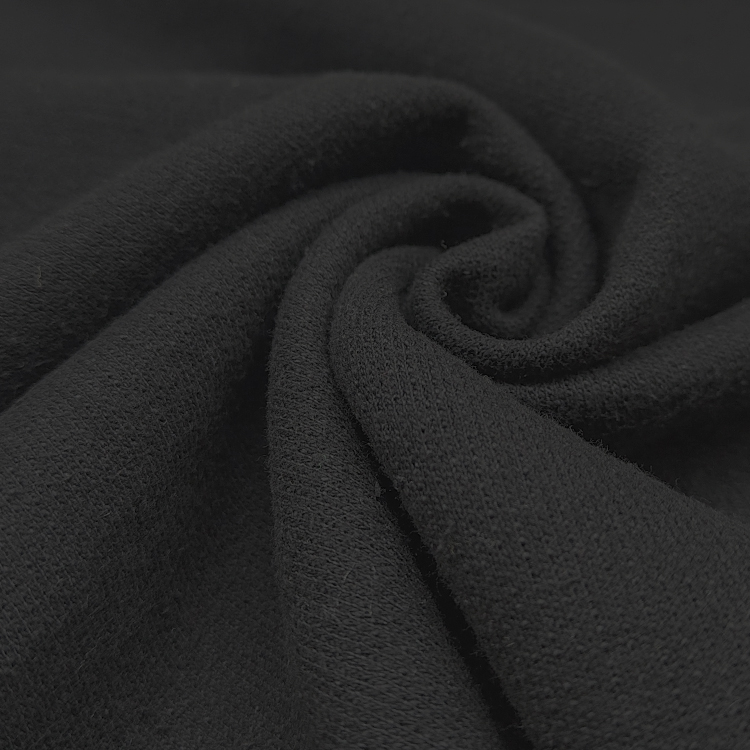
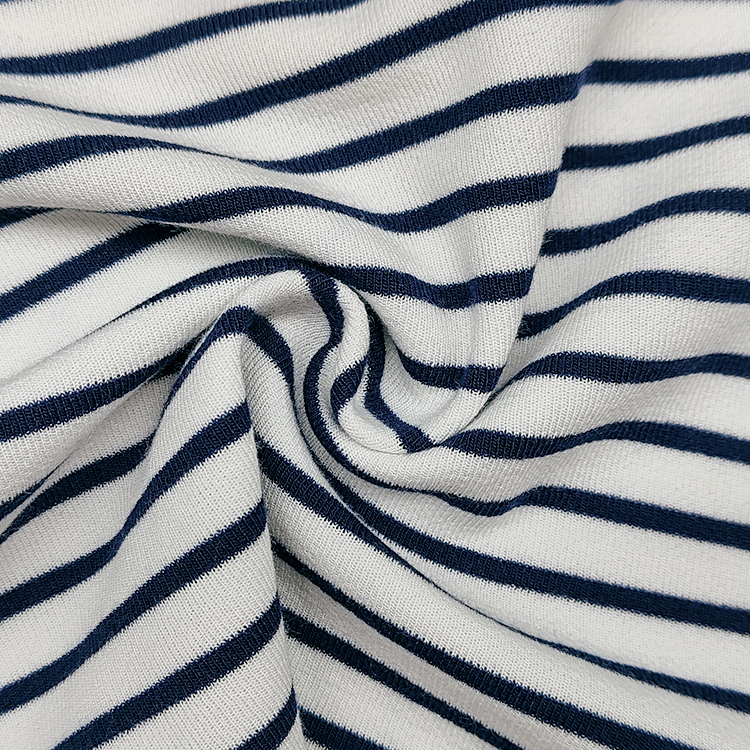
Recycled plastic fabric represents a groundbreaking advancement in sustainable textile manufacturing, transforming post-consumer plastic waste into versatile, high-performance materials. This innovative fabric is created through a sophisticated process where plastic bottles and other recyclable materials are cleaned, shredded, and transformed into polymer fibers. These fibers are then woven or knitted into durable textiles that maintain the strength and functionality of traditional fabrics while significantly reducing environmental impact. The resulting material demonstrates remarkable versatility, being suitable for applications ranging from outdoor gear and sportswear to home furnishings and industrial uses. The fabric's molecular structure ensures excellent moisture-wicking properties, making it ideal for athletic wear and outdoor applications. Additionally, the manufacturing process requires significantly less energy and water compared to virgin polyester production, while the end product maintains comparable, if not superior, performance characteristics. Modern recycled plastic fabrics also incorporate advanced treatments for enhanced durability, UV protection, and antimicrobial properties, making them suitable for demanding applications.

Popular Products

The adoption of recycled plastic fabric offers numerous compelling advantages that benefit both consumers and the environment. First and foremost, it provides a sustainable solution to plastic waste management, diverting millions of bottles from landfills and oceans. The material's production process consumes approximately 50% less energy and 90% less water compared to virgin polyester manufacturing, resulting in a significantly reduced carbon footprint. From a performance standpoint, recycled plastic fabric exhibits exceptional durability and resistance to wear and tear, often outlasting traditional materials. The fabric maintains its shape and color brilliance even after repeated washing cycles, ensuring long-term value for consumers. Its moisture-wicking properties and quick-drying capabilities make it particularly suitable for athletic and outdoor applications. The material's versatility allows for various finishing treatments, enabling manufacturers to create products with specific performance characteristics such as UV protection, water resistance, or thermal regulation. From an economic perspective, as recycling technology advances and scales up, the cost of producing recycled plastic fabric continues to decrease, making it increasingly competitive with traditional materials. Furthermore, consumers increasingly prioritize sustainable products, making recycled plastic fabric a marketable choice for brands looking to appeal to environmentally conscious customers.

Latest News

Unique Fabrics Developed With Functional Tags By Feimei/Yongshu

12

Nov

Unique Fabrics Developed With Functional Tags By Feimei/Yongshu

View More
Yongshu / Feimei Knitting Fabric Factory: Your Global Partner for Premium Knit Fabrics

12

Nov

Yongshu / Feimei Knitting Fabric Factory: Your Global Partner for Premium Knit Fabrics

View More
Your One-Stop Knitted Fabric Partner for South America | Fast Delivery & OEM

12

Nov

Your One-Stop Knitted Fabric Partner for South America | Fast Delivery & OEM

View More
3-in-1 Fabric Excellence: Wholesale, Casual wear & Baby Textiles at Unbeatable Prices - Feimei Knitting/Yongshu

12

Nov

3-in-1 Fabric Excellence: Wholesale, Casual wear & Baby Textiles at Unbeatable Prices - Feimei Knitting/Yongshu

View More

Get a Free Quote

Our representative will contact you soon.
Email
Name
Company Name
Message
0/1000

recycled plastic fabric

Environmental Impact and Sustainability

Environmental Impact and Sustainability

The environmental benefits of recycled plastic fabric extend far beyond waste reduction. Each kilogram of recycled plastic fabric prevents approximately 60 plastic bottles from entering landfills or oceans. The manufacturing process generates 75% fewer CO2 emissions compared to virgin polyester production, contributing significantly to climate change mitigation efforts. The fabric's durability ensures a longer product lifecycle, reducing the need for frequent replacements and further minimizing environmental impact. Additionally, the production process has been optimized to minimize water consumption and eliminate harmful chemical treatments, making it one of the most environmentally responsible textile options available today.
Performance and Versatility

Performance and Versatility

Recycled plastic fabric demonstrates exceptional performance characteristics that make it suitable for diverse applications. The material's inherent moisture-wicking properties efficiently move sweat away from the body, maintaining comfort during intense physical activities. Its quick-drying capabilities, typically 20% faster than traditional cotton, make it ideal for outdoor and athletic wear. The fabric's strength-to-weight ratio surpasses many conventional materials, offering superior durability while maintaining lightweight characteristics. Advanced manufacturing techniques enable the incorporation of various functional treatments, such as antimicrobial protection, UV resistance, and water repellency, without compromising the fabric's sustainability credentials.
Cost-Effectiveness and Market Appeal

Cost-Effectiveness and Market Appeal

The economic advantages of recycled plastic fabric extend throughout the supply chain. As recycling infrastructure improves and technology advances, production costs continue to decrease, making it increasingly competitive with traditional materials. The fabric's durability and resistance to wear mean products last longer, providing better value for consumers over time. From a brand perspective, using recycled plastic fabric allows companies to meet growing consumer demand for sustainable products while maintaining profit margins. Market research indicates that consumers are willing to pay a premium for products made from recycled materials, particularly when they offer comparable or superior performance to conventional alternatives. This market dynamic creates opportunities for brands to differentiate themselves while contributing to environmental sustainability.