
 EN
EN



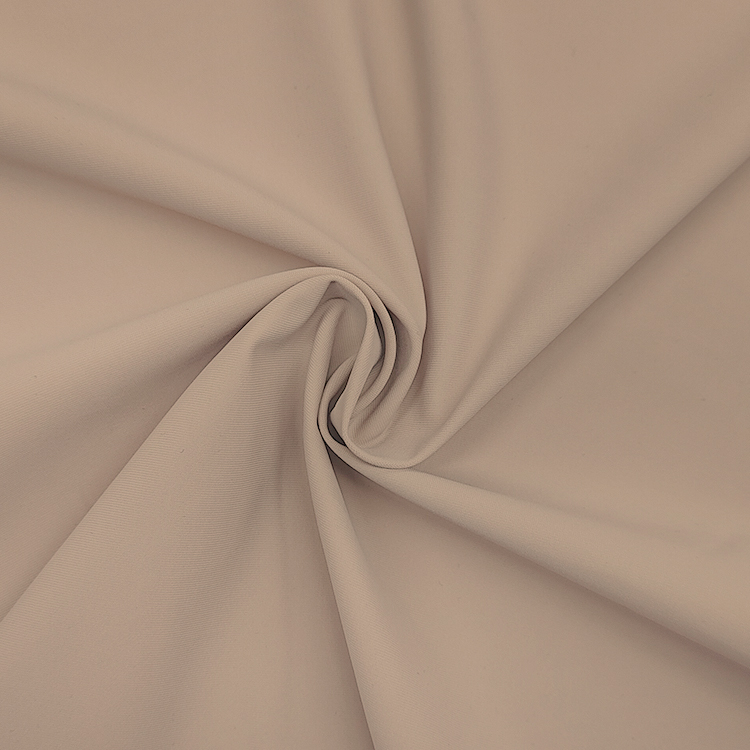
Moisture-wicking technology stands at the heart of modern sportswear performance, and rib fabric has emerged as a critical component in this evolution. The ribbed construction of rib fabric creates distinctive channels and grooves that facilitate rapid moisture transport away from the skin, enabling athletes and active individuals to stay dry and comfortable during intense physical activity. Understanding how rib fabric achieves this moisture-wicking capability requires exploring the material science, structural design, and practical applications that make rib fabric indispensable in contemporary athletic apparel.
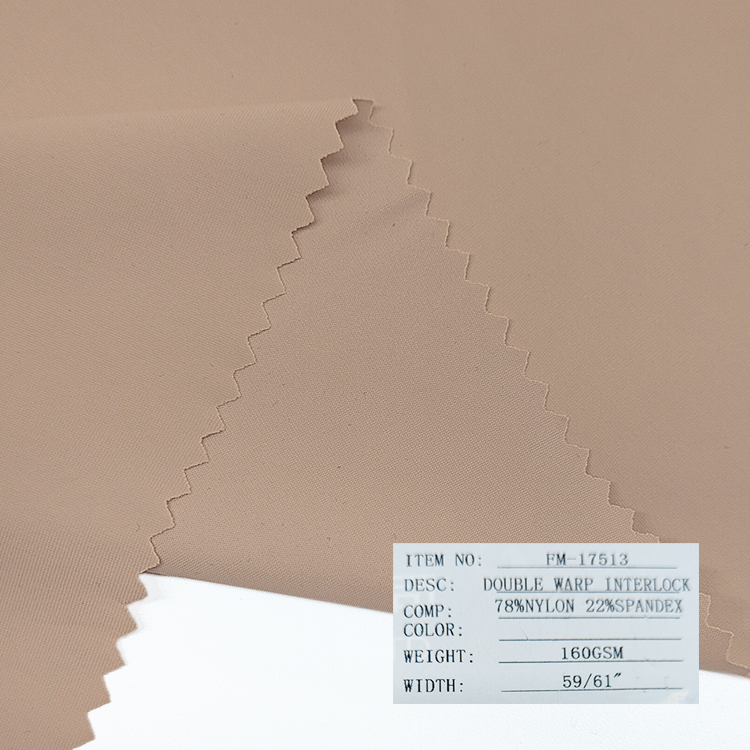
The effectiveness of rib fabric in sportswear extends beyond simple moisture management. Rib fabric combines structural integrity with breathability, offering manufacturers a versatile solution for creating garments that adapt to demanding athletic environments. Whether used in compression wear, training tops, or performance underwear, rib fabric delivers consistent results that enhance wearer comfort and support athletic performance throughout extended physical exertion.
Understanding Rib Fabric Construction and Structure
The Ribbed Weave Pattern
Rib fabric derives its distinctive characteristics from a specialized weaving or knitting pattern that creates parallel ridges and valleys across the material surface. This architectural design is fundamental to understanding why rib fabric performs so effectively in moisture-wicking applications. The vertical ribs in rib fabric establish preferential pathways for moisture movement, allowing perspiration to travel efficiently from the innermost layer against the skin toward the outer surface where evaporation occurs more readily. The consistent spacing and depth of ribs in rib fabric create a three-dimensional texture that significantly amplifies surface area available for moisture distribution and evaporation.
Material Composition of Rib Fabric
Modern rib fabric typically combines synthetic fibers such as polyester with elastane or spandex to achieve both moisture-wicking and stretch properties essential for athletic wear. Polyester fibers in rib fabric are inherently hydrophobic, meaning they repel water and facilitate rapid moisture transport across fiber surfaces rather than absorbing moisture internally. When manufacturers engineer rib fabric with a blend of ninety-five percent polyester and five percent elastane, they create a material that offers exceptional moisture management while maintaining the elasticity required for active movement. The choice of fiber composition directly influences how effectively rib fabric wicks moisture and how long the garment retains its structural integrity through multiple wash cycles.
The Moisture-Wicking Mechanism in Rib Fabric
How Rib Fabric Moves Moisture Away From Skin
The moisture-wicking performance of rib fabric operates through a combination of capillary action and fiber surface chemistry. When perspiration contacts rib fabric, the hydrophobic polyester fibers actively push moisture away from direct skin contact and toward the fabric surface through capillary channels created by the ribbed structure. This wicking mechanism in rib fabric is passive rather than active, meaning it requires no electrical or mechanical intervention—the material properties of rib fabric itself drive the moisture transport process. The specific geometry of rib fabric creates preferred pathways where moisture naturally flows downhill toward lower potential energy states, ensuring efficient and continuous moisture movement throughout wear.
Evaporation Speed and Breathability
Once rib fabric transports moisture to its outer surface, the expanded surface area of the ribbed texture accelerates evaporation significantly compared to flat-woven alternatives. The ridged pattern of rib fabric increases air circulation around individual fibers, promoting faster water vapor escape into the surrounding environment. This enhanced breathability of rib fabric ensures that accumulated sweat does not pool on the skin surface or within the garment, maintaining thermal comfort during sustained physical activity. The combination of rapid moisture transport and accelerated evaporation makes rib fabric an exceptionally efficient choice for applications where wearer dryness directly impacts performance and comfort.
Practical Applications and Performance Benefits
Sportswear Categories Enhanced by Rib Fabric
Rib fabric appears across diverse sportswear categories because its moisture-wicking properties align with the demands of varied athletic activities. Performance running wear incorporates rib fabric in crew necks and shoulder panels where perspiration accumulation presents particular challenges during endurance exercise. Basketball and volleyball uniforms utilize rib fabric throughout the garment because the material's combination of stretch and moisture management accommodates explosive lateral movements while maintaining comfort. Swimming and water sports apparel employs rib fabric specifically chosen for rapid water drainage properties and quick-dry characteristics that distinguish it from standard moisture-wicking materials. Compression wear manufacturers select rib fabric for base layers because the ribbed structure enhances the compression effect while facilitating efficient perspiration management during intense training sessions.
Performance Advantages During Athletic Activity
Athletes wearing rib fabric experience measurable performance benefits that extend throughout training sessions and competitive events. The material's ability to maintain a dry microclimate against the skin reduces chafing and irritation that occurs when moisture accumulates in fabric-skin contact zones. Rib fabric helps regulate body temperature more effectively than non-wicking alternatives, allowing athletes to focus entirely on performance rather than physical discomfort. The consistent stretch properties of quality rib fabric ensure that moisture-wicking performance remains stable even after the garment stretches during dynamic movement. Additionally, rib fabric resists bacterial growth more effectively than moisture-absorbing materials because the hydrophobic fiber surface and efficient moisture transport prevent the warm, damp conditions where microorganisms thrive.
FAQ
What makes rib fabric superior to flat-woven fabrics for moisture-wicking in sportswear?
Rib fabric surpasses flat-woven alternatives through its structural design that creates capillary channels for moisture transport and expands surface area for enhanced evaporation. The three-dimensional geometry of rib fabric establishes preferential pathways where perspiration naturally flows away from skin contact, while the increased surface area accelerates moisture escape into the environment. Flat-woven fabrics lack this architectural advantage, resulting in slower moisture transport and reduced evaporation efficiency even when manufactured from identical fiber compositions.
Can rib fabric maintain its moisture-wicking properties after multiple wash cycles?
Quality rib fabric constructed from polyester-elastane blends typically maintains moisture-wicking performance through numerous wash cycles when cared for appropriately. The hydrophobic nature of polyester fibers remains stable even after washing with standard detergents, ensuring that rib fabric continues transporting moisture efficiently. However, fabric softeners and certain conditioning agents can compromise the hydrophobic surface of rib fabric, potentially reducing moisture-wicking capability, making proper laundering practices essential for preserving rib fabric performance longevity.
Is rib fabric suitable for all types of athletic activities and body climates?
Rib fabric performs excellently across diverse athletic activities and climate conditions because its moisture-wicking mechanism functions independently of environmental temperature or humidity levels. Whether athletes train in hot, humid environments or cold, dry conditions, rib fabric continuously transports perspiration away from skin, maintaining comfort and preventing performance-degrading moisture accumulation. The material's versatility makes rib fabric an appropriate choice for endurance sports, team athletics, individual training, and recreational fitness activities across virtually all climatic zones and seasonal variations.