
 EN
EN



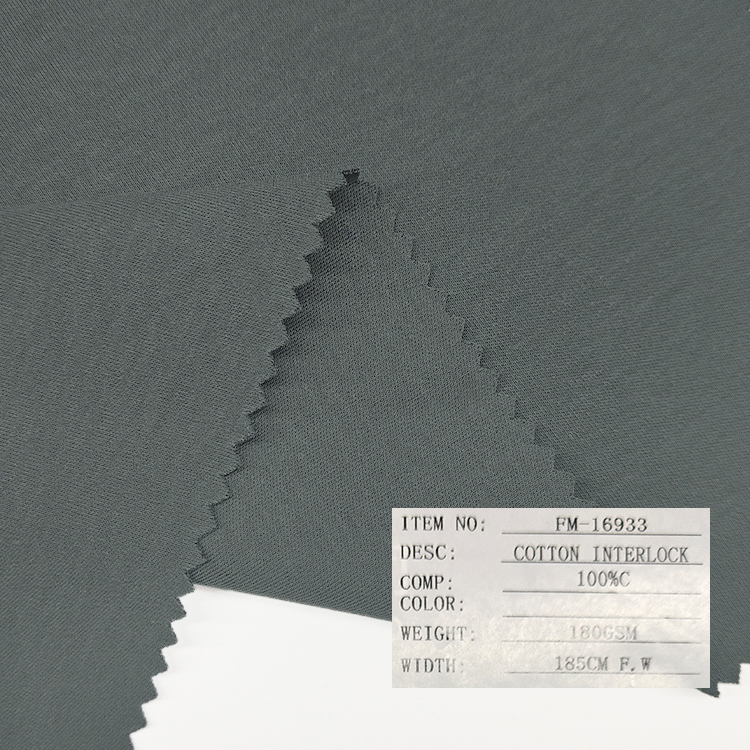
The global sportswear industry faces mounting pressure to reduce its environmental footprint, and roma fabric has emerged as a critical material category where sustainability innovations are reshaping production practices. Roma fabric, known for its lightweight yet durable construction, remains a popular choice in athletic apparel, activewear, and performance clothing. However, traditional roma fabric production relies heavily on petroleum-based synthetic fibers, contributing to significant carbon emissions and plastic waste. The shift toward sustainable roma fabric reflects a broader industry transformation where manufacturers and brands recognize that eco-friendly roma fabric options can deliver both environmental benefits and premium performance characteristics that modern consumers demand.
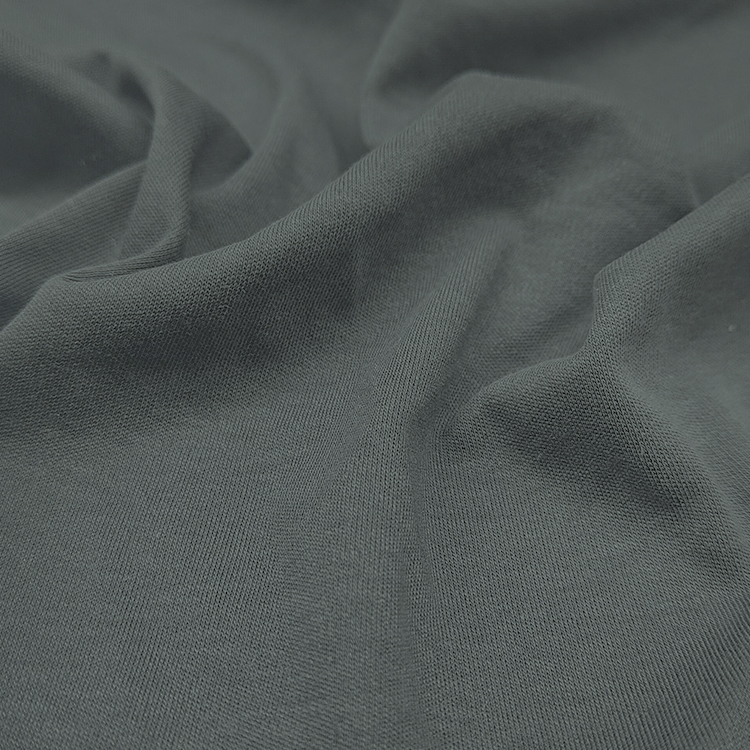
Choosing sustainable roma fabric requires understanding the material science, production processes, and environmental certifications that distinguish genuinely eco-friendly roma fabric from standard alternatives. Leading fabric manufacturers now offer roma fabric made from organic bamboo fiber, recycled synthetic blends, and bio-based polymers that significantly reduce water consumption, chemical pollution, and carbon emissions compared to conventional roma fabric. This article explores the key eco-friendly roma fabric options available today, examines why sustainable roma fabric matters for sportswear brands, and provides practical guidance for selecting the right roma fabric for your sustainability and performance requirements.
Understanding Sustainable Roma Fabric Materials
Organic and Regenerated Fiber Roma Fabric
Sustainable roma fabric increasingly incorporates organic bamboo fiber, which represents one of the most environmentally responsible cellulose-based alternatives to conventional synthetic roma fabric. Bamboo grows rapidly without pesticides, fertilizers, or irrigation, making the raw material inherently more sustainable than cotton used in traditional roma fabric. When processed through closed-loop production methods, bamboo becomes viscose or lyocell fiber, creating roma fabric with exceptional softness, breathability, and moisture-wicking properties. The resulting roma fabric maintains the lightweight comfort of standard versions while dramatically reducing water usage—up to 99 percent compared to conventional roma fabric production. Additionally, organic roma fabric made from bamboo fiber biodegrades naturally at the end of its lifecycle, addressing the persistent pollution problem associated with synthetic roma fabric.
Recycled Polymer Roma Fabric Technology
Another critical sustainable roma fabric innovation involves recycled synthetic fibers, where post-consumer plastic bottles and industrial waste become high-performance roma fabric. This circular roma fabric approach diverts millions of tons of plastic from landfills annually while creating durable roma fabric that meets rigorous athletic performance standards. Recycled roma fabric demonstrates tensile strength, elasticity, and color retention comparable to virgin synthetic roma fabric, yet requires substantially less energy to produce. Many leading sportswear manufacturers now prioritize recycled roma fabric for mid-tier product lines, proving that sustainable roma fabric delivers genuine performance advantages. The transparency of recycled roma fabric sourcing—from collection through manufacturing—allows brands to communicate authentic sustainability stories to environmentally conscious consumers choosing roma fabric products.
Environmental Impact of Eco-Friendly Roma Fabric
Carbon Footprint Reduction in Roma Fabric Production
The manufacturing process for sustainable roma fabric significantly lowers greenhouse gas emissions across the entire supply chain. Conventional roma fabric production generates approximately 5 to 8 kilograms of CO2 per kilogram of material, primarily from synthetic fiber polymerization and dyeing processes. By contrast, eco-friendly roma fabric made from organic bamboo or recycled content reduces carbon emissions by 40 to 60 percent, depending on production location and energy sources. Facilities producing sustainable roma fabric increasingly utilize renewable energy, water recycling systems, and efficient dyeing technologies that further minimize the environmental burden. When companies select sustainable roma fabric over conventional roma fabric, they measurably lower their scope three emissions, contributing to corporate carbon neutrality goals and demonstrating environmental responsibility to stakeholders.
Water Conservation and Chemical Safety in Roma Fabric
Water consumption represents a critical differentiator between standard roma fabric and sustainable roma fabric options. Traditional roma fabric production consumes approximately 2,700 liters of water per kilogram of finished material, with significant portions contaminated by synthetic dyes and chemical auxiliaries. Sustainable roma fabric manufactured through closed-loop processes uses less than 100 liters of water per kilogram while capturing and neutralizing chemical discharge. Eco-friendly roma fabric facilities employ advanced wastewater treatment, color matching technologies, and substrate-specific dyes that eliminate toxic heavy metals and azo compounds found in conventional roma fabric processing. This shift toward sustainable roma fabric protects aquatic ecosystems, reduces strain on regional water supplies, and supports compliance with international environmental regulations governing roma fabric production.
Selecting and Implementing Sustainable Roma Fabric
Certifications and Standards for Roma Fabric
Identifying genuinely sustainable roma fabric requires familiarity with recognized environmental certifications and third-party verification systems. Global Organic Textile Standard certification confirms that roma fabric originates from certified organic agricultural sources and meets strict manufacturing requirements. OEKO-TEX Standard 100 certification verifies that roma fabric contains no prohibited chemicals and is safe for human skin contact, distinguishing premium sustainable roma fabric from untested alternatives. Standard 100 for roma fabric also ensures manufacturing facilities meet environmental and social responsibility criteria throughout production. Cradle to Cradle certification indicates that roma fabric is designed for circular economy principles, where the material can be safely recycled or composted at end-of-life. When specifying sustainable roma fabric, brands should request complete certification documentation and supply chain transparency data to confirm that roma fabric genuinely meets sustainability claims.
Performance Specifications and Quality Assurance for Roma Fabric
Sustainable roma fabric must meet stringent athletic performance standards to earn market acceptance among professional sportswear manufacturers. High-quality roma fabric should demonstrate tear strength exceeding 15 newtons, moisture-wicking efficiency above 90 percent, and ultraviolet protection ratings of UPF 50 or higher. Eco-friendly roma fabric undergoes comprehensive testing for dye fastness, color stability, and shape retention through repeated wash cycles—criteria that separate premium sustainable roma fabric from inferior alternatives. When evaluating sustainable roma fabric suppliers, request physical samples, test data, and third-party laboratory reports confirming that roma fabric performs identically to conventional counterparts. Leading manufacturers now provide detailed technical specifications for sustainable roma fabric, enabling designers to confidently substitute eco-friendly roma fabric into existing product specifications without compromising garment functionality or consumer satisfaction.
FAQ
Is roma fabric suitable for professional athletic performance wear?
Yes, sustainable roma fabric meets and often exceeds professional athletic performance requirements. Eco-friendly roma fabric made from organic bamboo fiber or recycled synthetics delivers superior moisture-wicking, breathability, and durability comparable to conventional roma fabric. Leading sports brands now use sustainable roma fabric in professional athlete endorsement lines, demonstrating that roma fabric performs at the highest competition levels. Testing data consistently shows sustainable roma fabric maintains structural integrity through intensive use, frequent washing, and extreme environmental conditions typical of professional sports.
What cost premium should brands expect when switching to sustainable roma fabric?
Sustainable roma fabric typically costs 10 to 25 percent more than conventional roma fabric, depending on fiber type, production location, and order volume. Organic bamboo roma fabric and recycled synthetic roma fabric command similar pricing, reflecting their comparable production complexity. As demand for sustainable roma fabric increases, manufacturing scale improves and per-unit costs decline, making eco-friendly roma fabric increasingly cost-competitive with traditional roma fabric. Additionally, brands utilizing sustainable roma fabric often capture premium pricing from environmentally conscious consumers, offsetting higher material costs and generating improved profit margins on sustainable roma fabric products.
How do manufacturers ensure transparency in sustainable roma fabric sourcing?
Transparent sustainable roma fabric suppliers provide detailed chain-of-custody documentation tracing fiber from raw material collection through final production. Leading roma fabric manufacturers maintain relationships with certified organic farms, recycling facilities, and processing mills where sustainable roma fabric undergoes quality verification at each stage. Third-party certification bodies audit sustainable roma fabric facilities annually, verifying compliance with environmental and social standards. Digital traceability systems increasingly enable brands and consumers to scan sustainable roma fabric products and access complete sourcing information, confirming that roma fabric genuinely meets published sustainability claims and strengthening consumer confidence in eco-friendly roma fabric authenticity.