
 EN
EN



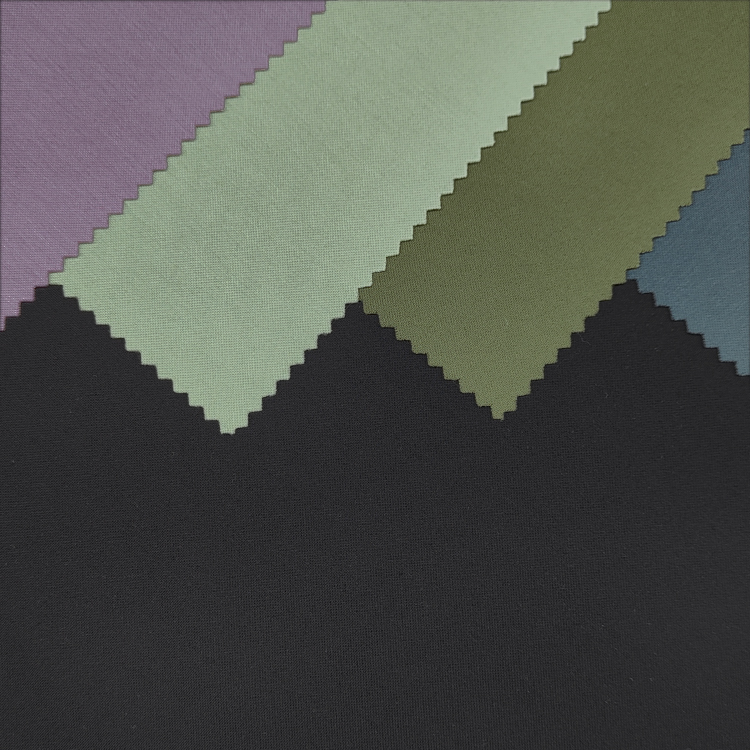
Selecting the right rib fabric is essential for creating high-quality fashion garments that offer comfort, durability, and visual appeal. Rib fabric has become a cornerstone material in modern fashion design, prized for its elasticity, breathability, and sophisticated aesthetic. Whether you're developing activewear, casual wear, or structured pieces, understanding the characteristics and applications of rib fabric directly impacts your design success and customer satisfaction. The distinction between premium and standard rib fabric often determines the longevity and comfort of finished garments, making informed selection crucial for fashion professionals and manufacturers.
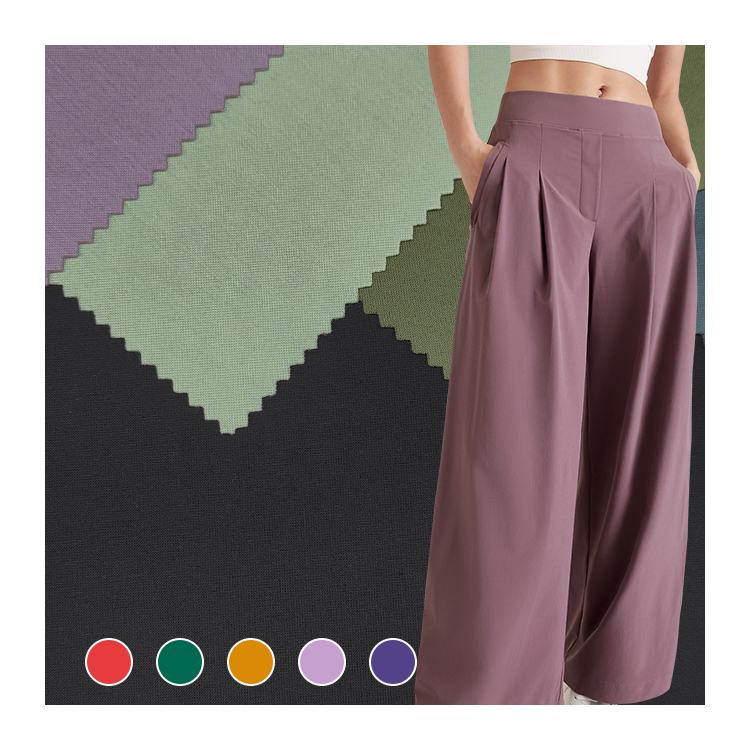
The fashion industry increasingly demands rib fabric that combines technical performance with aesthetic versatility. Modern rib fabric production integrates advanced fiber blending, precise knitting techniques, and specialized finishing processes to deliver materials that meet contemporary design standards. Quality rib fabric must balance stretch recovery, color stability, weight consistency, and surface texture while maintaining cost efficiency. This comprehensive guide explores how to identify, evaluate, and utilize premium rib fabric for fashion applications, ensuring your garments stand out in competitive markets.
Understanding Rib Fabric Quality Standards
Core Characteristics of Premium Rib Fabric
Premium rib fabric exhibits specific measurable qualities that distinguish it from standard alternatives. The construction of rib fabric relies on interlocking loops that create vertical ridges, a structural feature that directly influences elasticity and durability. High-quality rib fabric maintains consistent weight distribution, typically ranging from 200 to 400 grams per square meter depending on intended application. Stretch recovery in superior rib fabric ensures garments retain their shape after repeated wear and washing, a critical factor for both fashion aesthetics and functional performance.
Fiber Composition and Performance
The fiber content of rib fabric fundamentally determines its performance characteristics and market value. Pure cotton rib fabric offers breathability and natural feel but may lack the recovery properties needed for active applications. Synthetic blends incorporating nylon, polyester, or elastane enhance the stretch and durability of rib fabric while improving colorfastness and wear resistance. Advanced rib fabric formulations combine rayon with synthetic fibers to achieve superior drape, softness, and sustainable production practices. Understanding fiber ratios within rib fabric helps fashion designers select materials that align with garment purpose, target demographics, and quality expectations.
Fashion Applications and Design Versatility
Activewear and Performance Garments
Rib fabric has become the preferred choice for activewear because of its natural stretch and moisture management properties. Athletic brands rely on high-performance rib fabric for leggings, sports bras, and fitted tops where recovery and comfort are non-negotiable. The elasticity inherent in rib fabric allows garments to move with the body while maintaining structural integrity through intense activity. Fashion designers leverage rib fabric's technical advantages to create silhouettes that are both functional and stylish, meeting consumer expectations for performance-driven fashion.
Casual and Everyday Wear
Beyond activewear, rib fabric serves as a foundational material for casual fashion pieces including t-shirts, fitted dresses, and layering essentials. The refined appearance of quality rib fabric elevates basic garments, creating premium casual wear that justifies higher price points. Versatile rib fabric in neutral tones or seasonal colors provides fashion retailers with reliable inventory that appeals to broad demographics. The comfort factor of rib fabric encourages repeat purchases and builds brand loyalty, making it an intelligent material choice for fashion-forward retailers.
Selecting and Evaluating Premium Rib Fabric
Quality Indicators and Testing Methods
Identifying superior rib fabric requires understanding specific quality indicators and industry testing standards. Weight consistency across the rib fabric roll indicates proper production control and predicts garment performance reliability. Stretch testing should demonstrate that rib fabric recovers to original dimensions after being stretched horizontally and vertically, ensuring garments won't permanently stretch out. Color fastness testing verifies that rib fabric maintains color integrity through washing, wearing, and environmental exposure. Fashion professionals should request test certificates for rib fabric batches, confirming compliance with international quality standards and durability expectations.
Aesthetic and Functional Considerations
Visual and tactile properties distinguish premium rib fabric from lower-grade alternatives in ways that directly influence customer perception and satisfaction. The surface texture of quality rib fabric should appear uniform without pilling, snags, or color variations that suggest inferior production. Rib fabric thickness and weight must feel substantial without being rigid, creating the sensation of luxury and durability. Color depth and saturation in rib fabric demonstrate superior dyeing processes and fiber quality, particularly important for fashion items where visual appeal drives purchasing decisions. By conducting hands-on evaluation before placing bulk orders, fashion designers can ensure rib fabric selections meet their quality benchmarks and align with brand positioning.
FAQ
What makes rib fabric different from other knit materials?
Rib fabric features a distinctive vertical ridge pattern created by alternating knit and purl stitches, which differs structurally from jersey or other flat knit fabrics. This rib fabric construction naturally produces superior elasticity and shape retention compared to single-knit alternatives. The ribbed structure of this fabric allows for greater stretch in both directions while maintaining recovery, making rib fabric ideal for fitted garments that require movement and comfort.
How should rib fabric be cared for to maintain quality?
Proper care extends the lifespan and appearance of garments made from quality rib fabric. Washing rib fabric in cold water with mild detergent preserves fiber integrity and prevents color fading. Avoiding high-heat drying helps rib fabric maintain its elasticity and prevents unwanted shrinkage. Instructions should recommend turning garments inside out before washing to protect the rib fabric surface from friction and pilling during the washing cycle.
What fiber blends offer the best performance in rib fabric?
Rib fabric blends combining cotton with elastane or nylon deliver exceptional balance between comfort, durability, and stretch recovery. Rayon-synthetic blends in rib fabric create enhanced drape and softness while maintaining strong recovery properties. The optimal rib fabric composition depends on specific garment application, with different ratios suited for activewear versus casual wear. Fashion designers should evaluate sample rib fabric batches to determine which fiber blend best meets their quality standards and production requirements.