Organic Cotton Fabric - Sustainable & Comfortable

Get a Free Quote

Our representative will contact you soon.
Email
Name
Company Name
Message
0/1000

organic cotton fabric

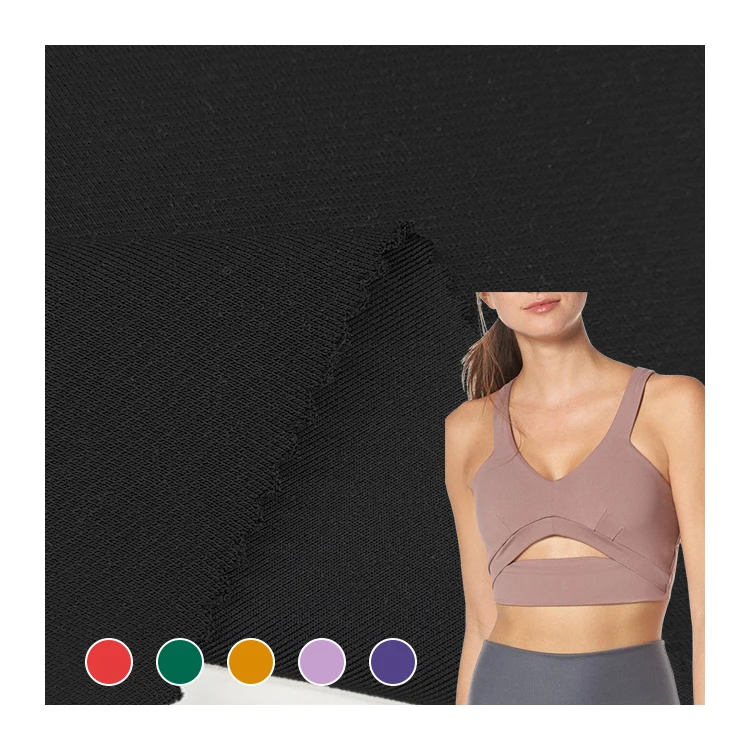
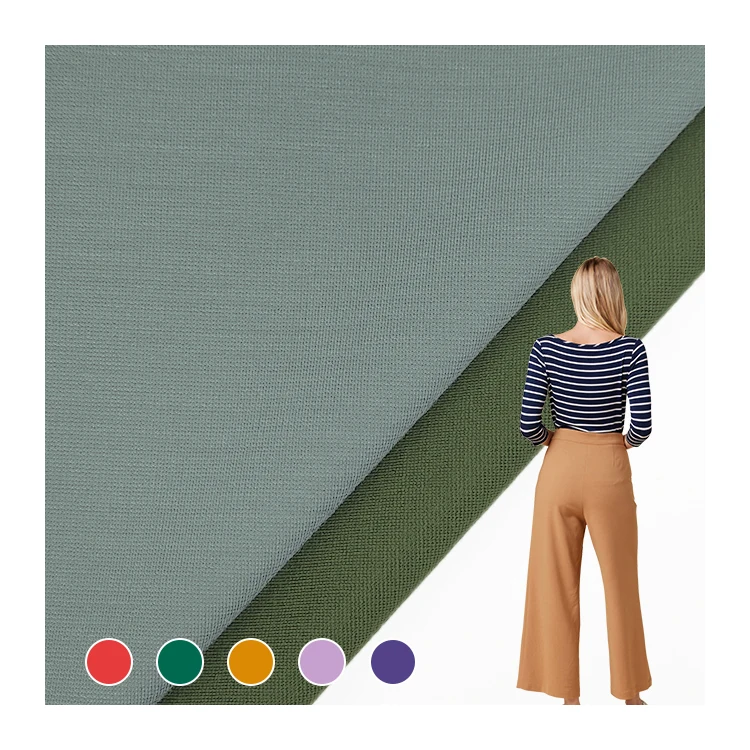
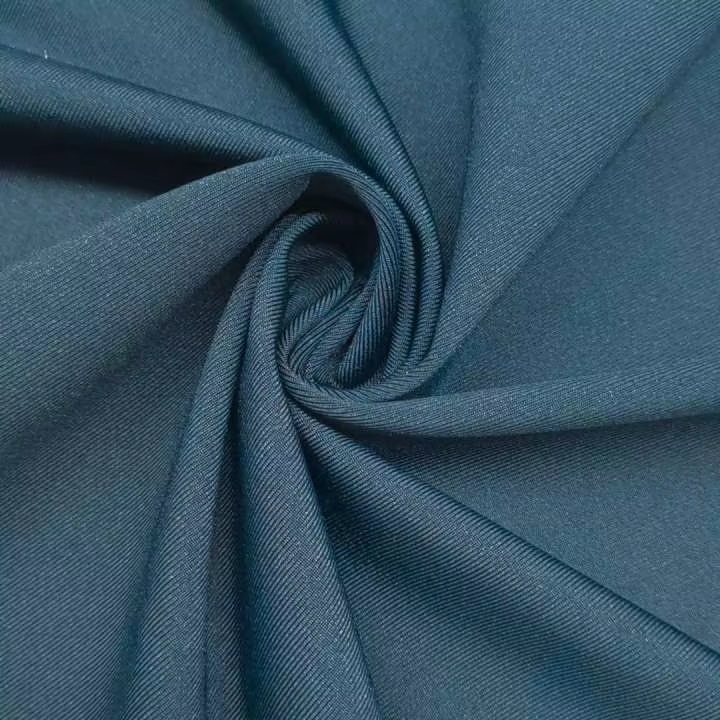
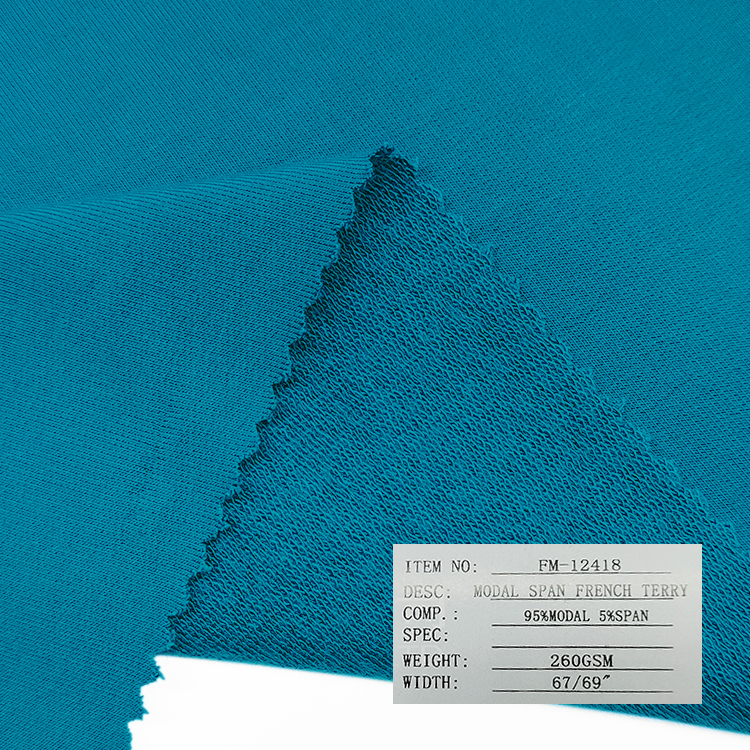
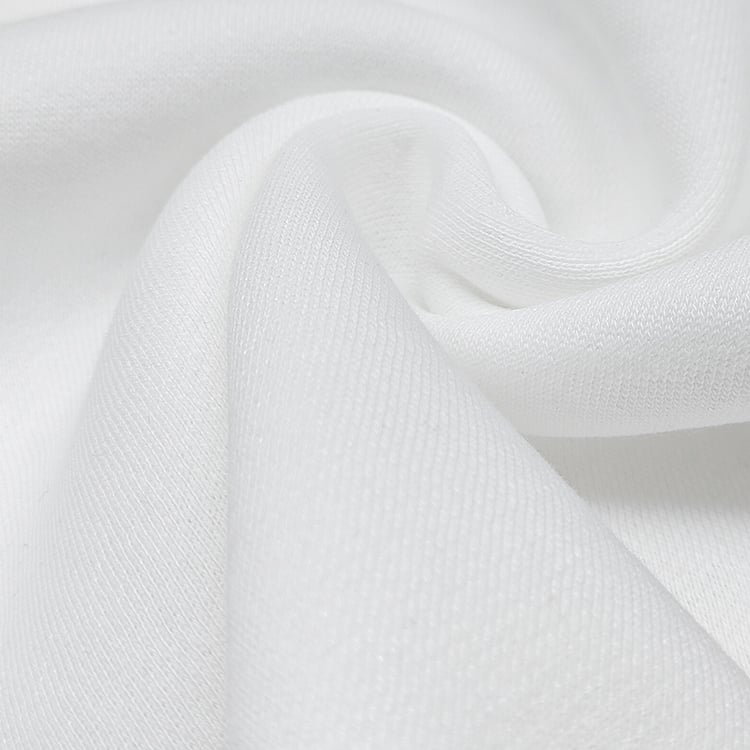
Organic cotton fabric represents a sustainable textile choice made from cotton grown without synthetic pesticides, herbicides, or genetically modified organisms. This environmentally responsible material maintains the natural softness and breathability that traditional cotton offers while eliminating harmful chemical residues from the production process. Organic cotton fabric undergoes strict certification standards, ensuring that every stage from seed to finished textile meets rigorous environmental and social criteria. The main functions of this fabric include providing comfortable, hypoallergenic clothing options, supporting sustainable agriculture practices, and delivering durable textiles for everyday use. Technologically, organic cotton fabric features enhanced moisture-wicking properties, excellent air permeability, and natural temperature regulation capabilities that keep wearers comfortable across various climates. The manufacturing process preserves the fiber's inherent strength while maintaining its gentle touch against skin, making it ideal for sensitive individuals. Applications for organic cotton fabric span numerous industries, from fashion and apparel to home textiles like bedding, towels, and upholstery. Baby clothing manufacturers particularly favor this material due to its purity and safety profile. The fabric also finds extensive use in athletic wear, casual clothing, and premium textile products where quality and environmental responsibility matter. As consumer awareness grows regarding sustainable fashion, organic cotton fabric continues gaining prominence as a preferred choice for brands and individuals committed to reducing their environmental footprint while enjoying superior textile performance and comfort.

New Product Releases

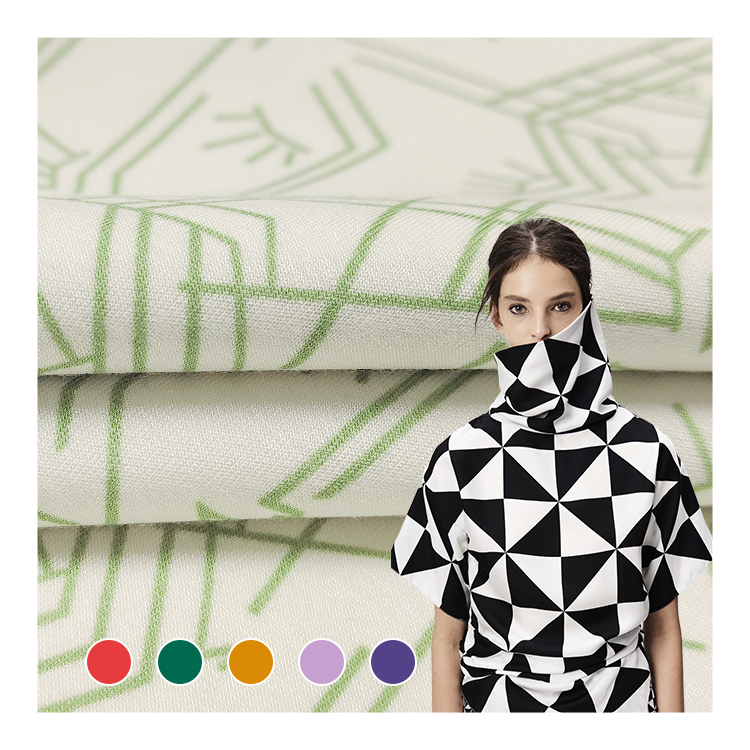
Choosing organic cotton fabric delivers significant value through multiple practical benefits that directly impact your purchasing decision and long-term satisfaction. This fabric protects your skin from chemical exposure since it contains no toxic residue from synthetic fertilizers or pesticides, making it especially valuable for individuals with sensitive skin, allergies, or chemical sensitivities. The production methods preserve soil health and water quality, contributing to environmental conservation while supporting farming communities through fair labor practices. From an operational perspective, organic cotton fabric demonstrates exceptional durability, maintaining its structural integrity through repeated washing cycles without significant deterioration. The natural fibers resist pilling and retain color vibrancy longer than conventionally produced alternatives, reducing replacement frequency and overall textile costs. This fabric offers superior breathability compared to synthetic materials, promoting better air circulation and moisture management during wear. The temperature-regulating properties keep you cool in warm conditions and provide insulation when temperatures drop, delivering year-round comfort and versatility. Application suitability extends across diverse product categories, performing excellently in direct-contact garments, bedding, and household textiles where comfort and safety are paramount. The fabric accepts dyes and prints effectively while maintaining its soft hand feel, allowing designers creative flexibility without compromising quality. When making purchasing decisions, consider that organic cotton fabric represents a responsible investment in personal health, environmental stewardship, and product longevity. The initial cost premium often balances through extended product lifespan and reduced health risks. Certifications like GOTS provide transparency and assurance, enabling confident purchasing decisions based on verified standards rather than unsubstantiated marketing claims.

Tips And Tricks

2025 Jersey Fabric Guide: Types, Uses & Buying Tips

06

Feb

2025 Jersey Fabric Guide: Types, Uses & Buying Tips

Jersey fabric has become an indispensable material in the textile industry, offering exceptional versatility and comfort across numerous applications. This knitted textile, characterized by its distinctive loop structure and stretch properties, conti...
View More
Jersey Fabric Care Guide: Washing & Storage Secrets

06

Feb

Jersey Fabric Care Guide: Washing & Storage Secrets

Jersey fabric has become increasingly popular in the textile industry due to its exceptional comfort, stretch, and versatility. Understanding proper care techniques for jersey fabric is essential for maintaining its quality and extending its lifespan...
View More
Best Rib Fabric for T-Shirts: Complete Buying Guide

15

Apr

Best Rib Fabric for T-Shirts: Complete Buying Guide

Selecting the ideal rib fabric for t-shirt production requires understanding fabric construction, fiber composition, and garment application requirements. Rib fabric represents a specialized knit construction characterized by vertical ridges and vall...
View More
Sustainable Sportswear Fabric: Eco-Friendly Options

07

May

Sustainable Sportswear Fabric: Eco-Friendly Options

The global athletic apparel industry faces mounting pressure to reduce its environmental footprint, driving brands and manufacturers toward sustainable sportswear fabric solutions that balance performance demands with ecological responsibility. As co...
View More

Get a Free Quote

Our representative will contact you soon.
Email
Name
Company Name
Message
0/1000

organic cotton fabric

Chemical-Free Purity for Enhanced Safety

Chemical-Free Purity for Enhanced Safety

Organic cotton fabric stands out for its complete absence of harmful chemical residues, offering unparalleled safety for direct skin contact applications. Unlike conventional cotton production that relies heavily on synthetic pesticides and fertilizers, organic cotton fabric grows using only natural farming methods that maintain soil fertility through crop rotation, composting, and biological pest control. This chemical-free approach means the finished fabric contains no traces of toxic substances that could irritate skin, trigger allergic reactions, or pose long-term health concerns. For parents selecting baby clothing, individuals with eczema or sensitive skin conditions, and health-conscious consumers, this purity provides invaluable peace of mind. The absence of chemical treatments also makes organic cotton fabric naturally hypoallergenic, reducing the risk of dermatological issues that sometimes arise from prolonged exposure to conventionally processed textiles. Third-party certifications verify this purity throughout the supply chain, ensuring that from field to final product, organic cotton fabric maintains its commitment to safety and environmental responsibility. This feature translates into tangible benefits for everyday wear, allowing you to enjoy comfortable, worry-free clothing and textiles that support rather than compromise your wellbeing.
Superior Comfort Through Natural Breathability

Superior Comfort Through Natural Breathability

The exceptional breathability of organic cotton fabric creates an unmatched comfort experience that synthetic alternatives struggle to replicate. Natural cotton fibers possess a unique cellular structure with microscopic pores that facilitate air circulation and moisture vapor transmission, keeping your skin dry and comfortable throughout the day. Organic cotton fabric enhances these inherent properties by maintaining fiber integrity through gentler processing methods that avoid harsh chemicals which can damage the natural structure. This preservation results in fabric that actively wicks perspiration away from your body, allowing it to evaporate quickly rather than creating that clammy, uncomfortable sensation common with less breathable materials. The temperature-regulating capabilities of organic cotton fabric work year-round, providing cooling relief during hot weather while offering warmth retention when temperatures fall. This adaptability makes organic cotton fabric ideal for layering systems, base layers, and everyday garments where comfort across varying conditions matters. The soft, natural texture feels pleasant against skin without the stiffness or scratchiness that sometimes characterizes synthetic fabrics or chemically treated textiles. Whether you're selecting athletic wear, sleepwear, or casual clothing, organic cotton fabric delivers consistent comfort that enhances your daily experience while supporting your active lifestyle with responsive, breathable performance.
Environmental Sustainability with Lasting Durability

Environmental Sustainability with Lasting Durability

Organic cotton fabric combines environmental responsibility with impressive durability, offering a sustainable choice that doesn't sacrifice performance or longevity. The cultivation practices behind organic cotton fabric protect ecosystems by eliminating synthetic chemical runoff that contaminates waterways, preserves biodiversity by avoiding monoculture farming, and reduces carbon emissions through natural soil management that sequesters atmospheric carbon. These environmental benefits extend beyond the field, as organic cotton fabric processing typically uses less water and energy compared to conventional methods. Despite this gentler environmental approach, organic cotton fabric maintains remarkable structural strength and resilience. The natural fibers, undamaged by harsh chemical treatments, retain their inherent tensile strength and flexibility, resulting in fabric that withstands regular washing, wearing, and use without premature breakdown. This durability translates into longer product lifecycles, reducing the frequency of replacement purchases and ultimately decreasing overall textile consumption and waste. The colorfastness of organic cotton fabric ensures that garments and textiles maintain their appearance through years of use, preserving your investment while reducing environmental impact. By choosing organic cotton fabric, you're making a decision that balances personal quality expectations with broader environmental stewardship, supporting agricultural practices that regenerate rather than deplete natural resources while enjoying textiles that perform reliably over extended periods.

Get a Free Quote

Our representative will contact you soon.
Email
Name
Company Name
Message
0/1000