
 EN
EN



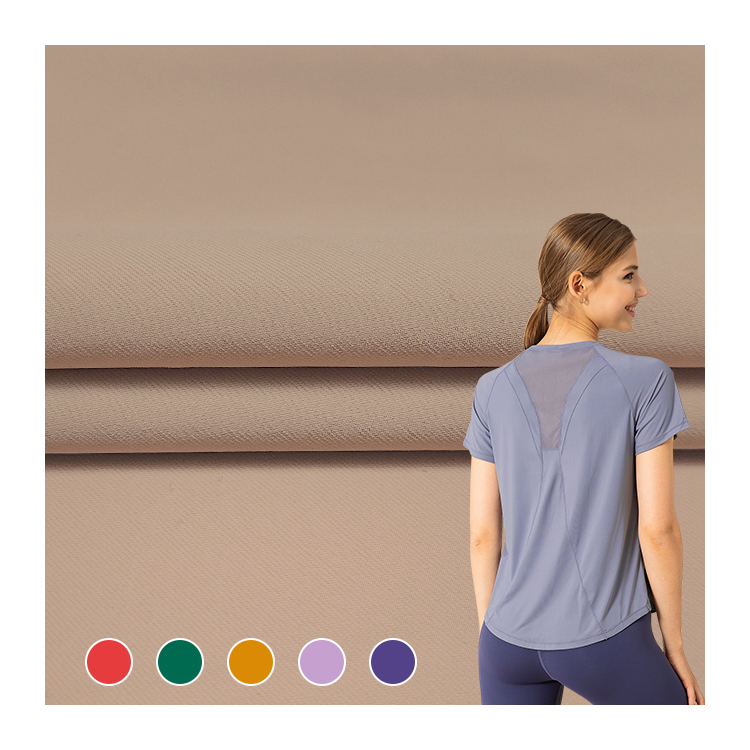
Selecting the right terry fabric for your sportswear brand is one of the most critical decisions you can make in product development. The quality of your sportswear fabric directly influences customer satisfaction, brand reputation, and long-term profitability. Terry fabric has emerged as a preferred choice among leading brands because of its exceptional moisture-wicking properties, comfort, and durability. Understanding how to choose quality terry fabric requires knowledge of fiber composition, construction methods, weight standards, and performance testing protocols. This guide walks you through the essential factors that distinguish premium terry fabric from lower-grade alternatives, enabling you to make informed purchasing decisions that elevate your sportswear collection.
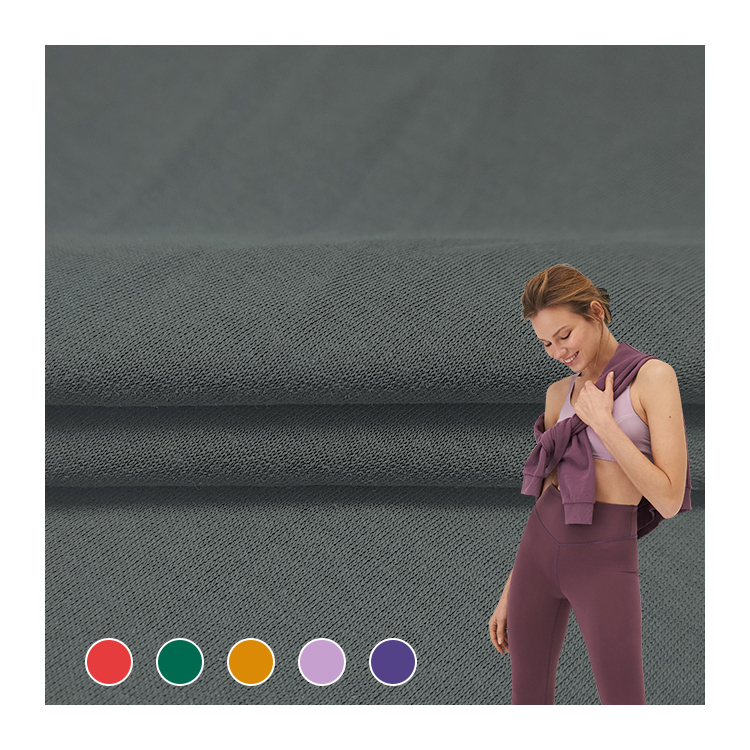
The sportswear industry demands fabrics that perform under stress, maintain shape through repeated washing, and provide genuine comfort during intense physical activity. Terry fabric meets these demands because its looped pile structure creates natural air pockets that enhance breathability and moisture management. When evaluating terry fabric options, brands must balance cost efficiency with performance standards while considering aesthetic appeal and end-user expectations. The choice of terry fabric affects not only the functionality of finished garments but also the brand's competitive position in the market.
Understanding Terry Fabric Construction and Fiber Quality
Fiber Composition and Performance Impact
Terry fabric quality begins with fiber selection. Premium terry fabric typically uses high-quality cotton, cotton blends, or synthetic materials engineered specifically for athletic applications. Pure cotton terry fabric offers natural breathability and softness but may lack the stretch and recovery properties modern sportswear requires. Advanced terry fabric formulations combine cotton with elastane or polyester, creating blends that deliver superior elasticity, faster drying times, and enhanced color retention. The fiber quality directly impacts how your sportswear fabric performs through multiple wash cycles and extended use. Choosing terry fabric made from long-staple cotton or high-performance synthetic fibers ensures your finished garments maintain integrity and appearance season after season.
Yarn Twist and Loop Structure
The construction of terry fabric involves specific yarn twist levels and loop height that determine overall durability. Quality terry fabric exhibits consistent loop formation, which prevents premature pilling and surface degradation. Higher yarn twist in terry fabric construction creates stronger fibers that withstand friction during wear and washing. The loop density of terry fabric—measured as loops per square inch—directly correlates with absorbency and cushioning comfort. When evaluating terry fabric samples from suppliers, assess whether loops maintain uniform height and whether the base weave feels stable and well-anchored. Premium terry fabric displays tight, evenly distributed loops that resist flattening even after vigorous use.
Performance Standards and Testing Protocols
Moisture Management and Breathability Testing
Premium sportswear fabric must demonstrate measurable moisture-wicking capability. Terry fabric designed for athletic wear should pass standardized moisture management tests that measure how quickly the fabric absorbs and releases perspiration. The ASTM D6773 standard evaluates the vertical wicking height of terry fabric, indicating how efficiently the material moves moisture upward through the weave structure. Quality terry fabric typically shows vertical wicking heights exceeding 4 inches within one hour, demonstrating superior moisture transport. Brands choosing terry fabric should request test results from suppliers, confirming that the material meets or exceeds industry benchmarks for moisture management. Breathability testing ensures that your sportswear fabric allows adequate air circulation, preventing the clammy feeling that compromises user experience.
Durability and Color Fastness Requirements
Durability testing separates exceptional terry fabric from mediocre alternatives. Quality terry fabric undergoes pilling resistance tests, abrasion tests, and tensile strength evaluations that predict real-world performance. The Martindale abrasion test measures how many cycles terry fabric can withstand before showing visible wear, with premium materials maintaining integrity through 100,000 or more cycles. Color fastness testing—including exposure to light, washing, and perspiration—reveals whether terry fabric retains its visual appeal throughout the garment's lifecycle. When selecting terry fabric, request documentation of color fastness ratings, aiming for at least Grade 4 performance in washing, light exposure, and perspiration resistance. These standardized tests provide objective evidence that your sportswear fabric investment will deliver lasting quality and customer satisfaction.
Aesthetic and Functional Features in Fabric Selection
Weight Categories and Application Matching
Terry fabric comes in various weights, each suited to different sportswear applications. Lightweight terry fabric, typically 250–350 grams per square meter, works well for summer athletic wear, tank tops, and warm-weather garments. Midweight terry fabric, ranging from 350–500 grams per square meter, balances comfort with durability for joggers, hoodies, and versatile training wear. Heavyweight terry fabric exceeds 500 grams per square meter, providing maximum cushioning and insulation for cold-weather athletic gear. Selecting the appropriate weight of terry fabric ensures your finished garments meet functional requirements without excess bulk or insufficient substance. Matching terry fabric weight to intended use, climate, and target market expectations prevents product returns and supports brand credibility.
Aesthetic Qualities and Texture Variations
Beyond performance metrics, premium terry fabric offers visual appeal and tactile quality that influence purchasing decisions. Quality terry fabric displays even coloration without streaking, variation, or discoloration patterns. Texture consistency across the entire bolt of terry fabric indicates proper manufacturing controls and raw material standardization. Contemporary sportswear brands choose terry fabric in diverse aesthetics: classic loop textures, shortened pile finishes for sleek appearance, or jacquard patterns that add visual interest without compromising function. The hand feel of terry fabric—described as soft, plush, or substantial—communicates quality to end consumers and justifies premium pricing. Requesting sample pieces of terry fabric allows you to assess aesthetic qualities, compare finishes, and ensure alignment with your brand's visual identity and market positioning.
FAQ
What makes terry fabric superior to other sportswear materials?
Terry fabric excels in moisture management, natural breathability, and cushioning comfort due to its distinctive looped pile structure. Unlike smooth knits, terry fabric creates air pockets that enhance ventilation and perspiration transport, making it ideal for athletic applications. The loop construction also provides exceptional softness and insulation without adding excessive bulk to finished garments. When compared to plain jersey or mesh fabrics, quality terry fabric offers superior absorbency while maintaining shape and durability through extended use and frequent washing.
How should brands test terry fabric before committing to large production orders?
Responsible brands request multiple test reports and physical samples before finalizing terry fabric suppliers. Request ASTM testing documentation for moisture wicking, abrasion resistance, color fastness, and shrinkage. Conduct wash testing on terry fabric samples using your intended care protocol to verify durability and appearance retention. Test garment prototypes in real-world conditions with target users to gather feedback on comfort, fit, and performance. This thorough evaluation process minimizes production risks and ensures that your chosen terry fabric meets quality standards and customer expectations.
What fiber blends offer the best value in terry fabric selection?
High-performance terry fabric blends typically combine 85% cotton with 15% polyester or elastane, delivering natural comfort enhanced by synthetic durability and elasticity. Cotton-elastane blends in terry fabric provide exceptional stretch recovery and shape retention, ideal for fitted athletic wear. For budget-conscious brands, pure polyester terry fabric offers excellent durability and quick-drying properties, though with less natural breathability than cotton blends. The optimal fiber composition for terry fabric depends on your target market, price point, and functional requirements. Evaluating cost-benefit ratios across different terry fabric blends ensures you achieve maximum value without sacrificing essential performance characteristics.