
 EN
EN



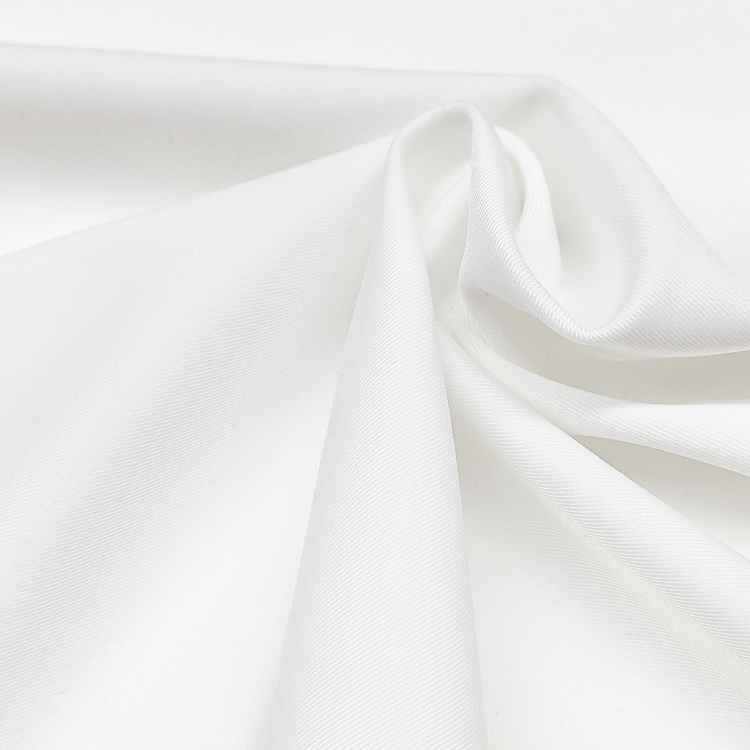
Selecting the right fabric for sportswear is fundamental to creating garments that perform well, feel comfortable, and last through intensive use. Athletes and active individuals demand fabrics that can handle movement, manage moisture, regulate temperature, and maintain their structure wash after wash. Among the various options available in the sportswear market, pique fabric stands out as a versatile choice that delivers both performance and comfort benefits for a wide range of athletic applications.
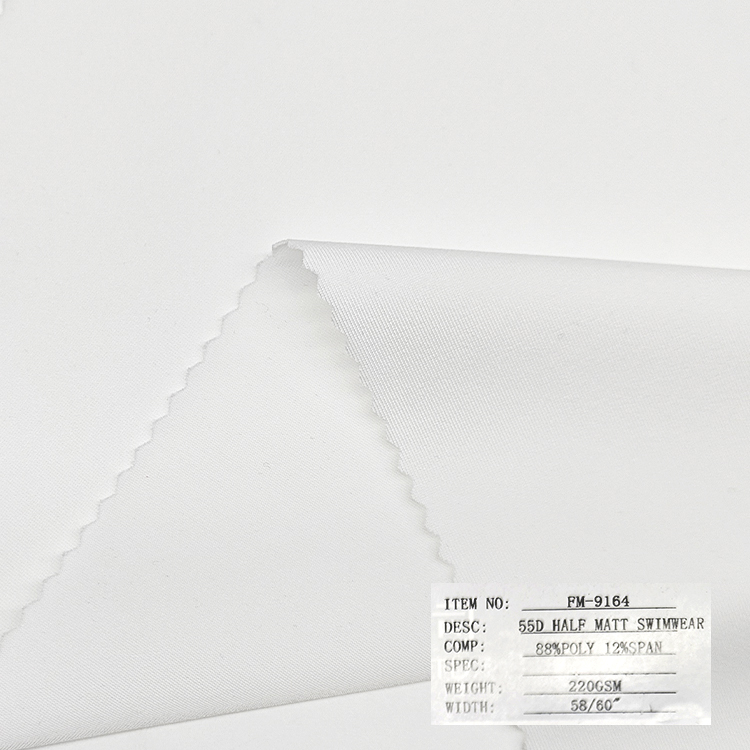
The construction and fiber composition of sportswear fabrics directly influence how garments perform during physical activity. Pique fabric offers unique structural properties that make it an excellent foundation for performance wear, from polo shirts and tennis apparel to athletic shorts and training tops. Understanding how pique fabric works alongside other popular sportswear materials helps designers, manufacturers, and consumers make informed decisions about which fabrics best suit their specific athletic and comfort needs.
Understanding Pique Fabric Structure and Performance Benefits
What Makes Pique Fabric Ideal for Sportswear
Pique fabric is characterized by its distinctive raised, textured surface created through a unique knitting pattern that produces small, geometric patterns or pockets across the fabric face. This three-dimensional structure creates air pockets within the material, which contribute significantly to its breathability and comfort characteristics. The dense yet open weave of pique fabric allows moisture vapor to escape efficiently, making it particularly valuable for active wear where sweat management is essential.
The inherent elasticity of pique fabric provides excellent freedom of movement for athletes and active wearers. When constructed from high-quality fibers, pique fabric maintains its shape during wear and retains its structural integrity through repeated washing and drying cycles. This durability factor makes pique fabric a cost-effective choice for both manufacturers producing high-volume sportswear lines and consumers investing in quality athletic garments that will serve them reliably season after season.
Moisture Management and Temperature Regulation
One of the most critical functions of pique fabric in sportswear is its ability to manage moisture effectively. The textured surface of pique fabric increases the surface area available for moisture evaporation, allowing sweat to move away from the skin quickly. When blended with moisture-wicking synthetic fibers, pique fabric becomes an exceptional choice for high-performance athletic applications where thermal comfort and dryness directly impact performance and comfort levels.
Temperature regulation through pique fabric occurs on multiple levels. The air pockets trapped within the weave structure provide insulation during cooler conditions, while the breathability ensures that body heat doesn't accumulate during intense activity. This makes pique fabric suitable across varied climate conditions and seasons, enhancing its versatility as a core component in comprehensive sportswear fabric selection strategies.
Comparing Pique Fabric with Other Popular Sportswear Materials
Pique Fabric Versus Mesh and Jersey Fabrics
Mesh fabrics offer extreme breathability through their open-weave construction, making them ideal for maximum ventilation in hot conditions. However, pique fabric provides better structure and opacity while maintaining strong breathability, making it more suitable for finished garments that require both aesthetic appeal and functional performance. Pique fabric holds its shape better than mesh, which can appear loose or oversized after extended wear.
Jersey fabrics, commonly used in t-shirts and casual sportswear, offer exceptional stretch and comfort but typically lack the dimensional texture and moisture-management efficiency that pique fabric delivers. Pique fabric bridges the gap between jersey's softness and mesh's breathability, providing a premium feel while maintaining performance standards. Many manufacturers prefer pique fabric for elevated sportswear lines because it conveys quality through its distinctive textured appearance while delivering measurable functional benefits.
Performance Comparison with Technical Synthetic Blends
Advanced technical fabrics incorporating polyester, nylon, or elastane fibers have revolutionized sportswear, offering exceptional moisture-wicking, stretch recovery, and durability. When pique fabric is constructed from these high-performance synthetic materials or blended with them, it combines the structural benefits of the pique weave with the moisture-management advantages of technical fibers. This hybrid approach has become increasingly popular in premium athletic wear where both performance and aesthetic quality matter significantly.
The key advantage of pique fabric in this comparison is its natural comfort feel and reduced reliance on excessive chemical treatments. While some technical synthetic blends require aggressive moisture-wicking coatings or specialized finishes to achieve performance goals, pique fabric achieves many of the same objectives through its inherent structural design. This makes pique fabric an attractive option for consumers and brands seeking performance without sacrificing the natural comfort and breathability that fiber-based solutions provide.
Practical Applications of Pique Fabric in Sportswear Design
Specific Garment Types That Benefit from Pique Fabric
Polo shirts represent one of the most classic and enduring applications of pique fabric in sportswear, combining the polished appearance of the textured surface with the performance demands of active wear. Tennis apparel frequently incorporates pique fabric for its ability to manage the intense moisture production of competitive play while maintaining a professional appearance on court. Golf wear, including both shirts and shorts, benefits from pique fabric's moisture management and the way its textured surface creates sophisticated visual appeal that aligns with golf's heritage and contemporary styling preferences.
Athletic training tops and lightweight jackets constructed from pique fabric offer performers the comfort and breathability needed during workouts while providing a more refined appearance than casual jersey construction. Sports shorts made from pique fabric maintain excellent shape during movement and dry quickly after exposure to moisture. Water sports applications also utilize pique fabric because its construction allows for efficient drainage and quick drying without compromising the structural integrity that wearers depend on during active aquatic activities.
Customization and Design Flexibility
Pique fabric's distinctive textured surface provides an excellent foundation for customization through embroidery, screen printing, and embellishment techniques. The raised geometric patterns create visual interest even in solid colors, allowing designers to create sophisticated sportswear with minimal additional decoration. Color retention in pique fabric is typically excellent because the dense weave protects dye molecules, ensuring that garments maintain their aesthetic appeal through extended use and repeated laundering.
Manufacturers appreciate pique fabric because it accepts dyes uniformly and can be produced in virtually any color required for branding and aesthetic purposes. The three-dimensional texture of pique fabric provides sufficient depth to support decorative elements without appearing flat or one-dimensional. This flexibility makes pique fabric an ideal choice for corporate sportswear programs, team uniforms, and branded athletic wear where visual presentation and performance must coexist within a single garment.
Selecting the Right Sportswear Fabric for Your Needs
Evaluating Fiber Content and Blend Ratios
The fiber composition of pique fabric directly influences its performance characteristics and suitability for specific applications. One hundred percent cotton pique fabric offers natural comfort and breathability but may not deliver optimal moisture management for high-intensity athletic activities. Pique fabric blended with polyester, nylon, or elastane fibers significantly enhances moisture-wicking capability, stretch recovery, and durability, making these blends superior choices for serious athletic wear where performance demands are substantial.
When evaluating pique fabric options, consider the specific activity level and environmental conditions where the sportswear will be used. High-performance applications benefit from pique fabric with higher synthetic fiber content and potentially additional performance finishes. Casual or recreational use may be adequately served by pure cotton or cotton-dominant pique fabric blends, which offer comfort and breathability at lower cost. Understanding these distinctions ensures that fabric selection aligns with intended use and performance expectations.
Weight, Weight Consistency, and Durability Factors
Pique fabric weight, typically measured in grams per square meter, directly affects the garment's warmth, durability, and suitability for different seasons and activity intensities. Lightweight pique fabric around 180-220 GSM suits warm weather and high-intensity activities where maximum breathability is essential. Midweight pique fabric ranging from 220-280 GSM provides excellent balance between breathability, durability, and comfort for year-round wear and training applications. Heavier pique fabric exceeding 280 GSM offers superior durability and structure, making it ideal for frequently worn staple pieces and intensive-use applications.
Consistency in pique fabric weight across production runs ensures predictable performance and garment fit. Reputable manufacturers maintain strict quality control standards to ensure that pique fabric produced in different batches delivers consistent moisture management, stretch properties, and dimensional stability. This consistency is particularly important for brands producing large quantities of sportswear where uniform product quality directly impacts customer satisfaction and repeat purchases.
FAQ
Is pique fabric suitable for all types of athletic activities?
Pique fabric is highly versatile and suitable for most athletic and active wear applications, including golf, tennis, training, casual sports, and water activities. However, for extreme endurance sports or activities requiring maximum moisture-wicking performance in intense conditions, pique fabric blended with high-performance synthetic fibers or specialized technical fabrics might offer superior functionality. The specific suitability of pique fabric depends on the intensity level, environmental conditions, and individual preferences regarding comfort feel and aesthetic appearance.
How does pique fabric perform compared to moisture-wicking technical fabrics?
Pique fabric achieves excellent moisture management through its structural design, making it competitive with many moisture-wicking technical fabrics, especially when constructed from synthetic blends. Technical fabrics sometimes rely on chemical coatings or finishes to enhance moisture-wicking, while pique fabric achieves similar results through inherent structural properties. For most recreational and semi-competitive athletic activities, pique fabric performs comparably to technical fabrics while offering superior natural comfort feel and reduced reliance on chemical treatments.
What factors should determine my choice between pique fabric and other sportswear materials?
Your fabric selection should consider activity intensity, climate conditions, desired aesthetic appearance, budget constraints, and personal comfort preferences. Pique fabric excels in situations where refined appearance matters alongside performance, making it ideal for tennis, golf, and training wear. For maximum breathability in extreme heat, mesh might be superior. For casual comfort-focused sportswear, jersey could be preferable. Evaluating these factors ensures that your chosen fabric aligns with specific needs and delivers optimal satisfaction and performance.