Sustainable Innovation: High-Performance Recycled Polyester Fabric for Eco-Conscious Applications

Get a Free Quote

Our representative will contact you soon.
Email
Name
Company Name
Message
0/1000

recycled polyester fabric

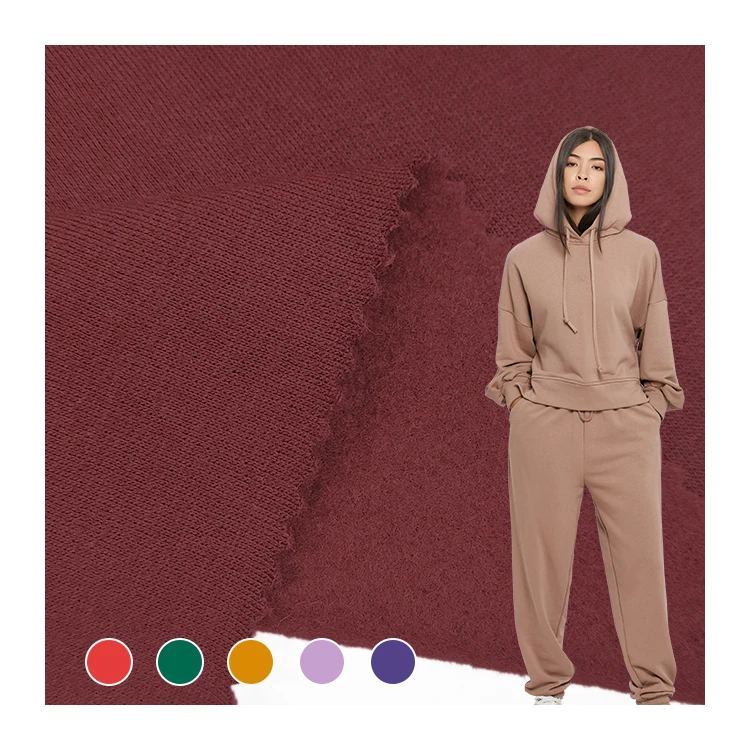
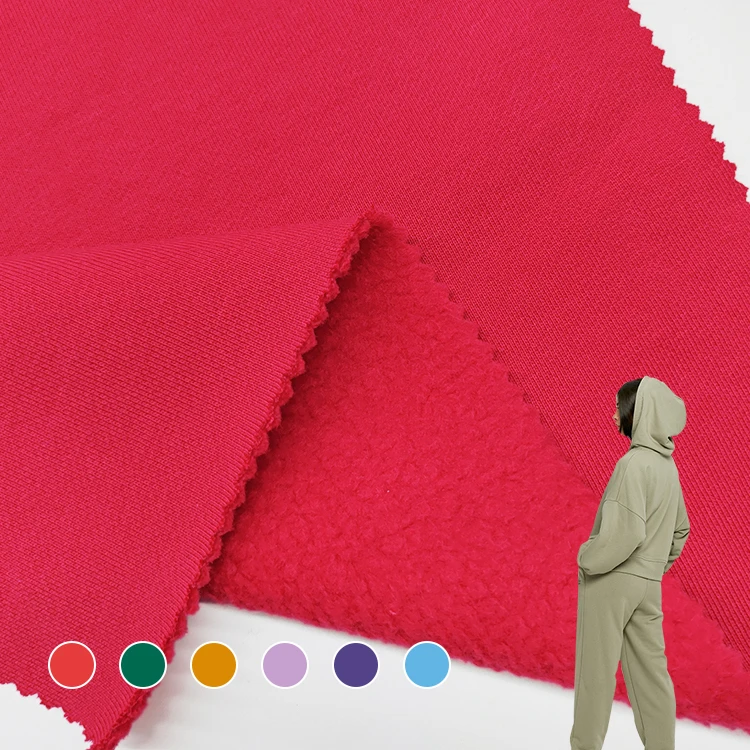
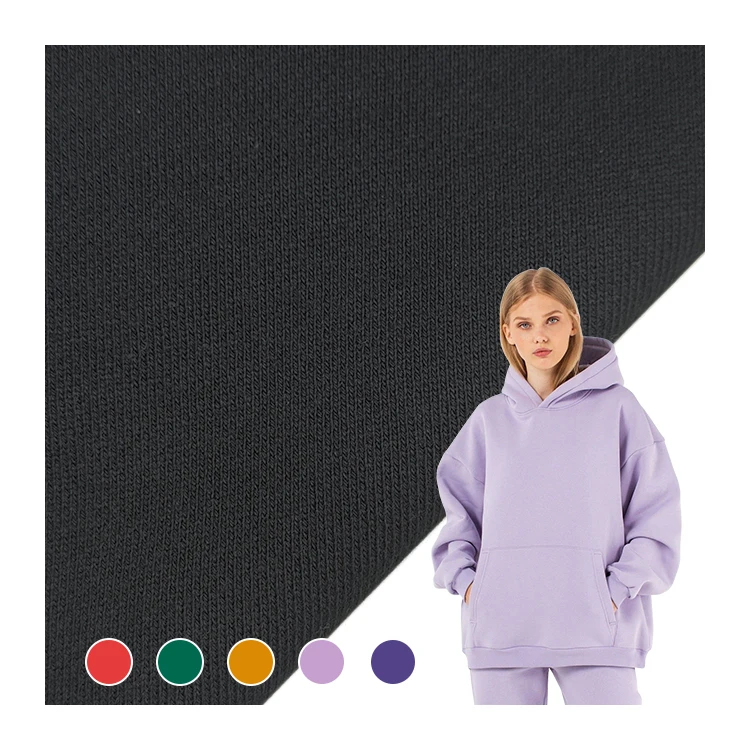
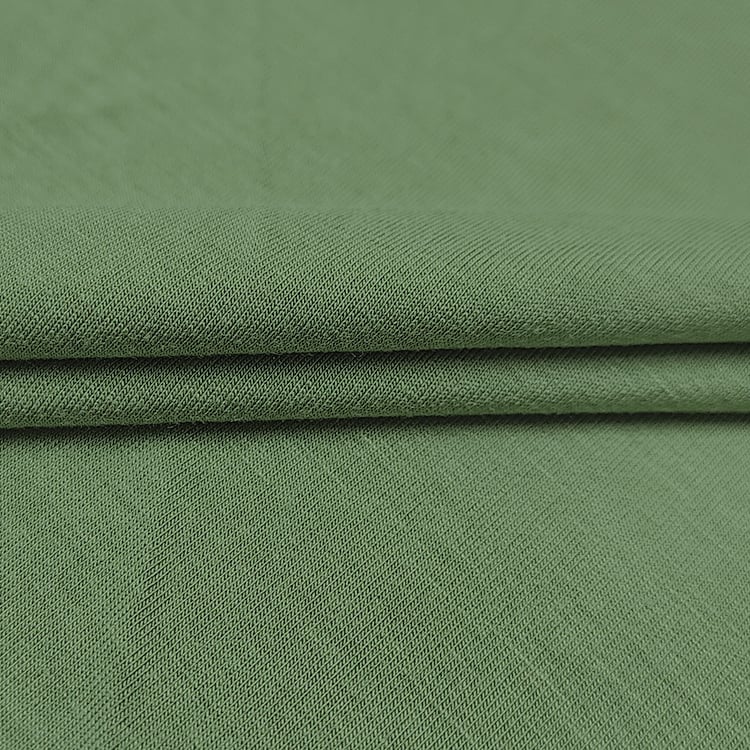
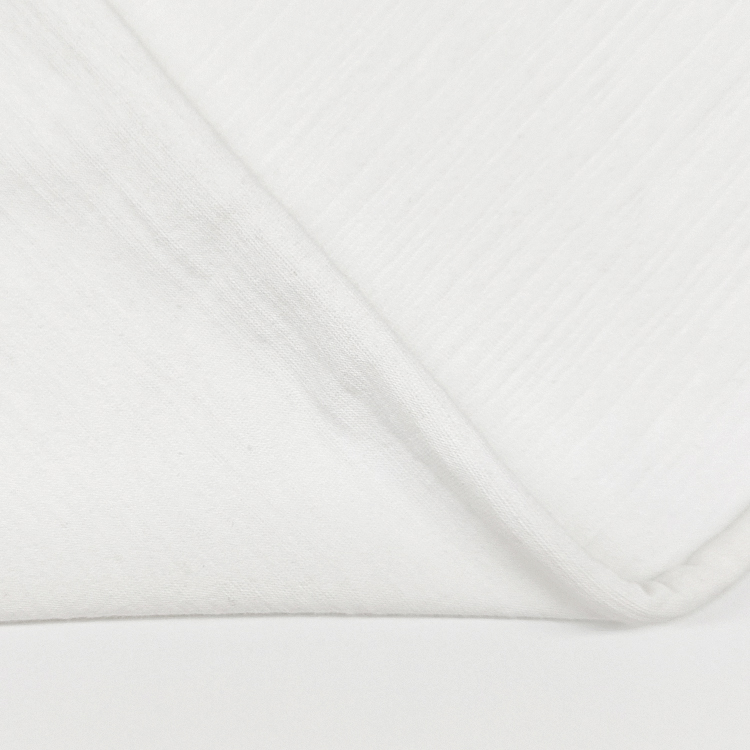
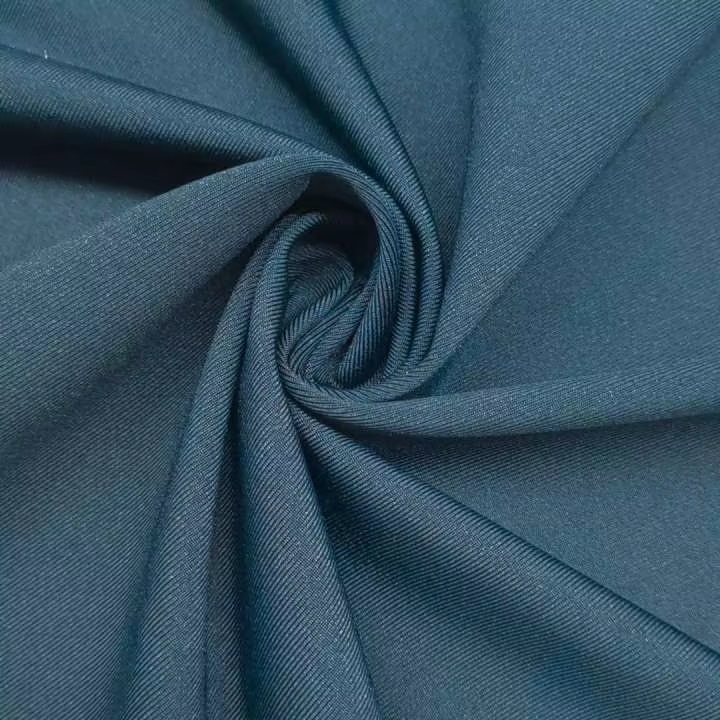
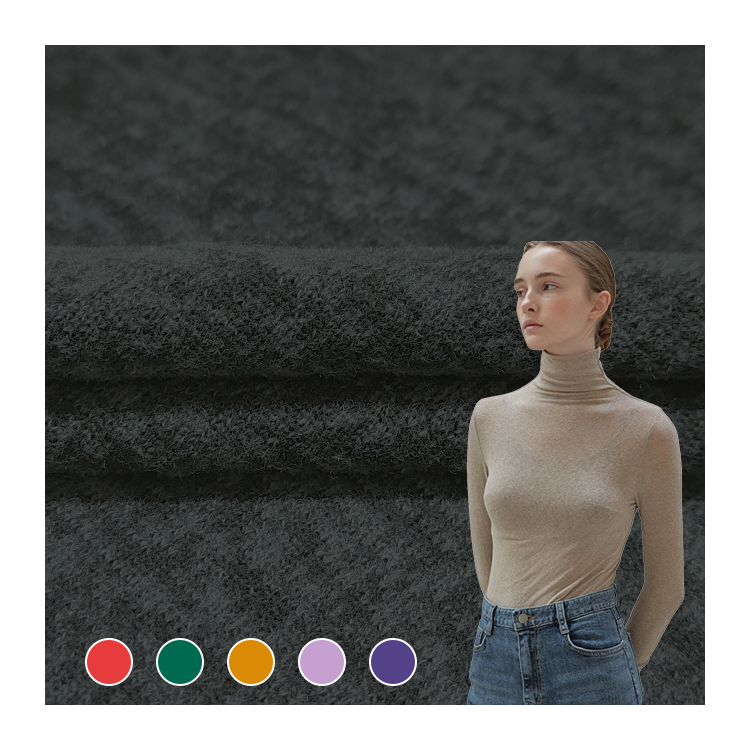
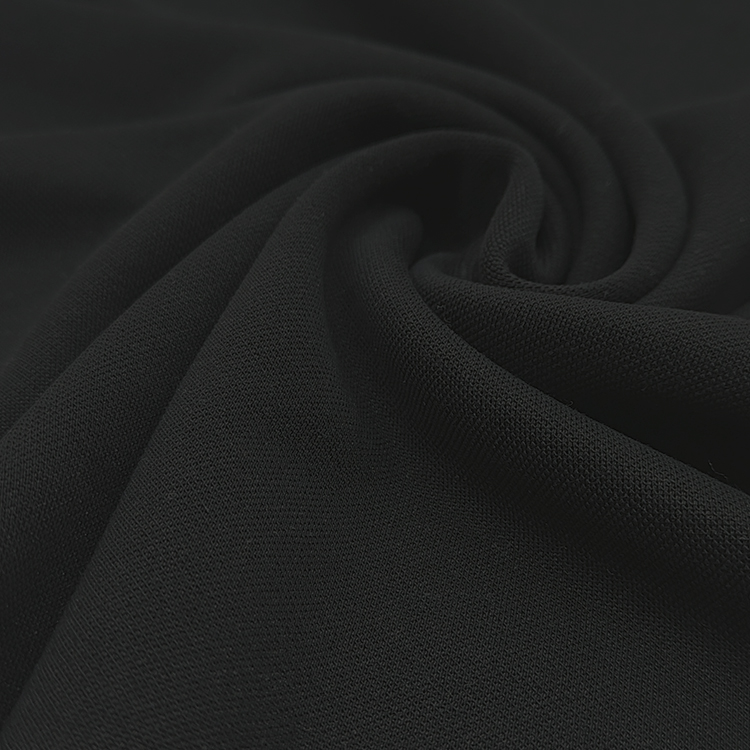
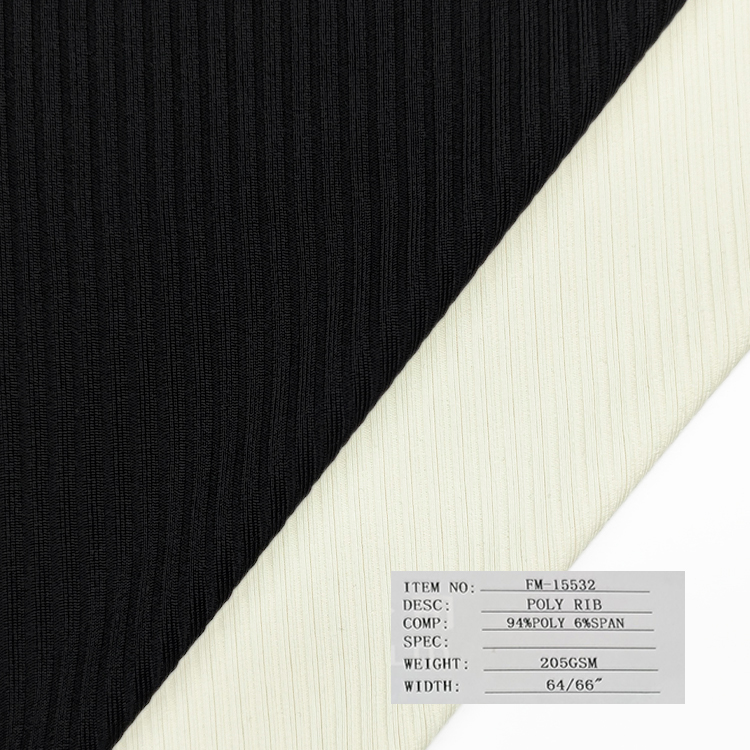
Recycled polyester fabric represents a significant advancement in sustainable textile manufacturing, transforming post-consumer plastic waste into high-performance material. This innovative fabric is created through a meticulous process of collecting, sorting, and processing used plastic bottles and containers into polyester fibers. The resulting material maintains the durability and versatility of traditional polyester while significantly reducing environmental impact. The fabric exhibits exceptional moisture-wicking properties, making it ideal for athletic wear and outdoor apparel. Its resilient nature ensures resistance to wrinkles, shrinking, and stretching, while providing excellent color retention through multiple washes. The manufacturing process requires significantly less energy compared to virgin polyester production, resulting in a reduced carbon footprint. The fabric's versatility extends across various applications, from fashion and sportswear to home furnishings and industrial uses. Its ability to blend seamlessly with other fibers enhances its adaptability, creating materials that combine the best properties of multiple textiles. The material's quick-drying characteristics and resistance to mildew make it particularly suitable for outdoor and performance wear.

New Products

Recycled polyester fabric offers numerous compelling advantages that make it an excellent choice for both manufacturers and consumers. First, its environmental impact is substantially lower than traditional polyester, as it diverts plastic waste from landfills and oceans. Each kilogram of recycled polyester saves approximately 70 plastic bottles from entering the environment. The fabric's production process consumes up to 50% less energy compared to virgin polyester manufacturing, significantly reducing greenhouse gas emissions. From a performance perspective, recycled polyester maintains exceptional durability and strength, often matching or exceeding the quality of conventional polyester. The material demonstrates remarkable color fastness and shape retention, ensuring garments maintain their appearance through repeated use and washing. Its moisture-wicking properties make it ideal for athletic and outdoor applications, while its quick-drying nature enhances user comfort. The fabric's versatility allows for various finishing treatments, enabling manufacturers to create products with specific performance characteristics such as UV protection, antimicrobial properties, or water resistance. Economically, as recycling technologies advance and scale increases, recycled polyester becomes increasingly cost-competitive with virgin materials. The fabric's ability to be recycled multiple times extends its lifecycle, contributing to a circular economy model. Additionally, brands using recycled polyester can appeal to environmentally conscious consumers, potentially commanding premium pricing while contributing to sustainability goals.

Latest News

Unique Fabrics Developed With Functional Tags By Feimei/Yongshu

12

Nov

Unique Fabrics Developed With Functional Tags By Feimei/Yongshu

View More
New Trends Texture Fabric From Yongshu / Feimei - Perfect for Your Collection

12

Nov

New Trends Texture Fabric From Yongshu / Feimei - Perfect for Your Collection

View More
Yongshu / Feimei Knitting Fabric Factory: Your Global Partner for Premium Knit Fabrics

12

Nov

Yongshu / Feimei Knitting Fabric Factory: Your Global Partner for Premium Knit Fabrics

View More
Your One-Stop Knitted Fabric Partner for South America | Fast Delivery & OEM

12

Nov

Your One-Stop Knitted Fabric Partner for South America | Fast Delivery & OEM

View More

Get a Free Quote

Our representative will contact you soon.
Email
Name
Company Name
Message
0/1000

recycled polyester fabric

Superior Environmental Performance

Superior Environmental Performance

Recycled polyester fabric stands as a testament to sustainable innovation in the textile industry, offering remarkable environmental benefits that set it apart from conventional materials. Each meter of recycled polyester fabric represents approximately 27 plastic bottles diverted from landfills or oceans, creating a significant positive environmental impact. The production process requires up to 59% less energy compared to virgin polyester manufacturing, resulting in a substantial reduction in carbon emissions. This environmental efficiency extends beyond production, as the fabric maintains its recyclability, enabling multiple life cycles and supporting circular economy principles. The material's durability ensures extended product lifespans, reducing the frequency of replacement and further minimizing environmental impact.
Enhanced Performance Characteristics

Enhanced Performance Characteristics

The technological advancements in recycled polyester manufacturing have resulted in a fabric that exhibits exceptional performance characteristics. The material demonstrates superior moisture management properties, wicking moisture away from the skin up to 50% faster than traditional polyester. Its quick-drying capabilities, typically achieving complete drying in less than half the time of natural fibers, make it ideal for active wear and outdoor applications. The fabric maintains its shape and color integrity through hundreds of wash cycles, showing minimal signs of wear or fading. Advanced manufacturing processes enable the integration of specialized treatments, such as antimicrobial properties and UV protection, without compromising the material's sustainable nature.
Versatility and Adaptability

Versatility and Adaptability

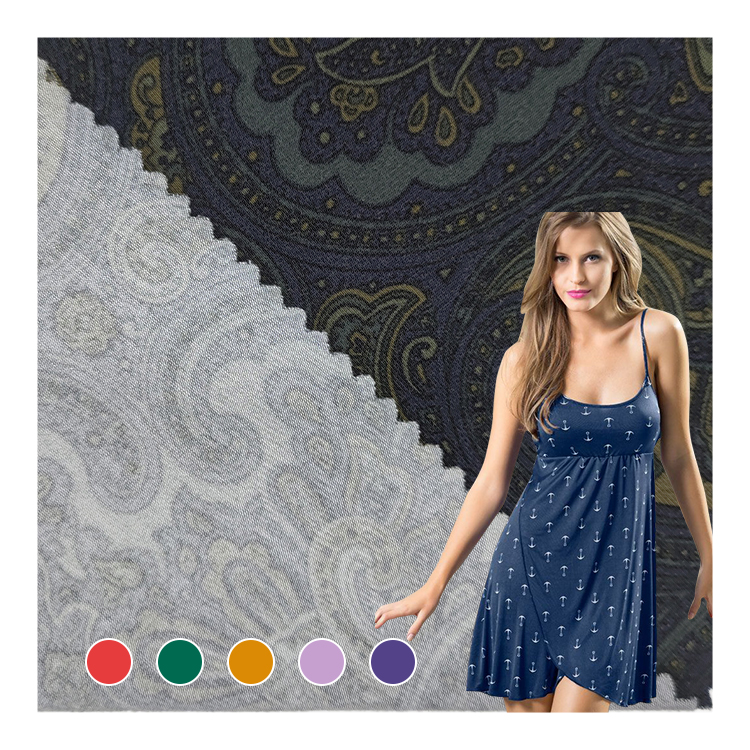
Recycled polyester fabric showcases remarkable versatility across various applications, making it a preferred choice for diverse industries. The material can be engineered to different weights and textures, from lightweight performance wear to heavy-duty upholstery applications. Its ability to blend with other fibers creates hybrid materials that combine the best properties of multiple textiles, such as the comfort of cotton with the durability of polyester. The fabric accepts dyes and prints exceptionally well, allowing for vibrant colors and intricate patterns that maintain their appearance over time. Its adaptability extends to various finishing treatments, enabling manufacturers to create specialized products meeting specific performance requirements while maintaining sustainability credentials.