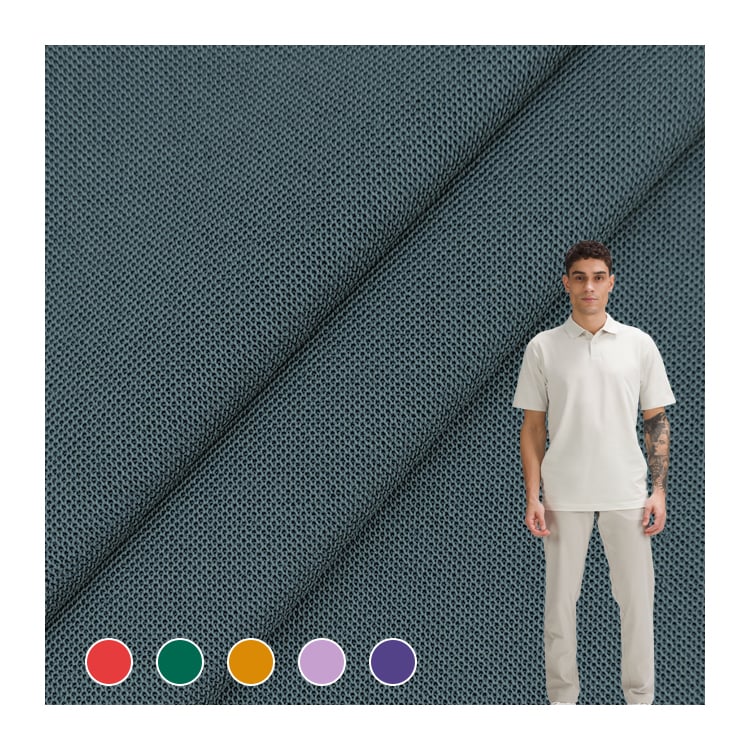
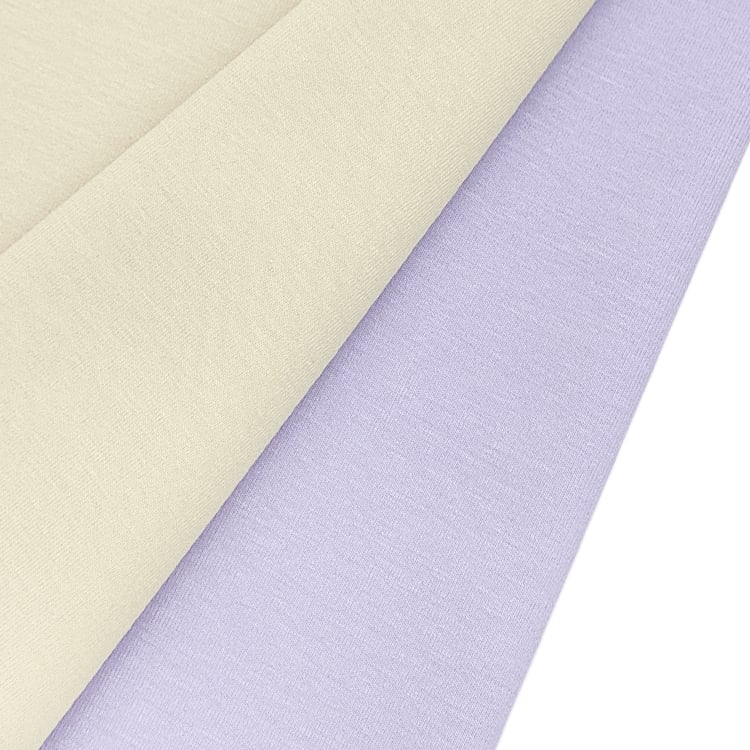
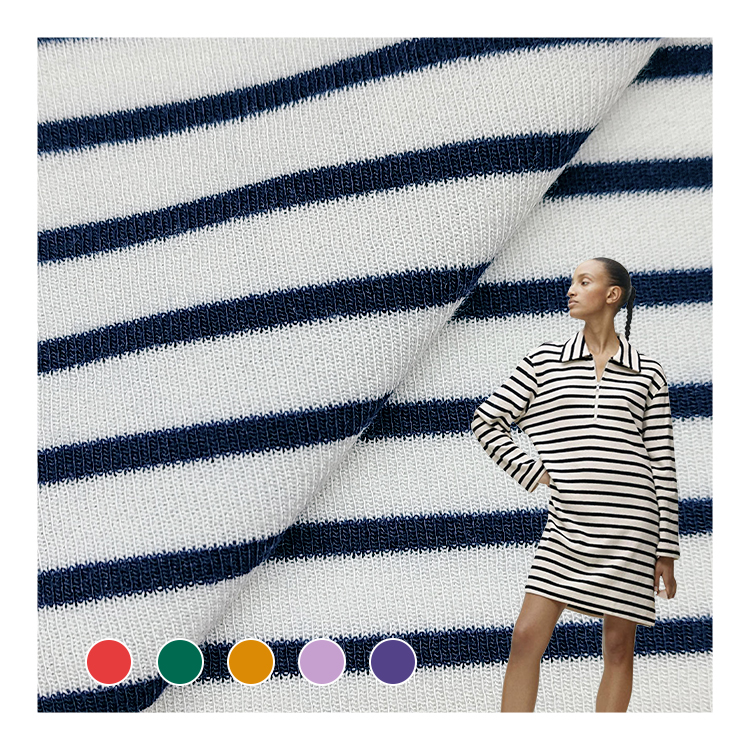
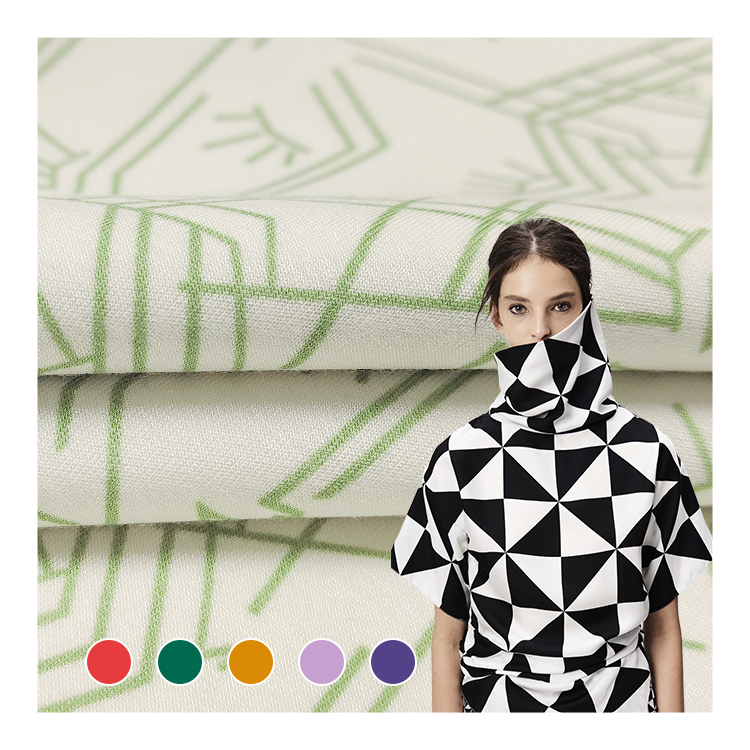
Ribbed Knit Fabrics: Features & Applications

Get a Free Quote

Our representative will contact you soon.
Email
Name
Company Name
Message
0/1000

ribbed knit fabrics

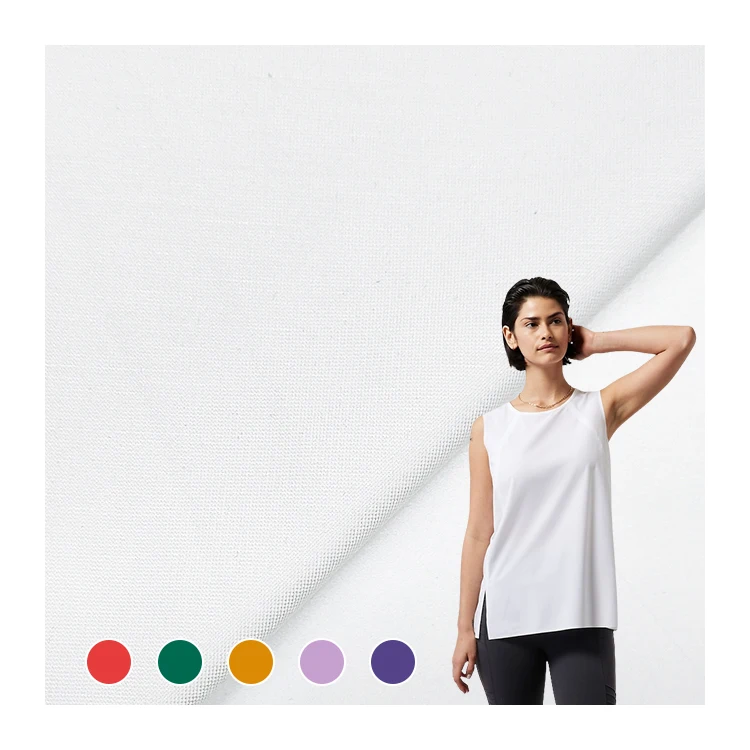
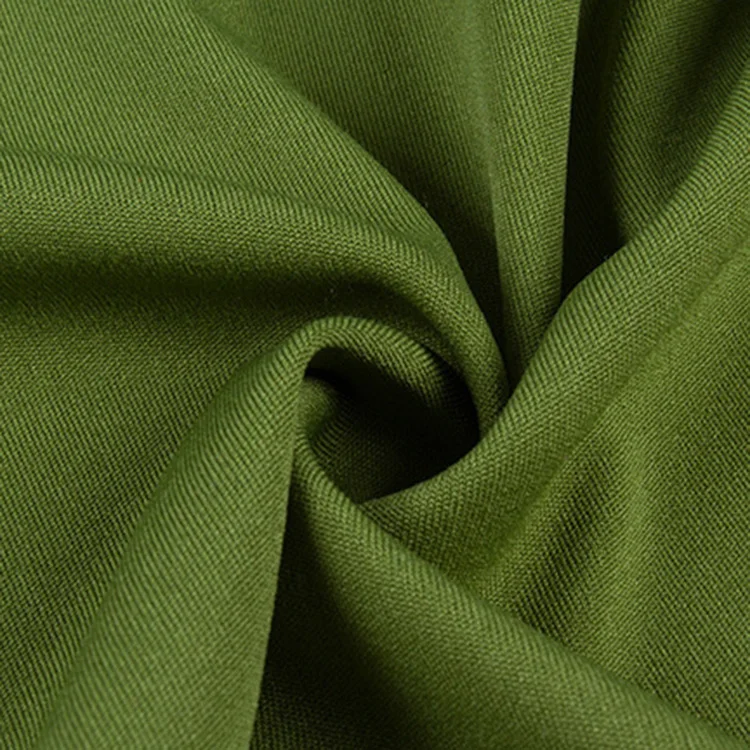
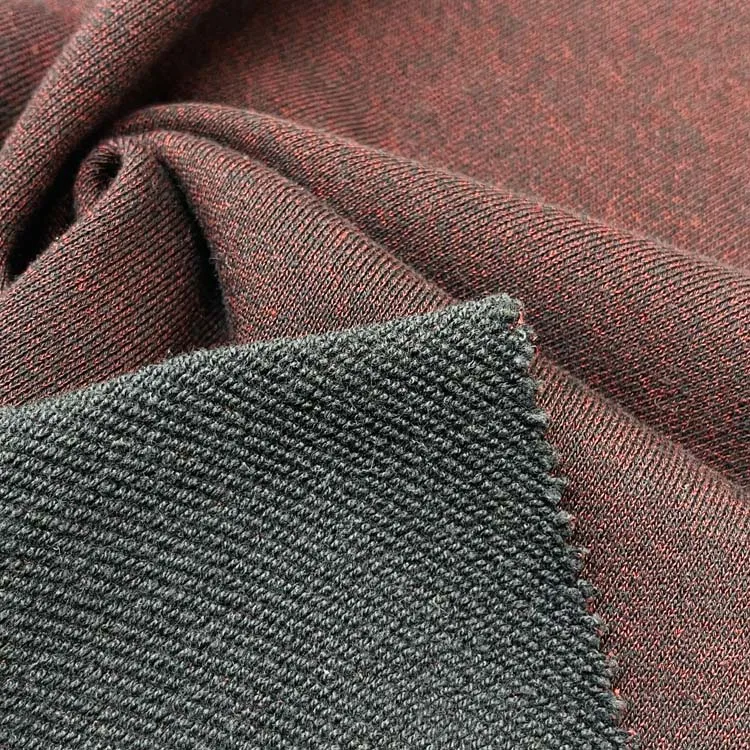
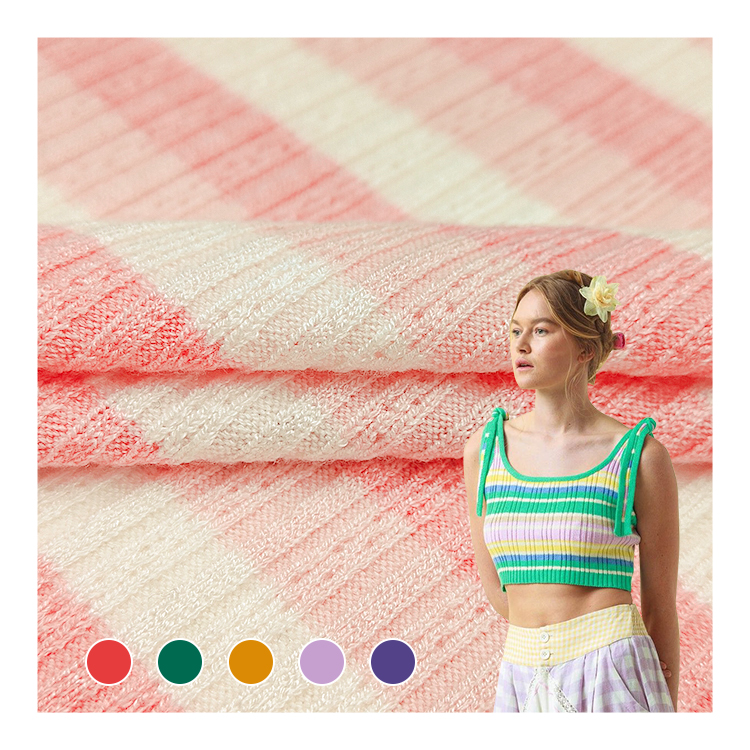
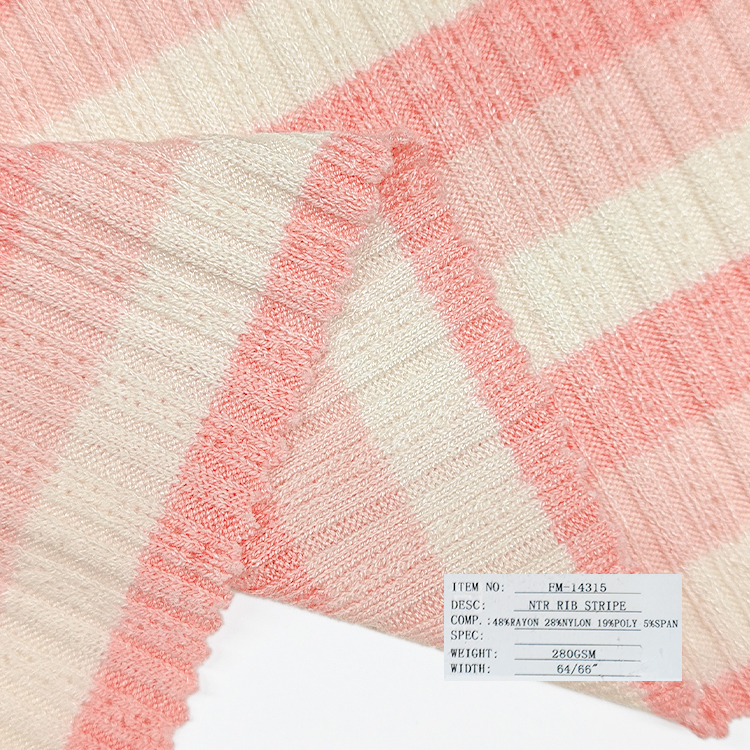
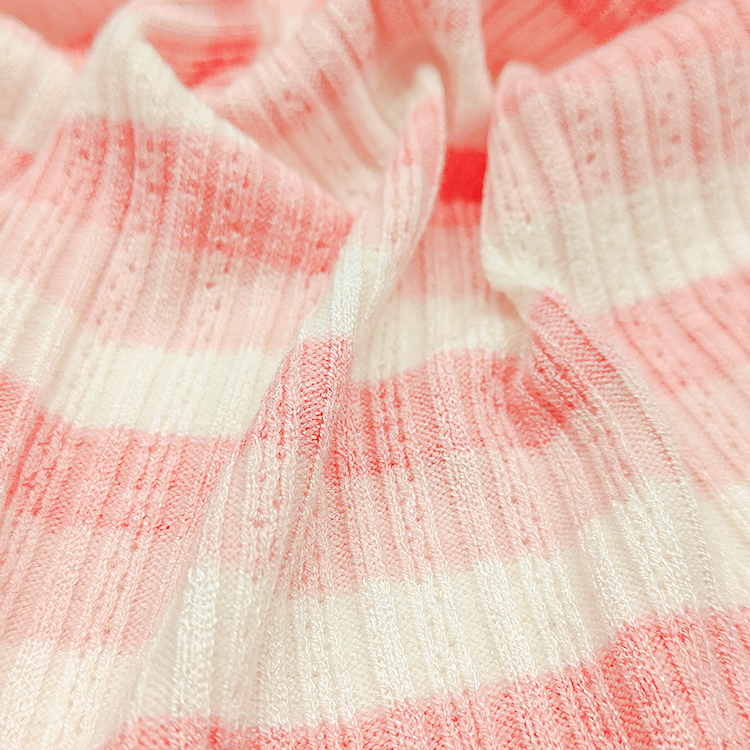
Ribbed knit fabrics represent a distinctive category of textile materials characterized by their vertical ridges and valleys created through specialized knitting techniques. These fabrics feature alternating columns of knit and purl stitches, producing a textured surface with remarkable elasticity and visual appeal. The construction method involves using rib knitting machines that create a double-sided fabric structure, resulting in enhanced thickness and durability compared to standard knit materials. Ribbed knit fabrics exhibit exceptional stretch and recovery properties, making them ideal for garments requiring close fit and comfort. The technological features include superior dimensional stability, excellent breathability, and resistance to curling at edges, which simplifies garment construction and finishing processes. These fabrics maintain their shape even after repeated washing and wearing, demonstrating long-lasting performance. The raised rib structure provides natural insulation by trapping air between the ridges, offering warmth without excessive bulk. Applications span across various sectors including apparel manufacturing, where ribbed knit fabrics are commonly used for collar bands, cuffs, waistbands, and full garments such as sweaters, cardigans, and activewear. The fashion industry values these materials for creating form-fitting silhouettes while ensuring wearer comfort. Additionally, ribbed knit fabrics find use in home textiles, accessories, and specialty applications where elasticity combined with aesthetic texture is desired. The versatility of these fabrics allows for customization in terms of rib width, gauge, fiber content, and finishing treatments to meet specific performance requirements.

New Products

Choosing ribbed knit fabrics delivers multiple practical benefits that directly impact product quality and customer satisfaction. The inherent stretch capability ensures garments fit comfortably across diverse body types while maintaining their original shape, reducing the need for complex sizing variations and decreasing return rates for manufacturers and retailers. This elasticity also enhances freedom of movement, making these fabrics particularly suitable for activewear, children's clothing, and casual wear where comfort is paramount. The self-finishing properties of ribbed knit fabrics save considerable production time and costs, as edges naturally resist rolling and fraying, eliminating the need for additional hemming or binding in many applications. From an operational perspective, these materials are easy to cut and sew using standard equipment, streamlining manufacturing workflows and reducing labor expenses. The breathable structure promotes air circulation, keeping wearers comfortable across various temperature conditions, which extends the seasonal versatility of finished products. Ribbed knit fabrics demonstrate excellent durability, withstanding frequent laundering without significant shrinkage or loss of elasticity, translating to longer product lifecycles and enhanced value for end consumers. The textured surface adds visual interest and a premium aesthetic quality that elevates basic garment designs, allowing brands to differentiate their offerings in competitive markets. These fabrics accept dyes uniformly and can be finished with various treatments including moisture-wicking, antimicrobial, or softening agents to enhance performance characteristics. The insulating properties provide warmth efficiency, making ribbed knit fabrics suitable for transitional and cold-weather apparel without adding excessive weight. For purchasing decisions, the combination of functionality, aesthetic appeal, cost-effectiveness in production, and proven consumer acceptance makes ribbed knit fabrics a strategic choice for manufacturers seeking reliable materials that deliver consistent results across multiple product categories.

Latest News

2025 Sportswear Fabric Guide: Top Materials for Athletes

15

Apr

2025 Sportswear Fabric Guide: Top Materials for Athletes

The athletic apparel industry continues to evolve rapidly in 2025, with innovative sportswear fabric technologies leading the charge in performance enhancement. Athletes today demand more than basic moisture management from their gear—they require fa...
View More
Best Rib Fabric for T-Shirts: Complete Buying Guide

15

Apr

Best Rib Fabric for T-Shirts: Complete Buying Guide

Selecting the ideal rib fabric for t-shirt production requires understanding fabric construction, fiber composition, and garment application requirements. Rib fabric represents a specialized knit construction characterized by vertical ridges and vall...
View More
Recycled Polyester Fabric vs Cotton: Which Wins?

30

Jun

Recycled Polyester Fabric vs Cotton: Which Wins?

When choosing between recycled polyester fabric and cotton, buyers face a decision that affects product performance, environmental impact, and long-term cost. Both materials carry strong reputations in the textile industry, but they serve different n...
View More
How to Choose Perfect Yoga Fabric for Your Practice

30

Jun

How to Choose Perfect Yoga Fabric for Your Practice

Choosing the right yoga fabric is one of the most important decisions you will make as a yoga practitioner or activewear designer. The yoga fabric you select directly affects how your body moves, breathes, and recovers during every session. Whether y...
View More

Get a Free Quote

Our representative will contact you soon.
Email
Name
Company Name
Message
0/1000

ribbed knit fabrics

Superior Stretch and Recovery Performance

Superior Stretch and Recovery Performance

Ribbed knit fabrics excel in providing exceptional stretch capabilities that accommodate body movement while consistently returning to original dimensions. This superior elasticity stems from the alternating knit-purl stitch structure that creates natural tension and flexibility in both lengthwise and crosswise directions. Unlike standard knit constructions, the ribbed structure maintains its elastic properties even after extended wear and multiple wash cycles, ensuring garments retain their fit and appearance over time. This performance characteristic is particularly valuable for manufacturers producing fitted garments, necklines, and trim applications where shape retention is critical. The recovery properties prevent sagging and bagging commonly associated with lower-quality knits, directly impacting customer satisfaction and reducing complaint rates. For activewear and performance clothing, this stretch-recovery balance enables unrestricted movement during physical activities while providing supportive compression where needed. The mechanical resilience of ribbed knit fabrics means fewer warranty claims and longer product lifecycles, contributing to brand reputation and customer loyalty. This combination of comfort, functionality, and durability makes these fabrics an investment in quality that pays dividends through enhanced wearer experience and reduced replacement frequency.
Versatile Application Across Product Categories

Versatile Application Across Product Categories

The adaptability of ribbed knit fabrics makes them invaluable across numerous manufacturing applications and market segments. These materials seamlessly transition from functional trim components like cuffs and waistbands to primary fabric for complete garments including sweaters, dresses, and fitted tops. The textured surface adds dimensional interest that enhances visual appeal without requiring additional embellishment or complex design elements. Fashion designers appreciate the ability to create sculptural silhouettes and body-conscious styles that flatter diverse figures while ensuring comfort. In childrenswear, ribbed knit fabrics provide the necessary stretch for easy dressing and accommodate rapid growth phases, extending garment usability. The thermal properties make these fabrics suitable for layering pieces and outerwear applications where warmth without bulk is desired. Beyond apparel, ribbed knit fabrics serve home textile markets for items like cushion covers, throws, and decorative accessories where texture and stretch are beneficial. The material accepts various finishing treatments, allowing customization for specific end uses such as moisture management for athletic wear or softening for intimate apparel. This versatility reduces inventory complexity for manufacturers who can utilize a single base fabric across multiple product lines, optimizing purchasing efficiency and reducing minimum order pressures while maintaining quality consistency throughout diverse offerings.
Cost-Effective Production and Processing Benefits

Cost-Effective Production and Processing Benefits

Ribbed knit fabrics offer significant economic advantages throughout the manufacturing process that positively impact overall profitability. The self-stabilizing edge characteristics eliminate the need for additional finishing steps required by fabrics prone to curling or raveling, directly reducing labor costs and production time. This efficiency becomes particularly valuable in high-volume manufacturing environments where even small time savings per unit accumulate into substantial cost reductions. The fabrics work well with automated cutting and sewing equipment, maintaining dimensional stability during handling and minimizing material waste from distortion or stretching during processing. The durability and wash stability of ribbed knit fabrics mean fewer quality control issues and returns, protecting profit margins and brand reputation. From a sourcing perspective, these fabrics are widely available from numerous suppliers at competitive price points, providing procurement flexibility and negotiating leverage. The ability to use ribbed knit fabrics for multiple garment components reduces the number of different materials needed per style, simplifying inventory management and reducing carrying costs. Energy efficiency during production is enhanced as the fabrics typically require less intensive finishing treatments compared to woven alternatives. For brands focused on sustainable practices, the longevity and durability of ribbed knit fabrics support circular economy principles by creating products that last longer and require replacement less frequently, aligning economic benefits with environmental responsibility.

Get a Free Quote

Our representative will contact you soon.
Email
Name
Company Name
Message
0/1000