Ribbing Jersey Fabric: Stretch, Quality & Uses

Get a Free Quote

Our representative will contact you soon.
Email
Name
Company Name
Message
0/1000

ribbing jersey

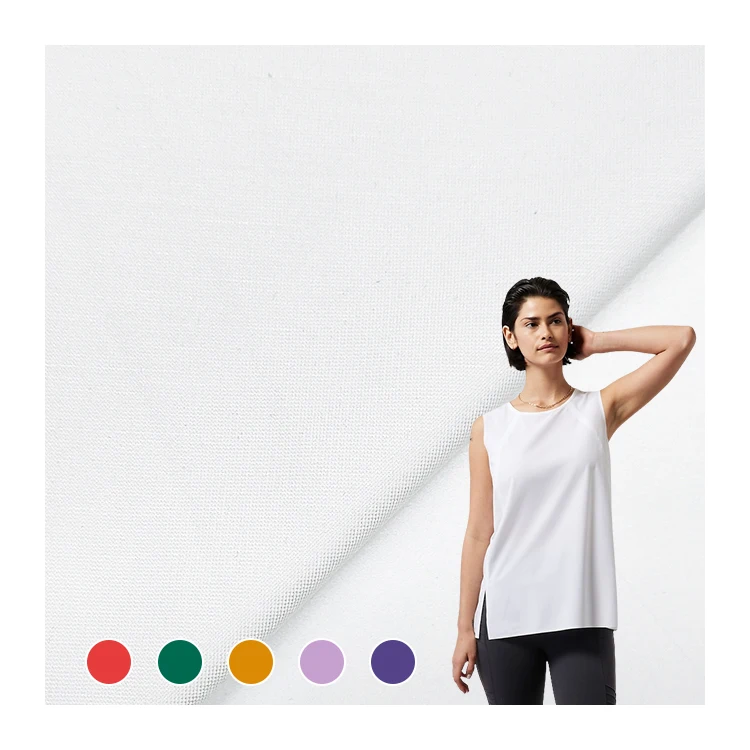
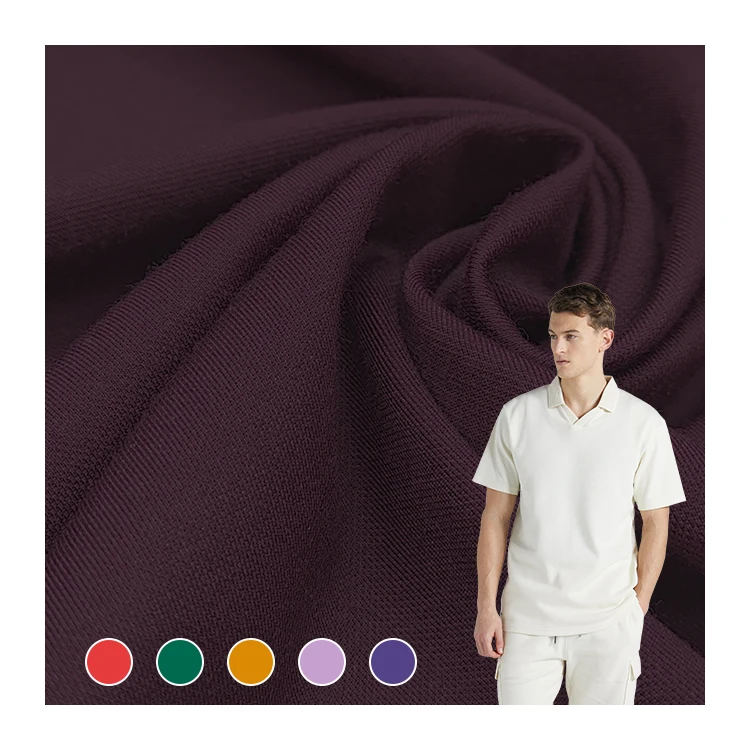
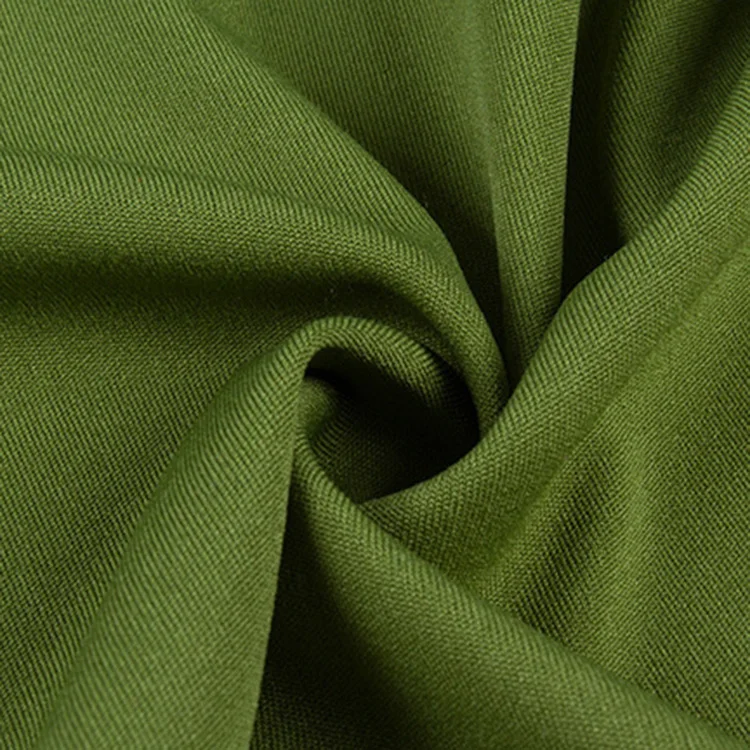
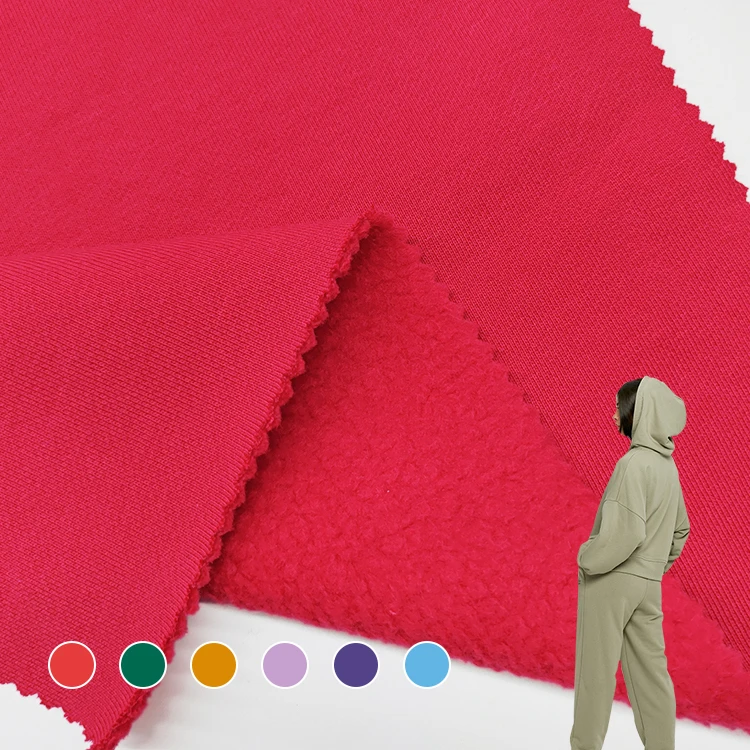
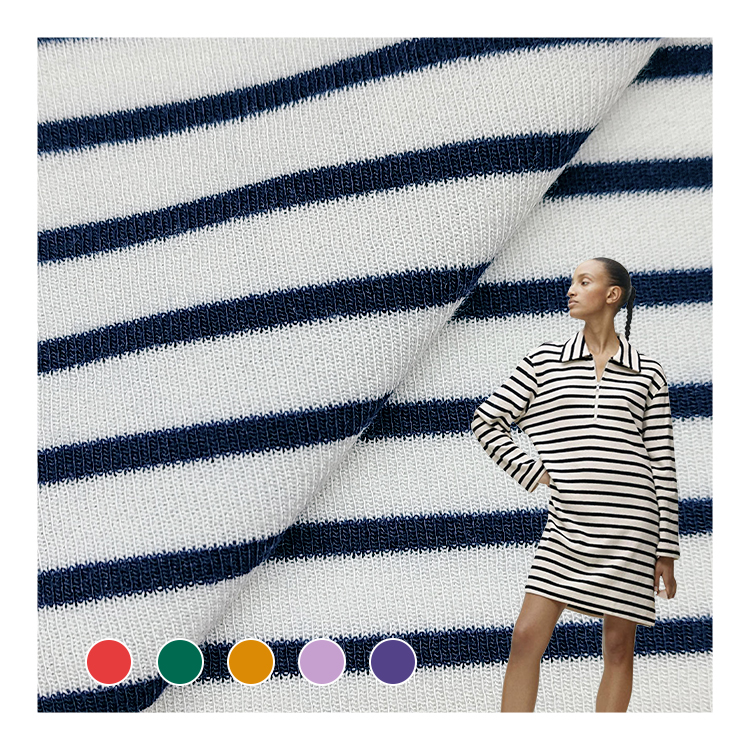
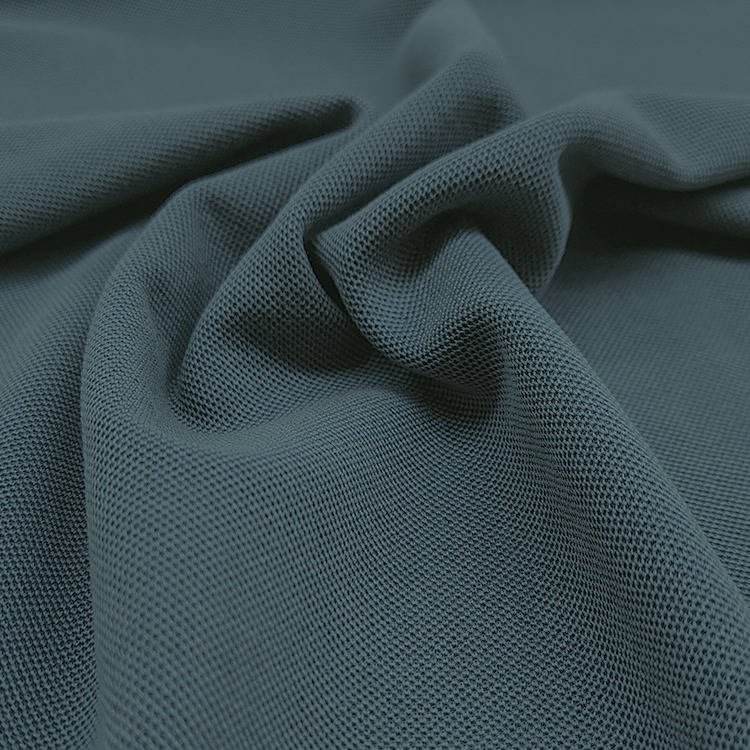
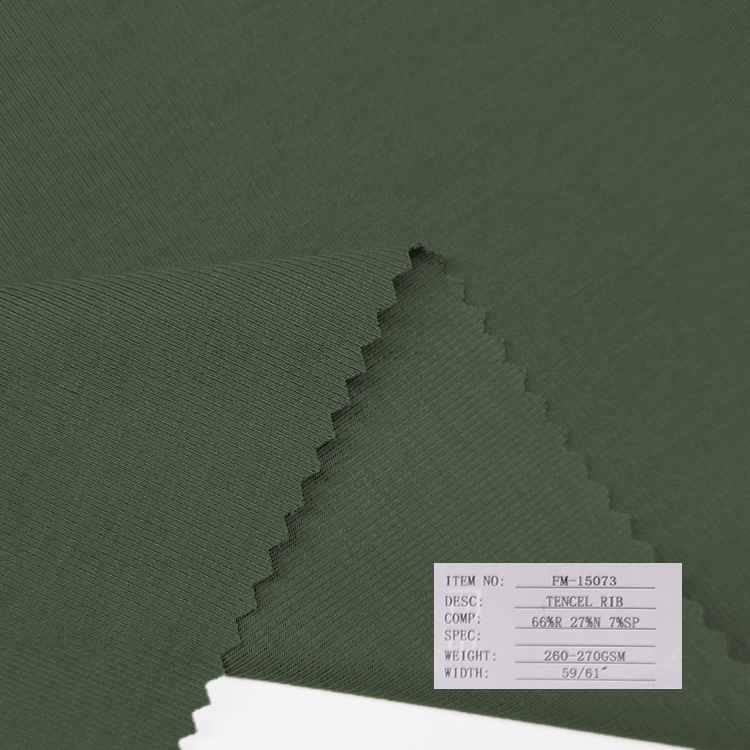
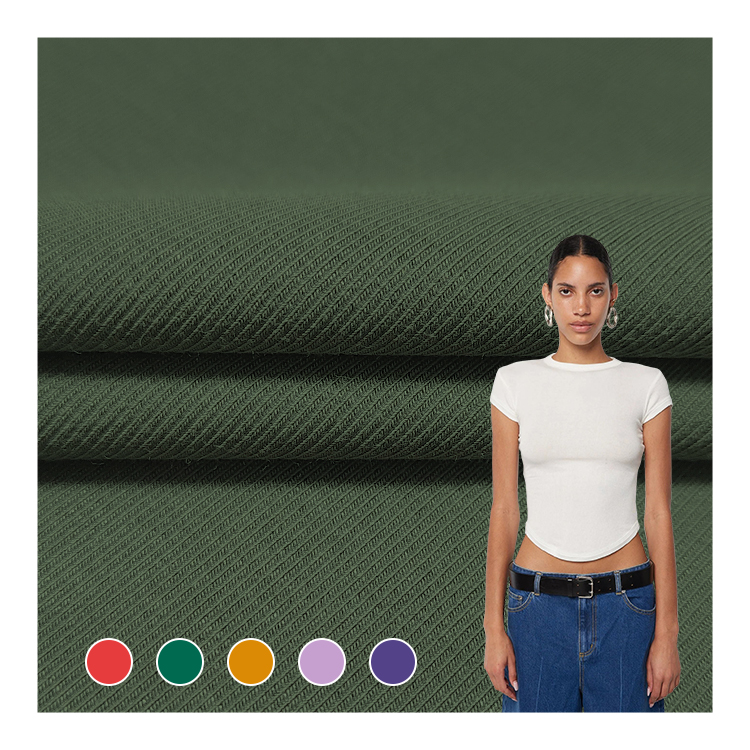
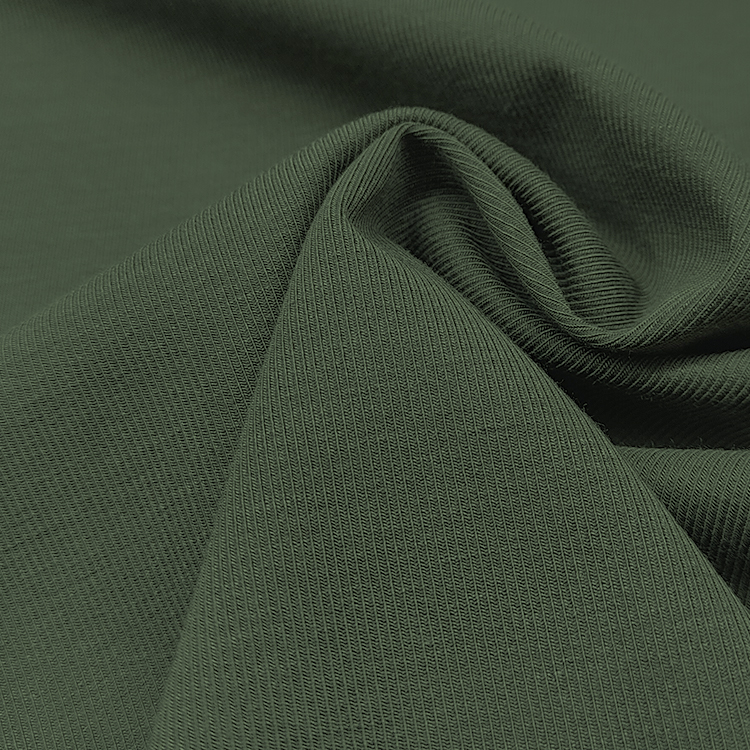
Ribbing jersey is a specialized knit fabric distinguished by its vertical ridges and grooves, created through alternating knit and purl stitches in a structured pattern. This unique construction method produces a highly elastic and dimensional textile that has become essential in modern garment manufacturing. The ribbing jersey features exceptional stretch and recovery properties, allowing it to expand significantly and return to its original shape without distortion. This fabric finds extensive application in areas requiring flexible yet form-fitting characteristics, including cuffs, collars, waistbands, necklines, and full garment construction. The technological foundation of ribbing jersey relies on specialized circular knitting machines that create the distinctive ribbed structure, typically in configurations such as 1x1, 2x2, or other rib patterns depending on desired elasticity and appearance. The fabric can be manufactured from various fiber compositions including cotton, polyester, spandex blends, wool, and synthetic combinations, each offering distinct performance characteristics. Ribbing jersey provides superior shape retention compared to standard jersey knits, making it particularly valuable for garments that must maintain their fit through repeated wear and washing. The fabric's inherent elasticity eliminates the need for additional elastic insertions in many applications, streamlining production processes. Its versatility extends across athletic wear, casual clothing, children's garments, and fashion apparel, where comfort and flexibility are paramount. The ribbing jersey construction creates natural insulation properties through its textured surface, enhancing thermal regulation for wearer comfort across different climate conditions.

New Products

Choosing ribbing jersey delivers significant practical benefits that directly impact both manufacturing efficiency and end-user satisfaction. This fabric excels in providing exceptional dimensional stability, meaning garments maintain their intended shape and fit even after extensive use and multiple wash cycles. The inherent elasticity of ribbing jersey allows manufacturers to reduce material waste during cutting and sewing operations, as the fabric's forgiving nature accommodates slight variations in pattern cutting while still producing consistent results. For consumers, this translates to clothing that moves naturally with the body, offering unrestricted comfort during daily activities without binding or restricting movement. The fabric's recovery properties ensure that areas subject to frequent stretching, such as necklines and sleeve cuffs, resist sagging and deformation over time, extending garment lifespan and maintaining professional appearance. Ribbing jersey adapts seamlessly to various production environments, compatible with standard sewing equipment while requiring minimal specialized handling compared to more delicate knits. The fabric's versatility in fiber composition allows buyers to select options that align with specific performance requirements, whether prioritizing moisture management for activewear, softness for children's clothing, or durability for workwear applications. Cost efficiency emerges as another compelling advantage, as ribbing jersey often eliminates the need for separate elastic materials and reduces finishing steps in garment construction. The fabric performs reliably across diverse applications, from tight-fitting athletic garments to relaxed casual wear, providing designers with creative flexibility. Temperature regulation naturally occurs through the ribbed structure, which creates air pockets that provide warmth in cool conditions while allowing breathability when needed. This multifunctional performance makes ribbing jersey an intelligent choice for brands seeking to optimize production costs while delivering quality products that meet consumer expectations for comfort, durability, and style.

Latest News

Recycled Polyester Fabric vs Cotton: Which Wins?

30

Jun

Recycled Polyester Fabric vs Cotton: Which Wins?

When choosing between recycled polyester fabric and cotton, buyers face a decision that affects product performance, environmental impact, and long-term cost. Both materials carry strong reputations in the textile industry, but they serve different n...
View More
How to Choose Perfect Yoga Fabric for Your Practice

30

Jun

How to Choose Perfect Yoga Fabric for Your Practice

Choosing the right yoga fabric is one of the most important decisions you will make as a yoga practitioner or activewear designer. The yoga fabric you select directly affects how your body moves, breathes, and recovers during every session. Whether y...
View More
Yoga Fabric vs Cotton: Which Performs Better?

30

Jun

Yoga Fabric vs Cotton: Which Performs Better?

Choosing the right yoga fabric is one of the most important decisions a garment manufacturer or activewear brand makes. The material you select directly affects how a yoga garment fits, moves, breathes, and holds up after repeated use. With so many o...
View More
Top Yoga Fabric Types for Ultimate Comfort

30

Jun

Top Yoga Fabric Types for Ultimate Comfort

Choosing the right yoga fabric is one of the most important decisions any yoga wear designer, retailer, or active consumer can make. The yoga fabric you select directly affects how a garment feels during movement, how well it manages moisture, and ho...
View More

Get a Free Quote

Our representative will contact you soon.
Email
Name
Company Name
Message
0/1000

ribbing jersey

Superior Stretch and Recovery Performance

Superior Stretch and Recovery Performance

The defining characteristic of ribbing jersey lies in its remarkable stretch and recovery capabilities, engineered through its distinctive knit construction. Unlike standard jersey fabrics that stretch primarily in one direction, ribbing jersey provides controlled elasticity that expands significantly across the width while maintaining structural integrity along the length. This bidirectional stability results from the alternating knit and purl stitch pattern, which creates vertical columns that can expand and contract repeatedly without losing their original form. For garment manufacturers, this means consistent performance in critical applications where fit and comfort cannot be compromised. The fabric returns to its original dimensions after stretching, preventing the baggy, worn-out appearance that plagues lesser-quality knits. This recovery property proves particularly valuable in high-stress areas such as necklines that must withstand repeated pulling during dressing, or waistbands that experience constant tension. Consumers benefit from garments that look newer longer, maintaining their intended silhouette through countless wear cycles. The stretch properties also enhance wearing comfort by accommodating body movement naturally, making ribbing jersey ideal for active lifestyles and growing children's clothing where flexibility is essential.
Versatile Fiber Compatibility and Customization

Versatile Fiber Compatibility and Customization

Ribbing jersey demonstrates exceptional adaptability through its compatibility with diverse fiber types and blend combinations, enabling precise customization for specific application requirements. Manufacturers can produce ribbing jersey from pure cotton for soft, breathable casual wear, incorporate polyester for enhanced durability and wrinkle resistance, or add spandex for increased stretch performance in athletic applications. Wool ribbing jersey offers superior warmth and natural moisture management for cold-weather garments, while synthetic blends provide quick-drying properties for performance sportswear. This fiber flexibility allows brands to engineer fabrics that address particular market demands without compromising the fundamental benefits of the ribbed construction. The customization extends to weight variations, from lightweight ribbing jersey suitable for delicate necklines to heavyweight versions ideal for standalone garments like sweaters and dresses. Texture and appearance can be modified through different rib configurations, with narrow 1x1 ribs creating subtle definition and wider 2x2 or 3x3 patterns producing more pronounced visual texture. Color retention varies by fiber choice, with synthetic blends typically offering superior fade resistance while natural fibers provide eco-friendly appeal. This versatility empowers designers to select ribbing jersey specifications that align perfectly with brand positioning, target market preferences, and intended garment function.
Streamlined Manufacturing and Cost Efficiency

Streamlined Manufacturing and Cost Efficiency

Ribbing jersey offers substantial operational advantages that reduce production complexity and lower manufacturing costs throughout the garment creation process. The fabric's self-finished edges minimize raveling during cutting and handling, reducing material waste and speeding up production workflows. Its forgiving nature accommodates minor variations in cutting precision without compromising final garment quality, which proves especially valuable in high-volume production environments where speed and consistency are critical. Ribbing jersey typically requires fewer processing steps than woven fabrics, as its knit construction eliminates the need for hem finishing in many applications and its inherent elasticity often removes requirements for separate elastic insertions. Sewing operations proceed smoothly with standard equipment and needle types, avoiding the specialized handling demands of delicate or highly technical fabrics. The fabric's stability during sewing reduces seam puckering and distortion, decreasing rejection rates and rework requirements. For brands managing inventory, ribbing jersey's versatility across multiple garment components means fewer distinct fabric types need to be stocked, simplifying supply chain management and reducing minimum order quantities. The durability of finished garments translates to fewer customer returns and warranty claims, protecting brand reputation while improving profitability. These combined efficiencies make ribbing jersey an economically sound choice that delivers quality results without demanding premium production investments or specialized expertise.

Get a Free Quote

Our representative will contact you soon.
Email
Name
Company Name
Message
0/1000