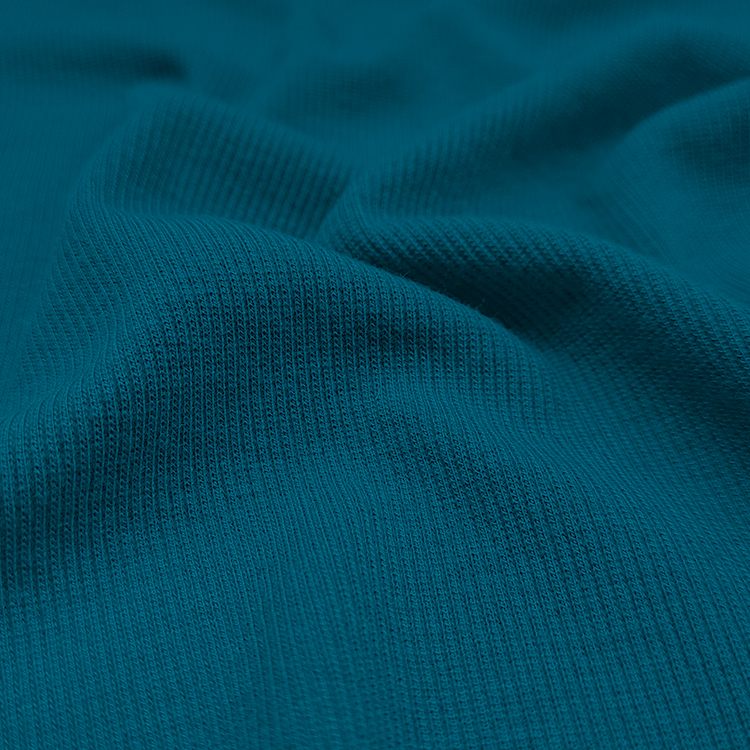
Fabric Rib: Elastic Textile Solutions Guide

Get a Free Quote

Our representative will contact you soon.
Email
Name
Company Name
Message
0/1000

fabric rib

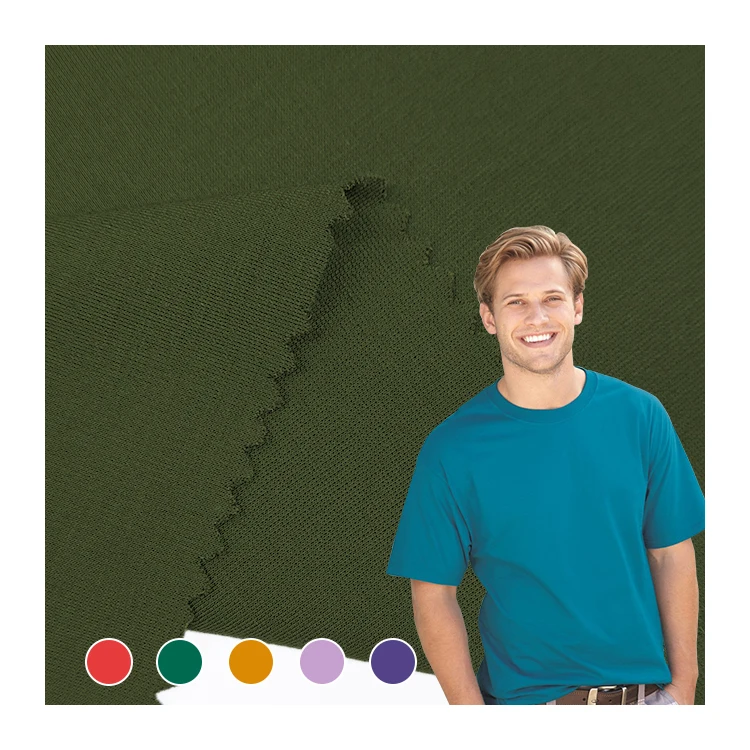
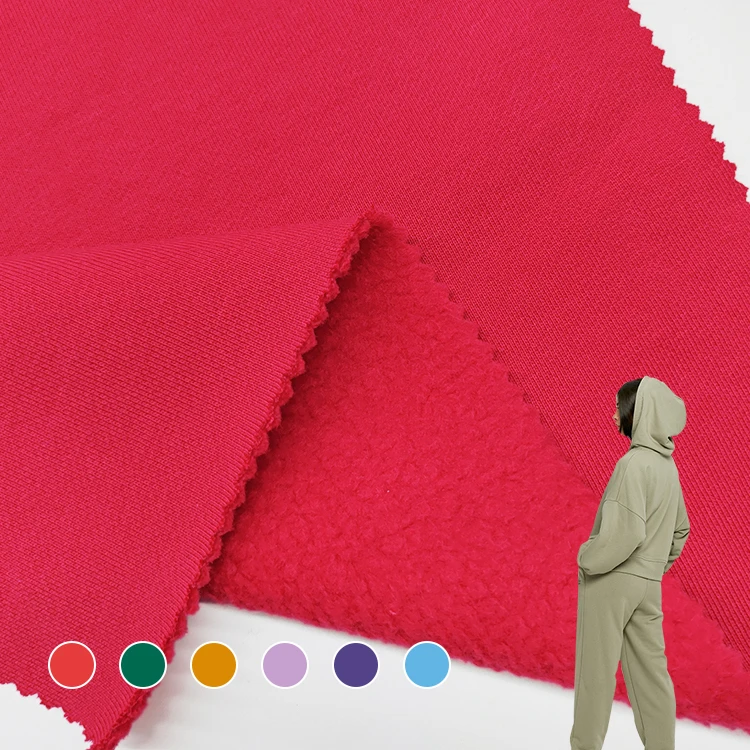
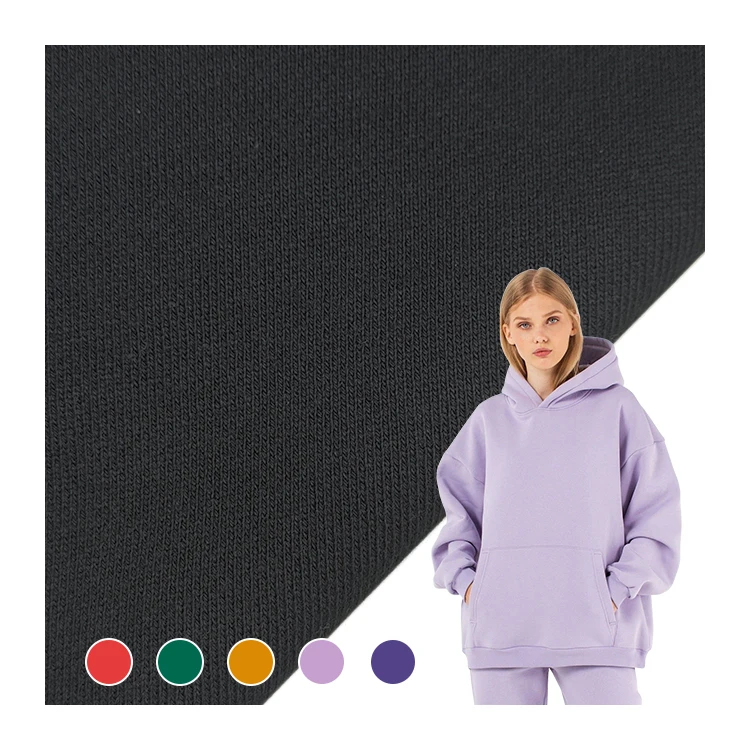
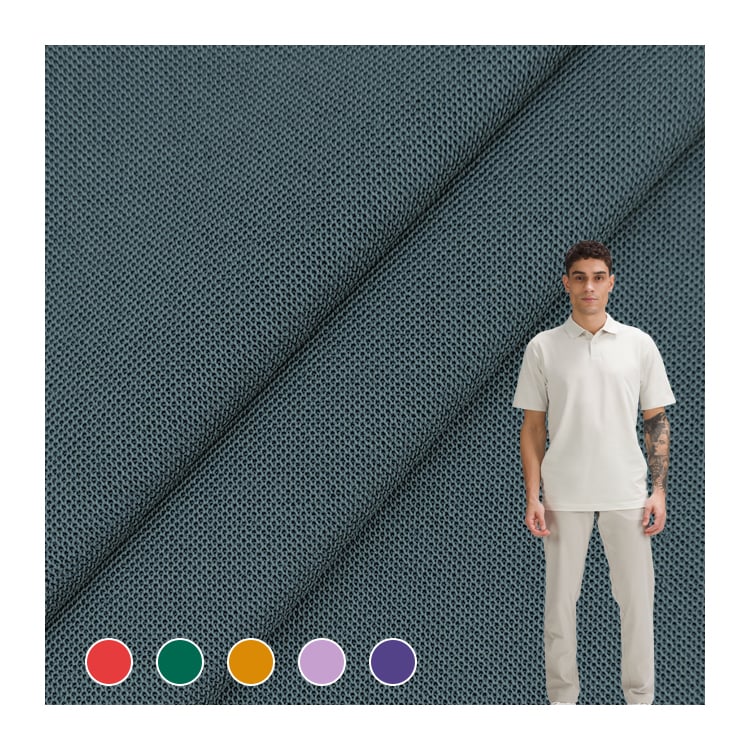
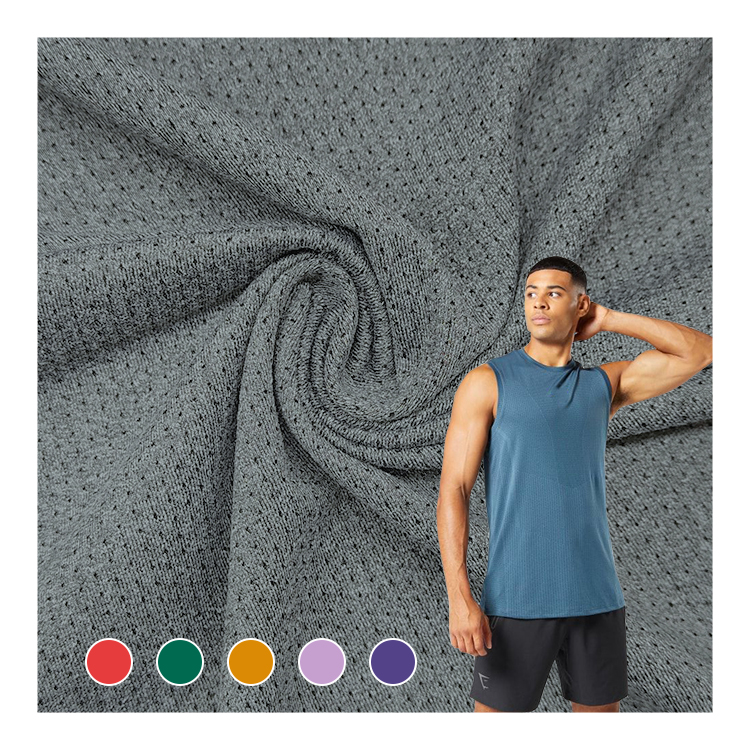
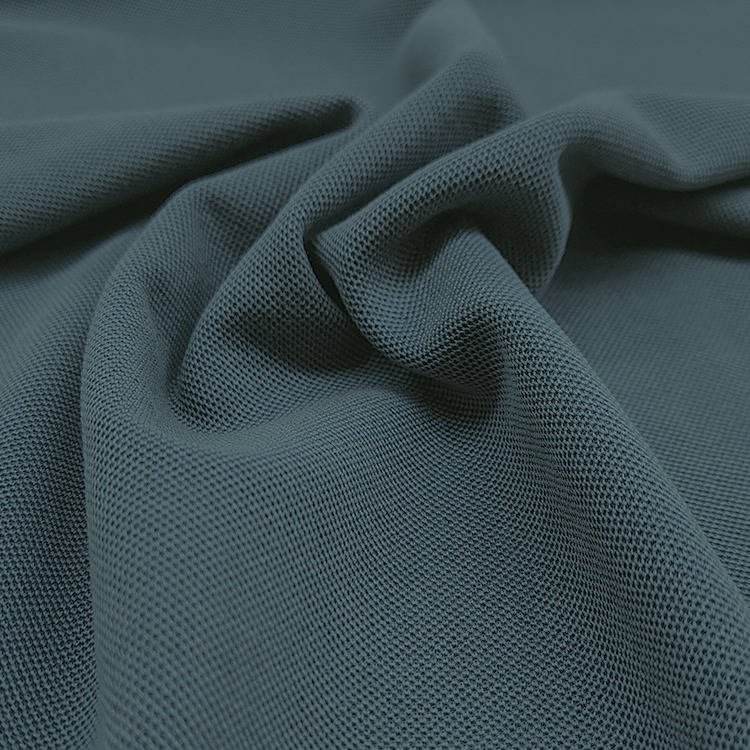
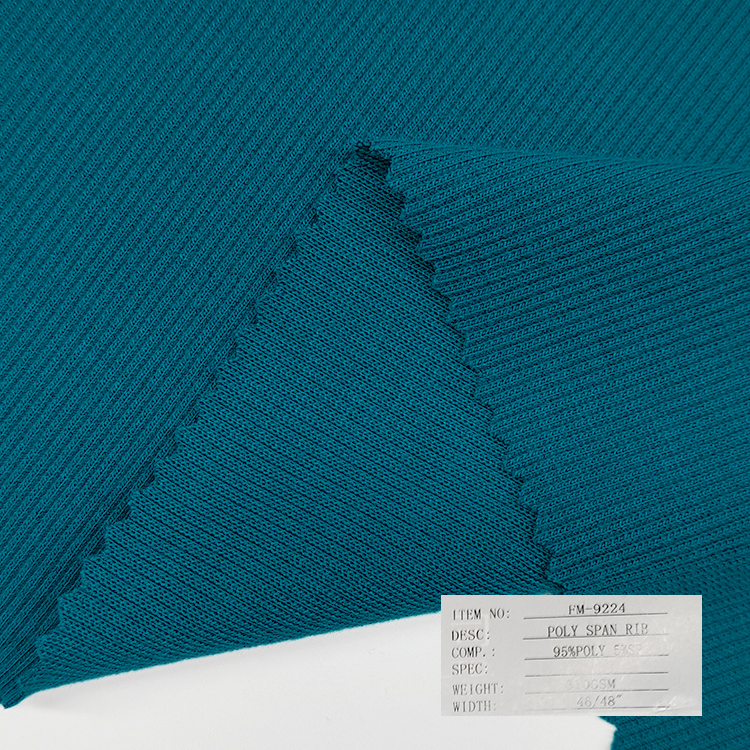
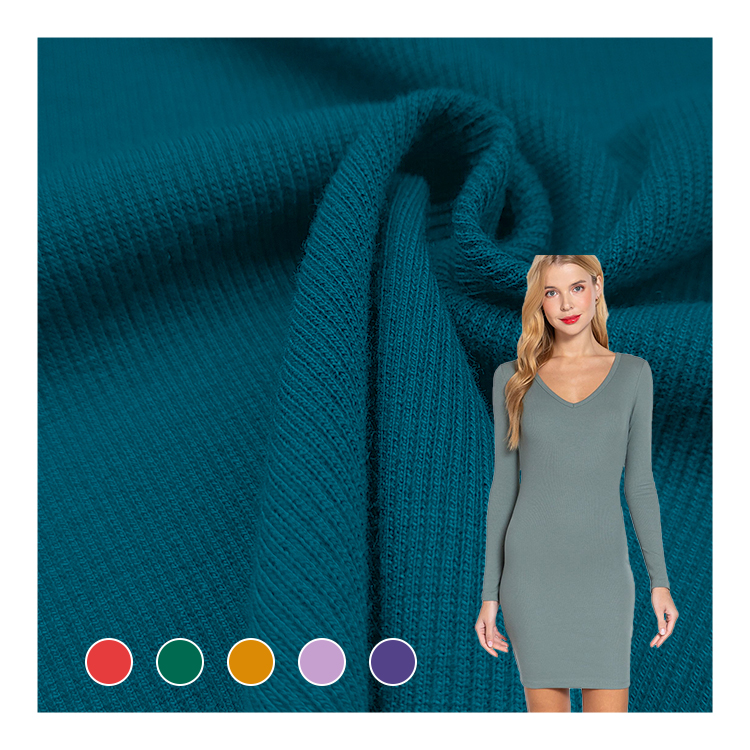
Fabric rib is a specialized knitted textile structure characterized by its distinctive vertical ridges and grooves that run parallel along the fabric surface. This unique construction method creates alternating columns of knit and purl stitches, resulting in a highly elastic and durable material with exceptional dimensional stability. The fabric rib construction process involves interlocking yarns in a specific pattern that produces a textured surface with superior stretch and recovery properties compared to standard knit fabrics. The ribbed structure naturally draws the material inward, creating a snug fit that makes fabric rib an ideal choice for garment edges, cuffs, collars, and waistbands. This textile innovation combines functionality with aesthetic appeal, offering designers and manufacturers a versatile solution for various applications. The fabric rib demonstrates remarkable resistance to deformation, maintaining its shape even after repeated stretching and washing cycles. Its inherent elasticity allows the material to conform comfortably to body contours while providing gentle compression without restricting movement. The alternating stitch pattern creates natural ventilation channels that enhance breathability and moisture management. Whether used in athletic wear, casual clothing, or industrial applications, fabric rib delivers consistent performance and long-lasting quality. The construction technique can be adapted to different yarn types, weights, and fiber compositions, enabling customization for specific performance requirements and aesthetic preferences across diverse market segments.

Popular Products

Choosing fabric rib for your textile projects delivers tangible benefits that directly impact product quality and customer satisfaction. The enhanced elasticity of fabric rib means garments maintain their fit and shape throughout their lifecycle, reducing returns and increasing buyer confidence in your products. This superior stretch and recovery capability translates to comfortable wear that moves with the body rather than against it, creating positive user experiences that build brand loyalty. The dimensional stability of fabric rib significantly reduces production waste and quality control issues, as the material resists curling and distortion during cutting and sewing operations, streamlining your manufacturing process and lowering operational costs. This structural integrity ensures consistent sizing across production runs, simplifying inventory management and reducing the need for alterations. The natural compression properties of fabric rib provide excellent edge finishing that eliminates the need for additional elastic insertions, reducing material costs and production time while creating cleaner, more professional-looking garments. The breathable structure promotes air circulation and moisture wicking, making fabric rib particularly suitable for activewear and garments worn close to the skin, expanding your product range into high-demand market segments. The versatility of fabric rib allows you to use a single material across multiple applications, from sleeve cuffs to full garment construction, simplifying sourcing and reducing minimum order complexities. The durability of this construction method means finished products withstand frequent washing and wearing without losing elasticity or developing unsightly pilling, which reduces warranty claims and enhances customer perception of value. By incorporating fabric rib into your product line, you gain a competitive advantage through superior quality, operational efficiency, and the ability to meet diverse customer needs with a proven, reliable textile solution.

Practical Tips

How to Identify Quality Pique Fabric: Expert Tips

15

Apr

How to Identify Quality Pique Fabric: Expert Tips

Identifying quality pique fabric requires understanding the distinctive characteristics that separate superior materials from inferior alternatives. Professional textile evaluators and garment manufacturers rely on specific visual, tactile, and struc...
View More
2025 Sportswear Fabric Guide: Top Materials for Athletes

15

Apr

2025 Sportswear Fabric Guide: Top Materials for Athletes

The athletic apparel industry continues to evolve rapidly in 2025, with innovative sportswear fabric technologies leading the charge in performance enhancement. Athletes today demand more than basic moisture management from their gear—they require fa...
View More
Loungewear Fabric Care: Maintain Softness Forever

30

Jun

Loungewear Fabric Care: Maintain Softness Forever

Keeping your loungewear fabric soft over time is not a matter of luck — it is a result of consistent, informed care. Every loungewear fabric has a unique fiber structure, and the way you wash, dry, and store each piece directly determines how l...
View More
Yoga Fabric vs Cotton: Which Performs Better?

30

Jun

Yoga Fabric vs Cotton: Which Performs Better?

Choosing the right yoga fabric is one of the most important decisions a garment manufacturer or activewear brand makes. The material you select directly affects how a yoga garment fits, moves, breathes, and holds up after repeated use. With so many o...
View More

Get a Free Quote

Our representative will contact you soon.
Email
Name
Company Name
Message
0/1000

fabric rib

Exceptional Stretch and Recovery Performance

Exceptional Stretch and Recovery Performance

The unique construction of fabric rib creates a textile with outstanding elastic properties that set it apart from conventional knit fabrics. The alternating pattern of knit and purl stitches works together to provide multidirectional stretch that accommodates movement while maintaining structural integrity. This engineered elasticity means fabric rib can extend significantly beyond its resting state and return to its original dimensions without permanent deformation or loss of shape. For manufacturers, this translates to products that maintain their intended fit throughout the garment lifecycle, reducing customer complaints and returns. The recovery properties ensure that fabric rib resists sagging, bagging, and stretching out at stress points like elbows, knees, and necklines where conventional fabrics typically fail first. This resilience makes fabric rib particularly valuable for garments that require form-fitting characteristics or need to maintain precise dimensions despite repeated stress. The consistent tension provided by the ribbed structure creates a comfortable compression effect that feels supportive rather than restrictive, making it ideal for waistbands, cuffs, and collars that need to stay in place without causing discomfort during extended wear periods.
Enhanced Durability and Shape Retention

Enhanced Durability and Shape Retention

Fabric rib demonstrates remarkable longevity compared to alternative textile constructions, making it a cost-effective choice for both manufacturers and end users. The interlocking stitch pattern creates a dense, stable structure that resists common wear patterns including abrasion, pilling, and fiber breakage that typically shorten garment lifespan. This construction method distributes stress evenly across the fabric surface rather than concentrating tension on individual yarns, preventing the formation of weak points that lead to holes and tears. The vertical alignment of the ribs reinforces the fabric against vertical and horizontal forces, creating a textile that maintains its appearance and performance through hundreds of wash and wear cycles. For businesses, this durability translates to products with longer useful lives, reducing warranty claims and enhancing brand reputation for quality. The shape retention properties of fabric rib mean garments maintain their intended silhouette without requiring special care or storage considerations, simplifying care instructions and improving customer satisfaction. The dimensional stability throughout washing and drying cycles eliminates shrinkage concerns that complicate sizing specifications, allowing manufacturers to guarantee consistent fit across production batches and reducing the risk of sizing-related returns.
Versatile Application Across Product Categories

Versatile Application Across Product Categories

The adaptability of fabric rib makes it an invaluable material for diverse applications spanning multiple industry segments and product types. In apparel manufacturing, fabric rib serves equally well as a functional trim material for finishing garment edges and as a primary fabric for full garment construction, providing design flexibility that streamlines production planning. The material performs exceptionally in athletic and activewear applications where moisture management, breathability, and freedom of movement are critical performance criteria, allowing brands to meet technical specifications without compromising comfort or style. The natural texture of fabric rib adds visual interest and tactile appeal that elevates basic garment designs, creating perceived value without additional manufacturing complexity or cost. Beyond traditional clothing applications, fabric rib finds use in accessories, home textiles, and industrial applications where elastic properties and durability are essential. The construction method accommodates various fiber types including cotton, wool, synthetic, and blended yarns, enabling customization for specific performance characteristics such as moisture wicking, thermal regulation, antimicrobial properties, or flame resistance. This versatility allows businesses to serve multiple market segments with a single material platform, simplifying sourcing relationships and reducing inventory complexity while maintaining the flexibility to respond to diverse customer requirements and emerging market opportunities.

Get a Free Quote

Our representative will contact you soon.
Email
Name
Company Name
Message
0/1000