Tubular Cloth: Seamless Fabric Solutions

Get a Free Quote

Our representative will contact you soon.
Email
Name
Company Name
Message
0/1000

tubular cloth

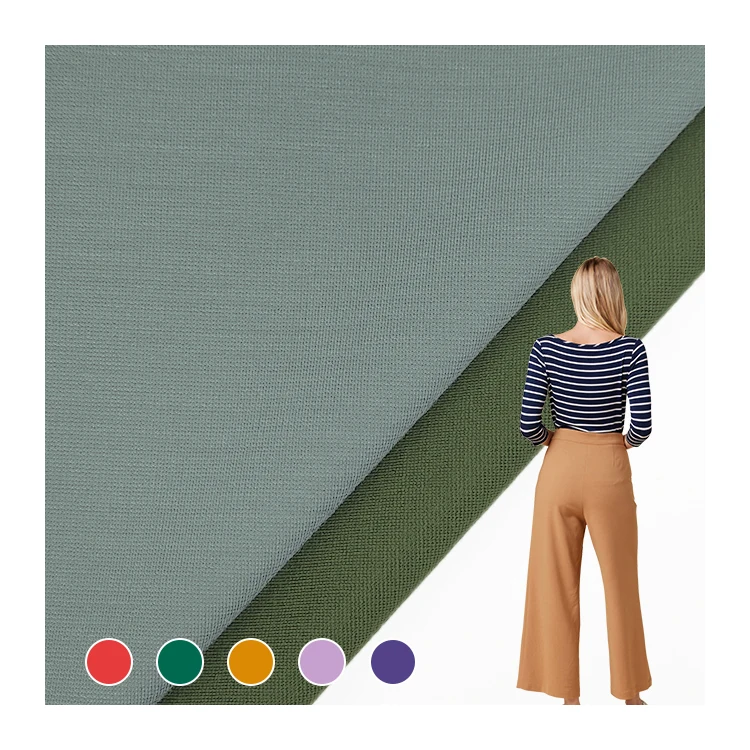
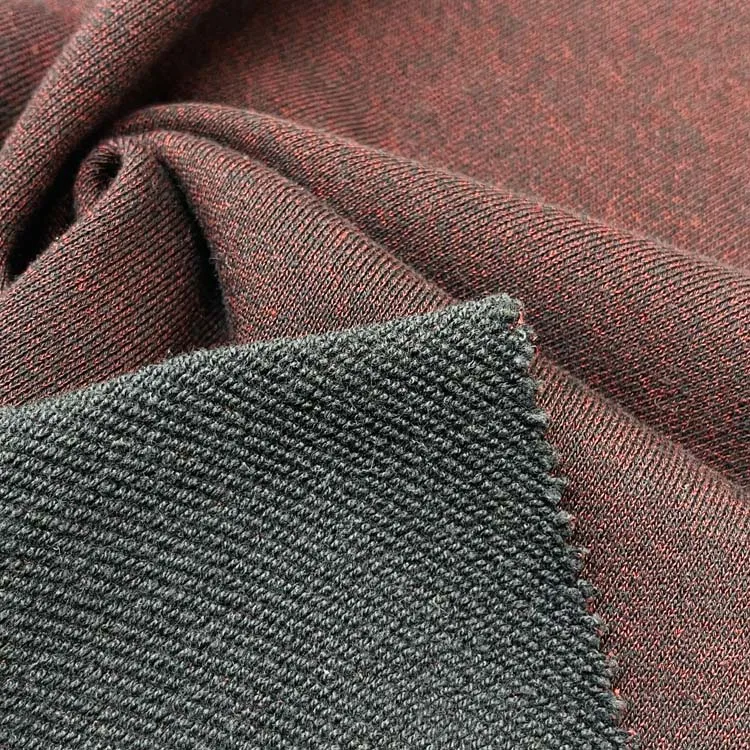
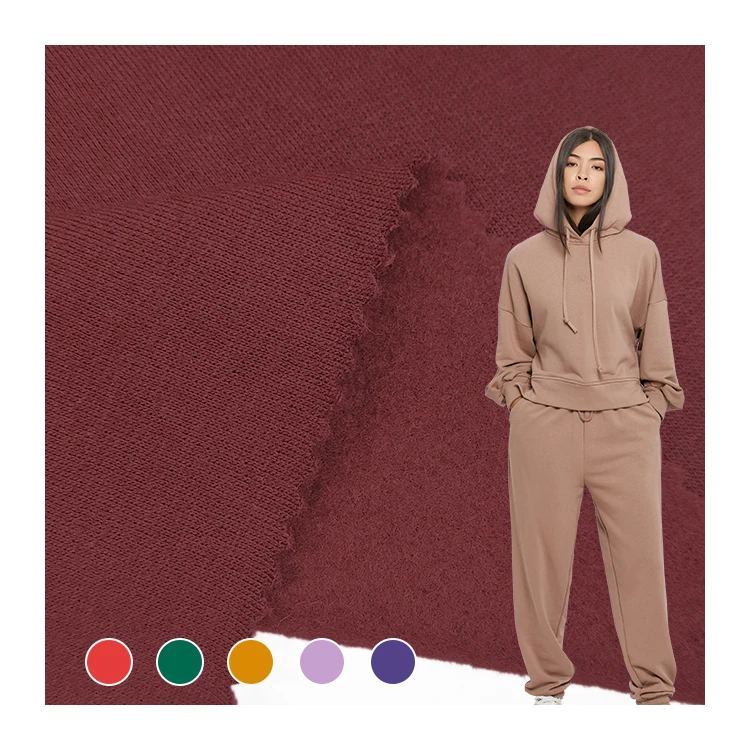
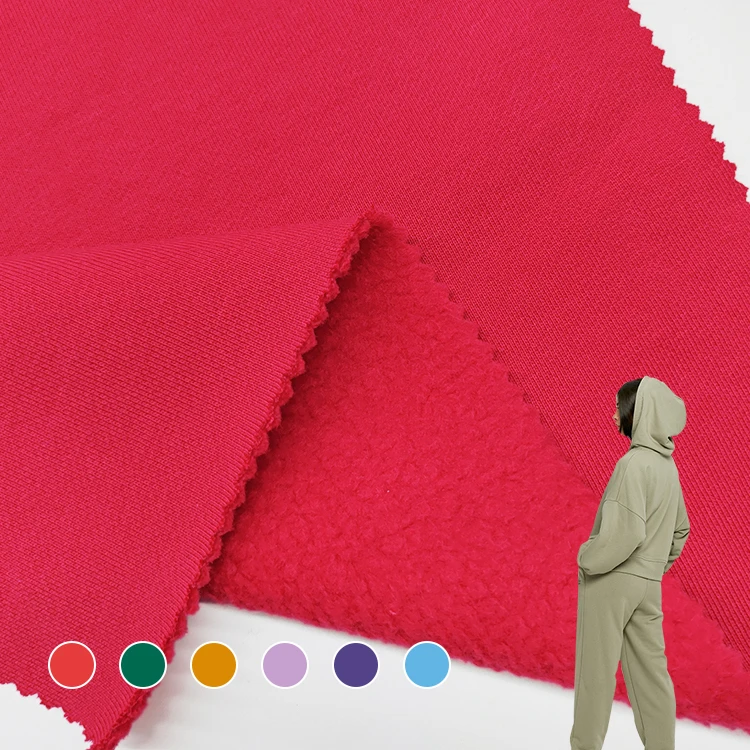
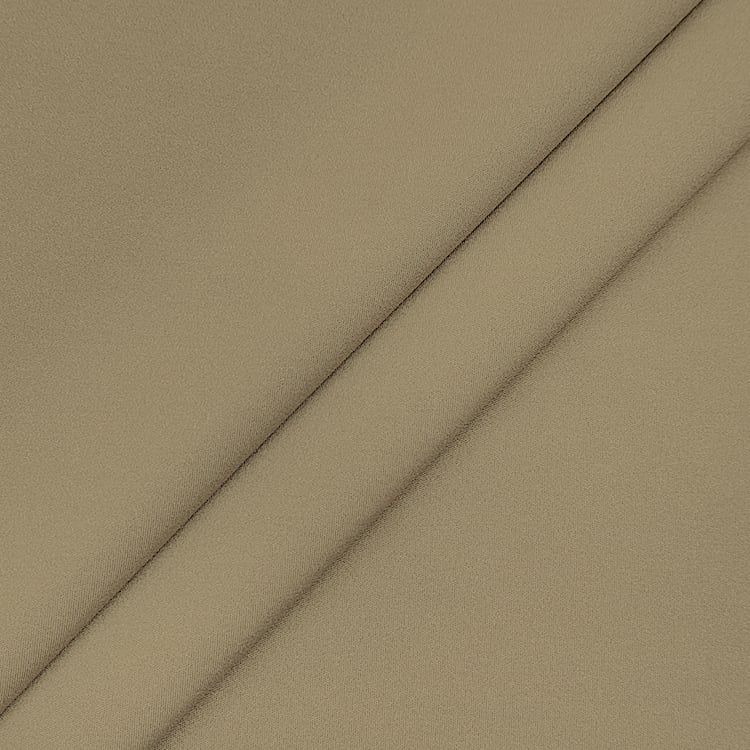
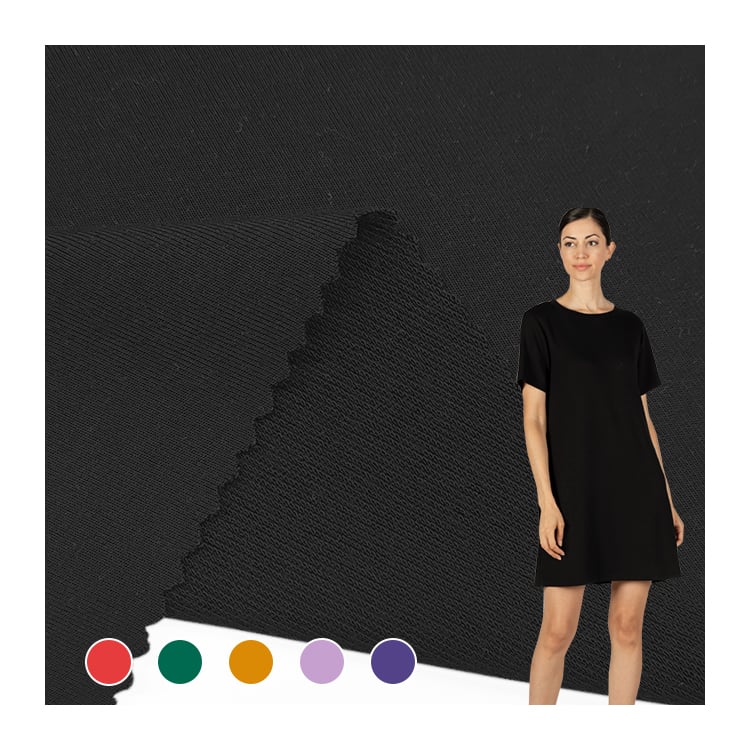
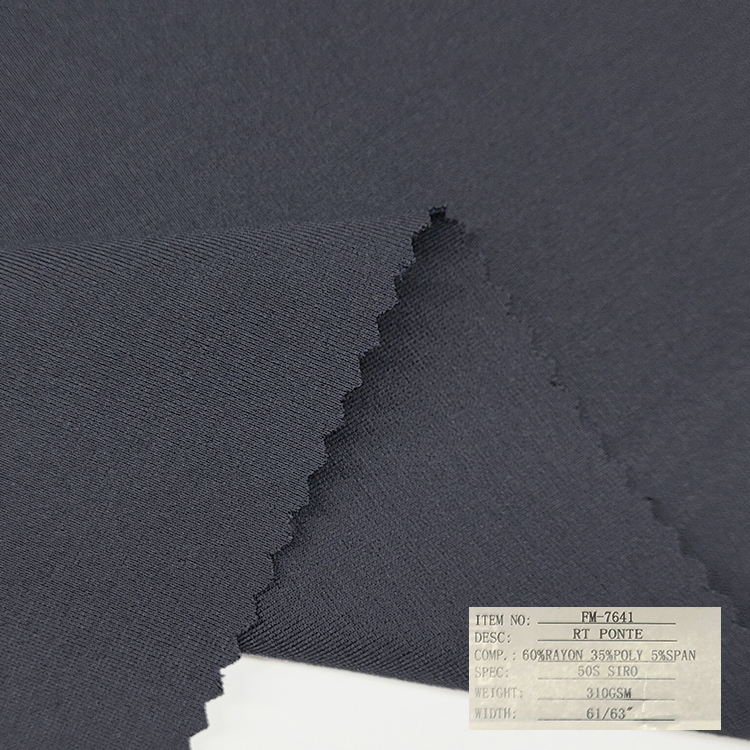
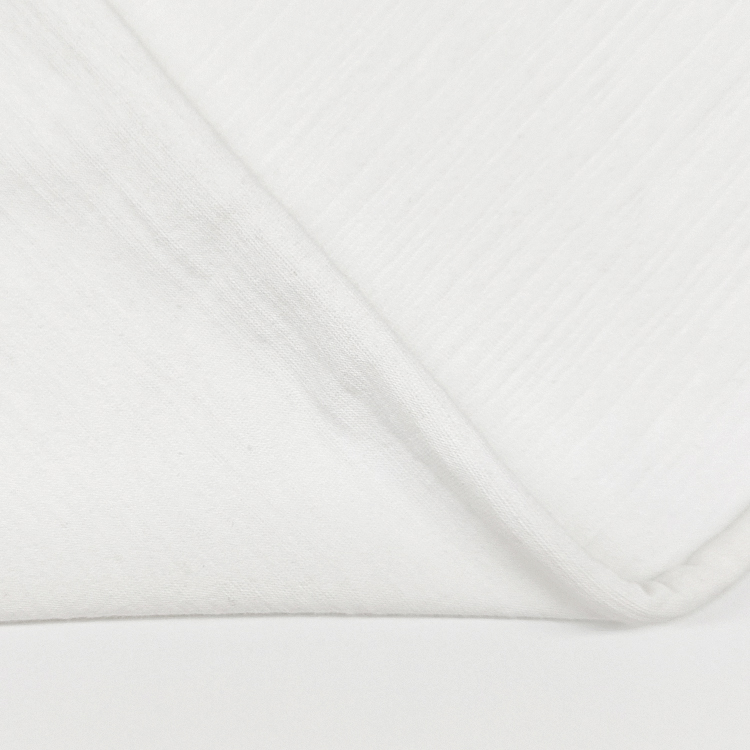
Tubular cloth is a seamless, cylindrical fabric manufactured on circular knitting machines without side seams, creating a continuous tube of material. This innovative textile construction eliminates the need for traditional flat fabric that requires stitching along edges, offering a versatile solution for various industrial and commercial applications. The tubular cloth is produced through advanced circular knitting technology that interlocks yarns in a continuous spiral, resulting in a fabric with consistent stretch properties and uniform structure throughout its circumference. The main functions of tubular cloth include providing protective covering for industrial products, serving as a foundation for narrow fabric applications, and offering a ready-made tubular shape for products that benefit from seamless construction. Technological features include bidirectional stretch capability, consistent diameter control during manufacturing, and the ability to incorporate various fiber types such as cotton, polyester, nylon, or blended materials. The tubular cloth can be produced in different gauges, weights, and widths to meet specific application requirements. Common applications span multiple industries, including medical textiles for compression bandages and surgical stockings, protective sleeves for cables and hoses, packaging solutions for delicate items, apparel components like sock blanks and seamless garments, and industrial filtration systems. The seamless nature of tubular cloth reduces material waste during production and eliminates weak points that typically occur at sewn seams, making it an efficient and durable textile choice for manufacturers seeking quality and performance.

Popular Products

The tubular cloth delivers significant cost savings for manufacturers by eliminating the need for additional sewing operations to create tubular shapes, reducing both labor costs and production time. This seamless construction translates directly into stronger, more durable products because there are no seam lines that can split or fail under stress, extending product lifespan and reducing warranty claims. Buyers benefit from improved product consistency since tubular cloth maintains uniform properties around its entire circumference, ensuring predictable performance in every application. The production process generates less waste compared to cutting and sewing flat fabrics, making tubular cloth an environmentally responsible choice that also reduces material costs. Operational benefits include faster manufacturing cycles, as products can move directly from knitting to finishing processes without intermediate sewing steps, accelerating time-to-market for new products. The tubular cloth offers exceptional versatility in application suitability, adapting easily to medical devices requiring sterile seamless construction, industrial components needing protective covering, and consumer products demanding comfort and durability. The fabric's inherent stretch properties provide flexibility that accommodates different sizes and shapes without requiring multiple SKUs, simplifying inventory management for businesses. For decision-making purposes, tubular cloth represents a proven technology with decades of industrial use, offering reliability that reduces risk in product development. The ability to customize diameter, weight, and material composition means buyers can specify exactly what their application requires without compromise. Products made with tubular cloth often command premium pricing in the marketplace due to their superior quality and seamless appearance, improving profit margins. The fabric's adaptability to both automated and manual production processes makes it accessible for operations of various scales, from small specialized manufacturers to large-scale industrial producers seeking efficiency and quality.

Tips And Tricks

How to Sew Scuba Fabric: Expert Tips

15

Apr

How to Sew Scuba Fabric: Expert Tips

Working with scuba fabric requires specialized techniques and understanding of its unique properties to achieve professional results. This double-knit polyester material combines stretch, structure, and durability in ways that differ significantly fr...
View More
Sportswear Fabric Innovation Trends in 2025

07

May

Sportswear Fabric Innovation Trends in 2025

The evolution of sportswear fabric technology continues to accelerate as we enter 2025, driven by unprecedented consumer demands for performance, sustainability, and versatility. Athletic brands and textile manufacturers are investing heavily in rese...
View More
Best Sportswear Fabric Types: Performance & Comfort

30

Jun

Best Sportswear Fabric Types: Performance & Comfort

Selecting the right sportswear fabric can dramatically influence athletic performance, comfort during intense workouts, and the overall durability of activewear. Modern sportswear fabric technology has evolved beyond simple cotton blends to incorpora...
View More
Sustainable Loungewear Fabric Options for Eco Living

30

Jun

Sustainable Loungewear Fabric Options for Eco Living

Choosing the right loungewear fabric has become one of the most meaningful decisions for anyone committed to sustainable living. As consumers grow more aware of the environmental costs behind everyday clothing, the demand for eco-conscious loungewear...
View More

Get a Free Quote

Our representative will contact you soon.
Email
Name
Company Name
Message
0/1000

tubular cloth

Seamless Construction Eliminates Weak Points

Seamless Construction Eliminates Weak Points

The most distinctive advantage of tubular cloth lies in its completely seamless construction, which fundamentally changes product durability and performance characteristics. Traditional flat fabrics require seams to create tubular shapes, and these seams invariably become the weakest structural points in finished products, prone to splitting, fraying, and failure under stress. Tubular cloth eliminates this vulnerability entirely by creating the tube during the knitting process itself, resulting in uniform strength throughout the entire circumference. This seamless design distributes stress evenly across the fabric structure rather than concentrating it at joined edges, significantly extending product life in demanding applications. For manufacturers, this means fewer product returns and warranty claims, while end users enjoy longer-lasting products that maintain their integrity throughout extended use. The absence of seams also creates smoother surfaces that reduce irritation in medical applications, prevent snagging in protective applications, and deliver superior aesthetics in consumer products. This construction method represents a fundamental quality advantage that creates genuine value for both producers and users across diverse applications.
Enhanced Production Efficiency and Cost Reduction

Enhanced Production Efficiency and Cost Reduction

Tubular cloth revolutionizes manufacturing efficiency by consolidating multiple production steps into a single knitting operation, dramatically streamlining the path from raw material to finished fabric. Conventional textile production requires knitting or weaving flat fabric, then cutting, aligning, and sewing pieces together to create tubular forms, each step adding time, labor costs, and opportunities for defects. The tubular cloth arrives from the knitting machine already formed into its final cylindrical shape, ready for finishing processes or immediate incorporation into products. This efficiency translates into faster production cycles, reduced labor requirements, and lower overall manufacturing costs that improve competitiveness in price-sensitive markets. The continuous production process also generates minimal waste since there are no cutting scraps or edge trimmings, maximizing material utilization and supporting sustainability initiatives. Manufacturers can redirect resources previously allocated to seaming operations toward quality control, innovation, or expanded production capacity. The simplified workflow reduces training requirements for production staff and decreases the potential for human error during assembly, resulting in more consistent output quality and fewer rejected units.
Versatile Customization for Diverse Applications

Versatile Customization for Diverse Applications

The adaptability of tubular cloth to specific application requirements makes it an exceptionally versatile textile solution across industries ranging from healthcare to industrial manufacturing. Producers can customize virtually every aspect of the fabric, including diameter dimensions from narrow tubes for cable sleeves to wide circumferences for large protective covers, ensuring perfect fit for intended applications. Material composition options span natural fibers like cotton for comfort and breathability, synthetic fibers such as polyester for durability and quick-drying properties, or specialized materials like elastane for stretch and recovery characteristics. The knitting process allows for varied fabric weights from lightweight sheers for delicate applications to heavy-duty constructions for industrial protection, with gauge adjustments providing precise control over fabric density and strength. Manufacturers can incorporate functional features during production, such as antimicrobial treatments for medical textiles, flame-retardant properties for safety applications, or moisture-wicking capabilities for performance products. This customization flexibility enables businesses to develop differentiated products tailored to specific market niches without requiring entirely new production equipment, facilitating innovation and rapid response to emerging customer needs while maintaining cost-effective manufacturing operations.

Get a Free Quote

Our representative will contact you soon.
Email
Name
Company Name
Message
0/1000