Tubular Knit: Seamless Fabric Technology Guide

Get a Free Quote

Our representative will contact you soon.
Email
Name
Company Name
Message
0/1000

tubular knit

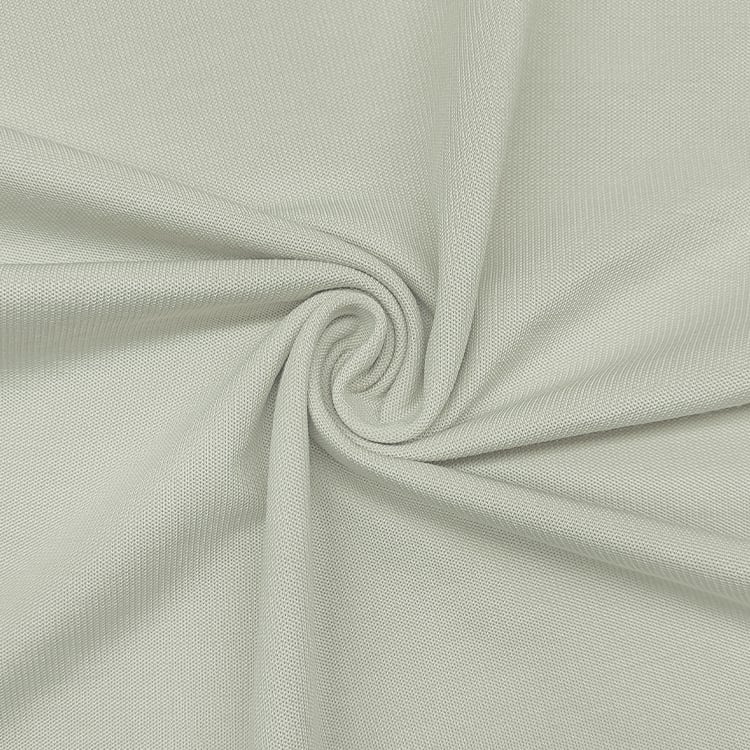
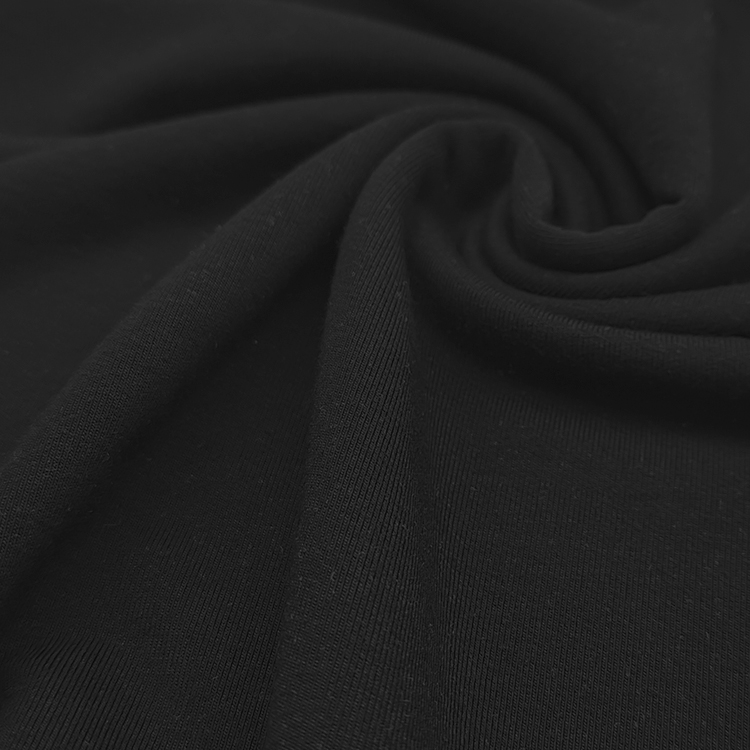
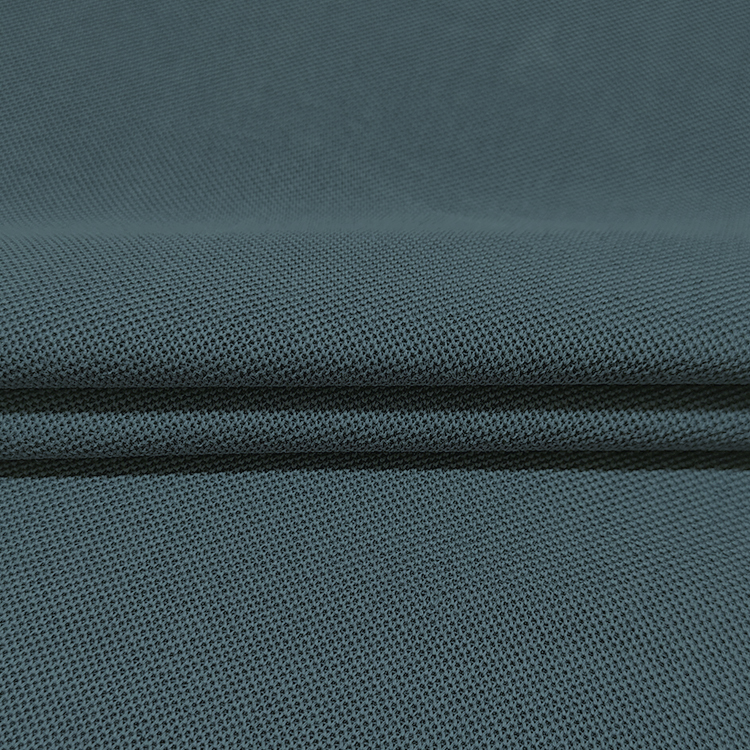
Tubular knit is a specialized textile construction method that creates seamless fabric in a continuous cylindrical form without side seams. This innovative knitting technique produces fabric tubes of varying diameters, eliminating the need for cutting and sewing traditional flat fabrics into cylindrical shapes. The tubular knit process utilizes circular knitting machines equipped with multiple needles arranged in a circle, allowing yarn to be knitted continuously around the cylinder. This construction method offers exceptional versatility in textile manufacturing, making it ideal for producing garments and products that benefit from seamless construction. The main functions of tubular knit include creating comfortable, stretchable fabrics with uniform texture and enhanced durability. Technological features encompass advanced circular knitting machinery capable of producing various gauges, patterns, and fabric weights while maintaining consistent quality throughout the tube. The tubular knit method supports diverse yarn types, from natural fibers like cotton and wool to synthetic materials such as polyester and spandex blends. Applications span multiple industries, including apparel manufacturing for t-shirts, socks, sleeves, and neckbands, as well as medical textiles for compression garments and bandages. Industrial applications include protective sleeves for cables, hoses, and packaging materials. The seamless nature of tubular knit reduces material waste during production and eliminates potential weak points associated with sewn seams, making it a preferred choice for performance-oriented products and everyday wear items.

New Product Releases

Choosing tubular knit fabric delivers significant practical benefits that directly impact your product quality and business efficiency. The seamless construction eliminates irritating side seams, providing superior comfort for end users who wear these products against their skin throughout the day. This comfort advantage translates into higher customer satisfaction and reduced return rates for manufacturers and retailers. From an operational perspective, tubular knit production streamlines manufacturing processes by eliminating cutting and sewing steps required for traditional flat fabrics, reducing labor costs and production time substantially. The continuous tube format minimizes fabric waste since there are no excess edge trimmings, leading to better material utilization and improved profit margins. Manufacturers benefit from faster production cycles, as circular knitting machines can produce tubular knit fabric continuously with minimal interruptions. The structural integrity of tubular knit surpasses sewn alternatives because the absence of seams eliminates weak points where fabric typically fails first. This durability means products last longer, reducing replacement frequency and enhancing brand reputation. Application suitability extends across diverse markets, from athletic wear requiring stretch and recovery to medical products demanding consistent compression. The tubular knit method accommodates custom diameter requirements, allowing businesses to create products tailored to specific applications without extensive tooling changes. Decision-makers appreciate the scalability of tubular knit production, as equipment can handle both small specialty runs and large-scale manufacturing efficiently. Quality consistency remains high throughout production runs, ensuring uniform appearance and performance characteristics across all units. The versatility in pattern creation, from simple jersey to complex jacquard designs, enables product differentiation while maintaining the inherent benefits of seamless construction.

Tips And Tricks

Recycled Polyester Fabric vs Cotton: Which Wins?

30

Jun

Recycled Polyester Fabric vs Cotton: Which Wins?

When choosing between recycled polyester fabric and cotton, buyers face a decision that affects product performance, environmental impact, and long-term cost. Both materials carry strong reputations in the textile industry, but they serve different n...
View More
Sustainable Loungewear Fabric Options for Eco Living

30

Jun

Sustainable Loungewear Fabric Options for Eco Living

Choosing the right loungewear fabric has become one of the most meaningful decisions for anyone committed to sustainable living. As consumers grow more aware of the environmental costs behind everyday clothing, the demand for eco-conscious loungewear...
View More
Premium Yoga Fabric: Buy Quality Materials Online

30

Jun

Premium Yoga Fabric: Buy Quality Materials Online

Choosing the right yoga fabric is one of the most important decisions any activewear brand, clothing manufacturer, or independent designer can make. The performance, comfort, and durability of finished yoga garments depend almost entirely on the qual...
View More
Top Yoga Fabric Types for Ultimate Comfort

30

Jun

Top Yoga Fabric Types for Ultimate Comfort

Choosing the right yoga fabric is one of the most important decisions any yoga wear designer, retailer, or active consumer can make. The yoga fabric you select directly affects how a garment feels during movement, how well it manages moisture, and ho...
View More

Get a Free Quote

Our representative will contact you soon.
Email
Name
Company Name
Message
0/1000

tubular knit

Seamless Construction for Enhanced Comfort

Seamless Construction for Enhanced Comfort

The primary advantage of tubular knit lies in its seamless cylindrical construction, which fundamentally transforms the wearing experience for end users. Traditional fabrics require seams to join flat pieces into tubular shapes, creating raised ridges that can cause skin irritation, chafing, and discomfort during extended wear or physical activity. Tubular knit eliminates these problematic seams entirely by producing fabric in a continuous tube from the start. This seamless design proves especially valuable in athletic apparel, underwear, and medical compression garments where fabric contacts skin directly for prolonged periods. Athletes benefit from reduced friction points that could cause blisters or distraction during performance. Medical patients wearing compression sleeves or support garments experience better compliance because the absence of seams increases comfort during all-day wear. The smooth, uninterrupted surface of tubular knit also provides aesthetic advantages, creating cleaner lines and more professional-looking finished products. Manufacturers can market these comfort benefits as premium features that justify higher price points while delivering genuine value that customers can feel immediately upon wearing the product.
Superior Elasticity and Shape Retention

Superior Elasticity and Shape Retention

Tubular knit fabric demonstrates exceptional elasticity and shape retention properties that outperform many traditional textile constructions. The circular knitting process creates an inherently stretchable structure where interlocking loops move fluidly in multiple directions, providing natural give that accommodates body movement and various sizes. This multidirectional stretch makes tubular knit ideal for form-fitting applications like socks, sleeves, and activewear that must conform to body contours while allowing unrestricted motion. The knit structure returns to its original dimensions after stretching, maintaining proper fit through repeated wear and washing cycles. This shape memory characteristic reduces sagging, bagging, and distortion that commonly plague lesser quality fabrics. For sock manufacturers, tubular knit construction ensures consistent leg and foot fit without elastic bands that can restrict circulation or leave uncomfortable marks. In performance apparel, the controlled stretch provides compression benefits that support muscles without constraining movement. The balanced elasticity of tubular knit also simplifies inventory management for retailers, as garments accommodate broader size ranges, potentially reducing the number of SKUs needed. Product longevity increases because the fabric withstands the stress of repeated stretching without developing holes or weak spots that typically form at sewn seams in conventional construction.
Cost-Efficient Production with Minimal Waste

Cost-Efficient Production with Minimal Waste

Implementing tubular knit technology delivers substantial cost advantages throughout the manufacturing process while supporting sustainability initiatives. The seamless production method eliminates multiple labor-intensive steps required in traditional garment manufacturing, including pattern cutting, edge finishing, and seam sewing. This streamlined workflow reduces labor costs, shortens production timelines, and decreases the skill level required for certain manufacturing positions. Circular knitting machines produce tubular knit fabric continuously with high output rates, maximizing equipment utilization and improving return on capital investment. Material efficiency represents another significant economic benefit, as the tubular format generates minimal waste compared to cutting patterns from flat fabric where edge trimmings can account for substantial material loss. This improved yield directly enhances profit margins while reducing environmental impact, an increasingly important consideration for brands committed to sustainable practices. The versatility of tubular knit equipment allows manufacturers to switch between different products with relatively simple adjustments, supporting flexible production strategies that respond quickly to market demands. Quality consistency achieved through automated tubular knit processes reduces defect rates and associated costs for rework or rejected products. Businesses can redirect savings from reduced waste and labor toward innovation, marketing, or competitive pricing strategies that strengthen market position.

Get a Free Quote

Our representative will contact you soon.
Email
Name
Company Name
Message
0/1000