Textured Mesh Fabric: Features & Applications

Get a Free Quote

Our representative will contact you soon.
Email
Name
Company Name
Message
0/1000

textured mesh fabric

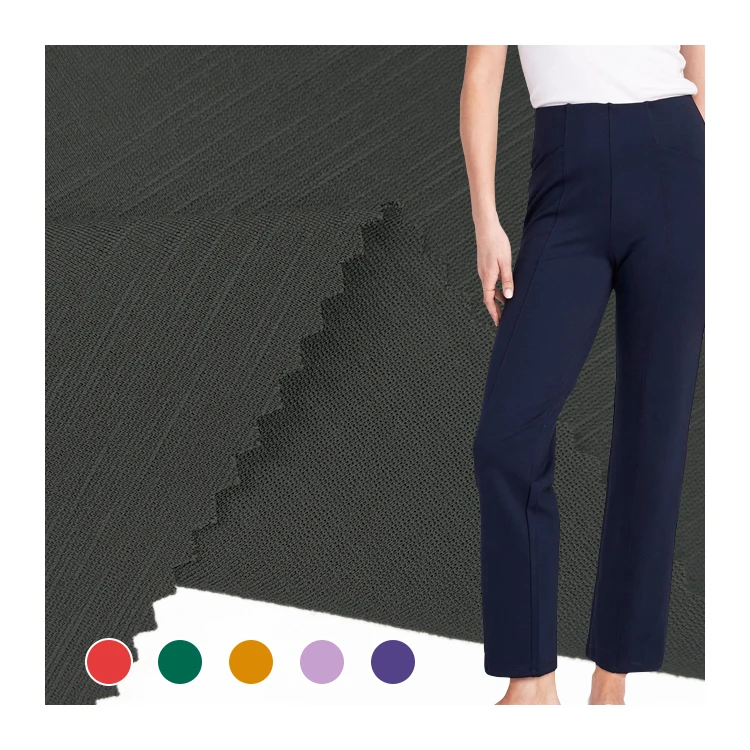
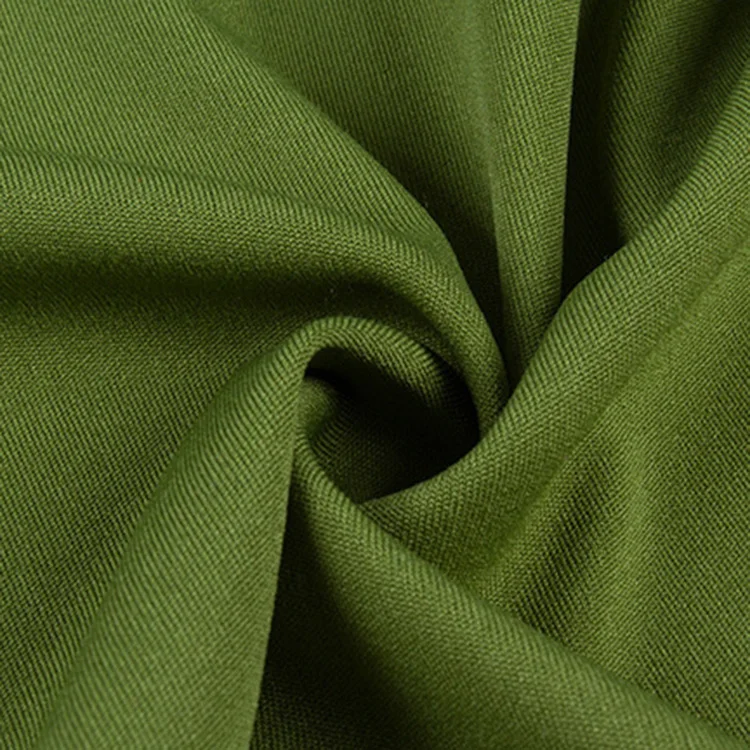
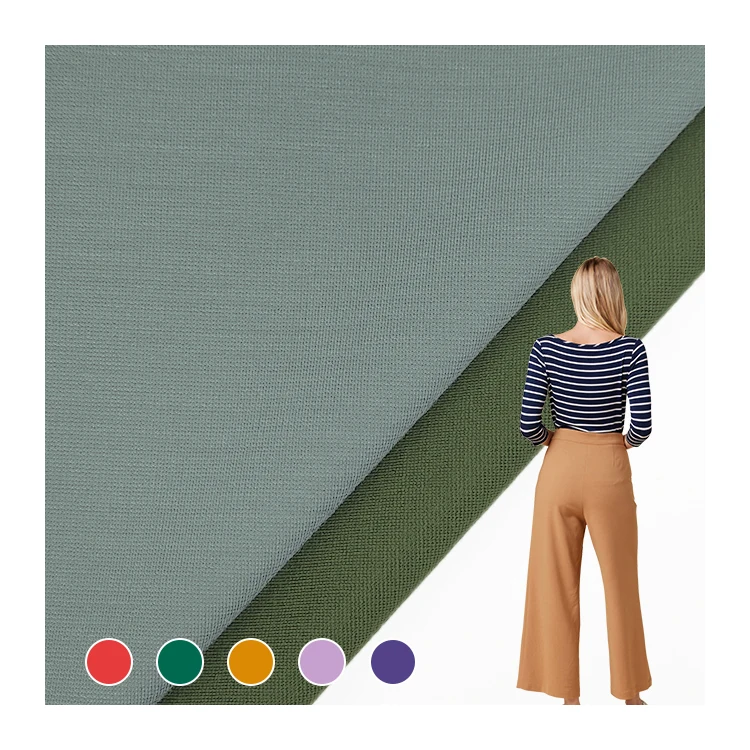
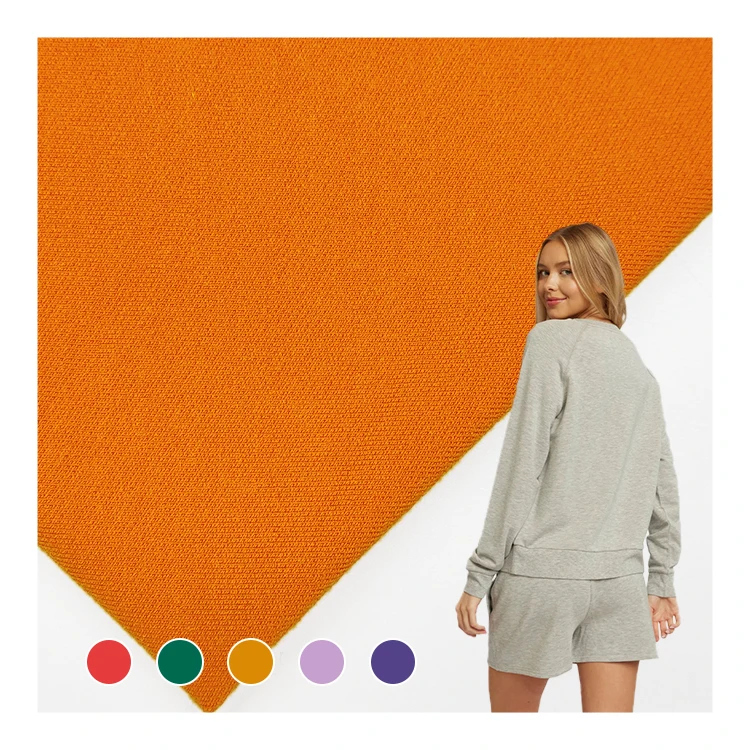
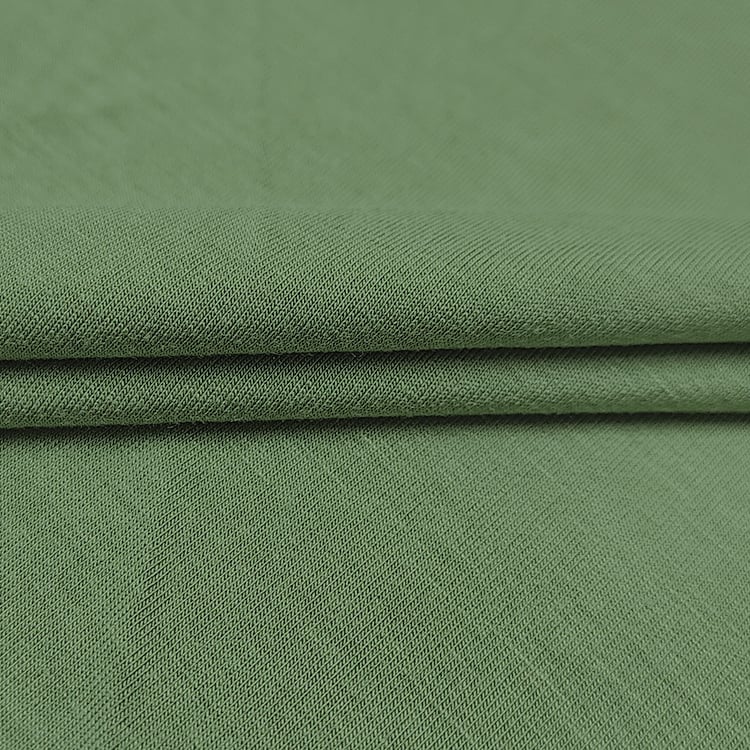
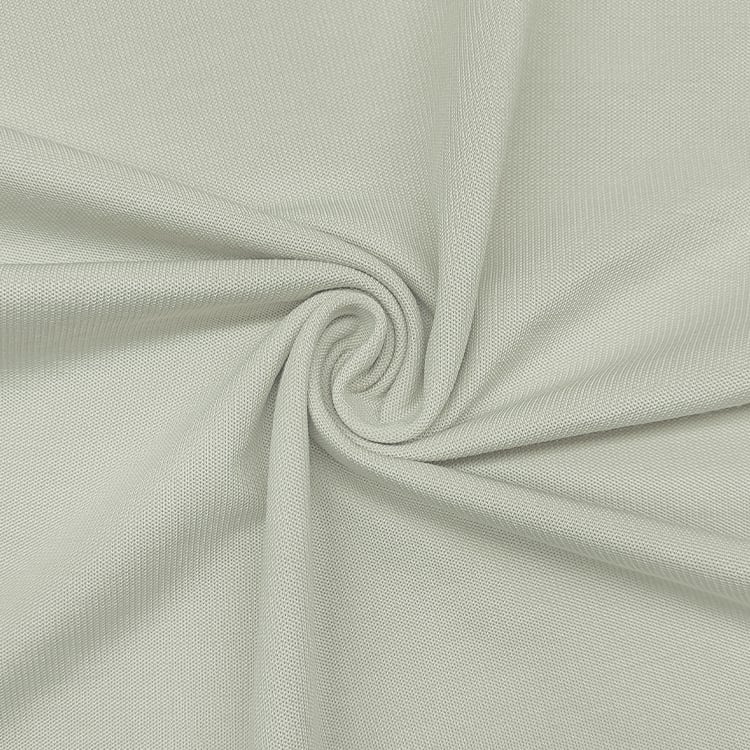
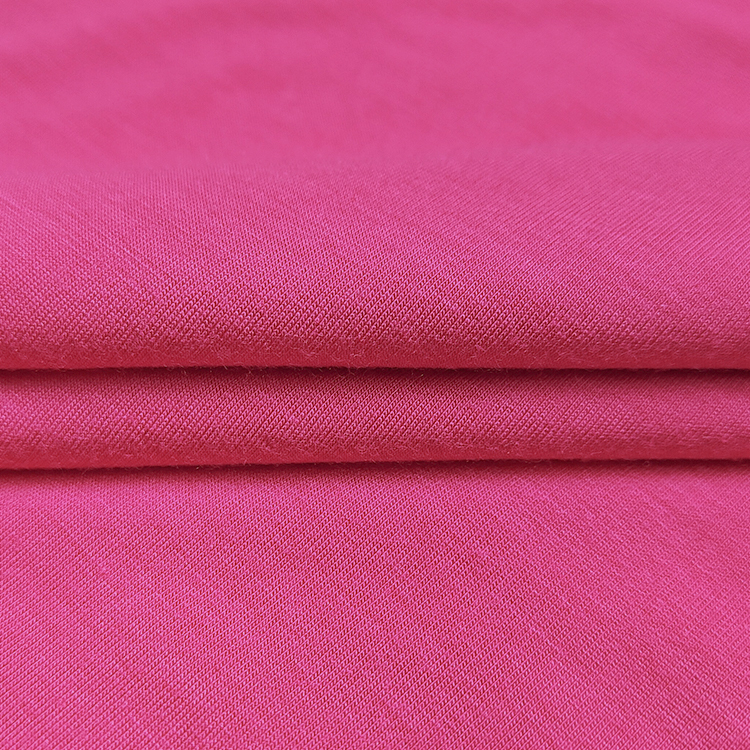
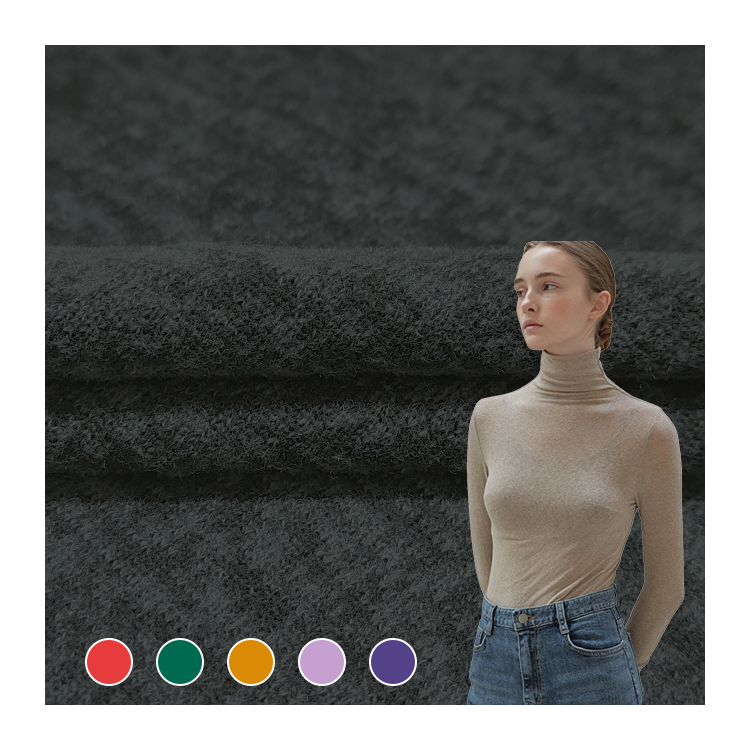
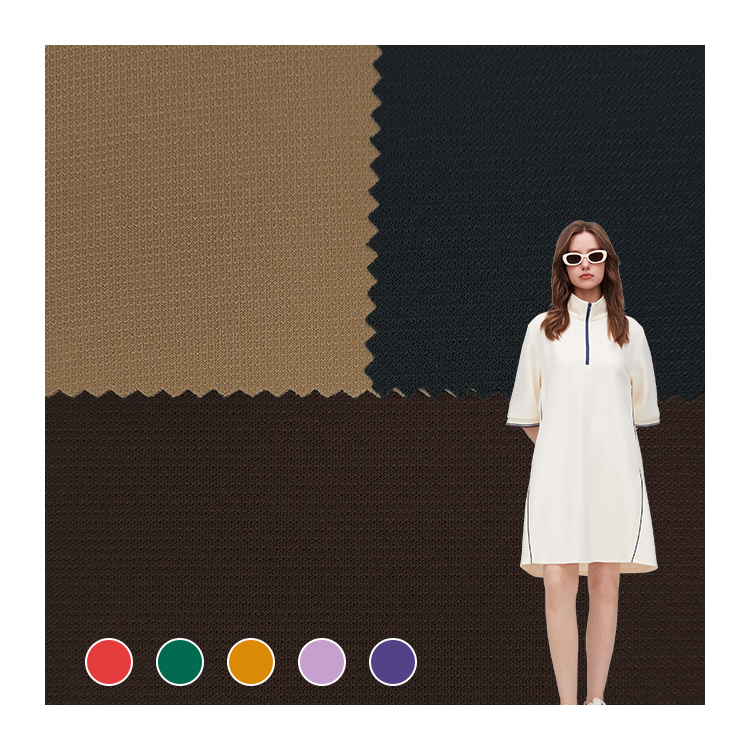
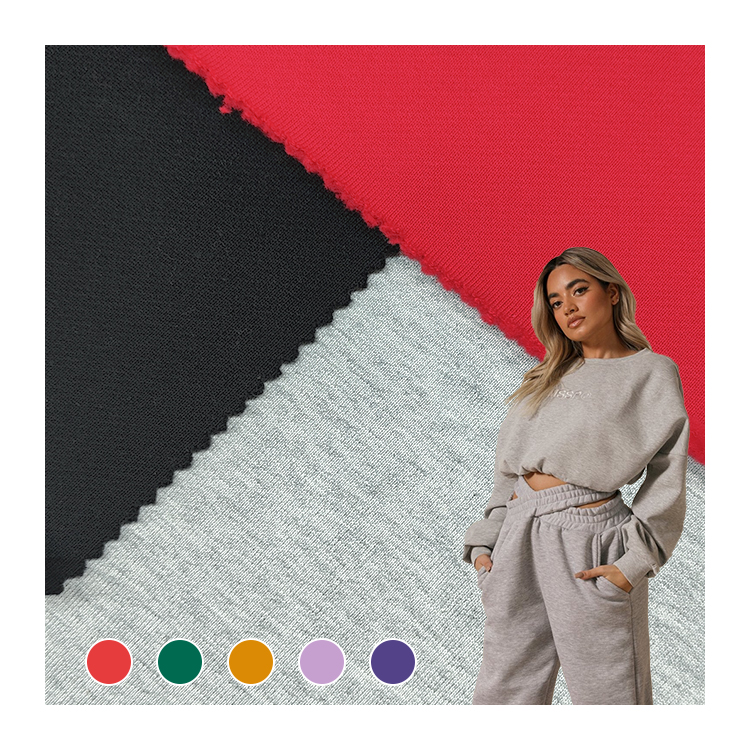
Textured mesh fabric represents a specialized textile material engineered with a distinctive three-dimensional surface structure that combines open mesh construction with enhanced tactile properties. This innovative fabric features a unique weaving or knitting technique that creates raised patterns, ridges, or textured surfaces across the mesh base, delivering both functional performance and aesthetic appeal. The textured mesh fabric incorporates strategically designed openings that facilitate superior air circulation while maintaining structural integrity and durability. Manufactured using advanced textile technologies, this fabric typically utilizes synthetic fibers such as polyester, nylon, or polypropylene, though natural fiber blends are also available for specific applications. The main functions include moisture management through rapid wicking capabilities, temperature regulation via enhanced breathability, and improved grip or traction through the textured surface design. Technological features encompass dimensional stability that resists stretching and deformation, abrasion resistance for extended service life, and customizable texture patterns to meet diverse application requirements. The fabric finds extensive applications across multiple industries, including athletic apparel and footwear components, automotive interior trim and seating surfaces, industrial filtration systems, medical textiles for wound care and compression garments, luggage and bag construction, and home furnishing products. The textured mesh fabric serves as an ideal solution where breathability, lightweight construction, and enhanced surface characteristics are essential performance criteria for end-use applications.

New Products

Choosing textured mesh fabric delivers significant practical benefits that directly impact product performance and user satisfaction. The enhanced breathability feature ensures continuous airflow, keeping users comfortable during physical activity or in warm environments, which proves particularly valuable for athletic wear and outdoor gear manufacturers. The moisture-wicking properties actively pull perspiration away from the skin, allowing rapid evaporation and maintaining a dry, comfortable microclimate that prevents discomfort and potential skin irritation. The lightweight nature of textured mesh fabric reduces overall product weight without compromising strength or durability, making it perfect for applications where minimizing weight is crucial, such as performance footwear, travel accessories, and portable equipment. The textured surface provides improved grip and tactile feedback, enhancing user interaction and control, which benefits products like sports equipment handles, bag straps, and steering wheel covers. Durability stands as a key operational benefit, as the fabric resists tearing, pilling, and wear even under repeated stress and frequent washing cycles, ensuring long-term value and reduced replacement costs. The quick-drying characteristic of textured mesh fabric minimizes downtime between uses and prevents odor-causing bacterial growth, maintaining hygiene standards essential for sports apparel and medical applications. Easy maintenance requirements mean simple cleaning procedures without special treatments, saving time and operational expenses. The fabric offers excellent dimensional stability, maintaining its shape and performance characteristics throughout its service life without sagging or stretching. Application suitability extends across diverse environments, from high-performance athletic contexts to industrial settings requiring reliable filtration or separation. The customizable nature of textured mesh fabric allows manufacturers to specify exact texture patterns, opening sizes, and material compositions that align precisely with their product requirements, ensuring optimal performance for intended applications.

Latest News

Sustainable Sportswear Fabric: Eco-Friendly Options

07

May

Sustainable Sportswear Fabric: Eco-Friendly Options

The global athletic apparel industry faces mounting pressure to reduce its environmental footprint, driving brands and manufacturers toward sustainable sportswear fabric solutions that balance performance demands with ecological responsibility. As co...
View More
Premium Yoga Fabric: Buy Quality Materials Online

30

Jun

Premium Yoga Fabric: Buy Quality Materials Online

Choosing the right yoga fabric is one of the most important decisions any activewear brand, clothing manufacturer, or independent designer can make. The performance, comfort, and durability of finished yoga garments depend almost entirely on the qual...
View More
Best Ponte Roma Fabrics for Fashion Design

30

Jun

Best Ponte Roma Fabrics for Fashion Design

Choosing the right ponte roma fabric is one of the most rewarding decisions a fashion designer can make. Ponte roma fabric delivers a rare combination of firm body, comfortable stretch, and a smooth surface that accepts color beautifully. Whether you...
View More
Top Yoga Fabric Types for Ultimate Comfort

30

Jun

Top Yoga Fabric Types for Ultimate Comfort

Choosing the right yoga fabric is one of the most important decisions any yoga wear designer, retailer, or active consumer can make. The yoga fabric you select directly affects how a garment feels during movement, how well it manages moisture, and ho...
View More

Get a Free Quote

Our representative will contact you soon.
Email
Name
Company Name
Message
0/1000

textured mesh fabric

Advanced Three-Dimensional Texture Engineering

Advanced Three-Dimensional Texture Engineering

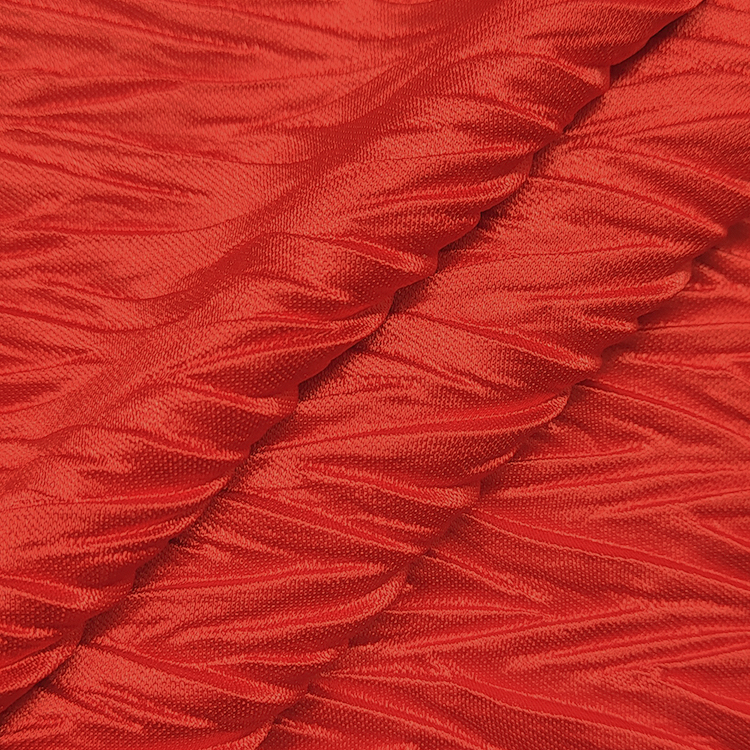
The sophisticated three-dimensional texture engineering of textured mesh fabric sets it apart from conventional mesh materials by incorporating precisely controlled surface variations that enhance both functionality and user experience. This advanced manufacturing process creates deliberate patterns of raised and recessed areas across the fabric surface, generating a complex topography that serves multiple performance objectives simultaneously. The textured surface increases the effective surface area of the material, which amplifies moisture evaporation rates and accelerates drying times compared to flat mesh alternatives. This engineered texture also improves aesthetic appeal by adding visual depth and tactile interest, making products more engaging and premium in appearance. The three-dimensional structure enhances mechanical interlocking with adjacent materials in composite applications, improving bonding strength and reducing delamination risks in layered product constructions. Furthermore, the texture provides micro-channels that facilitate directional fluid transport, making textured mesh fabric exceptionally effective in applications requiring controlled moisture movement or drainage. The precise control over texture dimensions during manufacturing ensures consistency across production runs, guaranteeing reliable performance characteristics that meet stringent quality standards for demanding industrial and consumer applications.
Superior Breathability with Structural Integrity

Superior Breathability with Structural Integrity

Textured mesh fabric achieves an optimal balance between maximum breathability and necessary structural strength, addressing a critical challenge in textile engineering where enhanced airflow typically compromises material robustness. The strategic arrangement of open mesh areas allows unrestricted air circulation, creating effective ventilation that prevents heat buildup and moisture accumulation in enclosed spaces or against the body. Unlike loosely woven fabrics that sacrifice durability for breathability, textured mesh fabric employs reinforced construction techniques where the textured elements provide additional support points that distribute stress across the material structure. This design prevents premature failure at stress concentration points while maintaining generous opening sizes for airflow. The fabric demonstrates excellent tear propagation resistance, meaning that if damage occurs, it remains localized rather than spreading rapidly across the material. This characteristic proves invaluable in demanding applications where fabric integrity directly impacts safety or performance, such as protective equipment, cargo restraint systems, or filtration barriers. The combination of breathability and structural integrity enables product designers to specify textured mesh fabric in applications previously requiring heavier, less breathable materials, opening new possibilities for performance optimization and weight reduction without compromising reliability or longevity in challenging operational environments.
Versatile Multi-Industry Application Compatibility

Versatile Multi-Industry Application Compatibility

The remarkable versatility of textured mesh fabric enables seamless integration across extraordinarily diverse industrial sectors and product categories, demonstrating exceptional adaptability that few textile materials can match. In the athletic and sportswear industry, textured mesh fabric forms the foundation of high-performance garments, footwear uppers, and equipment components where breathability and moisture management directly influence athletic performance and comfort. The automotive sector utilizes this material for seat inserts, headrest covers, and interior trim elements that require durability, breathability, and easy maintenance in demanding vehicular environments. Medical applications leverage the hygienic properties and controlled compression characteristics of textured mesh fabric in wound dressings, surgical mesh products, and orthopedic supports where biocompatibility and moisture control are essential. Industrial filtration systems employ this fabric where precise particle separation combined with high airflow rates optimize process efficiency and equipment longevity. The luggage and bag industry incorporates textured mesh fabric in organizational pockets, ventilation panels, and reinforcement areas where visibility of contents, breathability, and abrasion resistance enhance product functionality. Home textile applications include laundry bags, storage organizers, and furniture components where durability and easy cleaning are valued. This broad application compatibility results from the customizable nature of textured mesh fabric manufacturing, allowing specification of exact parameters that align with specific industry requirements and performance standards.

Get a Free Quote

Our representative will contact you soon.
Email
Name
Company Name
Message
0/1000