Versatile Application Adaptability
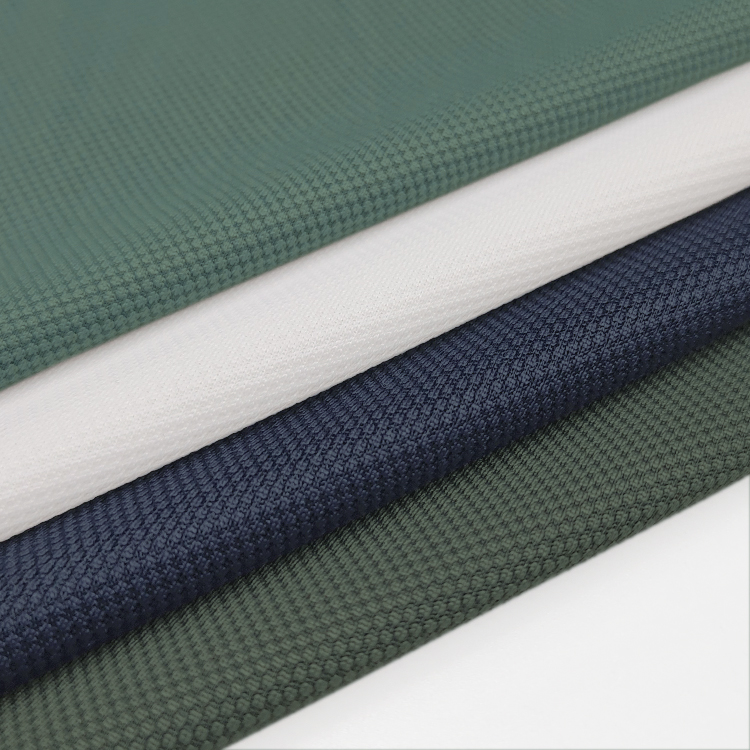
The remarkable adaptability of mesh fabric across diverse applications stems from its customizable specifications and compatibility with various manufacturing processes. Manufacturers can precisely control hole size, pattern geometry, fabric weight, and material composition to match specific functional requirements, creating solutions ranging from delicate fashion accessories to robust industrial components. This customization capability allows mesh fabric to serve contradictory needs: providing visibility while offering privacy, enabling drainage while containing small particles, and maximizing airflow while filtering contaminants. The material readily accepts printing, dyeing, laminating, and coating processes that add functionality or aesthetic appeal without compromising its core breathability advantages. In technical applications, mesh fabric integrates seamlessly with other materials through sewing, welding, or adhesive bonding, enabling complex multi-material assemblies that optimize performance zones within single products. The textile works equally well as a primary material or strategic insert, giving designers flexibility to balance cost, performance, and appearance. Its application scope spans athletic footwear ventilation panels, automotive seat climate control, medical compression garments, architectural shade structures, and produce packaging that extends shelf life through proper air circulation. This versatility makes mesh fabric a reliable solution for both established applications and innovative product development where traditional solid fabrics prove inadequate for emerging performance demands.

 EN
EN