Mesh Material Fabric: Breathable & Durable

Get a Free Quote

Our representative will contact you soon.
Email
Name
Company Name
Message
0/1000

mesh material fabric

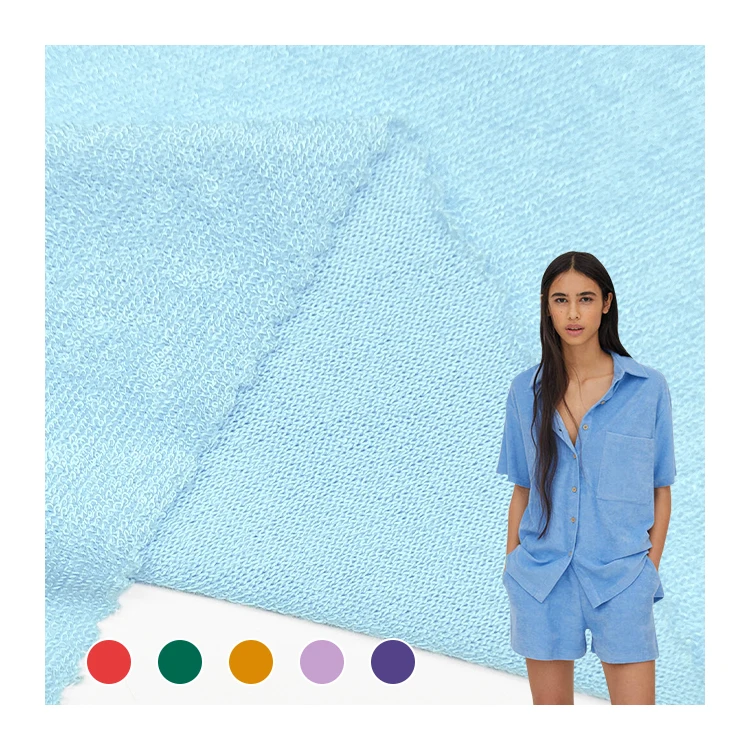
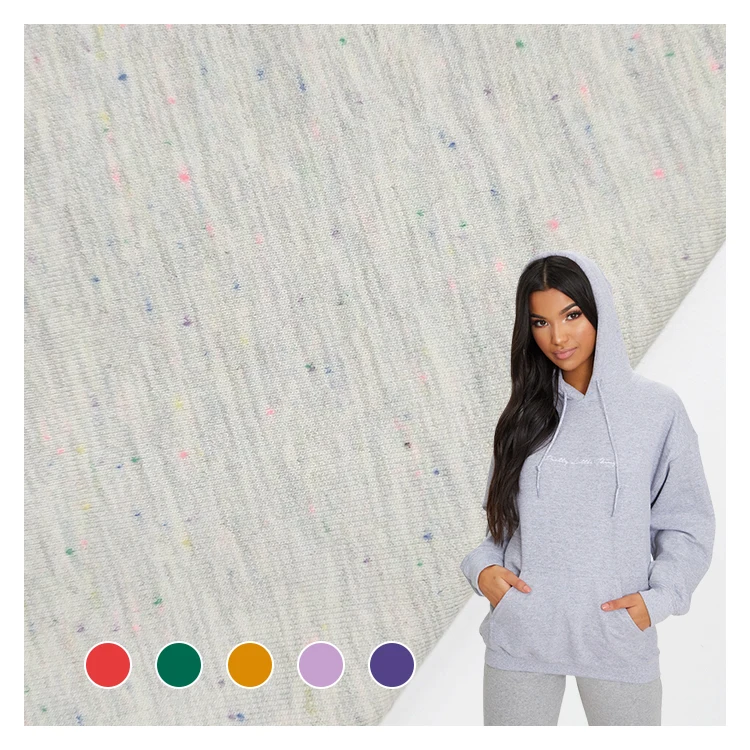
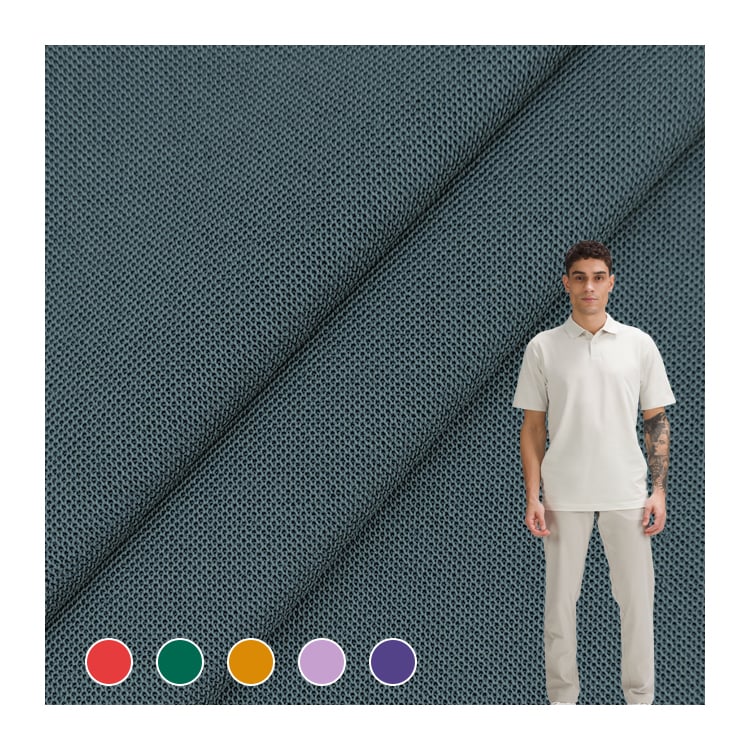
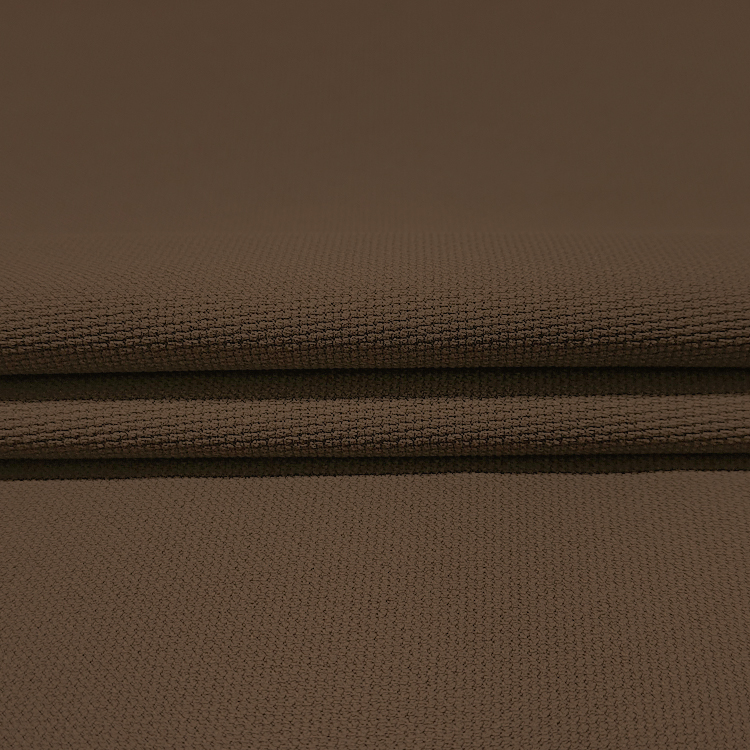
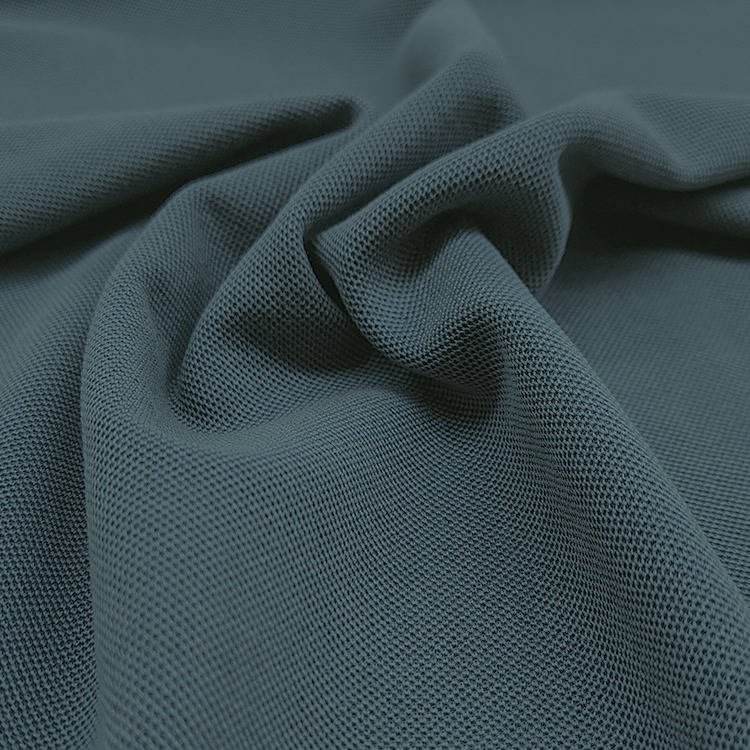
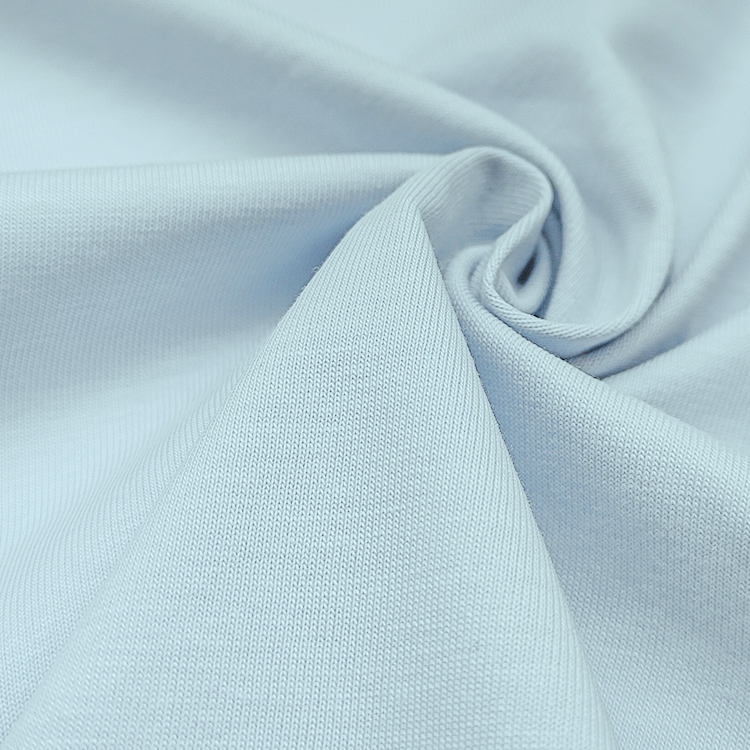
Mesh material fabric is a versatile textile characterized by its open weave structure, featuring evenly spaced holes that create a breathable and lightweight material. This unique construction allows air and moisture to pass through freely, making mesh material fabric an ideal choice for applications requiring ventilation and temperature regulation. The fabric is manufactured using various fibers including polyester, nylon, cotton, and spandex, each offering distinct performance characteristics. Modern manufacturing techniques enable producers to create mesh material fabric in different weights, hole sizes, and patterns to suit specific functional requirements. The technological features of mesh material fabric include exceptional breathability, quick-drying properties, and dimensional stability that maintains shape even after repeated use and washing. Its open structure provides visibility and light transmission while still offering a protective barrier. Mesh material fabric finds extensive applications across multiple industries, from athletic wear and sportswear to industrial filtration systems and medical textiles. In fashion, designers incorporate mesh material fabric for its aesthetic appeal and functional benefits. The automotive industry uses it for seat covers and upholstery, while furniture manufacturers value its durability and ventilation properties. Agricultural applications include shade cloths and insect screens, demonstrating the material's versatility. The adaptability of mesh material fabric makes it indispensable in modern manufacturing, serving both practical and decorative purposes across diverse sectors.

New Product Recommendations

Choosing mesh material fabric delivers significant value through its superior breathability that keeps users comfortable in various conditions. The open weave design actively promotes air circulation, preventing heat buildup and moisture accumulation that can cause discomfort during extended wear or use. This ventilation capability translates directly into enhanced user satisfaction, particularly in athletic apparel and activewear where temperature management is critical. The lightweight nature of mesh material fabric reduces garment weight without compromising durability, allowing manufacturers to create products that feel barely there yet perform exceptionally well. From an operational perspective, mesh material fabric offers remarkable ease of maintenance with quick-drying properties that minimize downtime between uses. This practical benefit reduces laundering time and energy costs, making it economically advantageous for both commercial and personal applications. The fabric's inherent strength-to-weight ratio means products last longer while using less material, optimizing resource efficiency. Application suitability spans an impressive range, from high-performance sportswear requiring moisture management to industrial settings needing durable screening solutions. The material adapts well to different manufacturing processes, including cutting, sewing, and heat-sealing, providing flexibility in product design and construction. For decision-makers evaluating fabric options, mesh material fabric presents compelling advantages in cost-effectiveness over the product lifetime. Its resistance to mildew and quick-drying nature reduce replacement frequency compared to solid fabrics that retain moisture. The visibility through mesh material fabric enables innovative design possibilities, allowing layering effects and creative visual elements. Furthermore, the material's ability to maintain structural integrity under stress makes it reliable for demanding applications where failure is not an option, providing peace of mind alongside functional benefits.

Latest News

How to Identify Quality Pique Fabric: Expert Tips

15

Apr

How to Identify Quality Pique Fabric: Expert Tips

Identifying quality pique fabric requires understanding the distinctive characteristics that separate superior materials from inferior alternatives. Professional textile evaluators and garment manufacturers rely on specific visual, tactile, and struc...
View More
2025 Sportswear Fabric Guide: Top Materials for Athletes

15

Apr

2025 Sportswear Fabric Guide: Top Materials for Athletes

The athletic apparel industry continues to evolve rapidly in 2025, with innovative sportswear fabric technologies leading the charge in performance enhancement. Athletes today demand more than basic moisture management from their gear—they require fa...
View More
Sportswear Fabric Technology: Moisture-Wicking Guide

30

Jun

Sportswear Fabric Technology: Moisture-Wicking Guide

Modern sportswear performance hinges critically on the fabric technology used in garment construction, with moisture-wicking fabric representing the cornerstone innovation that separates professional athletic apparel from ordinary clothing. Whether a...
View More
Yoga Fabric vs Cotton: Which Performs Better?

30

Jun

Yoga Fabric vs Cotton: Which Performs Better?

Choosing the right yoga fabric is one of the most important decisions a garment manufacturer or activewear brand makes. The material you select directly affects how a yoga garment fits, moves, breathes, and holds up after repeated use. With so many o...
View More

Get a Free Quote

Our representative will contact you soon.
Email
Name
Company Name
Message
0/1000

mesh material fabric

Advanced Breathability Technology

Advanced Breathability Technology

The defining characteristic of mesh material fabric lies in its engineered breathability that actively manages heat and moisture transfer. Unlike solid textiles that trap air and perspiration, the open-weave construction creates continuous airflow channels that facilitate rapid moisture evaporation and heat dissipation. This technological advantage stems from precise manufacturing control over hole size, spacing, and pattern density, allowing customization for specific ventilation requirements. In athletic applications, this breathability prevents the microclimate buildup that causes discomfort and reduces performance, keeping athletes cooler and drier during intense physical activity. For industrial uses, the same properties enable effective filtration and screening while maintaining airflow in ventilation systems. The breathability of mesh material fabric also contributes to hygiene by reducing bacterial growth associated with moisture retention, making it ideal for medical textiles and activewear. This feature represents genuine value for end-users who experience enhanced comfort and for manufacturers who can differentiate their products through superior performance characteristics. The engineering precision behind mesh material fabric breathability demonstrates how textile innovation directly addresses real-world needs.
Exceptional Durability and Longevity

Exceptional Durability and Longevity

Mesh material fabric delivers outstanding durability that exceeds expectations for such a lightweight textile, providing long-term value through extended product lifecycles. The fabric's strength derives from its construction method, where interlocking yarns create a stable structure resistant to tearing, snagging, and abrasion despite the open weave pattern. High-quality synthetic fibers commonly used in mesh material fabric production, such as polyester and nylon, contribute inherent resistance to degradation from UV exposure, chemicals, and repeated washing cycles. This durability makes mesh material fabric particularly suitable for demanding environments where textiles face continuous stress, including outdoor gear, industrial safety equipment, and commercial upholstery. The dimensional stability of mesh material fabric ensures products maintain their intended shape and performance characteristics throughout their service life, avoiding the stretching and sagging common in lesser materials. For consumers, this translates into reduced replacement costs and better return on investment. Manufacturers benefit from fewer warranty claims and enhanced brand reputation associated with reliable, long-lasting products. The combination of lightweight construction and robust performance in mesh material fabric challenges traditional assumptions about the relationship between weight and durability in textiles.
Versatile Design and Application Flexibility

Versatile Design and Application Flexibility

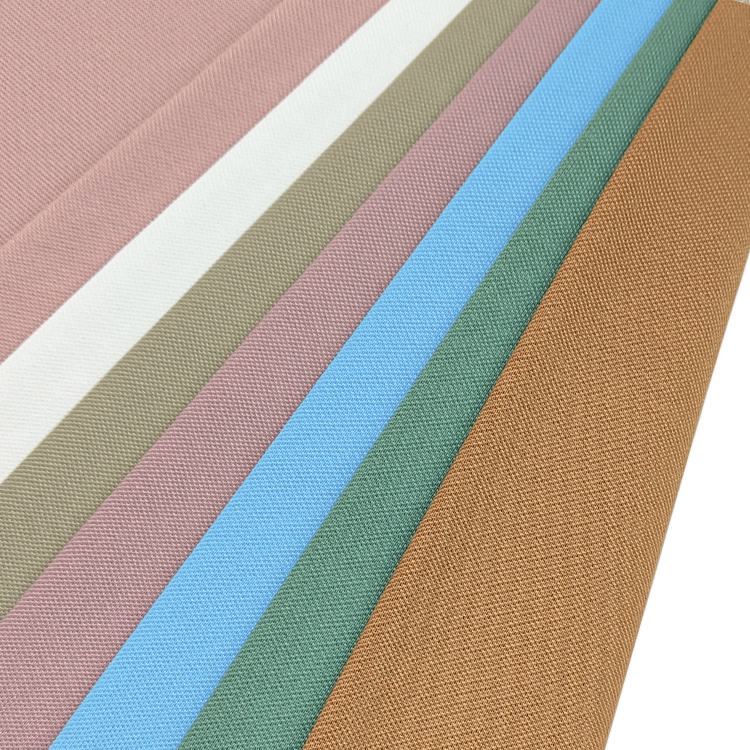
The remarkable versatility of mesh material fabric enables its use across an extraordinarily diverse range of applications, from fashion to industrial purposes, demonstrating exceptional adaptability. This flexibility stems from the ability to manufacture mesh material fabric in various weights, from ultra-light options for delicate apparel to heavy-duty versions for industrial screening and safety barriers. Color customization, pattern variations, and fiber selection allow designers and engineers to tailor mesh material fabric precisely to project specifications, whether prioritizing aesthetics, functionality, or both simultaneously. In fashion, mesh material fabric serves as both a primary textile and an accent material, creating visual interest through transparency and texture while delivering practical breathability. Sports equipment manufacturers incorporate mesh material fabric into products ranging from athletic shoes to protective gear, leveraging its combination of ventilation and structural support. The material's compatibility with various production techniques, including digital printing, embroidery, and lamination, expands creative possibilities for product differentiation. Industrial applications benefit from the same versatility, with mesh material fabric serving functions from filtration media to agricultural shade cloth. This adaptability reduces inventory complexity for manufacturers who can utilize mesh material fabric across multiple product lines, streamlining operations while maintaining performance standards.

Get a Free Quote

Our representative will contact you soon.
Email
Name
Company Name
Message
0/1000