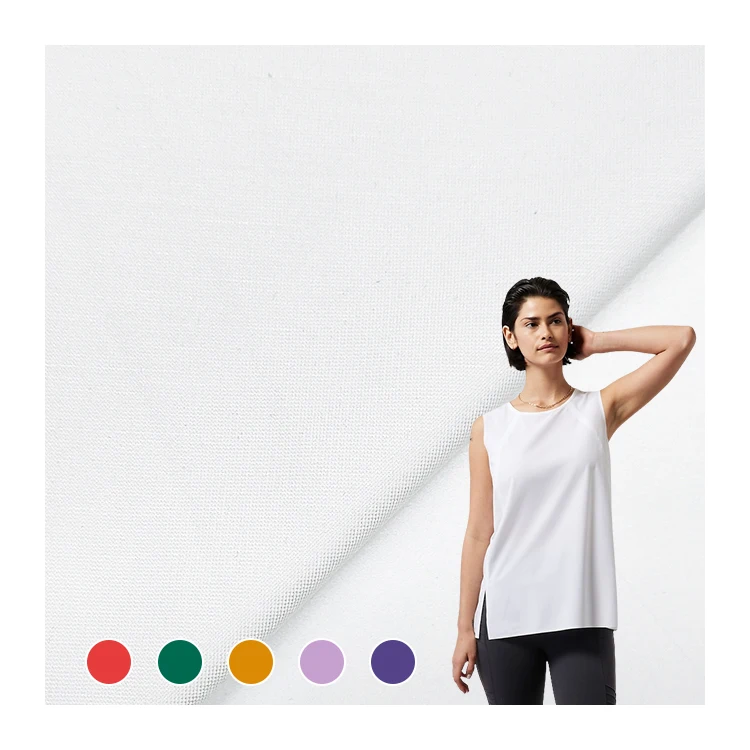
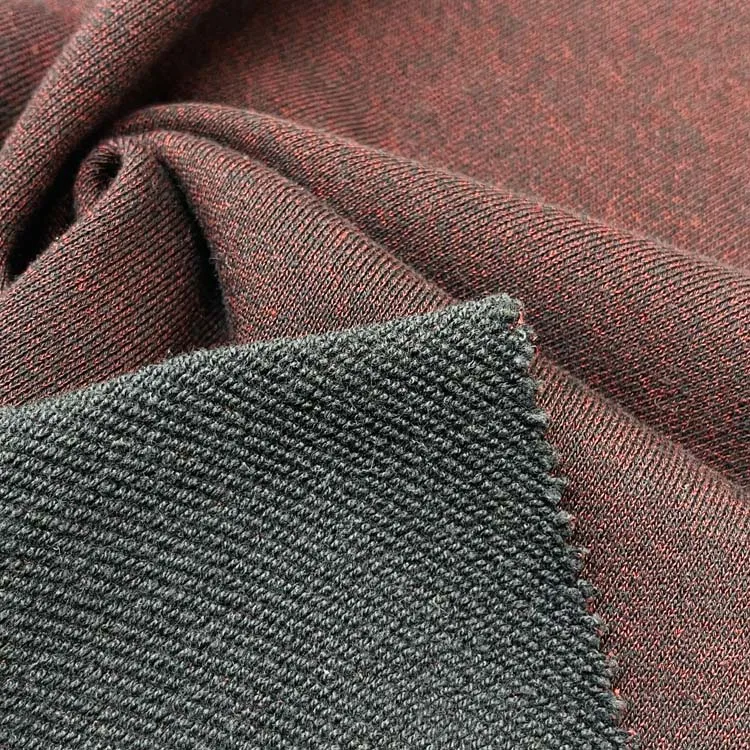
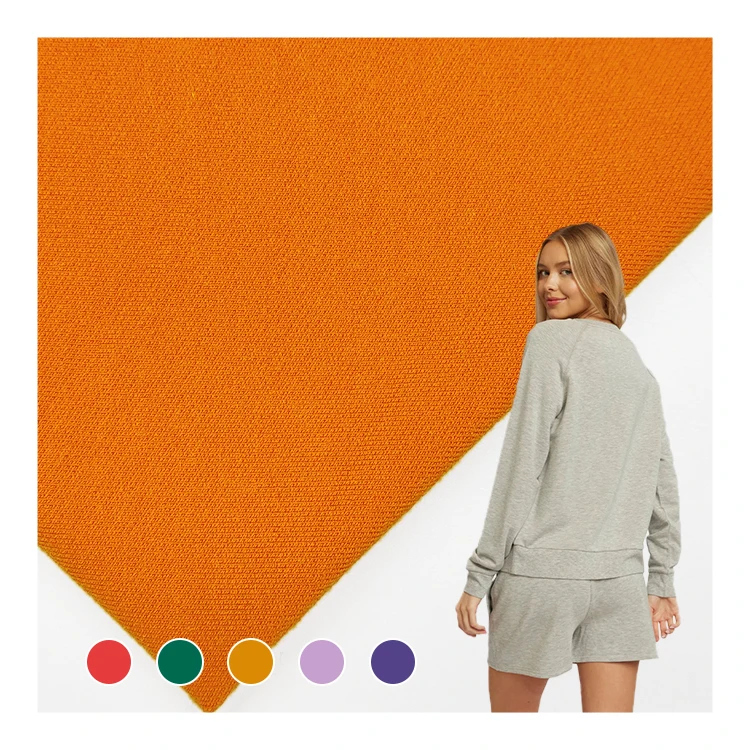
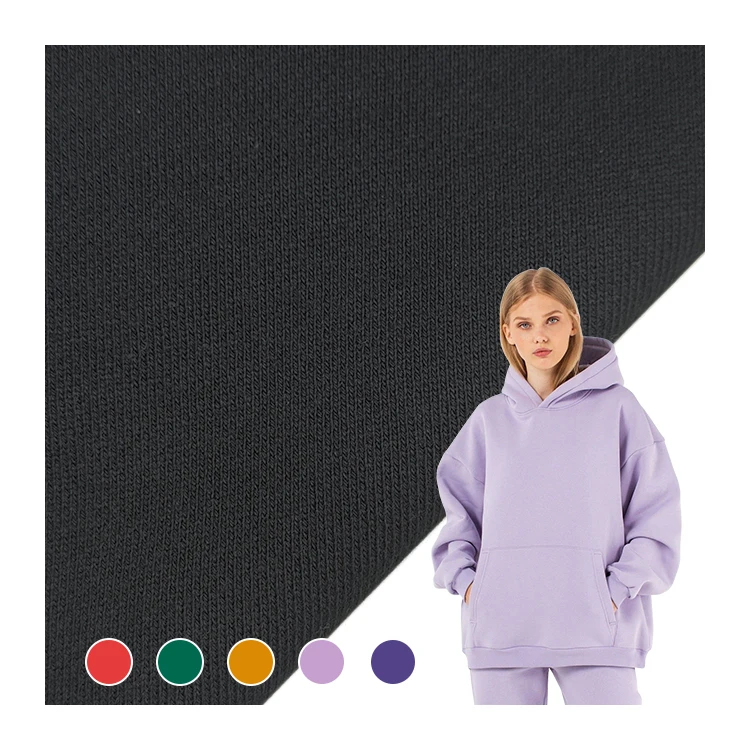
Premium Sustainable Fabric Solutions

Get a Free Quote

Our representative will contact you soon.
Email
Name
Company Name
Message
0/1000

sustainable fabric

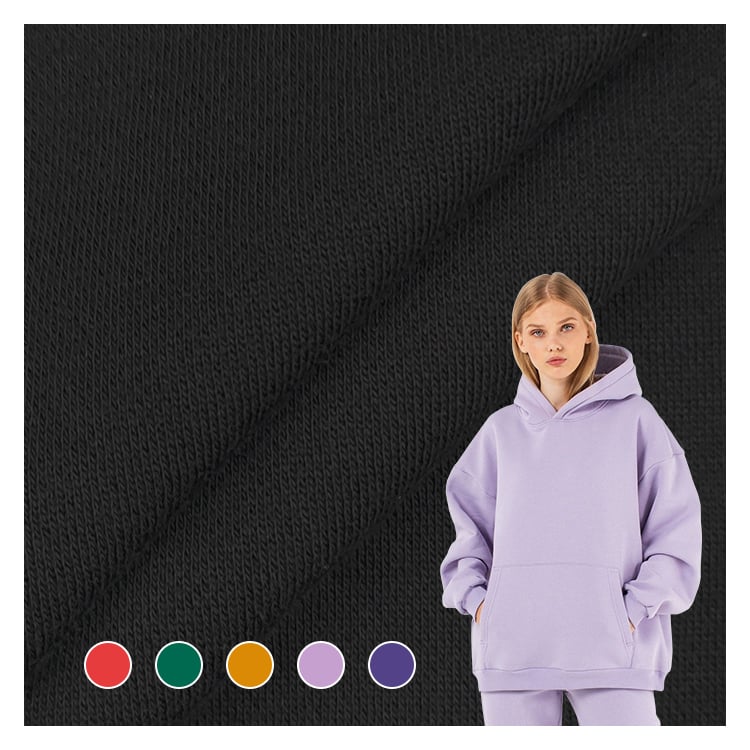
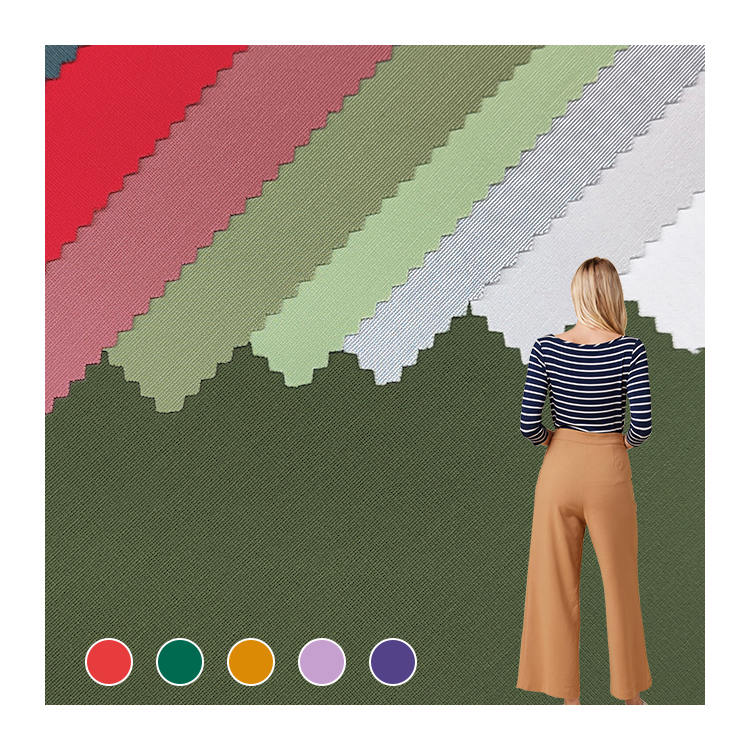
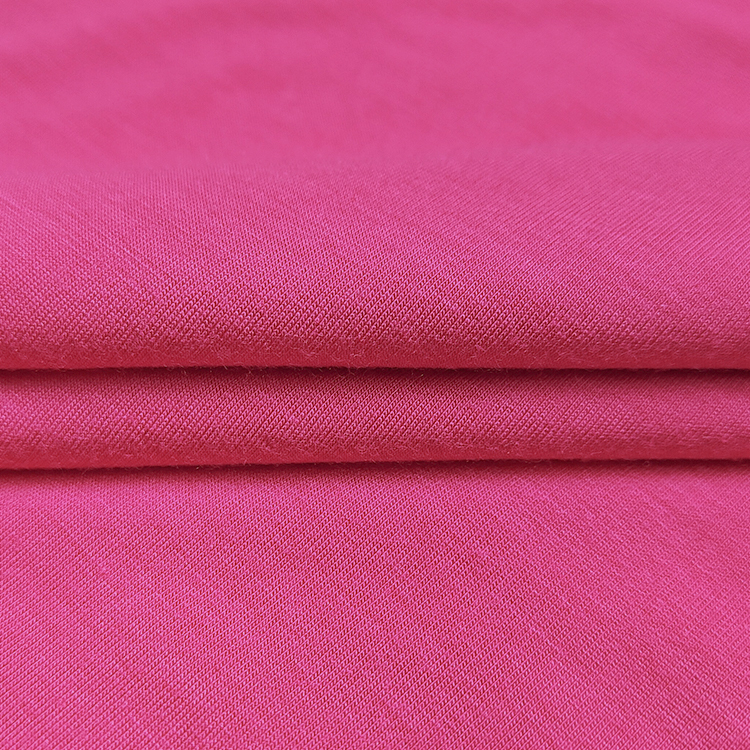
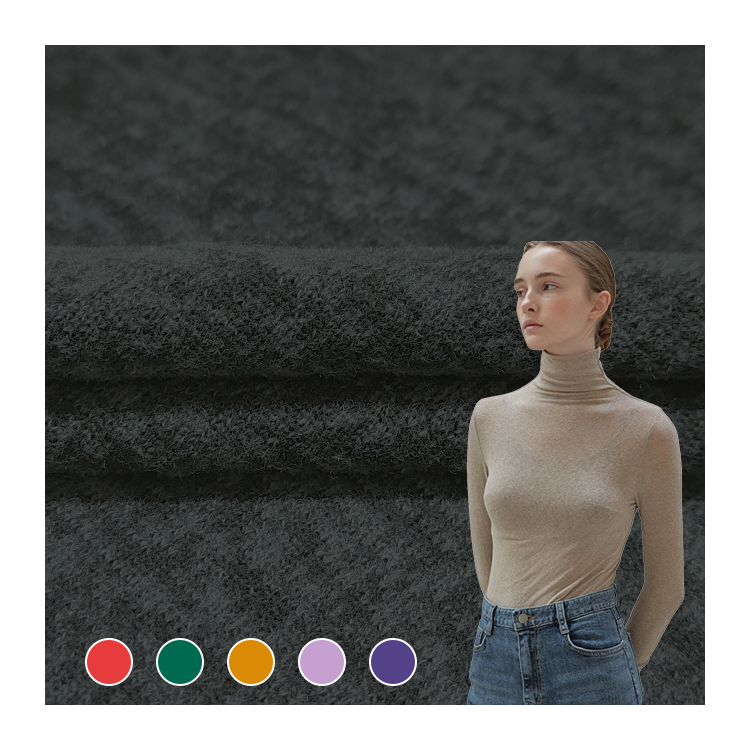
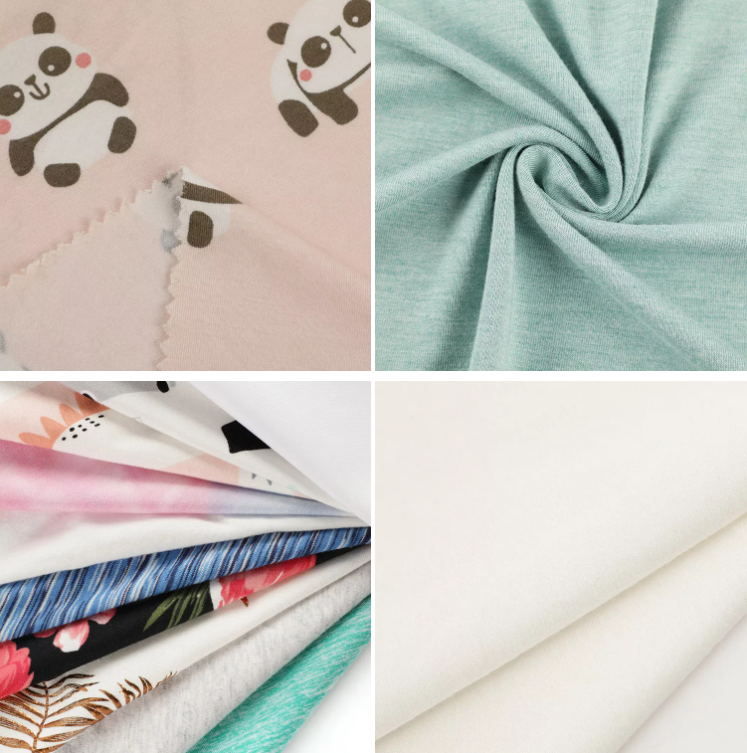
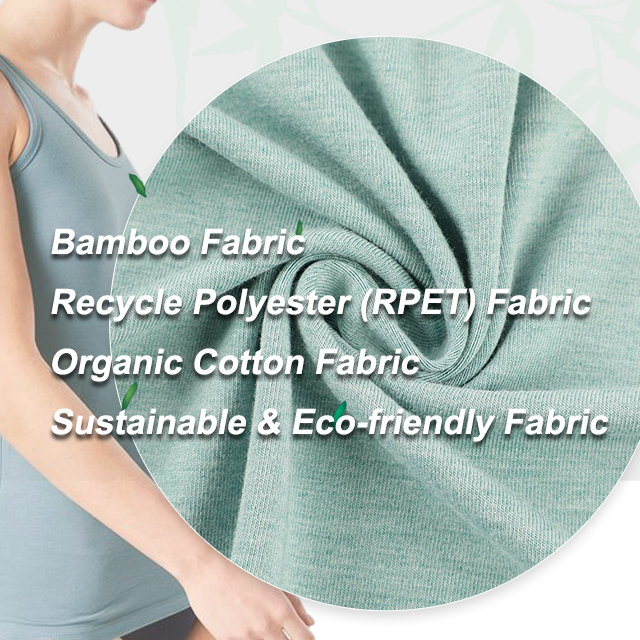
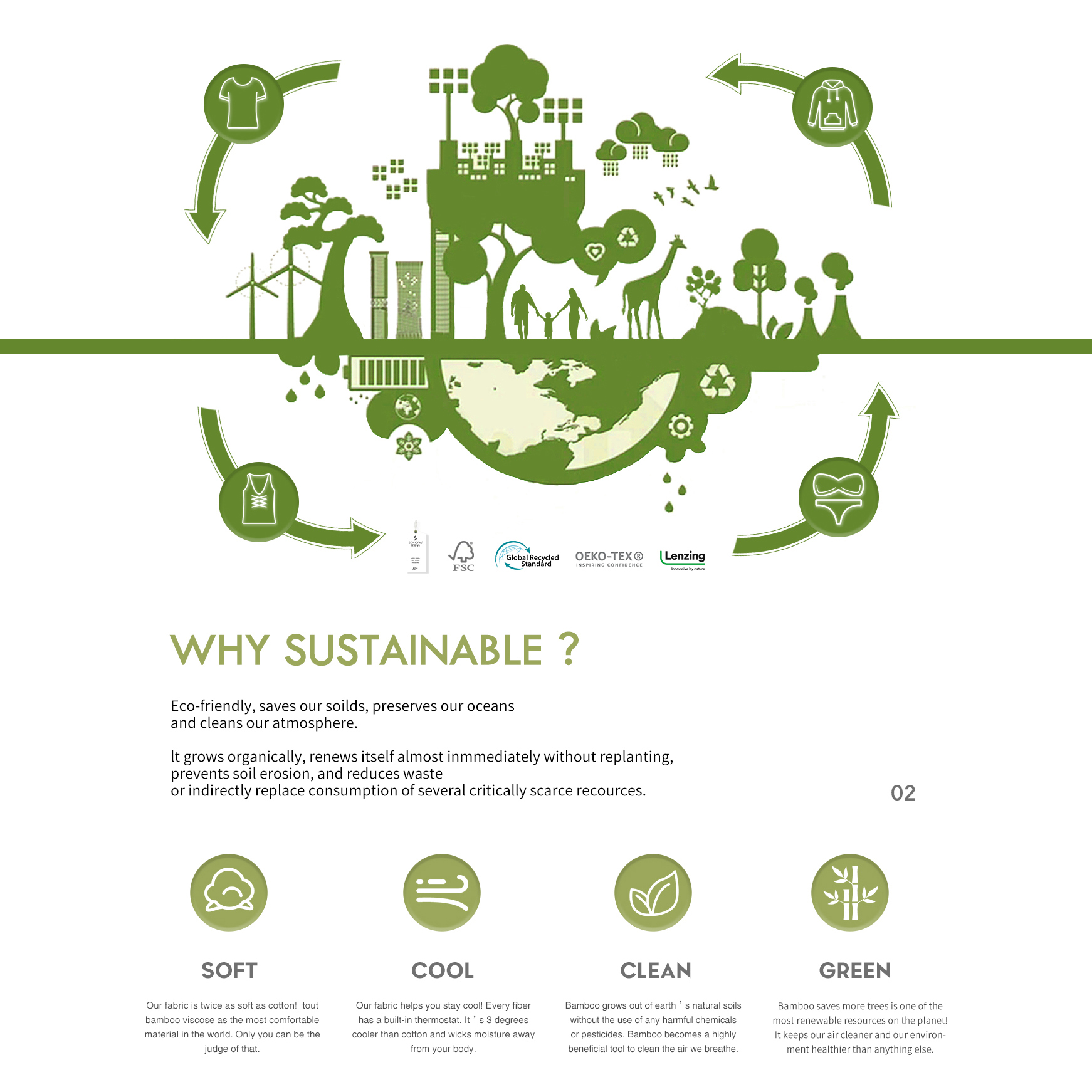
Sustainable fabric represents a revolutionary approach to textile manufacturing that prioritizes environmental responsibility without compromising quality or performance. This innovative material is produced using eco-friendly processes that minimize water consumption, reduce carbon emissions, and eliminate harmful chemicals traditionally used in fabric production. Sustainable fabric incorporates renewable resources such as organic cotton, recycled polyester, bamboo fibers, and innovative materials derived from plant-based sources. The main functions of sustainable fabric include providing durable, comfortable, and versatile textile solutions for various industries while actively reducing environmental impact. Technological features include advanced dyeing techniques that use non-toxic colorants, closed-loop manufacturing systems that recycle water and materials, and biodegradable compositions that prevent long-term pollution. These fabrics maintain excellent breathability, moisture-wicking properties, and color fastness comparable to conventional textiles. Applications span multiple sectors including fashion apparel, home furnishings, outdoor gear, athletic wear, and commercial textiles. The sustainable fabric industry continues to evolve with cutting-edge innovations such as lab-grown materials, zero-waste production methods, and circular economy models. Manufacturers are increasingly adopting certifications like GOTS, OEKO-TEX, and Bluesign to verify their environmental claims. As consumer awareness grows, sustainable fabric has become essential for brands committed to ethical production and long-term environmental stewardship, offering a practical solution that balances performance with planetary responsibility.

Popular Products

Choosing sustainable fabric delivers significant cost savings over time through improved durability and reduced replacement frequency. These materials resist wear and tear more effectively than many conventional alternatives, meaning your products last longer and provide better return on investment. You gain access to premium quality textiles that meet stringent environmental standards while maintaining the soft hand feel and aesthetic appeal your customers expect. Sustainable fabric production methods protect worker health by eliminating exposure to toxic chemicals, creating safer manufacturing environments and supporting ethical supply chains. Your brand reputation benefits substantially when you incorporate sustainable fabric into your product lines, as modern consumers actively seek environmentally responsible options and demonstrate loyalty to companies that share their values. Operational benefits include compliance with increasingly strict environmental regulations, reducing legal risks and potential fines associated with pollution or waste management. The versatility of sustainable fabric makes it suitable for diverse applications from lightweight summer clothing to heavy-duty upholstery, eliminating the need to source multiple material types. Water and energy efficiency in sustainable fabric production translates to lower environmental footprints for your entire supply chain. You position your business for future success as sustainability transitions from competitive advantage to market requirement. The transparent certification systems associated with sustainable fabric provide decision-useful documentation that simplifies marketing claims and builds customer trust. Improved breathability and hypoallergenic properties of sustainable fabric enhance end-user comfort and satisfaction, reducing product returns and negative reviews. By selecting sustainable fabric, you contribute to circular economy models that transform waste into valuable resources, supporting innovation in textile recycling and regeneration technologies.

Tips And Tricks

How to Choose Quality Sportswear Fabric for Brands

07

May

How to Choose Quality Sportswear Fabric for Brands

Selecting the right sportswear fabric represents one of the most critical decisions athletic apparel brands face in product development. The fabric choice directly influences garment performance, customer satisfaction, brand reputation, and ultimatel...
View More
Premium Loungewear Fabric Shopping Guide & Tips

30

Jun

Premium Loungewear Fabric Shopping Guide & Tips

Choosing the right loungewear fabric is one of the most important decisions any apparel brand, retailer, or designer makes when developing a comfortable clothing line. Loungewear fabric directly affects how garments feel against the skin, how they pe...
View More
Best Ponte Roma Fabrics for Fashion Design

30

Jun

Best Ponte Roma Fabrics for Fashion Design

Choosing the right ponte roma fabric is one of the most rewarding decisions a fashion designer can make. Ponte roma fabric delivers a rare combination of firm body, comfortable stretch, and a smooth surface that accepts color beautifully. Whether you...
View More
Top Yoga Fabric Types for Ultimate Comfort

30

Jun

Top Yoga Fabric Types for Ultimate Comfort

Choosing the right yoga fabric is one of the most important decisions any yoga wear designer, retailer, or active consumer can make. The yoga fabric you select directly affects how a garment feels during movement, how well it manages moisture, and ho...
View More

Get a Free Quote

Our representative will contact you soon.
Email
Name
Company Name
Message
0/1000

sustainable fabric

Advanced Eco-Friendly Production Technology

Advanced Eco-Friendly Production Technology

Sustainable fabric utilizes cutting-edge manufacturing processes that dramatically reduce environmental impact compared to traditional textile production. These advanced techniques incorporate closed-loop water systems that recycle and purify water throughout the production cycle, reducing freshwater consumption by up to 90 percent. The dyeing process employs plant-based or low-impact synthetic dyes that eliminate heavy metals and carcinogenic compounds, ensuring both environmental safety and worker protection. Energy-efficient machinery powered by renewable sources minimizes carbon emissions during every production stage. Innovative fiber treatments use enzymatic processes instead of harsh chemicals to achieve desired textures and properties. The technology behind sustainable fabric enables precise control over material composition, creating textiles that are fully traceable from raw material to finished product. This transparency allows manufacturers and consumers to verify environmental claims through blockchain-enabled tracking systems. The production facilities implementing these technologies often achieve zero-waste status by converting production scraps into new fibers or alternative products, demonstrating the circular economy principles that define modern sustainable fabric manufacturing.
Superior Durability and Performance Characteristics

Superior Durability and Performance Characteristics

Sustainable fabric delivers exceptional performance metrics that match or exceed conventional textiles while providing enhanced longevity. The natural and recycled fibers used in sustainable fabric production possess inherent strength characteristics that resist pilling, fading, and structural degradation over extended use periods. Advanced weaving techniques create tight, uniform fabric structures that maintain their shape and appearance through countless washing cycles. The breathability of sustainable fabric surpasses many synthetic alternatives, providing superior moisture management that keeps wearers comfortable in varying climate conditions. Temperature regulation properties make sustainable fabric ideal for year-round applications, as natural fibers naturally adapt to body temperature and environmental conditions. Colorfastness achieved through eco-friendly dyeing methods ensures vibrant hues remain stable without the chemical fixatives that damage conventional fabrics over time. The resilient nature of sustainable fabric reduces microfiber shedding during washing, addressing a significant source of oceanic plastic pollution. Performance testing demonstrates that sustainable fabric maintains tensile strength and elasticity comparable to premium conventional materials, ensuring reliable functionality across demanding applications from athletic wear to industrial textiles.
Comprehensive Health and Safety Benefits

Comprehensive Health and Safety Benefits

Sustainable fabric prioritizes human health through material selection and processing methods that eliminate harmful substances found in conventional textiles. The absence of toxic chemicals such as formaldehyde, flame retardants, and heavy metal dyes means sustainable fabric poses minimal risk of skin irritation or allergic reactions, making it particularly suitable for sensitive skin and children's products. Organic certification standards for sustainable fabric prohibit the use of pesticides and synthetic fertilizers during fiber cultivation, preventing agricultural worker exposure to dangerous compounds and protecting surrounding ecosystems. The breathable, moisture-wicking properties of sustainable fabric create less favorable environments for bacterial growth, promoting better hygiene and reducing odor development in garments and textiles. Natural antimicrobial characteristics inherent in materials like bamboo and organic cotton provide additional protection without chemical treatments. Third-party testing and certification ensure sustainable fabric meets rigorous safety standards, giving consumers confidence in product integrity. The transparent supply chains associated with sustainable fabric enable complete disclosure of material origins and processing methods, empowering informed purchasing decisions based on health priorities and ethical considerations.

Get a Free Quote

Our representative will contact you soon.
Email
Name
Company Name
Message
0/1000