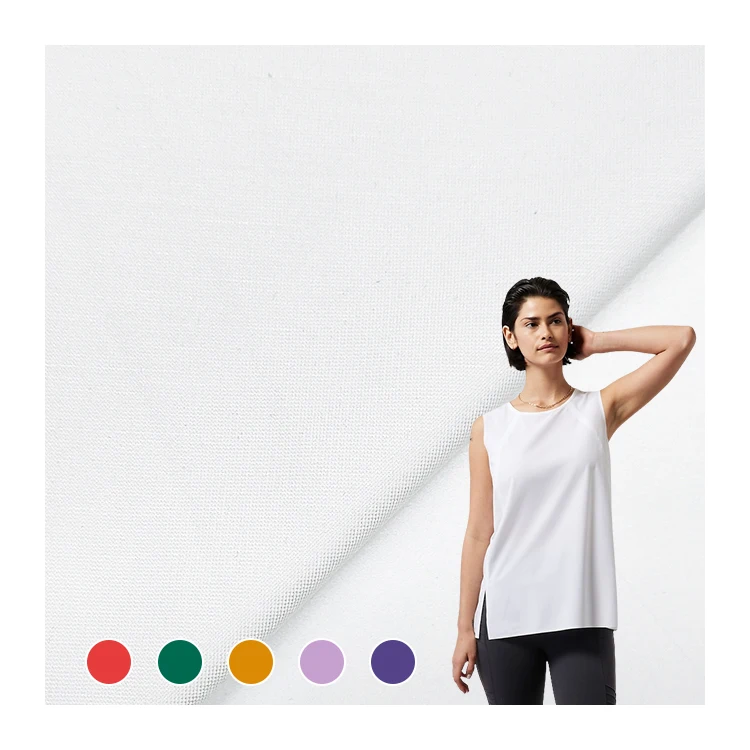
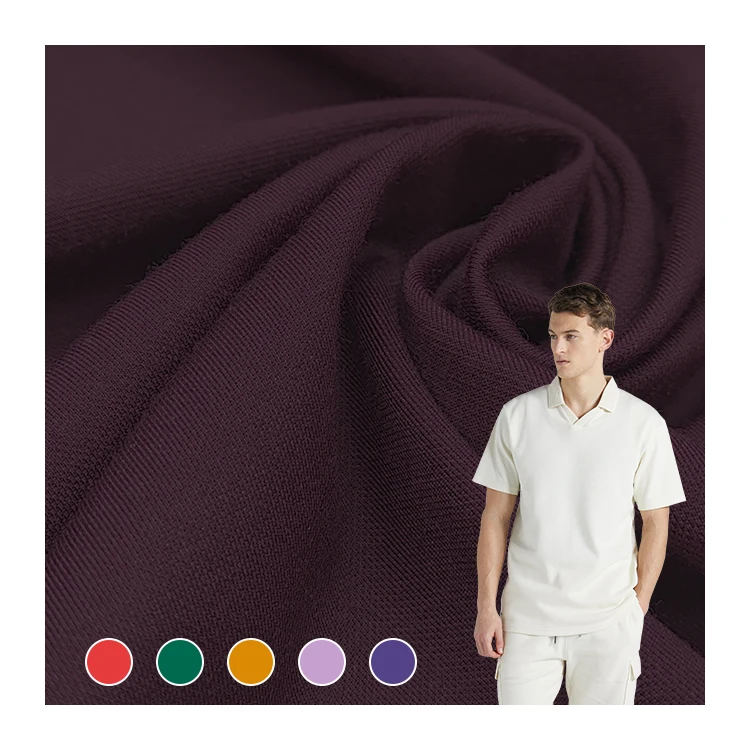
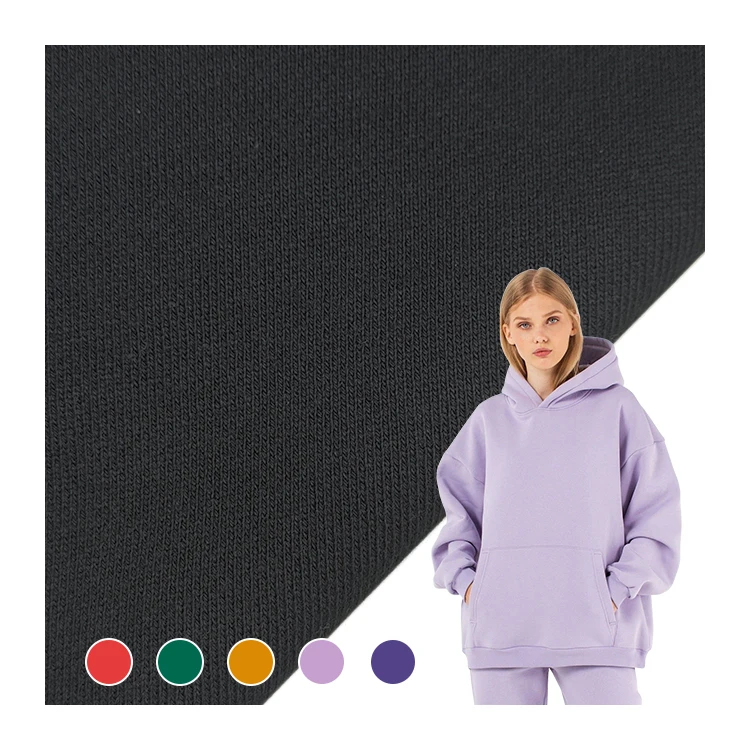
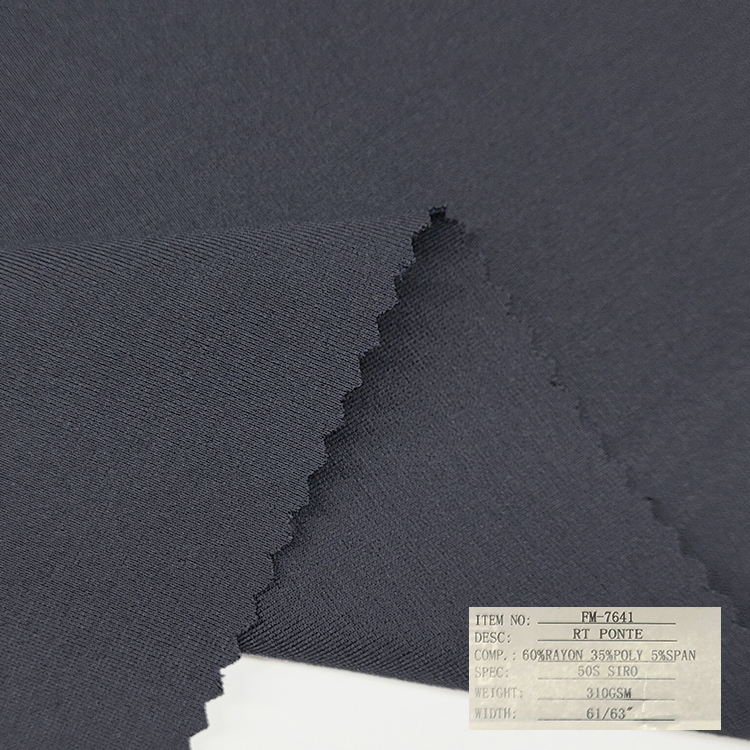
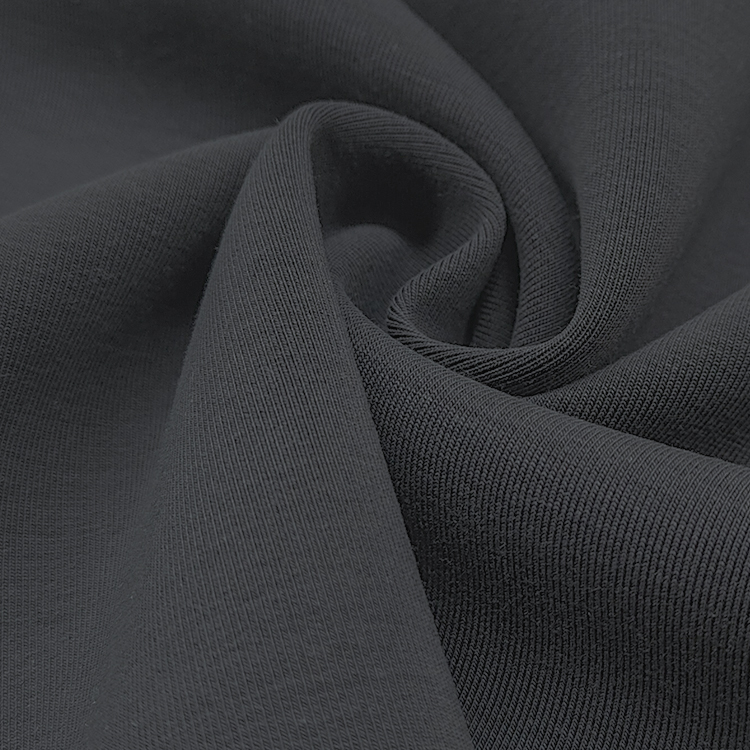
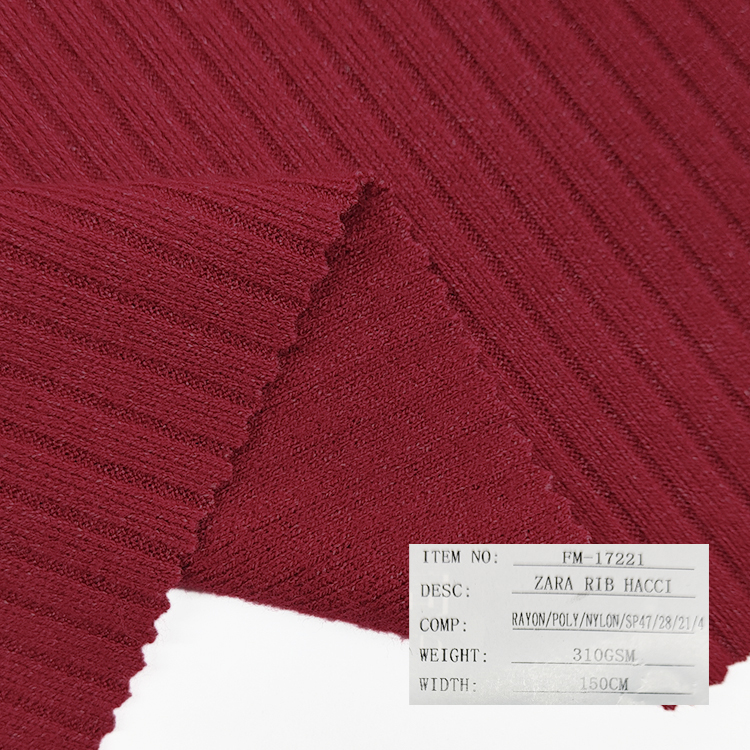
Eco Friendly Fabric: Sustainable Textile Solutions

Get a Free Quote

Our representative will contact you soon.
Email
Name
Company Name
Message
0/1000

eco friendly fabric

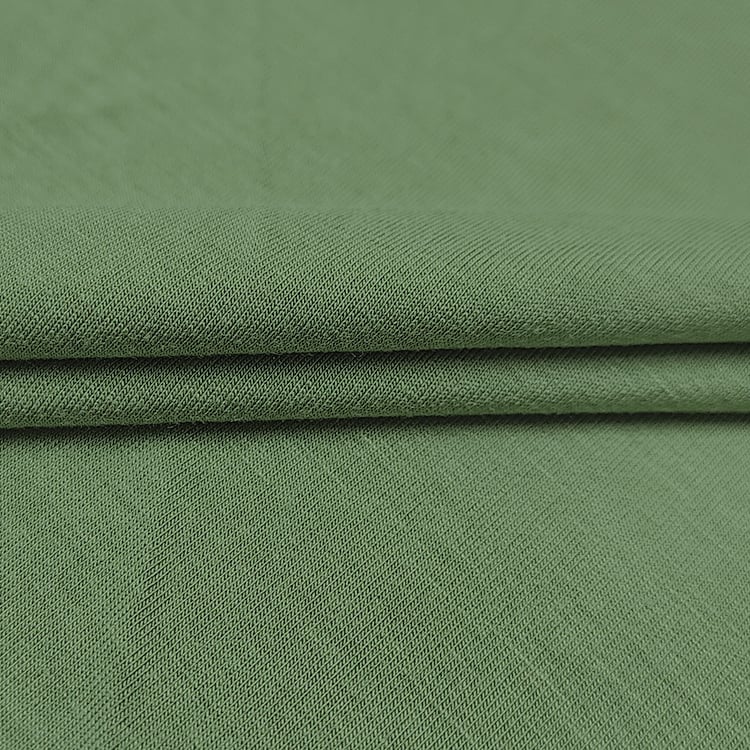
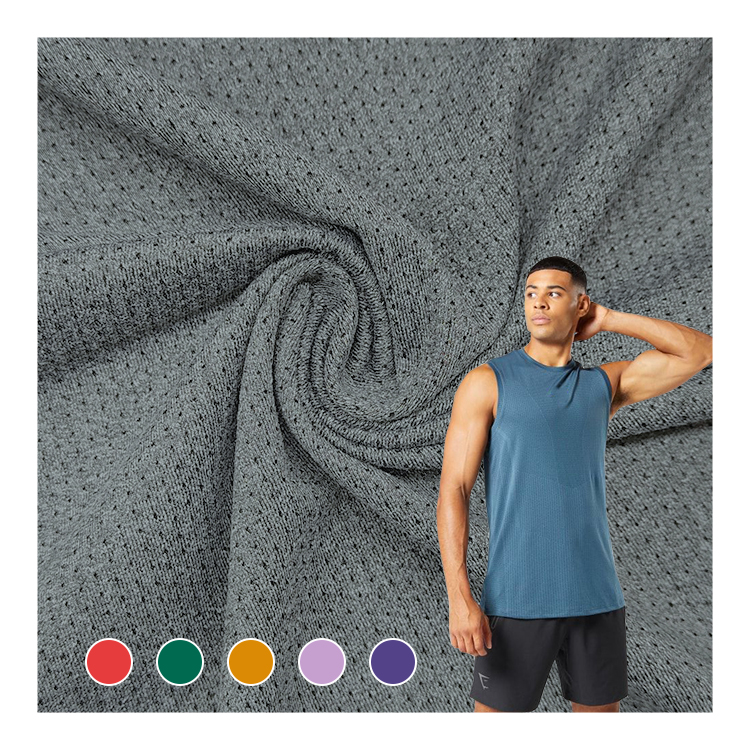
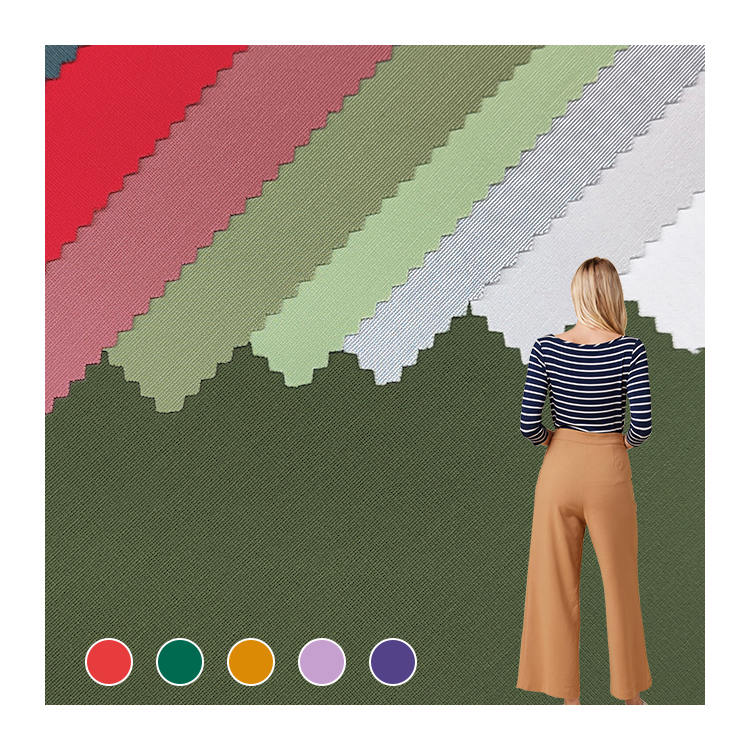
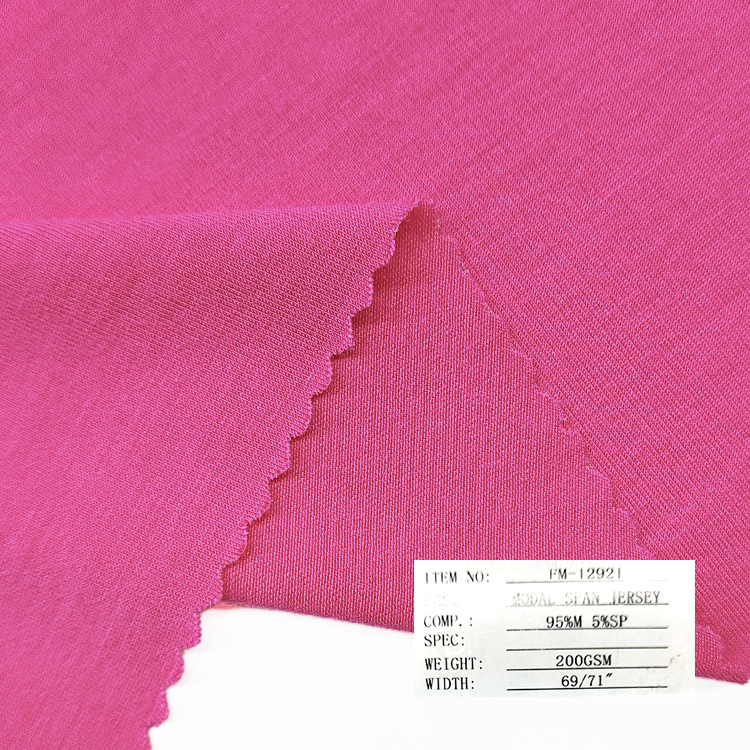
Eco friendly fabric represents a revolutionary approach to textile production that prioritizes environmental sustainability without compromising quality or performance. This innovative material is manufactured using processes that significantly reduce water consumption, chemical usage, and carbon emissions compared to conventional textile production. The main functions of eco friendly fabric include providing durable, breathable, and comfortable textiles suitable for various applications while maintaining minimal environmental impact throughout its lifecycle. Technological features encompass advanced manufacturing methods such as closed-loop production systems, natural dye processes, and biodegradable fiber integration. Many eco friendly fabric options utilize renewable resources like organic cotton, bamboo, hemp, recycled polyester, and Tencel, which are processed without harmful pesticides or toxic chemicals. The fabric demonstrates excellent moisture-wicking properties, temperature regulation, and hypoallergenic characteristics that enhance user comfort. Applications span multiple industries including fashion and apparel, home textiles, upholstery, medical textiles, and technical wear. In the fashion industry, eco friendly fabric serves as the foundation for sustainable clothing lines that appeal to environmentally conscious consumers. Home textile applications include bedding, curtains, and towels that offer both comfort and sustainability. The versatility of eco friendly fabric makes it ideal for creating products ranging from athletic wear to formal business attire, while its durability ensures long-lasting performance that reduces the need for frequent replacements and further minimizes environmental impact.

New Product Recommendations

Choosing eco friendly fabric delivers substantial practical benefits that extend beyond environmental responsibility to provide genuine value for your investment. The primary advantage lies in reduced environmental footprint, as these materials consume up to 90 percent less water during production and eliminate hazardous chemical discharge into waterways, protecting ecosystems and communities. From an operational perspective, eco friendly fabric offers superior durability and longevity compared to many conventional alternatives, meaning products last longer and require less frequent replacement, ultimately reducing your total cost of ownership. The breathability and moisture management properties inherent in eco friendly fabric enhance comfort during wear, making it particularly suitable for activewear, everyday clothing, and bedding applications where user satisfaction is paramount. Health-conscious buyers appreciate that eco friendly fabric is produced without toxic pesticides, heavy metals, or carcinogenic dyes, reducing skin irritation risks and creating safer products for sensitive individuals and children. The fabric's natural antimicrobial properties help resist odor development, maintaining freshness longer and reducing washing frequency, which saves water and energy in garment care. For businesses, incorporating eco friendly fabric into product lines strengthens brand reputation and appeals to the growing market segment of sustainability-focused consumers, potentially increasing market share and customer loyalty. The versatility of eco friendly fabric across different applications means you can standardize on sustainable materials without sacrificing performance in specialized uses. Additionally, many eco friendly fabric options are biodegradable or recyclable, supporting circular economy principles and reducing waste at product end-of-life. These combined advantages create compelling reasons for individuals and businesses to transition toward eco friendly fabric choices that align with both practical needs and responsible consumption values.

Latest News

Best Sportswear Fabric Types: Performance & Comfort

30

Jun

Best Sportswear Fabric Types: Performance & Comfort

Selecting the right sportswear fabric can dramatically influence athletic performance, comfort during intense workouts, and the overall durability of activewear. Modern sportswear fabric technology has evolved beyond simple cotton blends to incorpora...
View More
Sustainable Sportswear Fabric: Eco-Friendly Options

07

May

Sustainable Sportswear Fabric: Eco-Friendly Options

The global athletic apparel industry faces mounting pressure to reduce its environmental footprint, driving brands and manufacturers toward sustainable sportswear fabric solutions that balance performance demands with ecological responsibility. As co...
View More
Loungewear Fabric Care: Maintain Softness Forever

30

Jun

Loungewear Fabric Care: Maintain Softness Forever

Keeping your loungewear fabric soft over time is not a matter of luck — it is a result of consistent, informed care. Every loungewear fabric has a unique fiber structure, and the way you wash, dry, and store each piece directly determines how l...
View More
Premium Loungewear Fabric Shopping Guide & Tips

30

Jun

Premium Loungewear Fabric Shopping Guide & Tips

Choosing the right loungewear fabric is one of the most important decisions any apparel brand, retailer, or designer makes when developing a comfortable clothing line. Loungewear fabric directly affects how garments feel against the skin, how they pe...
View More

Get a Free Quote

Our representative will contact you soon.
Email
Name
Company Name
Message
0/1000

eco friendly fabric

Sustainable Production Process Minimizes Environmental Impact

Sustainable Production Process Minimizes Environmental Impact

The manufacturing process behind eco friendly fabric incorporates cutting-edge technologies designed to drastically reduce environmental harm at every production stage. Unlike traditional textile manufacturing that consumes enormous quantities of fresh water and releases chemical-laden wastewater, eco friendly fabric production employs closed-loop systems that recycle water and capture chemicals for reuse, achieving up to 95 percent water savings. The cultivation of raw materials such as organic cotton avoids synthetic pesticides and fertilizers that contaminate soil and groundwater, instead relying on natural farming methods that enhance soil health and biodiversity. Energy consumption during production is minimized through efficient machinery and renewable energy integration, significantly lowering the carbon footprint associated with each yard of eco friendly fabric produced. Natural dyeing processes using plant-based colorants eliminate the toxic heavy metals and synthetic chemicals typical in conventional dyeing, creating vibrant colors without environmental pollution. This comprehensive approach to sustainable production means that every piece of eco friendly fabric represents a tangible reduction in environmental damage, allowing consumers and businesses to make purchases that actively support ecological preservation while still obtaining high-quality textiles suitable for demanding applications.
Superior Comfort and Performance Characteristics

Superior Comfort and Performance Characteristics

Eco friendly fabric delivers exceptional comfort and performance features that meet or exceed the qualities of conventional textiles, proving that sustainability and functionality are not mutually exclusive. The natural fiber composition found in many eco friendly fabric options provides excellent breathability, allowing air circulation that prevents moisture buildup and maintains comfortable body temperature regulation throughout daily activities. Moisture-wicking capabilities draw perspiration away from skin, keeping wearers dry during physical exertion and making eco friendly fabric ideal for athletic wear and outdoor applications. The soft texture of eco friendly fabric feels gentle against skin while maintaining structural integrity and shape retention even after repeated washing and extended use. Hypoallergenic properties make eco friendly fabric particularly valuable for individuals with sensitive skin or chemical sensitivities, as the absence of harsh processing chemicals reduces irritation risks. The fabric's natural antimicrobial characteristics inhibit bacterial growth, resisting odor development and maintaining freshness longer than synthetic alternatives. Durability testing demonstrates that quality eco friendly fabric withstands wear and tear exceptionally well, with fibers that resist pilling, fading, and degradation over time. This combination of comfort, performance, and longevity ensures that choosing eco friendly fabric never means compromising on the practical qualities that matter most in daily use.
Versatile Applications Across Multiple Industries

Versatile Applications Across Multiple Industries

The adaptability of eco friendly fabric makes it an excellent choice for diverse applications spanning numerous industries and use cases, providing sustainable solutions wherever textiles are needed. In the fashion and apparel sector, eco friendly fabric serves as the foundation for everything from casual t-shirts and denim to elegant evening wear and professional business attire, demonstrating that sustainable materials can meet any aesthetic or functional requirement. Home textile applications benefit from eco friendly fabric in bedding that provides comfortable sleep environments, curtains that add beauty while supporting sustainability values, and upholstery that combines durability with environmental responsibility. The hospitality industry increasingly specifies eco friendly fabric for hotel linens, restaurant uniforms, and interior furnishings to enhance their sustainability credentials and appeal to eco-conscious travelers. Medical and healthcare settings utilize eco friendly fabric for scrubs, patient gowns, and linens where hypoallergenic properties and chemical-free production offer additional safety benefits. Technical applications including outdoor gear, bags, and industrial textiles leverage the strength and weather resistance available in eco friendly fabric options like recycled polyester and hemp blends. This remarkable versatility means that transitioning to eco friendly fabric does not require compromising on performance specifications or limiting design possibilities, making sustainable textile choices practical and accessible across virtually any application.

Get a Free Quote

Our representative will contact you soon.
Email
Name
Company Name
Message
0/1000