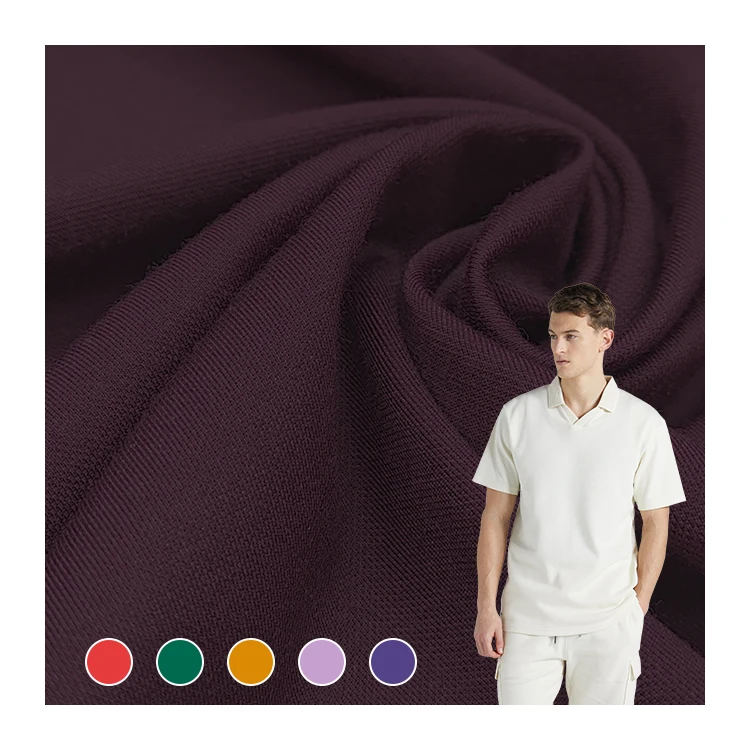
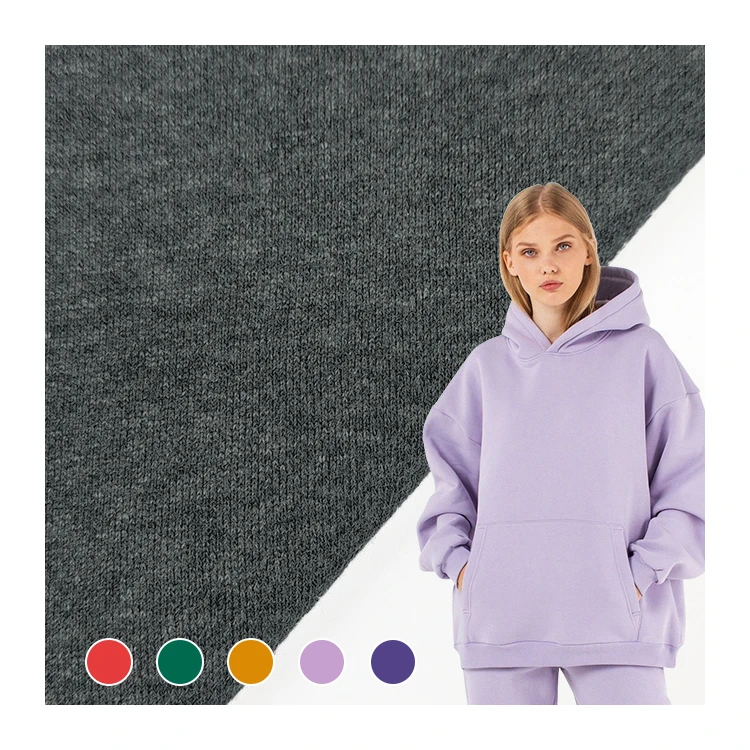
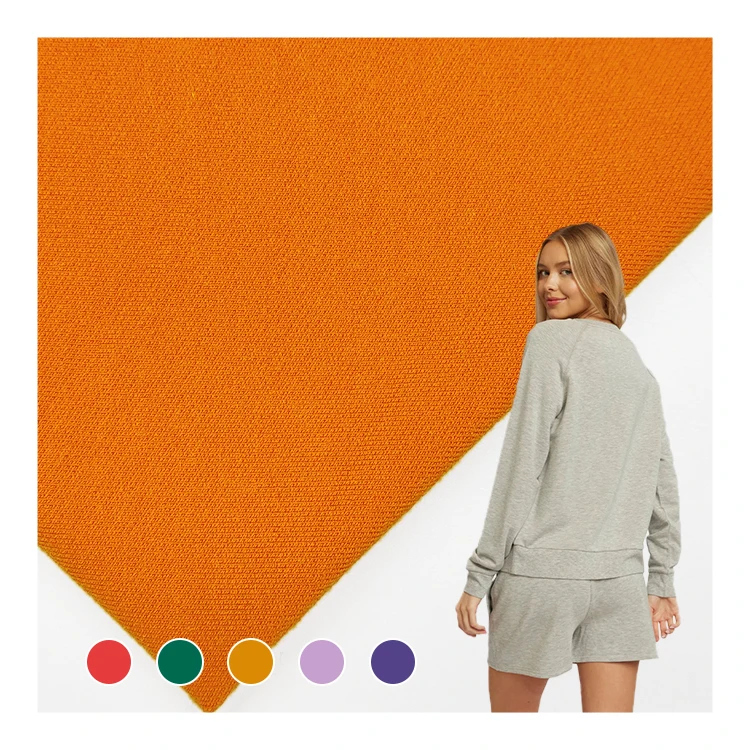
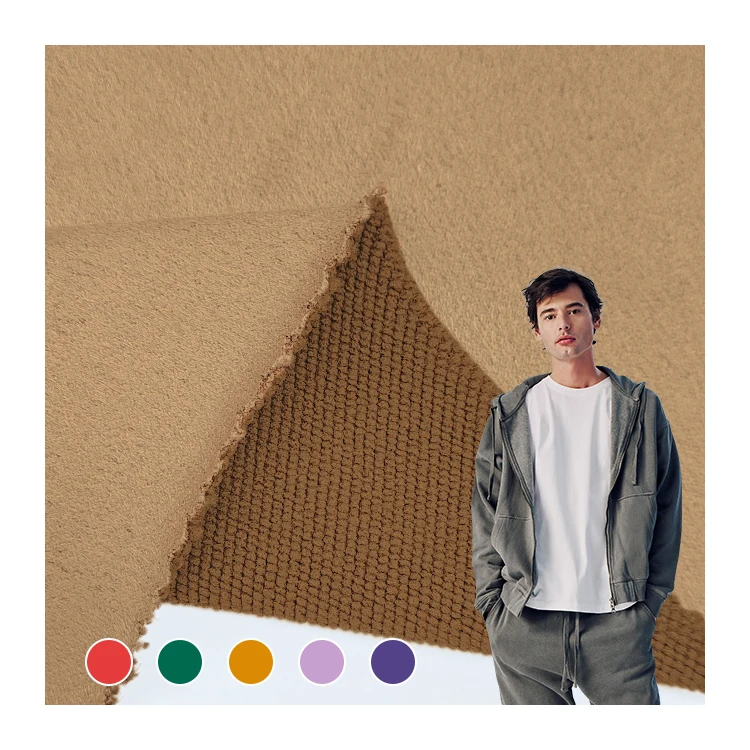
Bamboo Fabric: Sustainable Textile Solutions

Get a Free Quote

Our representative will contact you soon.
Email
Name
Company Name
Message
0/1000

bamboo fabric

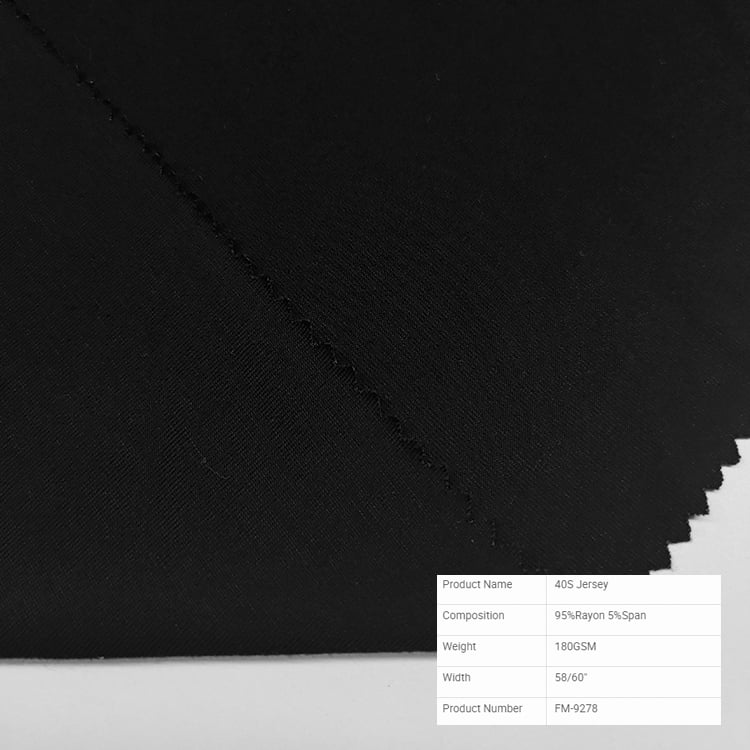
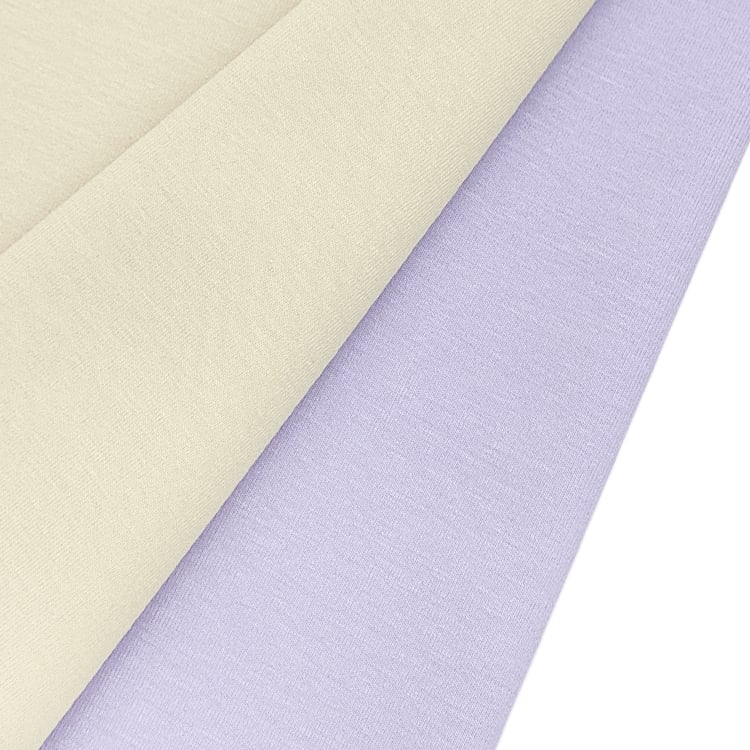
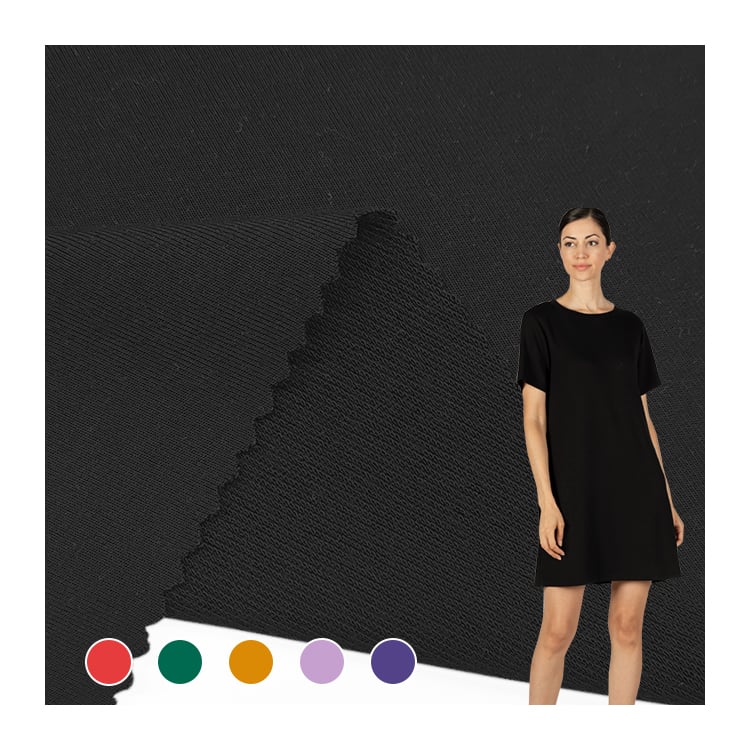
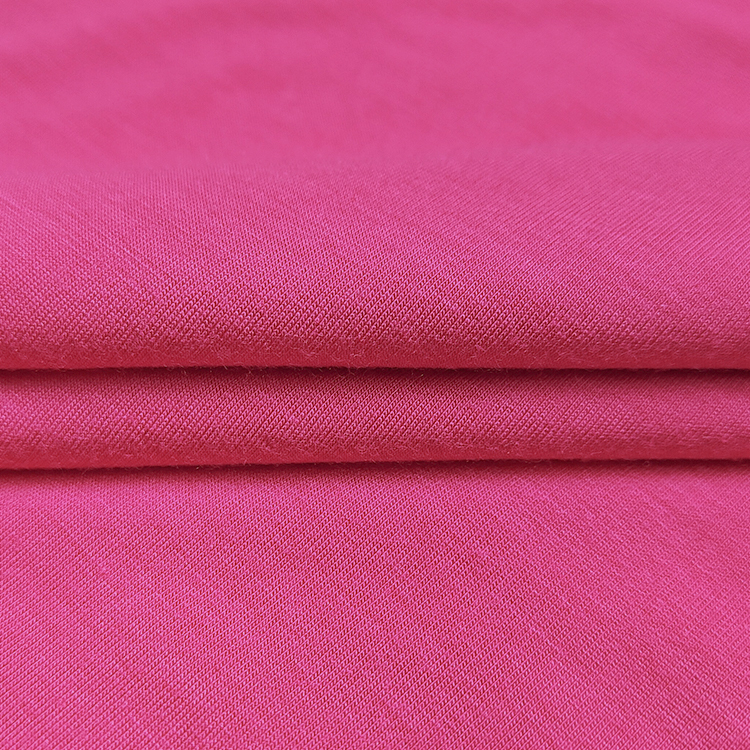
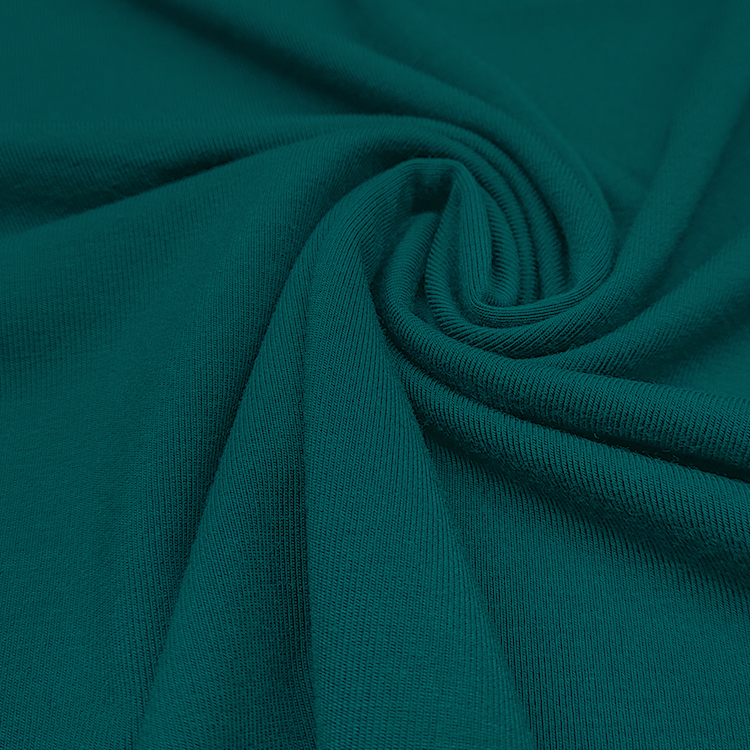
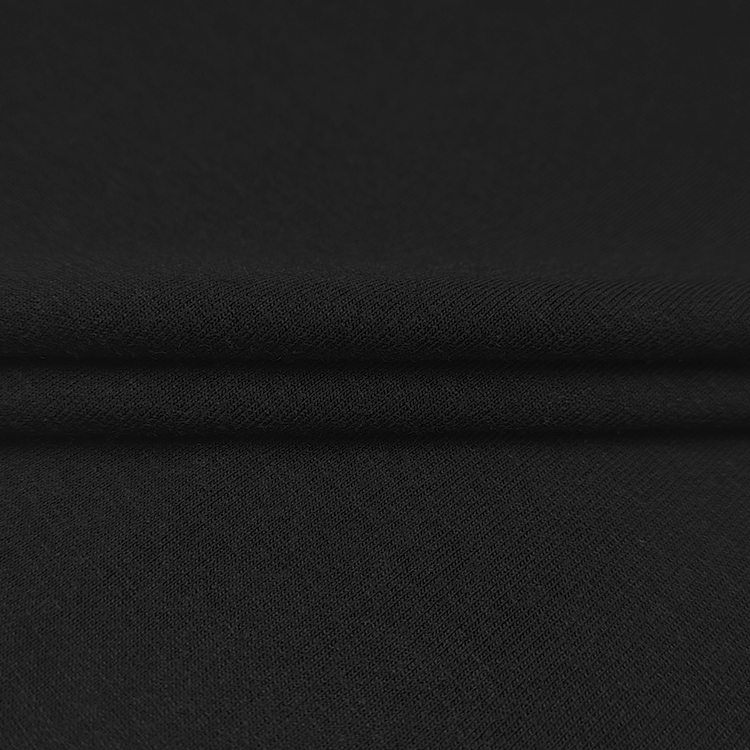
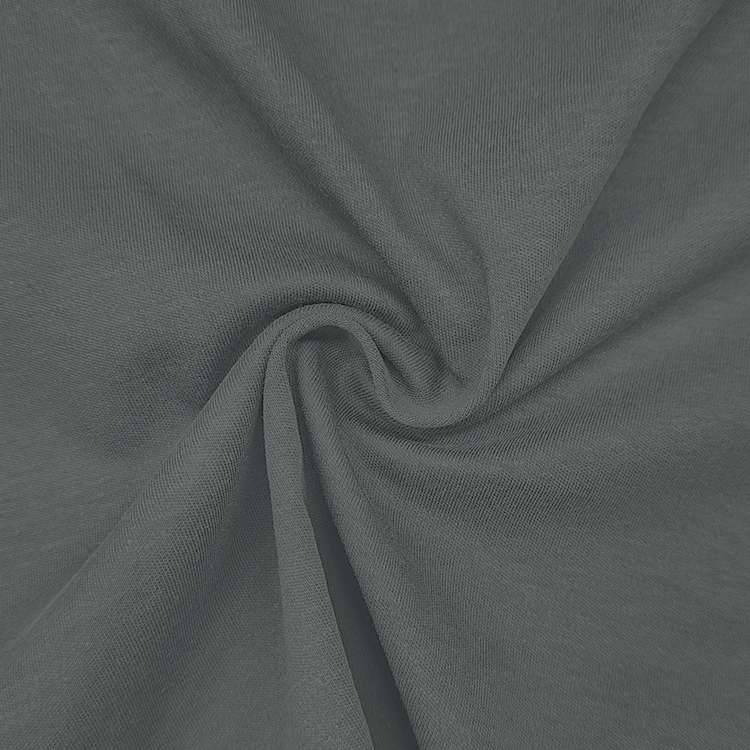
Bamboo fabric represents a revolutionary textile material derived from natural bamboo pulp through advanced processing techniques. This eco-friendly fabric has gained significant popularity in the textile industry due to its exceptional sustainability profile and remarkable performance characteristics. Bamboo fabric is produced by extracting cellulose from bamboo plants, which are then processed into soft, luxurious fibers suitable for various textile applications. The main functions of bamboo fabric include providing superior moisture management, natural temperature regulation, and antimicrobial protection that keeps garments fresh throughout extended wear. Technologically, bamboo fabric features a unique micro-gap structure that creates exceptional breathability and moisture-wicking properties, allowing air to circulate freely while drawing perspiration away from the skin. The fabric exhibits natural antibacterial qualities, with studies showing that it can eliminate up to 99.8% of bacteria, making it ideal for sensitive skin and hygiene-conscious applications. Bamboo fabric applications span across multiple sectors including clothing, bedding, towels, athletic wear, undergarments, baby products, and medical textiles. In the fashion industry, designers appreciate bamboo fabric for its silk-like texture, elegant drape, and ability to hold vibrant colors without extensive chemical treatment. The fabric's biodegradable nature and renewable source material align perfectly with growing consumer demand for sustainable textile solutions, making bamboo fabric an intelligent choice for environmentally conscious manufacturers and retailers seeking to reduce their ecological footprint while delivering premium quality products.

New Product Recommendations

Choosing bamboo fabric delivers substantial buyer value through its exceptional durability combined with luxurious softness that improves with each wash rather than deteriorating over time. The fabric naturally resists odor-causing bacteria, reducing the frequency of washing required and extending garment lifespan, which translates to significant cost savings for consumers. Operational benefits include easy care requirements, as bamboo fabric maintains its quality through standard washing procedures without special treatments or delicate handling. The fabric dries quickly due to its moisture-wicking properties, reducing energy consumption and laundering time for both households and commercial operations. Application suitability makes bamboo fabric versatile across diverse product categories, from everyday casual wear to high-performance athletic apparel, luxury bedding, and specialized medical textiles. The fabric performs exceptionally well in warm climates due to its cooling properties, while its insulating capabilities provide comfort in cooler conditions, offering year-round versatility. For businesses, bamboo fabric presents compelling marketing advantages, as consumers increasingly prioritize sustainable products and are willing to pay premium prices for environmentally responsible textiles. The production process requires significantly less water compared to cotton cultivation, and bamboo plants naturally regenerate without replanting, requiring no pesticides or fertilizers. These environmental credentials strengthen brand positioning and appeal to eco-conscious demographics. From a practical standpoint, bamboo fabric offers hypoallergenic properties that benefit individuals with sensitive skin or allergies, expanding potential customer bases. The fabric's natural UV protection provides added value for outdoor apparel applications. Decision-useful context includes bamboo fabric's competitive pricing relative to other premium sustainable textiles, combined with superior performance metrics that justify investment for quality-focused buyers seeking long-term value rather than disposable fashion alternatives.

Practical Tips

2025 Rib Fabric Guide: Types, Uses & Benefits

15

Apr

2025 Rib Fabric Guide: Types, Uses & Benefits

The textile landscape of 2025 continues to evolve with sophisticated fabric constructions, and rib fabric stands at the forefront of this innovation. This comprehensive guide explores the essential characteristics, diverse types, and significant bene...
View More
Best Rib Fabric for T-Shirts: Complete Buying Guide

15

Apr

Best Rib Fabric for T-Shirts: Complete Buying Guide

Selecting the ideal rib fabric for t-shirt production requires understanding fabric construction, fiber composition, and garment application requirements. Rib fabric represents a specialized knit construction characterized by vertical ridges and vall...
View More
Sportswear Fabric Innovation Trends in 2025

07

May

Sportswear Fabric Innovation Trends in 2025

The evolution of sportswear fabric technology continues to accelerate as we enter 2025, driven by unprecedented consumer demands for performance, sustainability, and versatility. Athletic brands and textile manufacturers are investing heavily in rese...
View More
Best Ponte Roma Fabrics for Fashion Design

30

Jun

Best Ponte Roma Fabrics for Fashion Design

Choosing the right ponte roma fabric is one of the most rewarding decisions a fashion designer can make. Ponte roma fabric delivers a rare combination of firm body, comfortable stretch, and a smooth surface that accepts color beautifully. Whether you...
View More

Get a Free Quote

Our representative will contact you soon.
Email
Name
Company Name
Message
0/1000

bamboo fabric

Exceptional Moisture Management and Breathability

Exceptional Moisture Management and Breathability

Bamboo fabric features an innovative micro-gap fiber structure that creates unparalleled moisture-wicking and breathability performance, setting it apart from conventional textile materials. The unique cellular composition of bamboo fabric allows the material to absorb moisture up to three times faster than cotton, pulling perspiration away from the skin and releasing it into the air through rapid evaporation. This advanced moisture management system keeps wearers dry and comfortable even during intense physical activity or in humid environments. The breathable nature of bamboo fabric results from microscopic holes in the fiber structure that facilitate continuous air circulation, preventing the trapped heat and dampness that often occur with synthetic materials. This combination of superior absorption and ventilation makes bamboo fabric particularly valuable for activewear, undergarments, and bedding applications where comfort and hygiene are paramount. The thermal regulation properties of bamboo fabric work bidirectionally, keeping users cool in warm weather by promoting airflow and maintaining warmth in cooler conditions through effective insulation. Athletes and fitness enthusiasts particularly appreciate how bamboo fabric prevents the discomfort of sweat-soaked clothing, while the quick-drying characteristics mean garments are ready for reuse faster than traditional fabrics. This moisture management excellence extends product functionality beyond basic clothing needs into specialized performance applications.
Natural Antibacterial and Hypoallergenic Properties

Natural Antibacterial and Hypoallergenic Properties

Bamboo fabric possesses inherent antibacterial and hypoallergenic characteristics that provide significant health and hygiene benefits without requiring chemical treatments or artificial additives. Scientific testing confirms that bamboo fabric naturally eliminates up to 99.8% of bacteria, even after multiple washing cycles, making it exceptionally resistant to odor development and microbial growth. This natural antimicrobial property originates from a bio-agent called bamboo kun found in the plant itself, which transfers to the processed fabric and continues to provide protection throughout the textile's lifespan. For consumers with sensitive skin conditions such as eczema, psoriasis, or general skin sensitivity, bamboo fabric offers gentle contact that minimizes irritation and allergic reactions commonly triggered by synthetic materials or chemically treated textiles. The smooth, round fiber structure of bamboo fabric lacks the sharp spurs found in other plant-based fabrics, reducing mechanical irritation against skin surfaces. Parents particularly value bamboo fabric for children's clothing and baby products, where delicate skin requires extra protection and the antibacterial properties contribute to better hygiene. Medical and healthcare applications benefit from these natural protective qualities, as bamboo fabric reduces infection risks in wound dressings, hospital linens, and patient garments. The hypoallergenic advantage extends to bedding products, where bamboo fabric creates healthier sleep environments by resisting dust mites, mold, and allergen accumulation that compromise respiratory health and sleep quality.
Environmental Sustainability and Renewable Resource

Environmental Sustainability and Renewable Resource

Bamboo fabric stands as one of the most environmentally sustainable textile options available, derived from bamboo plants that represent the fastest-growing renewable resource on Earth, capable of reaching maturity in just three to five years without replanting. The cultivation of bamboo requires no pesticides, herbicides, or fertilizers, as the plant naturally resists pests and diseases while thriving in diverse climatic conditions with minimal human intervention. Water consumption for bamboo cultivation is dramatically lower than cotton production, using approximately one-third the amount while yielding significantly more usable fiber per acre of farmland. Bamboo plants contribute positively to environmental health by absorbing five times more carbon dioxide and producing 35% more oxygen compared to equivalent tree stands, actively combating climate change while serving as a textile source. The root systems remain intact after harvesting, preventing soil erosion and maintaining ecosystem stability while new shoots emerge naturally for continuous production cycles. Processing bamboo fabric has evolved to include closed-loop manufacturing systems that recycle water and solvents, minimizing environmental impact and chemical discharge. For brands and consumers committed to reducing ecological footprints, bamboo fabric offers tangible sustainability credentials that align with corporate social responsibility goals and personal environmental values. The biodegradability of bamboo fabric means end-of-life disposal does not contribute to persistent landfill waste, as the material naturally decomposes and returns nutrients to the soil, completing a genuinely circular lifecycle that exemplifies responsible textile production.

Get a Free Quote

Our representative will contact you soon.
Email
Name
Company Name
Message
0/1000