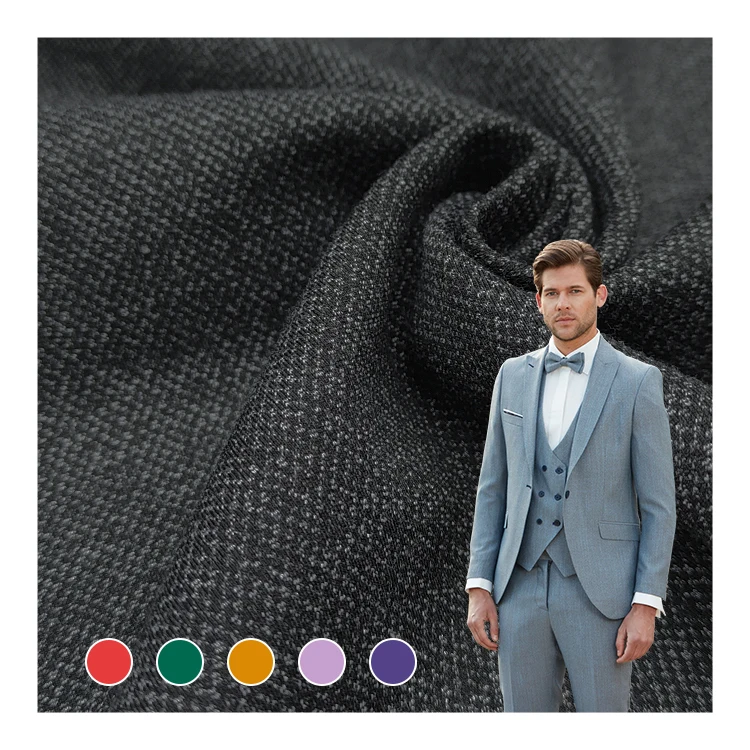
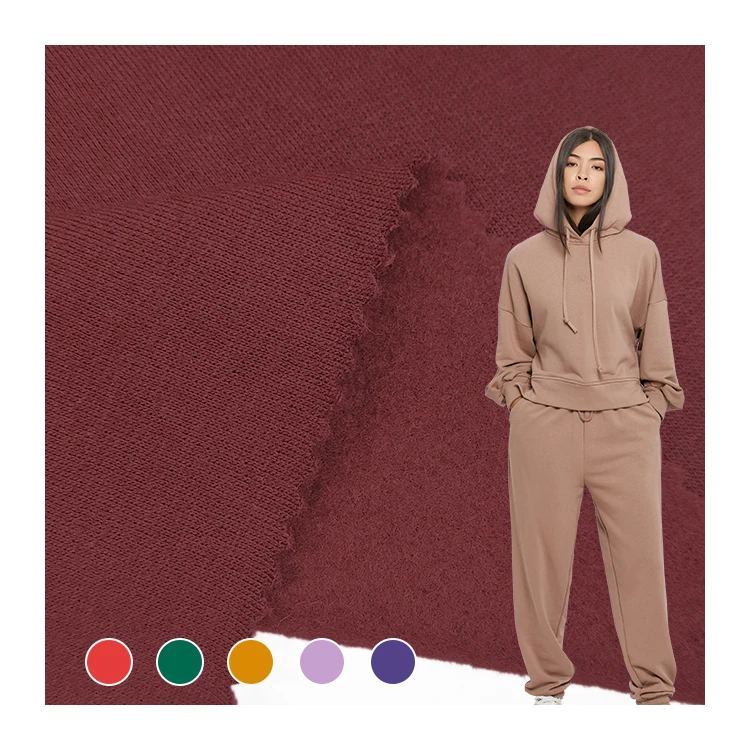
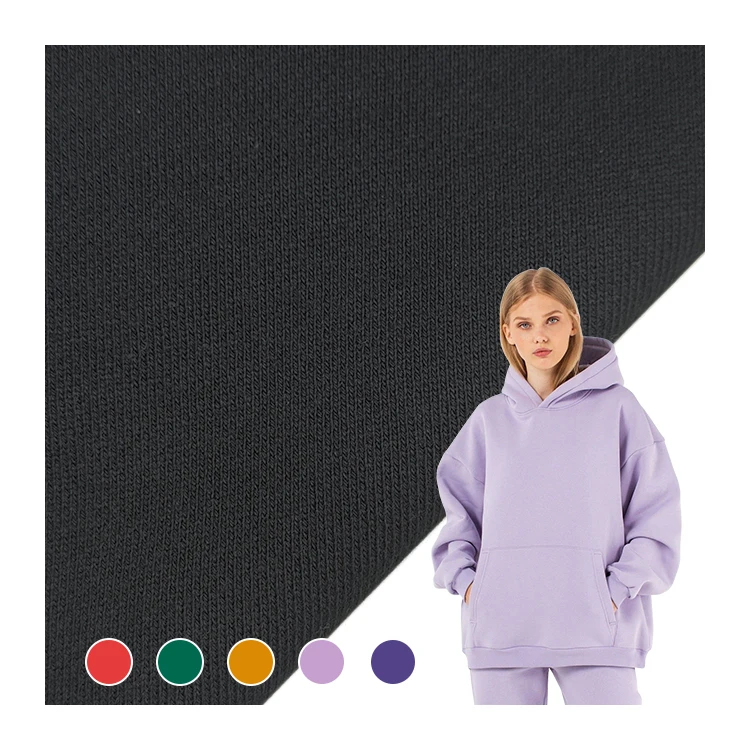
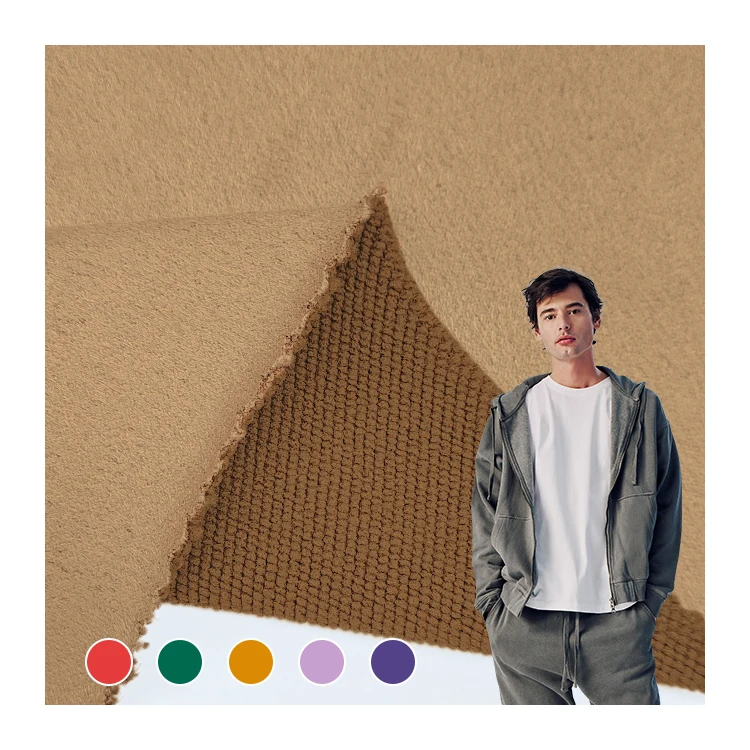
Sportswear Fabric Types Guide - Performance Materials

Get a Free Quote

Our representative will contact you soon.
Email
Name
Company Name
Message
0/1000

sportswear fabric types

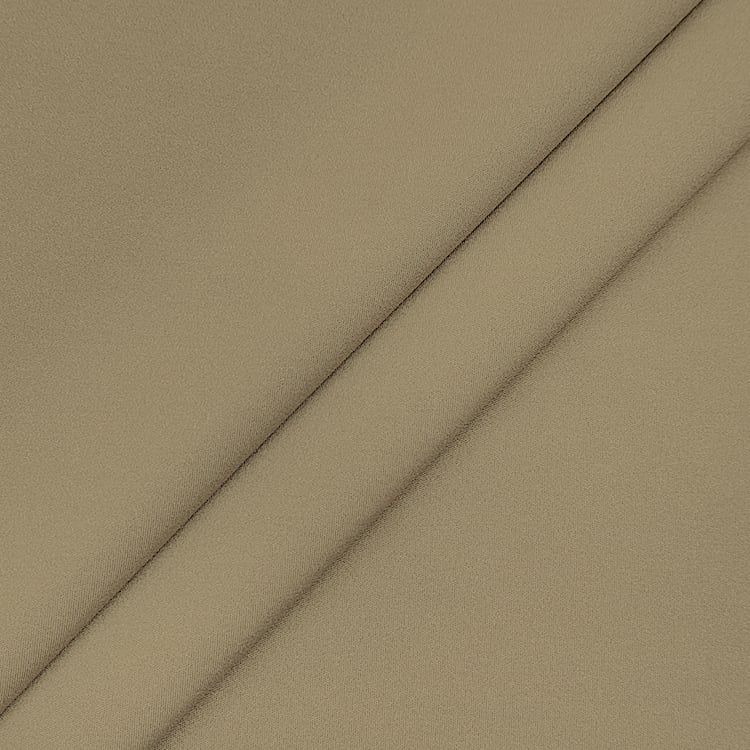
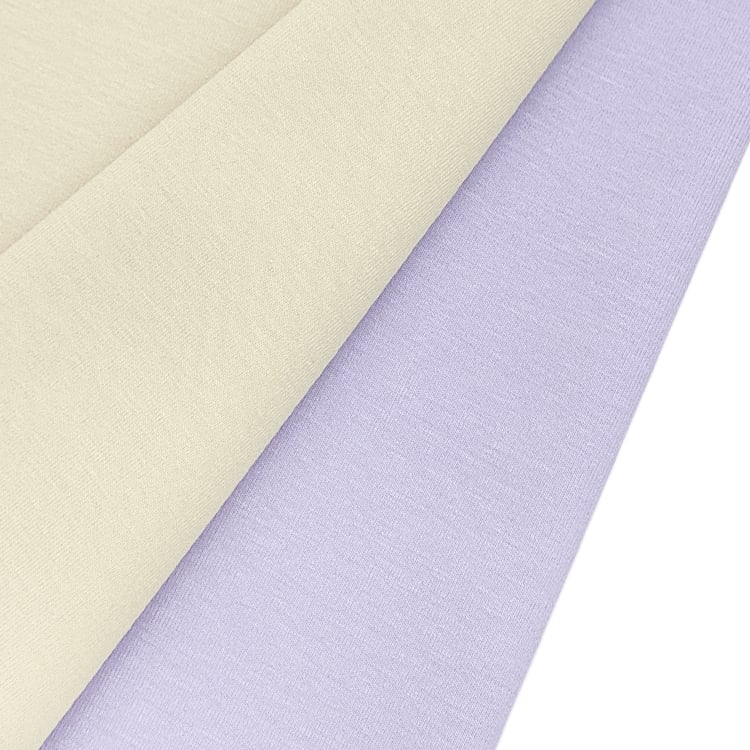
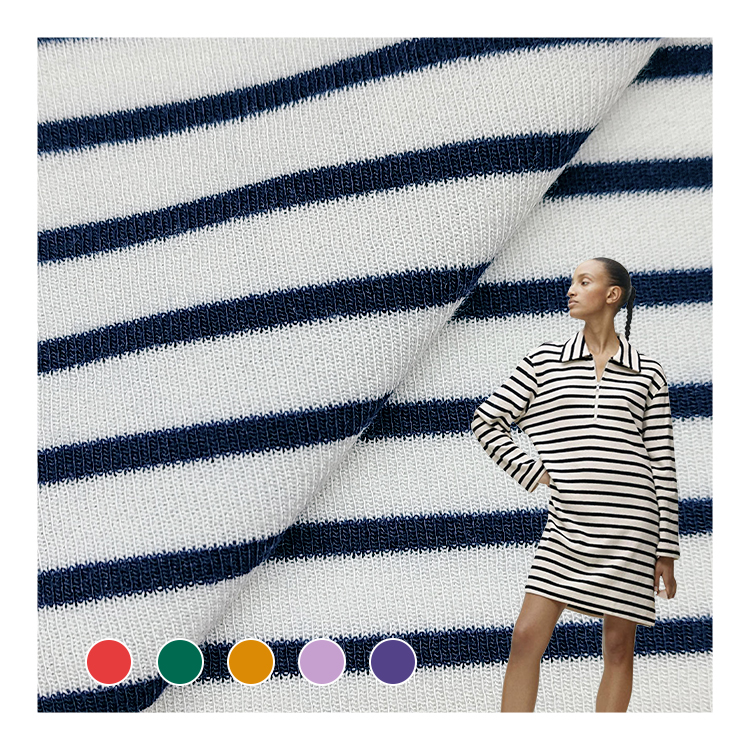
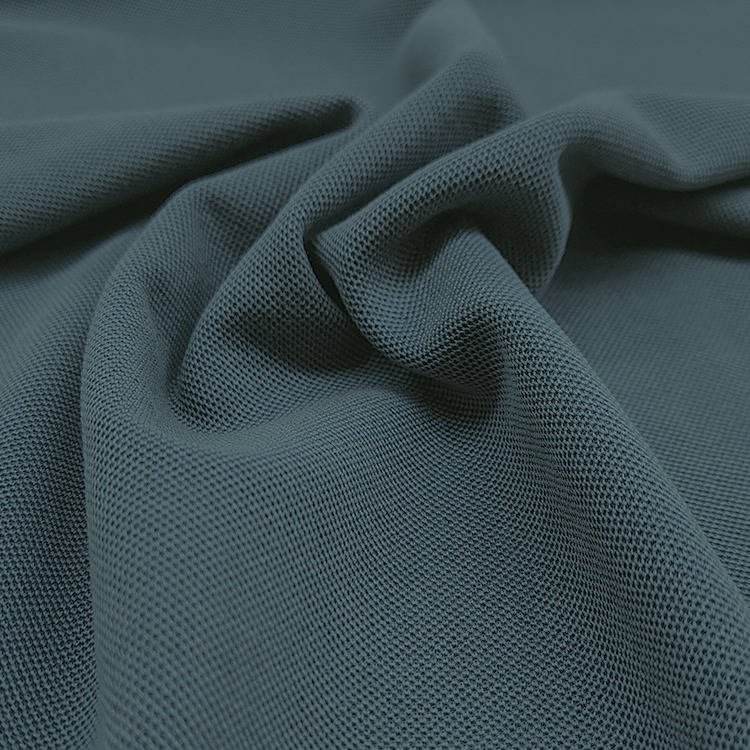
Understanding sportswear fabric types is essential for athletes, fitness enthusiasts, and active individuals seeking optimal performance and comfort. Modern sportswear fabric types encompass a diverse range of materials engineered specifically to meet the demanding requirements of physical activity. These fabrics are designed with advanced technologies that regulate body temperature, manage moisture, provide flexibility, and ensure durability during intense workouts. The primary sportswear fabric types include polyester, nylon, spandex, merino wool, and various innovative blends that combine multiple fibers for enhanced functionality. Each fabric type serves specific purposes, from moisture-wicking properties that keep skin dry to stretch capabilities that allow unrestricted movement. Polyester dominates as a lightweight, quick-drying option, while nylon offers exceptional strength and abrasion resistance. Spandex provides the elasticity needed for form-fitting garments, and merino wool delivers natural temperature regulation and odor resistance. Contemporary sportswear fabric types also incorporate cutting-edge treatments such as antimicrobial finishes, UV protection, and compression technologies. These materials are carefully selected based on the intended sport or activity, whether it's running, yoga, cycling, or team sports. The technological features embedded in modern sportswear fabric types transform ordinary clothing into performance-enhancing gear that supports athletic achievement and everyday comfort for active lifestyles.

Popular Products

Choosing the right sportswear fabric types brings significant advantages that directly impact your workout experience and investment value. These specialized materials deliver practical benefits that make every exercise session more comfortable and productive. First, sportswear fabric types excel at moisture management, pulling sweat away from your skin and allowing it to evaporate quickly, which prevents that uncomfortable wet, clingy feeling during and after exercise. This keeps you dry, reduces chafing, and helps maintain stable body temperature throughout your workout. Second, these fabrics offer superior breathability, allowing air circulation that cools your body naturally and prevents overheating during intense activities. Third, the durability of quality sportswear fabric types means your athletic clothing withstands repeated washing and vigorous movement without losing shape, color, or functionality, making them cost-effective long-term investments. Fourth, the stretch and recovery properties ensure garments move with your body, providing freedom of motion for any activity while returning to their original shape afterward. Fifth, many sportswear fabric types feature odor-resistant treatments that keep garments fresher between washes, which is particularly valuable for busy schedules. Sixth, the lightweight nature of these materials reduces bulk and weight, making you feel unencumbered during physical activity. Finally, modern sportswear fabric types cater to different environmental conditions, with options for cold-weather insulation, hot-weather cooling, and all-season versatility, ensuring you have appropriate gear year-round for any sport or fitness routine you pursue.

Latest News

How to Sew Scuba Fabric: Expert Tips

15

Apr

How to Sew Scuba Fabric: Expert Tips

Working with scuba fabric requires specialized techniques and understanding of its unique properties to achieve professional results. This double-knit polyester material combines stretch, structure, and durability in ways that differ significantly fr...
View More
Best Rib Fabric for T-Shirts: Complete Buying Guide

15

Apr

Best Rib Fabric for T-Shirts: Complete Buying Guide

Selecting the ideal rib fabric for t-shirt production requires understanding fabric construction, fiber composition, and garment application requirements. Rib fabric represents a specialized knit construction characterized by vertical ridges and vall...
View More
Recycled Polyester Fabric vs Cotton: Which Wins?

30

Jun

Recycled Polyester Fabric vs Cotton: Which Wins?

When choosing between recycled polyester fabric and cotton, buyers face a decision that affects product performance, environmental impact, and long-term cost. Both materials carry strong reputations in the textile industry, but they serve different n...
View More
Yoga Fabric vs Cotton: Which Performs Better?

30

Jun

Yoga Fabric vs Cotton: Which Performs Better?

Choosing the right yoga fabric is one of the most important decisions a garment manufacturer or activewear brand makes. The material you select directly affects how a yoga garment fits, moves, breathes, and holds up after repeated use. With so many o...
View More

Get a Free Quote

Our representative will contact you soon.
Email
Name
Company Name
Message
0/1000

sportswear fabric types

Advanced Moisture-Wicking Technology

Advanced Moisture-Wicking Technology

The moisture-wicking capability found in premium sportswear fabric types represents a revolutionary advancement in athletic apparel performance. This technology works through capillary action, where the fabric's structure pulls perspiration away from your skin surface and spreads it across the outer layer of the garment where it can evaporate rapidly. Unlike traditional cotton that absorbs and holds moisture, making clothing heavy and damp, modern sportswear fabric types transport moisture outward, keeping your skin dry and comfortable throughout even the most intense training sessions. This feature is particularly valuable because maintaining dry skin reduces friction that causes painful chafing and blisters, common problems for runners, cyclists, and gym enthusiasts. Additionally, staying dry helps regulate your core body temperature more effectively, allowing you to train harder and longer without overheating or experiencing the cold clamminess that comes when sweat-soaked clothing cools against your skin. The moisture-wicking properties in these sportswear fabric types also contribute to faster drying times after washing, meaning your favorite workout gear is ready to wear again quickly, a practical benefit for people who exercise daily.
Exceptional Durability and Shape Retention

Exceptional Durability and Shape Retention

Quality sportswear fabric types are engineered for longevity, maintaining their performance characteristics and appearance through countless workout sessions and wash cycles. This durability stems from advanced fiber construction and finishing processes that resist pilling, fading, stretching, and tearing, even under demanding conditions. When you invest in garments made from superior sportswear fabric types, you purchase clothing that withstands the mechanical stress of repetitive motion, the friction from equipment and surfaces, and the chemical exposure from sweat and detergents without degrading. The shape retention properties are equally important, as these fabrics incorporate elastic fibers that stretch to accommodate movement but consistently return to their original dimensions, preventing the sagging, bagging, and loosening that plague lower-quality athletic wear. This means your fitted compression tops, supportive leggings, and form-flattering shorts maintain their intended fit and support structure workout after workout. The color-fastness of professional-grade sportswear fabric types also ensures your garments retain their vibrant appearance rather than fading to dull, washed-out versions of their original hues, keeping your athletic wardrobe looking fresh and new for extended periods.
Optimal Flexibility and Comfort Design

Optimal Flexibility and Comfort Design

The flexibility inherent in modern sportswear fabric types transforms athletic clothing from simple covering into genuine performance equipment that enhances rather than restricts movement. These fabrics incorporate four-way stretch technology, expanding and contracting in multiple directions to accommodate the full range of motion required for complex athletic movements, from deep squats and high kicks to overhead reaches and lateral lunges. This unrestricted mobility is crucial for preventing the binding, pulling, and riding-up that interrupts focus and compromises form during exercise. The comfort dimension of quality sportswear fabric types extends beyond stretch to include soft, non-abrasive textures that feel pleasant against skin, flat-seam construction that eliminates bulky, irritating stitching, and ergonomic paneling that follows body contours naturally. Many sportswear fabric types also feature temperature-adaptive properties, providing warmth when you're cold and cooling ventilation when you're hot, creating a microclimate that keeps you in your optimal comfort zone. The lightweight nature of these fabrics means you barely notice you're wearing them, allowing complete concentration on your activity rather than your clothing, which is the ultimate goal of thoughtfully designed athletic apparel.

Get a Free Quote

Our representative will contact you soon.
Email
Name
Company Name
Message
0/1000