Ultimate Guide to Sportswear Fabric Types

Get a Free Quote

Our representative will contact you soon.
Email
Name
Company Name
Message
0/1000

sportswear fabric types

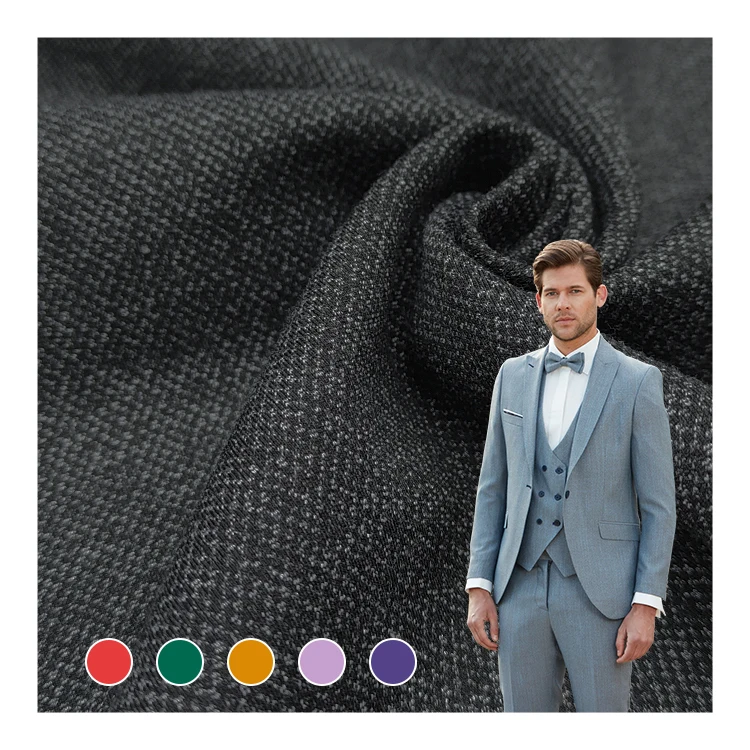
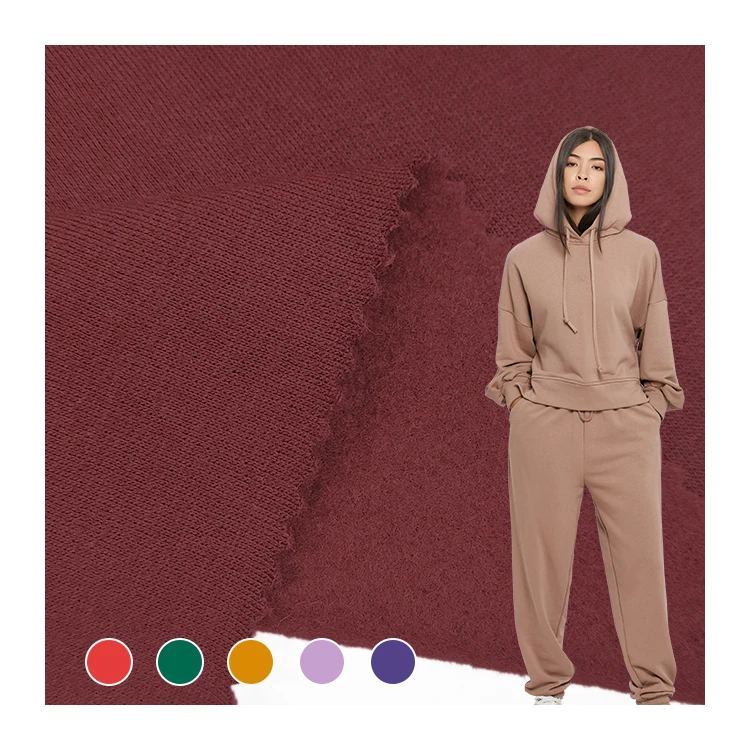
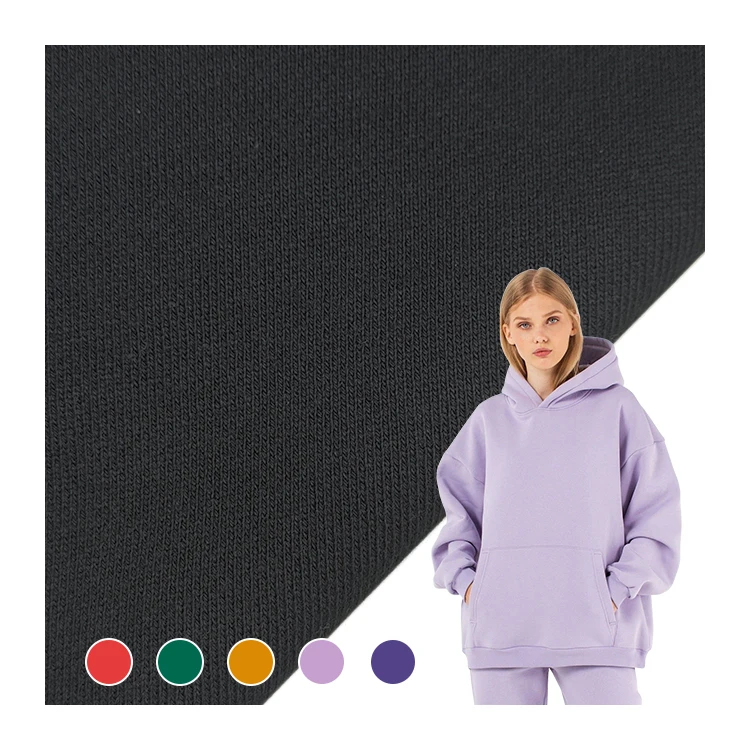
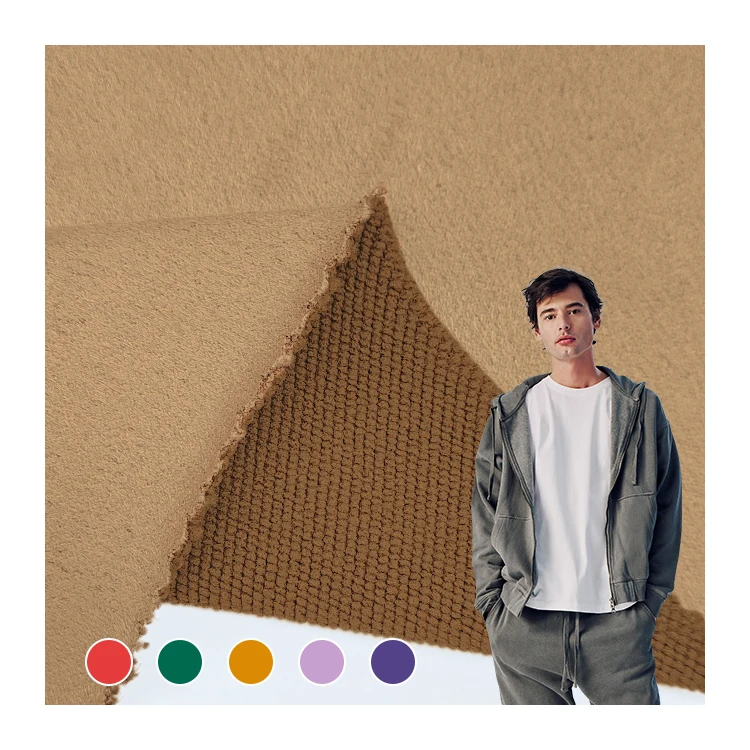
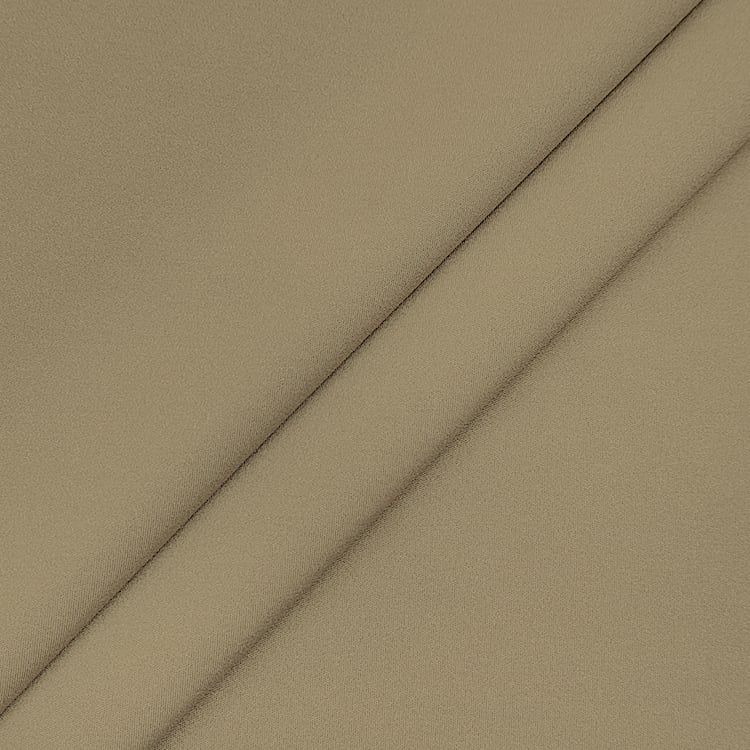
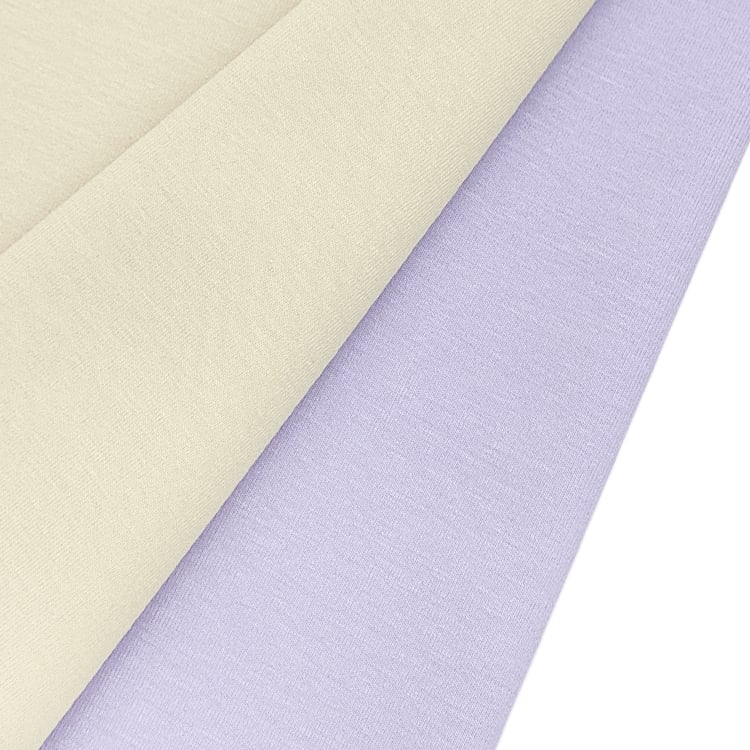
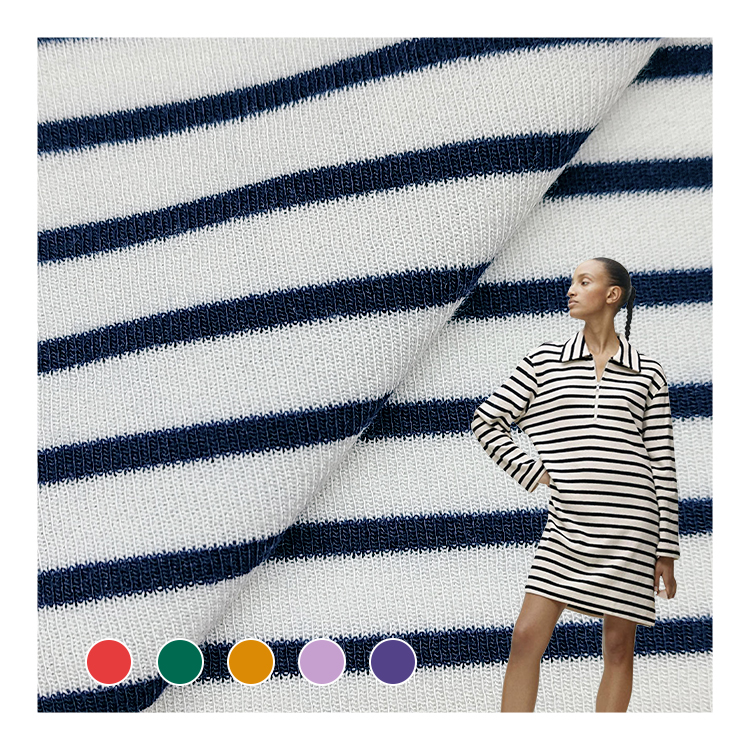
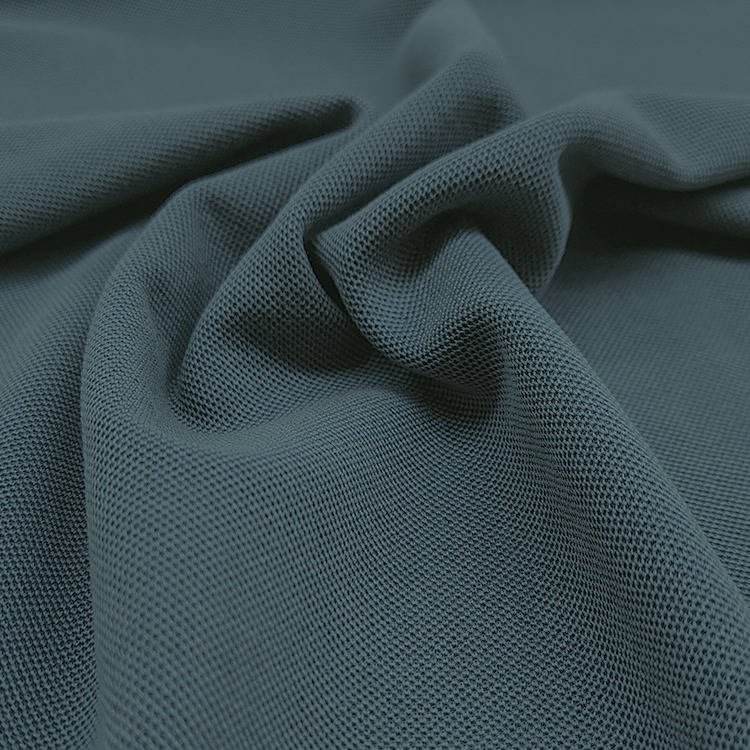
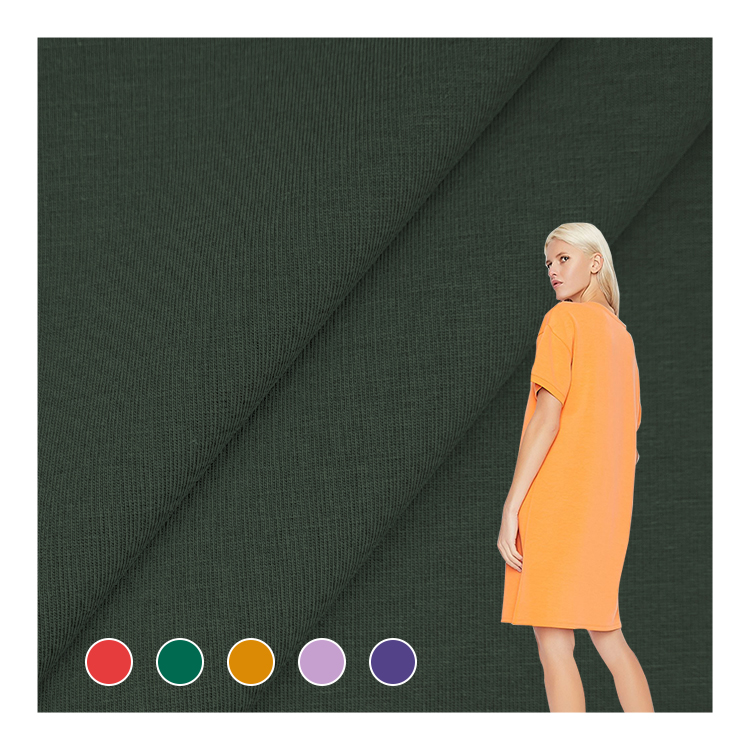
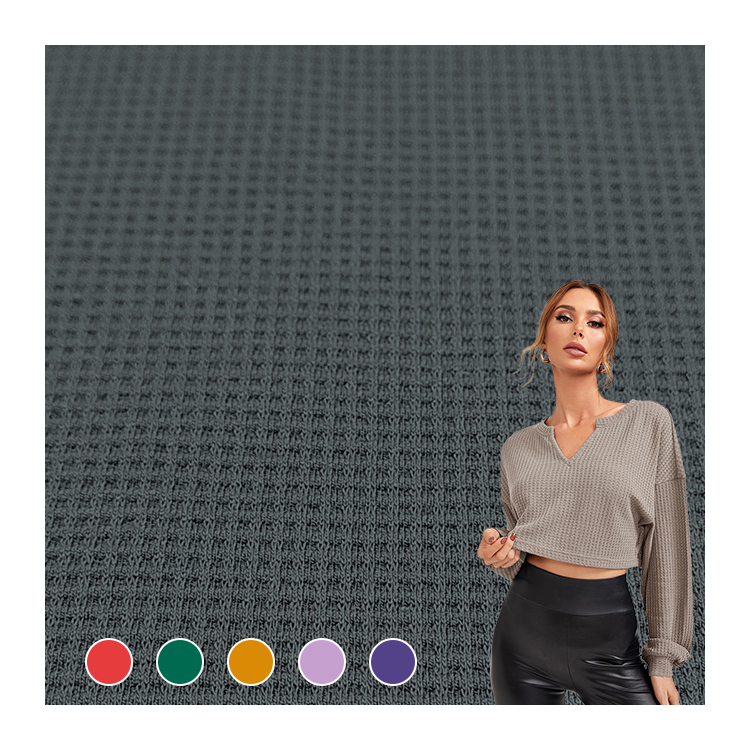
Sportswear fabric types have revolutionized athletic performance by combining advanced textile engineering with practical functionality. These specialized materials are designed to meet the demanding requirements of physical activity, offering superior moisture management, breathability, and durability. Understanding sportswear fabric types helps athletes and fitness enthusiasts select the right gear for their specific needs. The main categories include synthetic blends like polyester and nylon, natural fibers such as cotton and merino wool, and innovative technical fabrics featuring compression and antimicrobial properties. Modern sportswear fabric types incorporate cutting-edge technologies such as moisture-wicking systems that pull sweat away from the skin, quick-drying capabilities that reduce discomfort during extended wear, and four-way stretch construction that enables unrestricted movement. These fabrics also feature temperature regulation properties, keeping wearers cool during intense workouts and warm in cooler conditions. Applications span across various athletic disciplines including running, yoga, cycling, gym training, and outdoor adventures. Performance-enhancing features like UV protection, odor resistance, and lightweight construction make sportswear fabric types essential for serious athletes and casual fitness participants alike. The technological innovations in these materials continue to evolve, with manufacturers developing eco-friendly options that maintain high performance standards while reducing environmental impact. From professional sports to everyday fitness routines, the right fabric selection significantly impacts comfort, performance, and overall exercise experience.

New Product Recommendations

Choosing the appropriate sportswear fabric types delivers tangible benefits that enhance your athletic performance and workout comfort. These advanced materials provide exceptional moisture management, actively pulling perspiration away from your body to keep you dry and focused during intense training sessions. The breathability factor ensures optimal air circulation, preventing overheating and maintaining comfortable body temperature regardless of activity intensity. You gain improved flexibility and freedom of movement through stretch fabrics that move with your body rather than restricting it, enabling better performance in dynamic exercises and sports. The durability of modern sportswear fabric types means your investment lasts longer, withstanding frequent washing and intensive use without losing shape or functionality. Quick-drying properties save you time and prevent the clammy feeling that traditional fabrics create, making these materials perfect for back-to-back training sessions or travel. Lightweight construction reduces fatigue by minimizing unnecessary weight, allowing you to maintain peak performance for extended periods. Many sportswear fabric types include antimicrobial treatments that fight odor-causing bacteria, keeping your gear fresher between washes and boosting your confidence during workouts. The versatility of these fabrics suits various activities from high-intensity interval training to gentle yoga sessions, eliminating the need for multiple specialized wardrobes. Temperature-regulating properties adapt to changing conditions, providing cooling effects in summer and insulation during winter activities. By selecting appropriate sportswear fabric types, you invest in clothing that actively supports your fitness goals, enhances comfort, and delivers measurable performance improvements that justify the purchase decision.

Practical Tips

Pique Fabric vs Cotton: Which Is Better?

09

Mar

Pique Fabric vs Cotton: Which Is Better?

When choosing the right textile for clothing, upholstery, or industrial applications, the decision between pique fabric and cotton often becomes a critical consideration. Pique fabric, with its distinctive textured surface and superior breathability,...
View More
Scuba Fabric vs Neoprene: Key Differences

09

Mar

Scuba Fabric vs Neoprene: Key Differences

Understanding the differences between scuba fabric and neoprene is essential for manufacturers, designers, and consumers who work with these versatile materials. While both fabrics share certain characteristics and applications, they possess distinct...
View More
Best Rib Fabric for T-Shirts: Complete Buying Guide

15

Apr

Best Rib Fabric for T-Shirts: Complete Buying Guide

Selecting the ideal rib fabric for t-shirt production requires understanding fabric construction, fiber composition, and garment application requirements. Rib fabric represents a specialized knit construction characterized by vertical ridges and vall...
View More
Best Sportswear Fabric Types: Performance & Comfort

07

May

Best Sportswear Fabric Types: Performance & Comfort

Selecting the right sportswear fabric can dramatically influence athletic performance, comfort during intense workouts, and the overall durability of activewear. Modern sportswear fabric technology has evolved beyond simple cotton blends to incorpora...
View More

Get a Free Quote

Our representative will contact you soon.
Email
Name
Company Name
Message
0/1000

sportswear fabric types

Advanced Moisture-Wicking Technology

Advanced Moisture-Wicking Technology

The moisture-wicking capability stands as the most critical feature among sportswear fabric types, fundamentally transforming how athletes experience comfort during physical activity. This technology employs specialized fiber structures with hydrophobic properties that repel water molecules away from the skin surface, transporting them to the fabric's outer layer where evaporation occurs rapidly. Unlike traditional cotton that absorbs moisture and becomes heavy and uncomfortable, modern sportswear fabric types maintain their lightweight feel throughout your workout. The capillary action within these technical fibers creates a continuous moisture transfer system, ensuring sweat never pools against your skin. This feature proves invaluable during high-intensity workouts where perspiration rates increase dramatically, preventing chafing and skin irritation that wet fabric causes. The rapid evaporation process also contributes to temperature regulation, as moisture removal helps cool your body naturally. Athletes training in humid conditions particularly benefit from these moisture management properties, as the fabrics continue performing even when environmental evaporation rates decrease. This technological advancement represents a significant leap forward in athletic wear, directly impacting endurance, focus, and overall training effectiveness by eliminating the distraction of wet, clingy clothing.
Four-Way Stretch and Compression Support

Four-Way Stretch and Compression Support

Modern sportswear fabric types incorporate four-way stretch technology that revolutionizes athletic movement by providing equal elasticity in both horizontal and vertical directions. This engineering achievement allows the fabric to expand and contract seamlessly with your body during complex movements like deep squats, overhead reaches, or lateral lunges. The elastic recovery properties ensure fabrics return to their original shape immediately after stretching, maintaining proper fit throughout extended wear. Many advanced sportswear fabric types integrate graduated compression features that apply targeted pressure to specific muscle groups, improving blood circulation and reducing muscle vibration during impact activities. This compression support enhances proprioception, giving you better awareness of body positioning during exercises and potentially reducing injury risk. The combination of stretch and compression creates a supportive second-skin feel that moves with you rather than against you, eliminating the binding and restriction common in traditional athletic wear. Athletes engaged in flexibility-focused activities like yoga and pilates particularly appreciate how these fabrics accommodate extreme ranges of motion without losing their supportive qualities. The durability of stretch fibers in quality sportswear fabric types ensures these performance benefits persist through countless wash cycles and training sessions, making them a reliable choice for serious athletes.
Sustainable and Eco-Friendly Innovations

Sustainable and Eco-Friendly Innovations

Contemporary sportswear fabric types increasingly incorporate sustainable materials and production methods, addressing environmental concerns without compromising performance standards. Manufacturers now produce high-performance fabrics from recycled polyester derived from plastic bottles, giving new life to waste materials while delivering the same moisture-wicking and durability benefits as virgin synthetics. Bamboo-based fabrics offer natural antibacterial properties and exceptional softness, providing an eco-friendly alternative that biodegrades more readily than traditional synthetics. Organic cotton blends in sportswear fabric types eliminate harmful pesticides from production while maintaining breathability and comfort for lower-intensity activities. Advanced recycling technologies enable closed-loop manufacturing processes where worn-out athletic wear transforms into new fabric, reducing landfill waste and resource consumption. Water-efficient dyeing techniques and non-toxic finishing treatments further minimize environmental impact without affecting color vibrancy or functional properties. These sustainable sportswear fabric types appeal to environmentally conscious consumers who refuse to compromise their values for performance. The innovation in eco-friendly athletic textiles proves that environmental responsibility and high-performance functionality can coexist successfully. As awareness grows about textile industry environmental impacts, choosing sustainable sportswear fabric types allows you to support responsible manufacturing while enjoying cutting-edge athletic performance features that meet demanding training requirements.

Get a Free Quote

Our representative will contact you soon.
Email
Name
Company Name
Message
0/1000