swimwear fabric
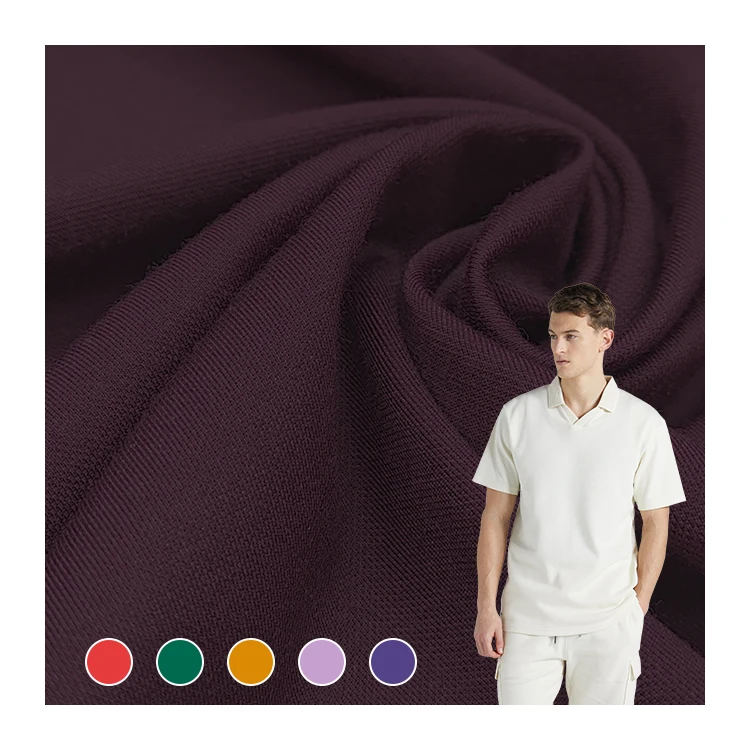
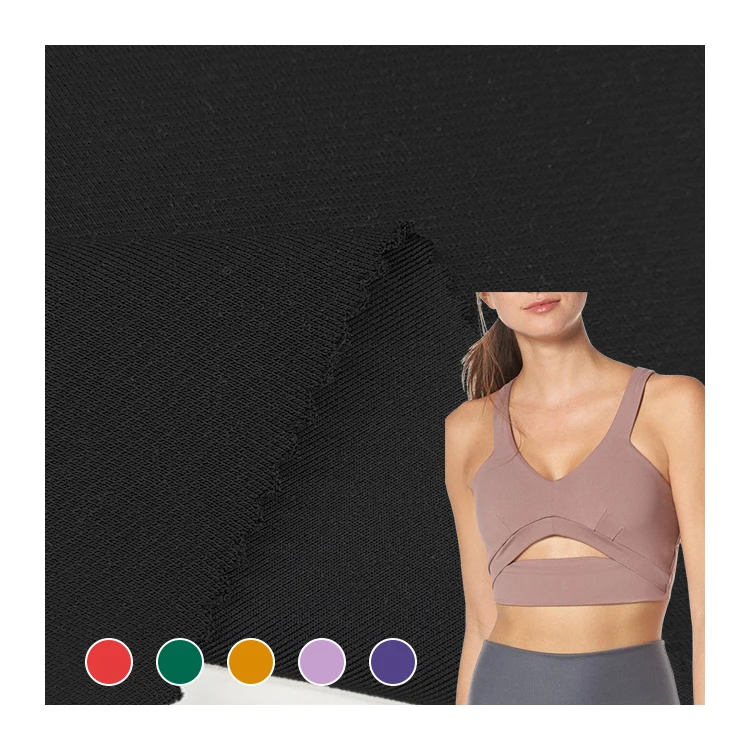
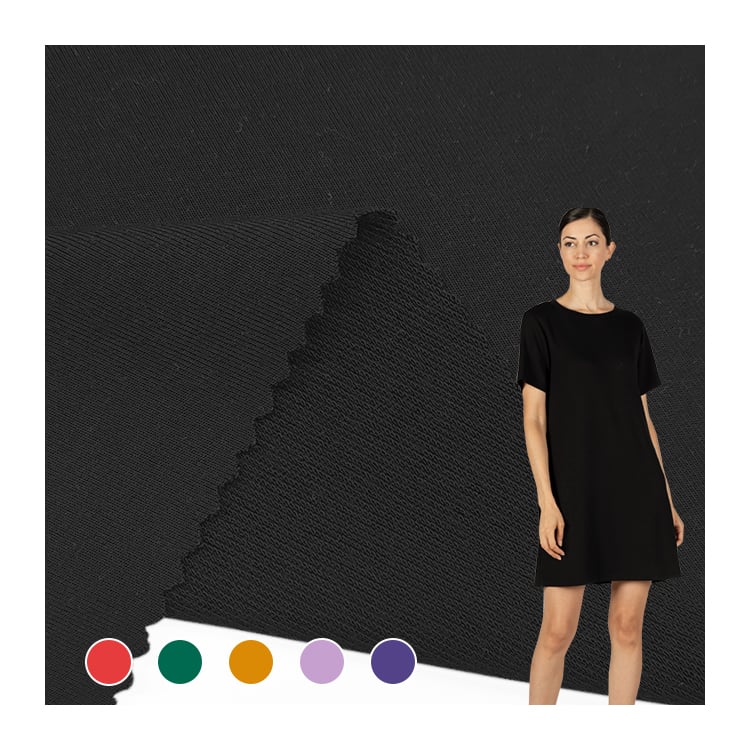
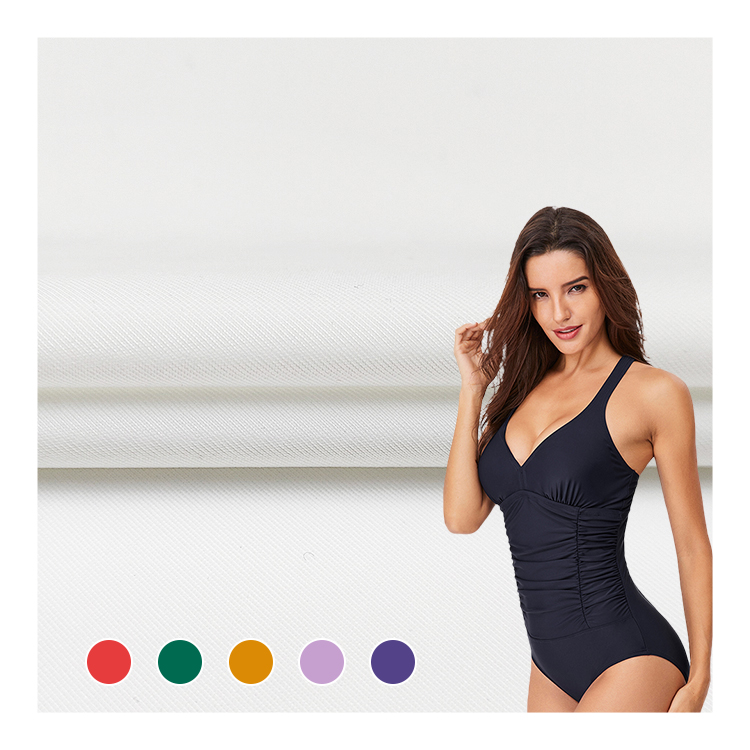
Swimwear fabric represents a specialized category of textile materials engineered specifically for water-based activities and aquatic environments. This technical textile combines durability, elasticity, and quick-drying properties to meet the demanding requirements of swimming, diving, and water sports. Modern swimwear fabric typically consists of synthetic fiber blends, most commonly incorporating polyester, nylon, and elastane or spandex to achieve optimal performance characteristics. The primary functions include providing excellent stretch and recovery, ensuring the garment maintains its shape even after repeated exposure to chlorinated pool water, saltwater, and UV radiation. The fabric's construction features a tight knit or weave structure that prevents water absorption while maintaining breathability and comfort against the skin. Chlorine resistance is a critical technological feature, as traditional fabrics deteriorate rapidly in chemically treated pools. Advanced swimwear fabric incorporates UV protection technology, shielding wearers from harmful sun exposure during outdoor activities. The quick-drying capability ensures comfort transitions from water to land, while the lightweight nature prevents drag in competitive swimming scenarios. Color retention technology prevents fading from sun and chemical exposure, maintaining vibrant aesthetics throughout the garment's lifespan. Applications span recreational swimwear, competitive racing suits, water aerobics attire, diving equipment, and resort wear. Professional athletes rely on compression properties in performance swimwear fabric to enhance muscle support and reduce fatigue. The fabric's versatility extends to various product categories including one-piece swimsuits, bikinis, board shorts, rash guards, and water sports apparel, making it indispensable in the aquatic apparel industry.

 EN
EN