Neoprene Fabric: Ultimate Guide to Versatile Performance Material

Get a Free Quote

Our representative will contact you soon.
Email
Name
Company Name
Message
0/1000

neoprene fabric

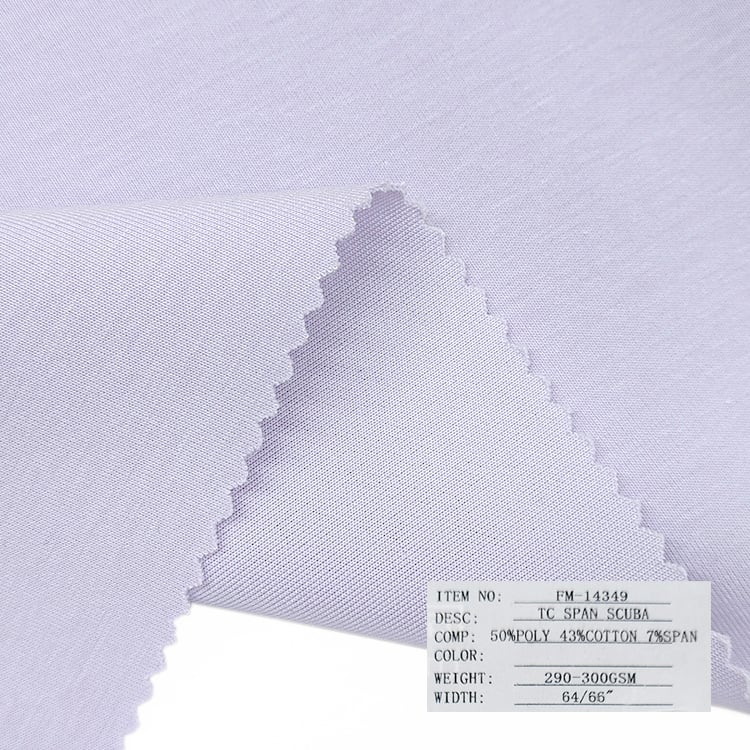
Neoprene fabric stands as a revolutionary synthetic material that has transformed various industries since its invention. This versatile rubber-based material consists of polychloroprene chip polymers, creating a unique fabric that combines durability with flexibility. The manufacturing process involves foaming the polymer material, resulting in a closed-cell structure that provides exceptional insulation properties. This distinctive composition allows neoprene to maintain its shape while offering resistance to water, oils, and extreme temperatures, ranging from -50°C to 120°C. The fabric's molecular structure creates thousands of tiny air pockets, which contribute to its superior insulation capabilities and buoyancy. When manufactured, neoprene can be produced in various thicknesses and densities, making it adaptable for numerous applications. The material's inherent properties include UV resistance, chemical stability, and remarkable elasticity, allowing it to stretch up to 120% of its original length without deformation. In commercial applications, neoprene fabric is commonly laminated with nylon or other materials to enhance its strength and durability, making it ideal for protective gear, sports equipment, and industrial applications.

Popular Products

Neoprene fabric offers an impressive array of benefits that make it an exceptional choice for various applications. Its primary advantage lies in its outstanding water resistance and thermal insulation properties, making it ideal for aquatic activities and outdoor use. The material's exceptional elasticity allows for comfortable movement while maintaining its shape, ensuring long-term durability and performance. Unlike traditional fabrics, neoprene provides superior protection against environmental factors, including UV rays, chemicals, and extreme temperatures. The material's closed-cell structure creates an effective barrier against water infiltration while maintaining breathability, preventing overheating during extended use. From a practical standpoint, neoprene's resistance to oils, solvents, and general wear and tear makes it particularly valuable in industrial and commercial applications. The fabric's ability to absorb shock and vibration adds another layer of functionality, making it perfect for protective gear and equipment. Its non-toxic nature and hypoallergenic properties ensure safe contact with skin, while its fire-retardant characteristics provide additional safety benefits. The material's versatility in manufacturing allows for various thickness options and the ability to be bonded with other materials, enhancing its already impressive properties. The fabric's low maintenance requirements, easy cleaning process, and resistance to mold and mildew growth make it a practical choice for both personal and professional use.

Tips And Tricks

New Trends Texture Fabric From Yongshu / Feimei - Perfect for Your Collection

12

Nov

New Trends Texture Fabric From Yongshu / Feimei - Perfect for Your Collection

View More
Yongshu / Feimei Knitting Fabric Factory: Your Global Partner for Premium Knit Fabrics

12

Nov

Yongshu / Feimei Knitting Fabric Factory: Your Global Partner for Premium Knit Fabrics

View More
Your One-Stop Knitted Fabric Partner for South America | Fast Delivery & OEM

12

Nov

Your One-Stop Knitted Fabric Partner for South America | Fast Delivery & OEM

View More
3-in-1 Fabric Excellence: Wholesale, Casual wear & Baby Textiles at Unbeatable Prices - Feimei Knitting/Yongshu

12

Nov

3-in-1 Fabric Excellence: Wholesale, Casual wear & Baby Textiles at Unbeatable Prices - Feimei Knitting/Yongshu

View More

Get a Free Quote

Our representative will contact you soon.
Email
Name
Company Name
Message
0/1000

neoprene fabric

Superior Environmental Adaptability

Superior Environmental Adaptability

Neoprene fabric exhibits exceptional performance across diverse environmental conditions, making it a standout choice for outdoor and industrial applications. The material's molecular structure enables it to maintain its physical properties in temperatures ranging from extreme cold to intense heat, without compromising its functionality. This remarkable adaptability is achieved through its unique closed-cell composition, which creates an effective barrier against external elements while maintaining internal stability. The fabric's resistance to UV radiation prevents degradation and color fading, ensuring long-term durability in outdoor settings. Additionally, its chemical stability protects against exposure to oils, acids, and other harmful substances, making it ideal for protective equipment and industrial applications.
Exceptional Comfort and Flexibility

Exceptional Comfort and Flexibility

The ergonomic properties of neoprene fabric set it apart in terms of user comfort and practical functionality. Its inherent elasticity allows for unrestricted movement while maintaining structural integrity, making it perfect for athletic and protective wear. The material's ability to conform to body contours creates a customized fit that enhances comfort during extended periods of use. The fabric's thermal regulation capabilities help maintain optimal body temperature in various conditions, preventing overheating while providing necessary insulation. The material's smooth surface texture and hypoallergenic properties ensure comfortable skin contact, reducing the risk of irritation or allergic reactions during prolonged wear.
Unmatched Durability and Longevity

Unmatched Durability and Longevity

Neoprene fabric's exceptional durability characteristics make it a cost-effective investment for both commercial and personal applications. The material's resistance to tearing, puncturing, and abrasion ensures extended service life even under demanding conditions. Its ability to maintain structural integrity after repeated stretching and compression cycles demonstrates superior resilience compared to conventional materials. The fabric's resistance to degradation from exposure to chemicals, oils, and environmental factors contributes to its long-term reliability. Additionally, its low maintenance requirements and easy cleaning properties help maintain its appearance and functionality throughout its lifecycle, reducing replacement frequency and overall costs.