Scuba Fabric: Performance Textile Solutions

Get a Free Quote

Our representative will contact you soon.
Email
Name
Company Name
Message
0/1000

scuba fabric

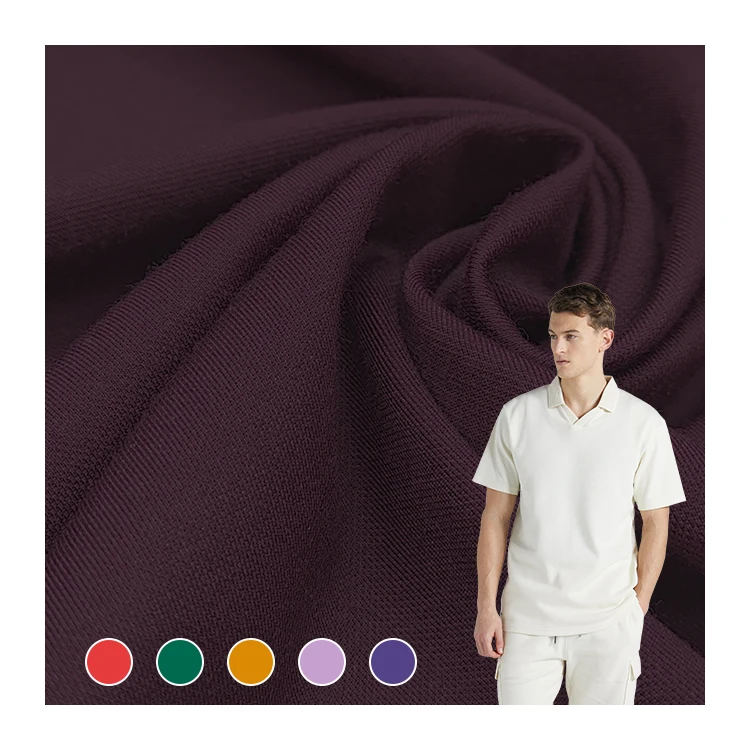
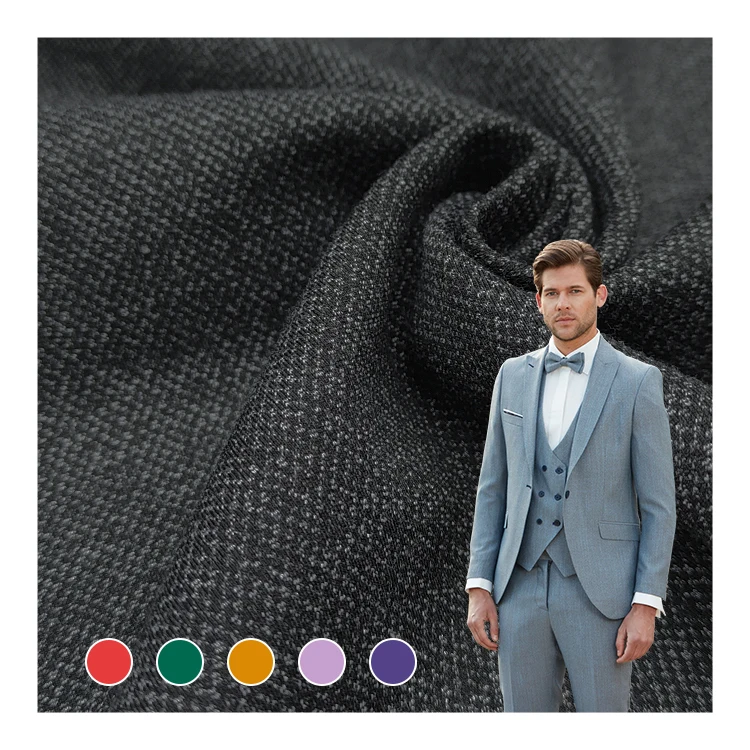
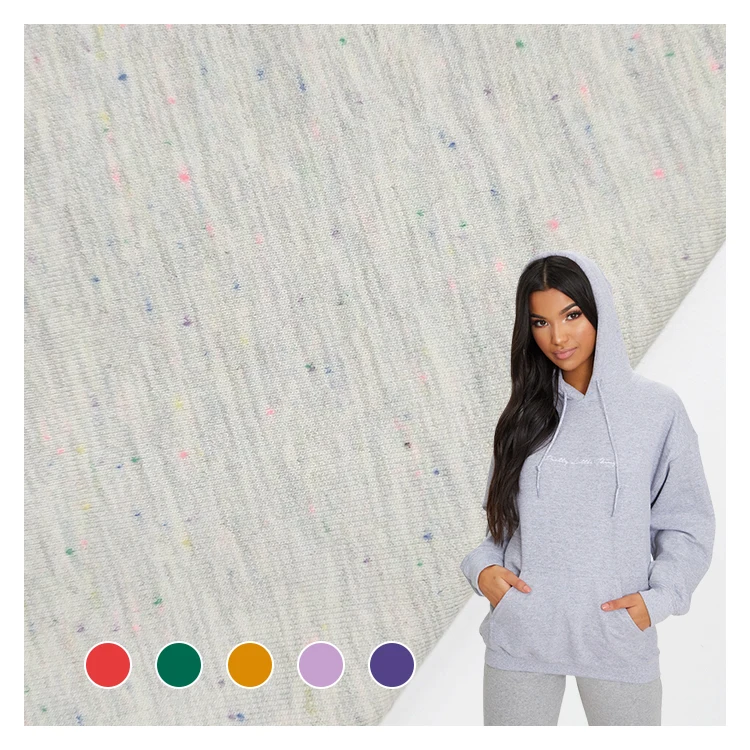
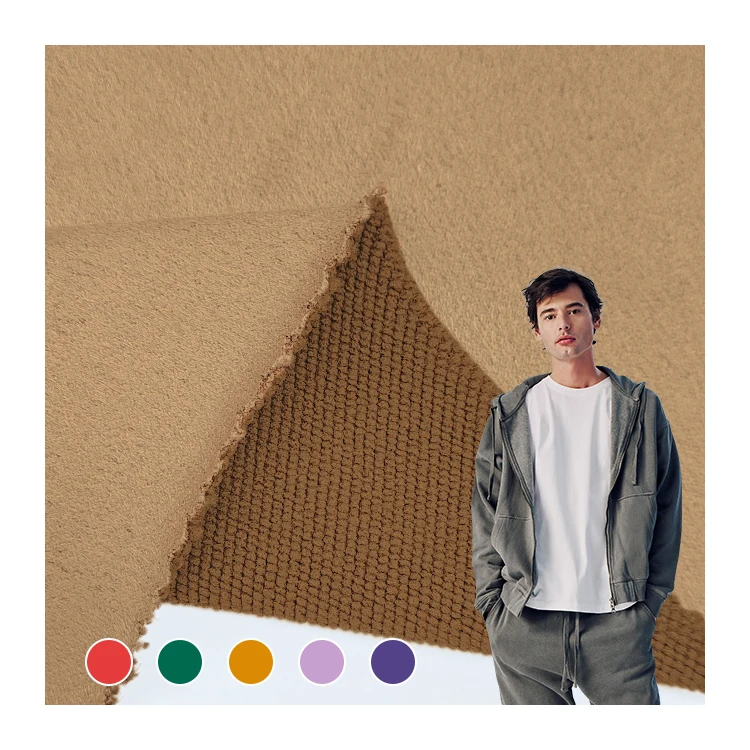
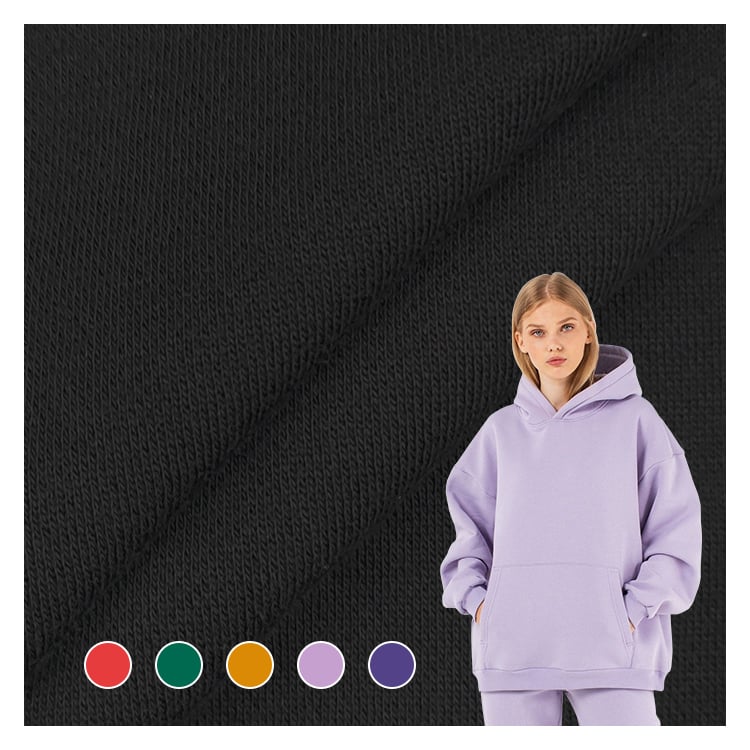
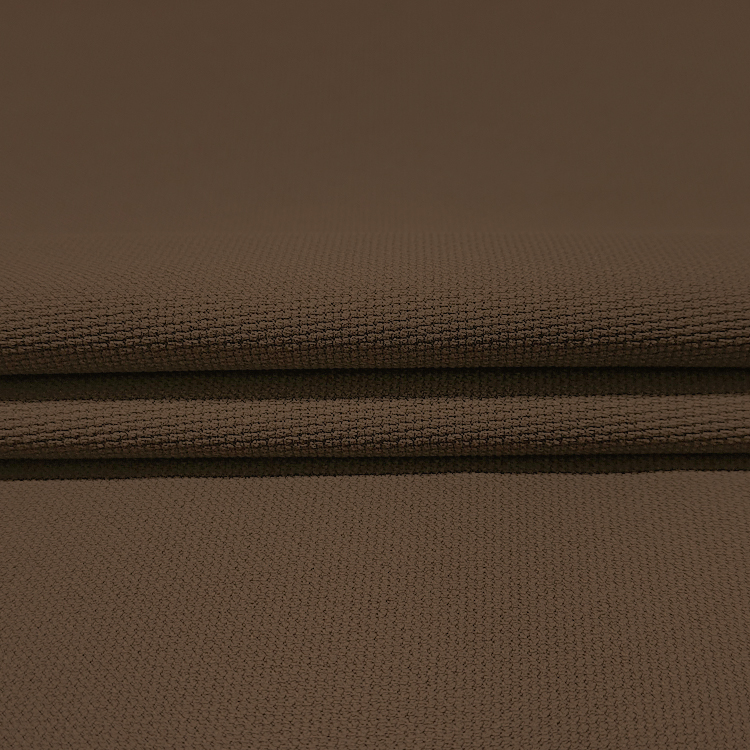
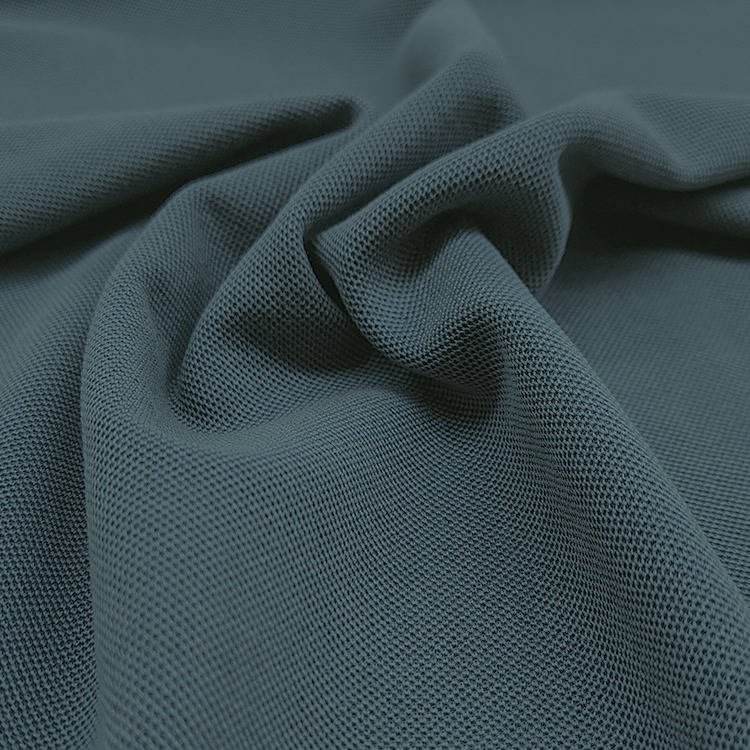
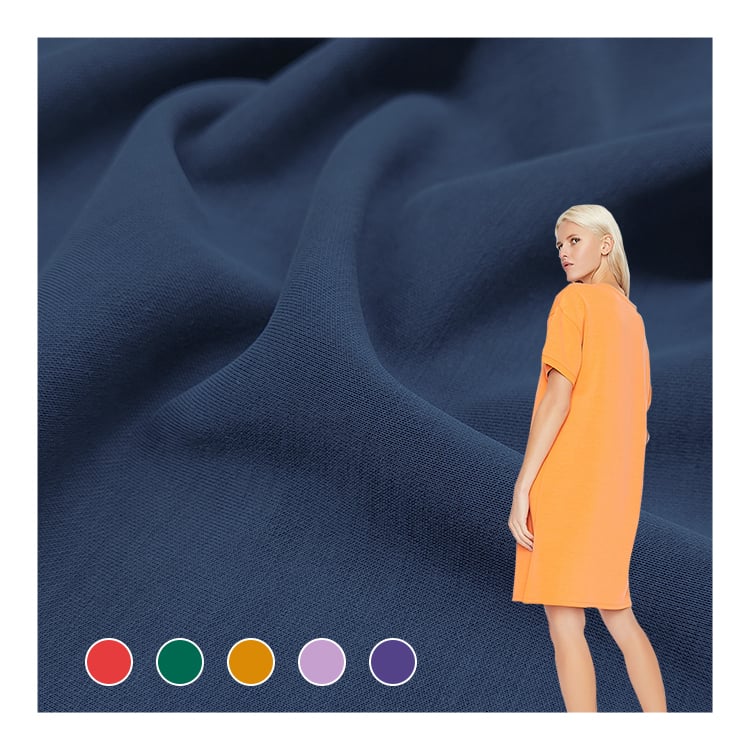
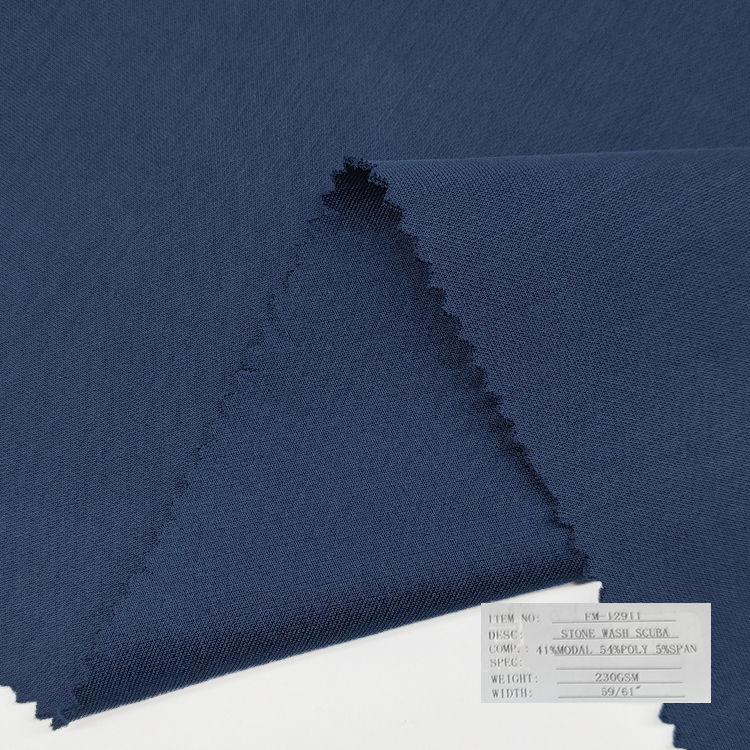
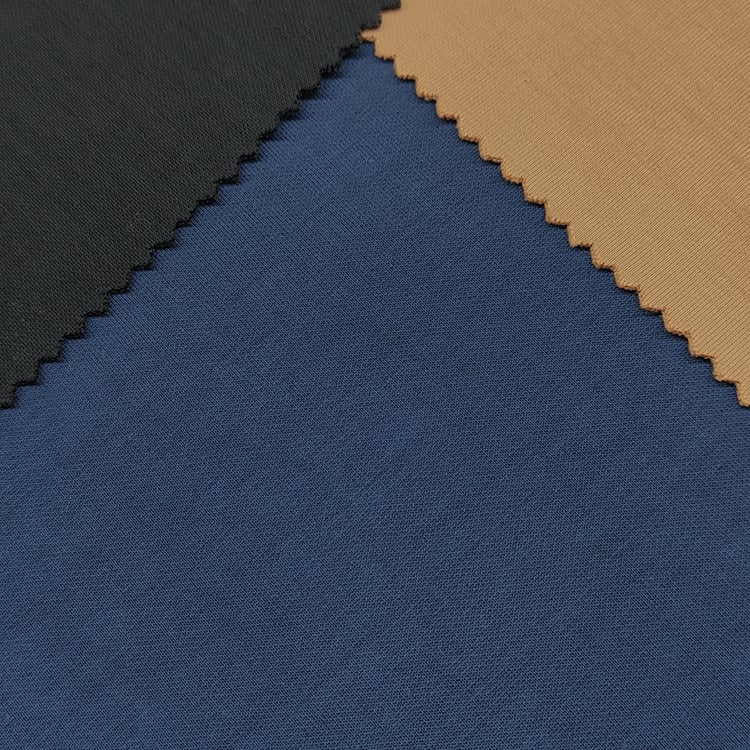
Scuba fabric is a double-knit textile construction that combines two separate fabric layers bonded together with a thin layer of foam in between, creating a unique three-dimensional structure. This innovative material derives its name from the neoprene-like qualities it shares with diving wetsuits, offering exceptional body, structure, and shape retention. Scuba fabric typically consists of polyester, spandex, or a blend of synthetic fibers that deliver outstanding performance characteristics. The technological construction involves advanced knitting techniques that produce a smooth face and back, with the foam core providing insulation and dimensional stability. This textile solution has gained tremendous popularity in fashion, sportswear, and technical applications due to its versatility and functional properties. The fabric exhibits minimal fraying at cut edges, making it ideal for clean-finish garments and reducing production waste. Scuba fabric maintains its shape throughout wear and washing cycles, resisting wrinkles and creasing that plague conventional textiles. The material offers moderate stretch in both directions, providing comfort and ease of movement while maintaining structural integrity. Its moisture-wicking capabilities and quick-drying properties make scuba fabric suitable for active wear and performance garments. The textile's smooth surface facilitates printing, embossing, and various decorative treatments, expanding creative possibilities for designers and manufacturers. Available in numerous weights, colors, and finishes, scuba fabric serves diverse market segments from haute couture to everyday casual wear, establishing itself as a contemporary textile solution for modern apparel needs.

New Product Releases

Choosing scuba fabric delivers multiple practical benefits that directly impact your product quality and customer satisfaction. The material's inherent structure retention means garments maintain their intended silhouette without constant pressing or special care, saving end-users time and maintenance costs. This shape-holding capability translates to longer product lifecycles, as items resist sagging, bagging, and deformation that typically occur with wear. The fabric's double-knit construction with foam interlayer provides natural insulation without bulk, offering thermal comfort across varying temperature conditions while maintaining a sleek appearance. For manufacturers, scuba fabric presents significant operational advantages through reduced production complexity. The material's resistance to fraying eliminates the need for edge finishing on many applications, streamlining manufacturing processes and reducing labor costs. The fabric cuts cleanly and precisely, improving pattern efficiency and minimizing material waste during production. Scuba fabric requires no special handling or pressing equipment, allowing standard manufacturing workflows without capital investment in specialized machinery. The textile's inherent elasticity accommodates body movement and diverse sizing requirements, reducing the need for complex pattern grading and fit adjustments. For retail applications, scuba fabric garments ship and store efficiently due to their wrinkle resistance, arriving at destinations in ready-to-sell condition without steaming or preparation. The quick-drying properties mean reduced care requirements for consumers, as items wash easily and dry rapidly without special treatment. The material's opacity provides excellent coverage without requiring linings in many applications, simplifying construction and reducing overall garment weight. This combination of functional benefits, operational efficiencies, and end-user advantages positions scuba fabric as a practical choice for brands seeking to deliver quality products with streamlined production processes and enhanced customer value.

Latest News

Jersey Fabric vs Cotton: Which Material Wins in 2025?

06

Feb

Jersey Fabric vs Cotton: Which Material Wins in 2025?

The textile industry continues to evolve with manufacturers and consumers seeking materials that combine comfort, durability, and versatility. When comparing jersey fabric against traditional cotton materials, understanding their unique properties be...
View More
How to Sew Jersey Fabric: Pro Tips for Perfect Results

06

Feb

How to Sew Jersey Fabric: Pro Tips for Perfect Results

Jersey fabric presents unique challenges and opportunities for sewers at all skill levels. This versatile knit material offers exceptional comfort and stretch, making it ideal for everything from casual t-shirts to athletic wear. Understanding the pr...
View More
2025 Scuba Fabric Guide: Properties & Uses

09

Mar

2025 Scuba Fabric Guide: Properties & Uses

Scuba fabric has revolutionized the textile industry with its exceptional stretch, recovery, and versatile applications across multiple sectors. This innovative knit material combines polyester and elastane fibers to create a medium-weight fabric tha...
View More
2025 Sportswear Fabric Guide: Top Materials for Athletes

15

Apr

2025 Sportswear Fabric Guide: Top Materials for Athletes

The athletic apparel industry continues to evolve rapidly in 2025, with innovative sportswear fabric technologies leading the charge in performance enhancement. Athletes today demand more than basic moisture management from their gear—they require fa...
View More

Get a Free Quote

Our representative will contact you soon.
Email
Name
Company Name
Message
0/1000

scuba fabric

Superior Shape Retention and Structural Stability

Superior Shape Retention and Structural Stability

The distinctive three-layer construction of scuba fabric creates unparalleled structural stability that sets it apart from conventional textiles. The foam interlayer acts as a memory component, continuously working to return the fabric to its original shape after stretching or movement. This technological advantage means garments crafted from scuba fabric maintain their designed silhouette throughout the day, eliminating the mid-wear adjustments often required with other materials. The fabric's body and substance create clean lines and smooth surfaces that enhance garment appearance and professional presentation. For structured designs like shift dresses, blazers, and A-line skirts, scuba fabric provides natural support without requiring additional interfacing or internal structure, simplifying construction while improving final results. The shape retention extends through numerous wear and wash cycles, ensuring products deliver consistent performance throughout their usable life. This durability characteristic reduces replacement frequency for consumers and builds brand reputation for quality. The material's resistance to wrinkling and creasing means items remain presentation-ready whether packed in luggage, stored in closets, or worn throughout demanding daily schedules, providing practical convenience that modern consumers value highly.
Exceptional Comfort with Performance Features

Exceptional Comfort with Performance Features

Scuba fabric masterfully balances structure with comfort through its engineered flexibility and ergonomic properties. The material's bi-directional stretch accommodates natural body movement without restriction, providing the ease of activewear within the polished appearance of structured garments. This stretch characteristic works in harmony with the fabric's recovery properties, snapping back to original dimensions rather than becoming loose or distorted. The foam core layer provides gentle insulation that regulates temperature, keeping wearers comfortable in air-conditioned environments while remaining breathable enough for transitional weather. Unlike heavy traditional structured fabrics, scuba fabric achieves body and substance without excessive weight, reducing wearer fatigue during extended use. The smooth interior surface feels pleasant against skin and glides easily over base layers, enhancing wearing comfort and garment functionality. The material's moisture management capabilities wick perspiration away from the body and facilitate rapid evaporation, maintaining freshness and comfort during active use. For athletic and leisure applications, these performance characteristics deliver technical benefits without sacrificing aesthetic appeal. The fabric's resilience means it withstands repeated stretching, sitting, and movement without developing stress points or weak areas, ensuring consistent comfort throughout the garment's lifespan and providing reliable performance for diverse activities and wearing occasions.
Versatile Application Across Multiple Categories

Versatile Application Across Multiple Categories

The unique property combination of scuba fabric enables its successful application across an remarkably broad spectrum of product categories and market segments. In fashion apparel, designers utilize scuba fabric for everything from elegant evening wear to casual everyday pieces, leveraging its ability to create sculptural silhouettes and contemporary aesthetics. The material excels in structured garments like fit-and-flare dresses, pencil skirts, and tailored jackets where shape retention enhances design intent. Sportswear manufacturers incorporate scuba fabric into performance leggings, training tops, and athleisure collections, capitalizing on its stretch, recovery, and moisture management properties. The textile's technical capabilities extend into specialized applications including wetsuits, diving accessories, and protective gear where durability and functionality prove essential. Home textile applications benefit from scuba fabric's structural qualities in items like decorative pillows, cushion covers, and craft projects requiring dimensional stability. The material's clean-cut edges make it popular for DIY enthusiasts and small-scale producers who appreciate simplified construction techniques. Industrial applications utilize scuba fabric for protective sleeves, equipment covers, and technical components where resilience and form retention serve functional purposes. This cross-category versatility provides significant market opportunities for manufacturers and retailers, allowing single material sourcing to serve diverse product lines while maintaining consistent quality standards and reliable supply relationships.

Get a Free Quote

Our representative will contact you soon.
Email
Name
Company Name
Message
0/1000