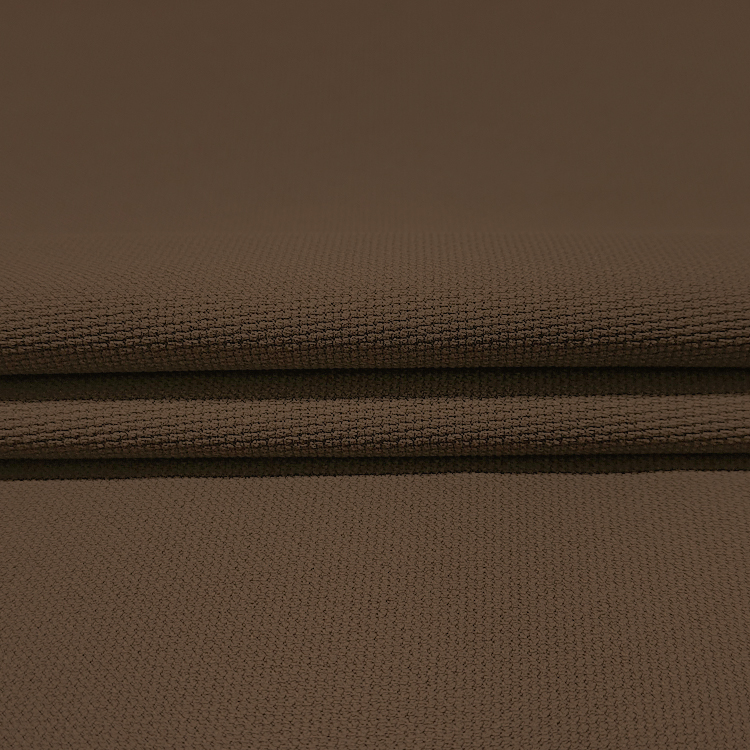
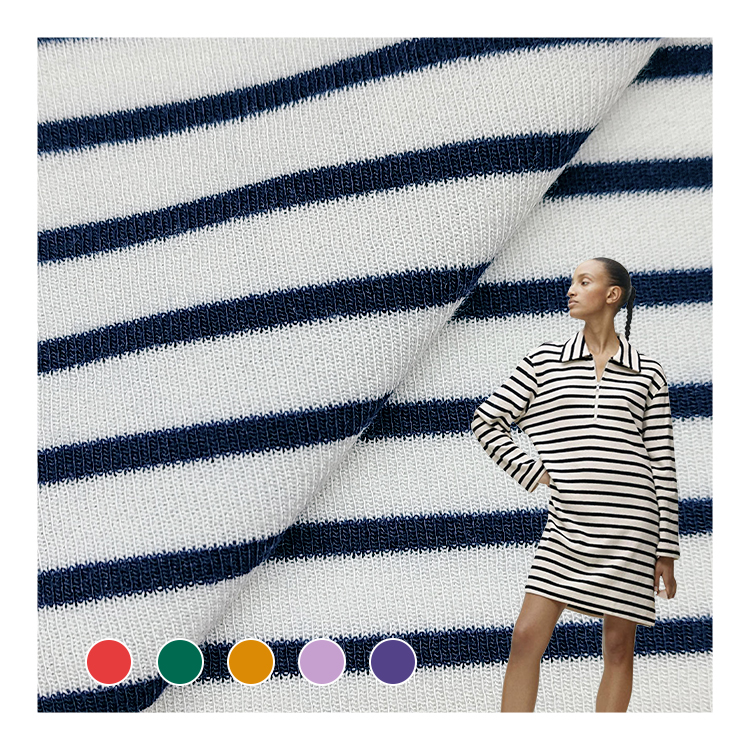
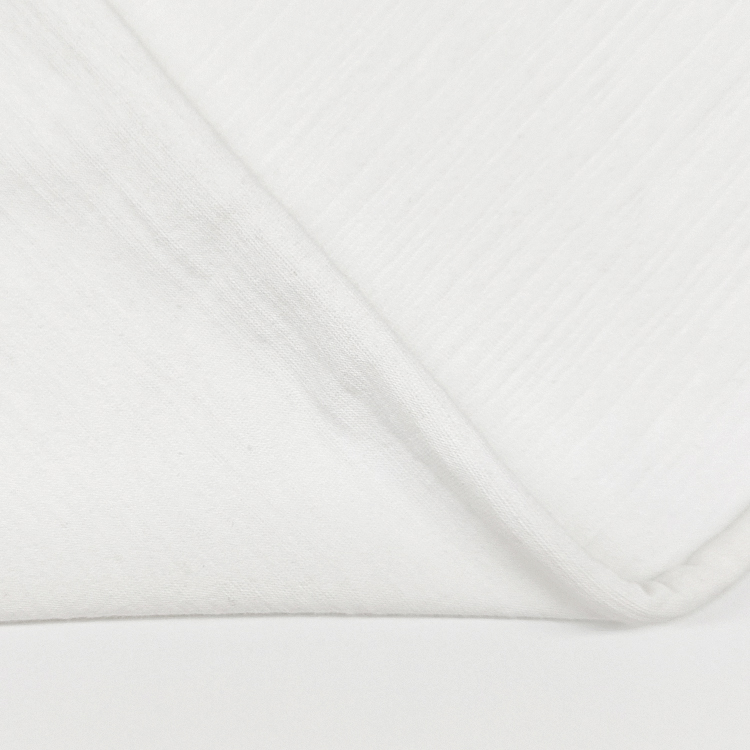
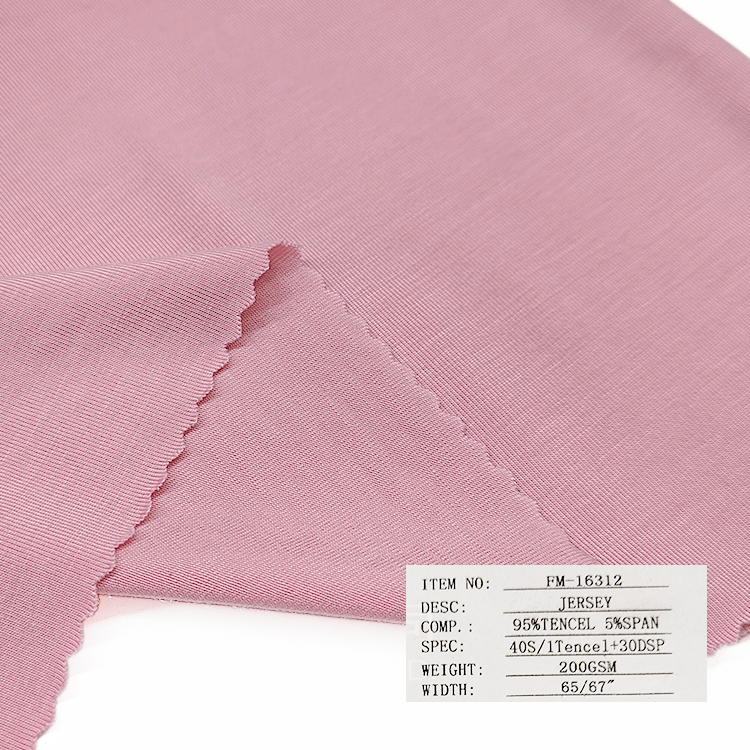
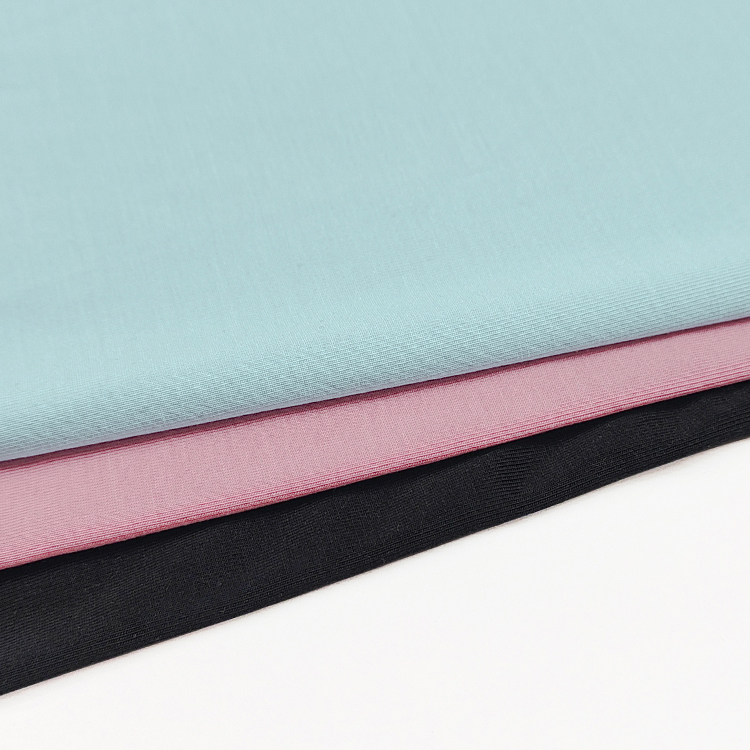
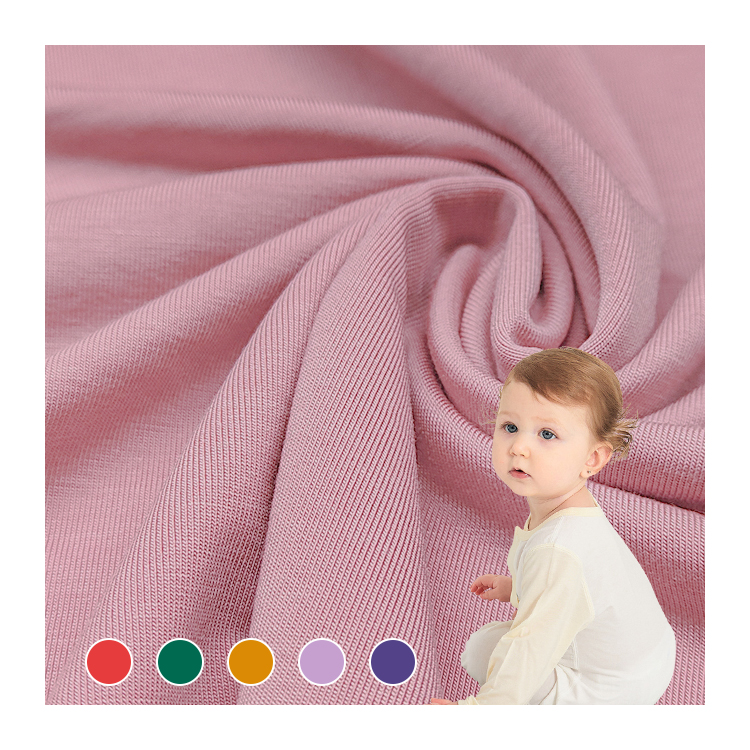
single jersey fabric
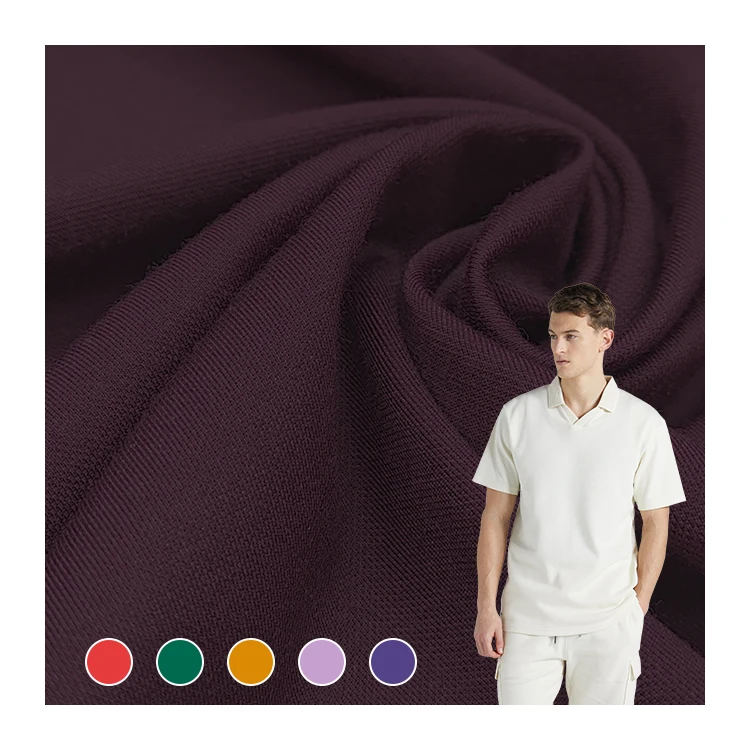
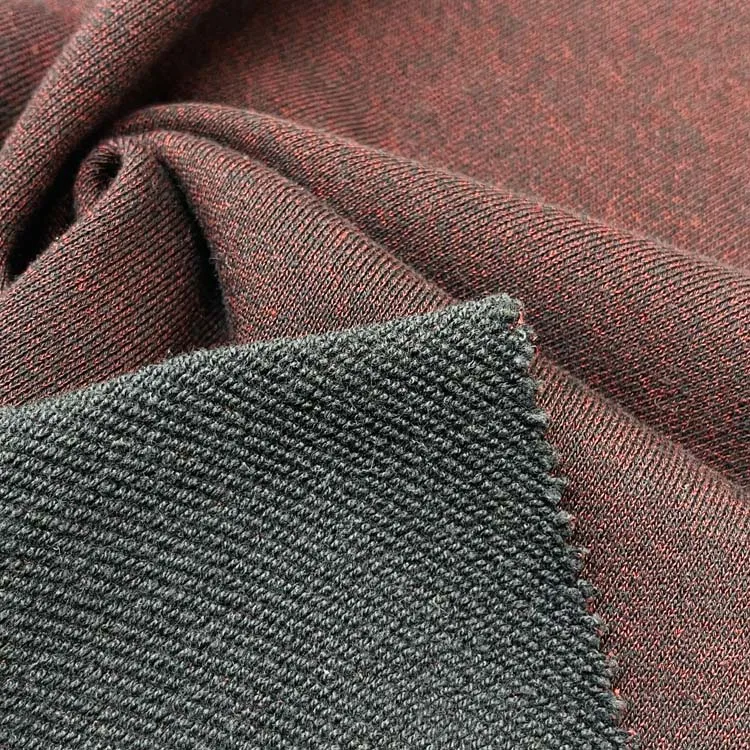
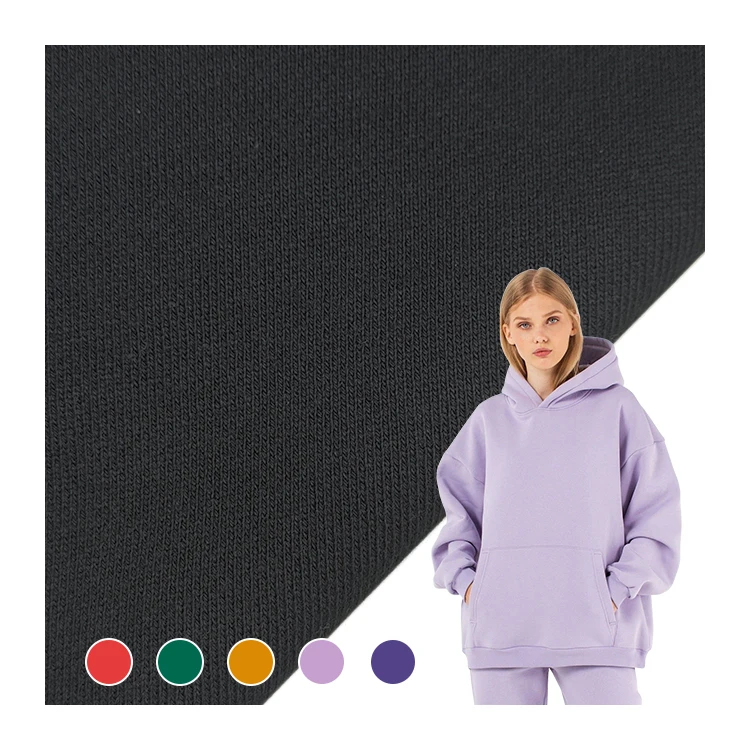
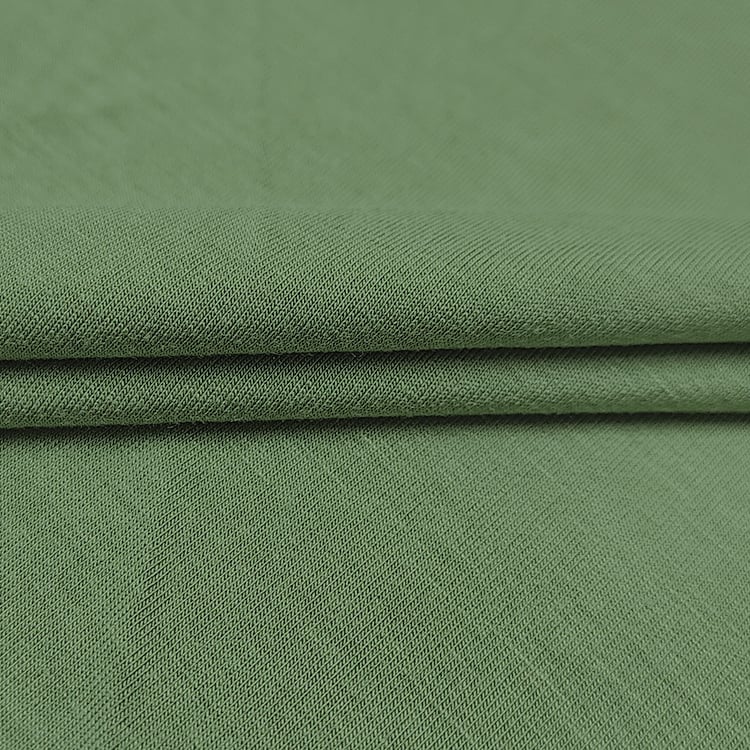
Single jersey fabric is one of the most versatile and widely used knitted textiles in the garment industry, known for its distinctive construction and exceptional comfort. This fabric is created using a single set of needles on a circular knitting machine, producing a smooth face side and a piled back side with visible loops. The single jersey fabric features a characteristic curling tendency at the edges due to its structural composition, which is easily managed during garment construction. Its main functions include providing stretch, breathability, and softness for everyday wear applications. The technological features of single jersey fabric include its lightweight construction, typically ranging from 120 to 200 GSM, and its excellent drapeability that conforms naturally to body contours. The fabric exhibits superior moisture management properties, making it ideal for activewear and undergarments. Single jersey fabric can be manufactured from various fiber types, including cotton, polyester, viscose, and blended combinations, each offering distinct performance characteristics. The knitting structure allows for easy customization through different yarn counts and tightness factors. Applications of single jersey fabric span across multiple sectors, from basic t-shirts and casual wear to sophisticated fashion garments and performance sportswear. The fabric's adaptability makes it suitable for children's clothing, nightwear, and promotional apparel. Its cost-effectiveness combined with comfort properties has established single jersey fabric as a cornerstone material in textile manufacturing worldwide.

 EN
EN