Complete Guide to Velvet Fabric Pricing: Quality, Value, and Market Trends

Get a Free Quote

Our representative will contact you soon.
Email
Name
Company Name
Message
0/1000

velvet fabric price

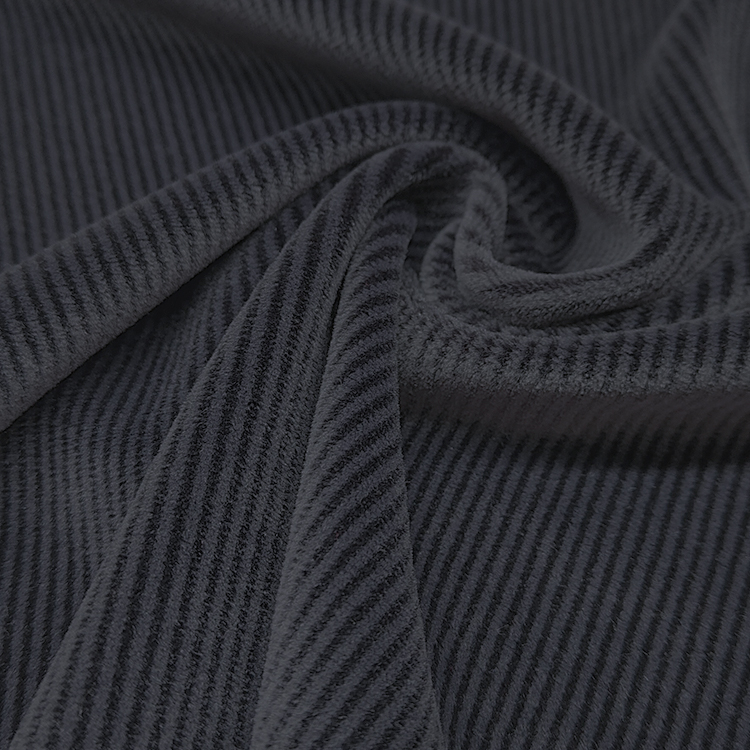
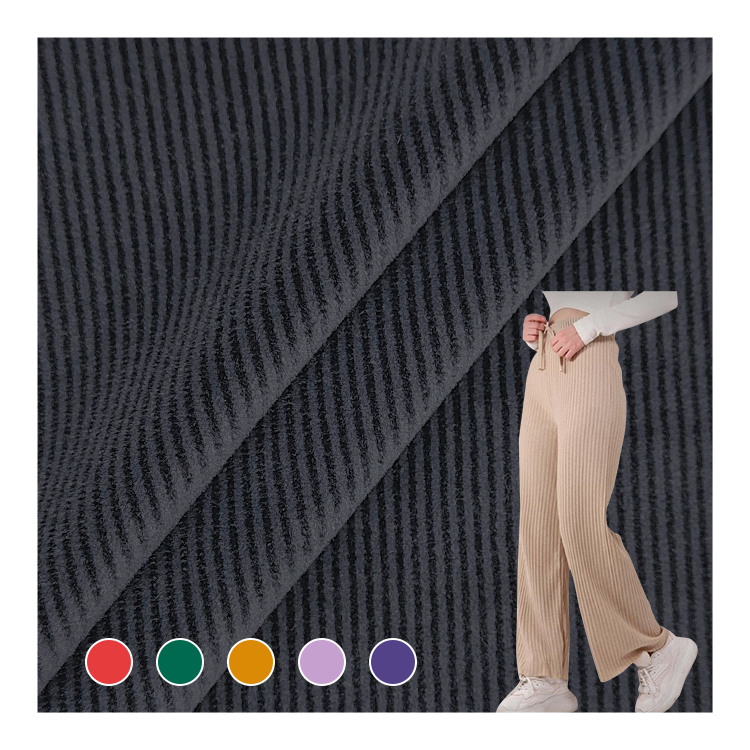
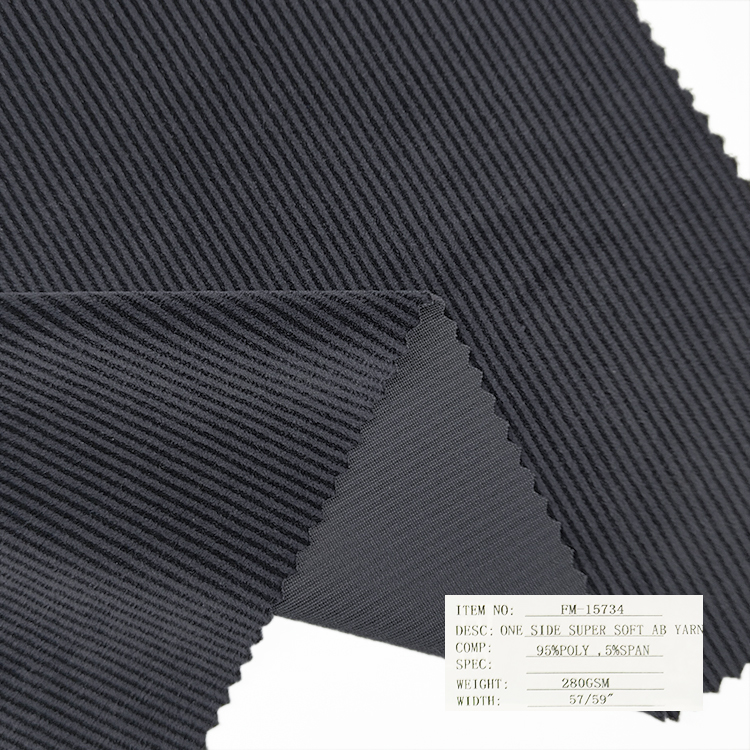
Velvet fabric price varies significantly based on several key factors, including material composition, manufacturing quality, and market demand. Traditional velvet, crafted from pure silk, commands premium prices due to its luxurious feel and exceptional durability. Modern synthetic velvet, made from polyester or nylon, offers a more cost-effective alternative while maintaining an elegant appearance. The price range typically spans from $5 to $100 per yard, with synthetic options occupying the lower end and natural fiber velvets positioned at the higher end. Factors influencing pricing include pile height, backing material quality, and manufacturing techniques. Machine-made velvet generally costs less than handcrafted varieties, while crushed velvet and printed patterns may command higher prices due to additional processing requirements. The market also differentiates between upholstery-grade velvet, which features enhanced durability and stain resistance, and fashion velvet used in clothing and accessories. Seasonal demand fluctuations and raw material costs contribute to price variations throughout the year.

New Product Recommendations

Understanding velvet fabric pricing offers numerous advantages for both consumers and businesses in the textile industry. First, knowledge of price variations enables informed purchasing decisions, allowing buyers to balance quality requirements with budget constraints. Cost awareness helps in identifying the most suitable velvet type for specific applications, whether for home decor, fashion, or commercial use. The price structure reflects important quality indicators, such as fiber content, durability, and manufacturing methods, helping customers assess value for money. Different price points accommodate various market segments, from budget-conscious consumers to luxury buyers, ensuring accessibility across different economic brackets. Competitive pricing in synthetic velvets has democratized access to this traditionally luxury fabric, enabling wider application in contemporary design and fashion. Understanding price factors aids in inventory management and cost prediction for businesses, while consumers benefit from better negotiating positions when making bulk purchases. The price range also indicates maintenance requirements and longevity expectations, helping in long-term cost assessment. This knowledge facilitates better project planning and budget allocation for interior designers and fashion professionals.

Latest News

Unique Fabrics Developed With Functional Tags By Feimei/Yongshu

12

Nov

Unique Fabrics Developed With Functional Tags By Feimei/Yongshu

View More
Yongshu / Feimei Knitting Fabric Factory: Your Global Partner for Premium Knit Fabrics

12

Nov

Yongshu / Feimei Knitting Fabric Factory: Your Global Partner for Premium Knit Fabrics

View More
Your One-Stop Knitted Fabric Partner for South America | Fast Delivery & OEM

12

Nov

Your One-Stop Knitted Fabric Partner for South America | Fast Delivery & OEM

View More
3-in-1 Fabric Excellence: Wholesale, Casual wear & Baby Textiles at Unbeatable Prices - Feimei Knitting/Yongshu

12

Nov

3-in-1 Fabric Excellence: Wholesale, Casual wear & Baby Textiles at Unbeatable Prices - Feimei Knitting/Yongshu

View More

Get a Free Quote

Our representative will contact you soon.
Email
Name
Company Name
Message
0/1000

velvet fabric price

Cost-Quality Relationship

Cost-Quality Relationship

The relationship between velvet fabric price and quality represents a crucial aspect of textile market dynamics. Premium velvet fabrics, typically priced higher, offer superior pile density, more consistent color distribution, and enhanced durability. This quality-price correlation extends to the backing material's strength and the precision of the manufacturing process. Higher-priced velvets often feature advanced treatments for stain resistance, color fastness, and wear resistance, justifying their premium positioning. The investment in quality materials and manufacturing processes directly influences the final product's performance and longevity, making the higher price point a sound long-term investment for discerning buyers.
Market Segmentation Impact

Market Segmentation Impact

Price segmentation in the velvet fabric market reflects diverse consumer needs and applications. Entry-level synthetic velvets serve the mass market, providing acceptable quality at accessible price points. Mid-range options balance quality and affordability, often incorporating blended fibers and improved manufacturing techniques. Luxury segment pricing reflects exclusive materials, traditional craftsmanship, and brand value. This segmentation enables manufacturers to target specific market niches effectively while providing consumers with clear quality-price relationships. Understanding these segments helps buyers identify products that best match their requirements and budget constraints.
Seasonal Price Variations

Seasonal Price Variations

Seasonal fluctuations significantly influence velvet fabric pricing throughout the year. Peak demand periods, such as pre-holiday seasons and fashion week preparations, typically see price increases due to higher market demand. Conversely, off-season periods may offer opportunities for cost savings through promotional pricing and inventory clearance. These cyclical patterns affect both wholesale and retail pricing structures, creating opportunities for strategic purchasing. Understanding seasonal trends enables buyers to optimize their procurement timing, potentially achieving significant cost savings while maintaining quality standards. This knowledge is particularly valuable for bulk purchasers and businesses managing inventory costs.