
 EN
EN



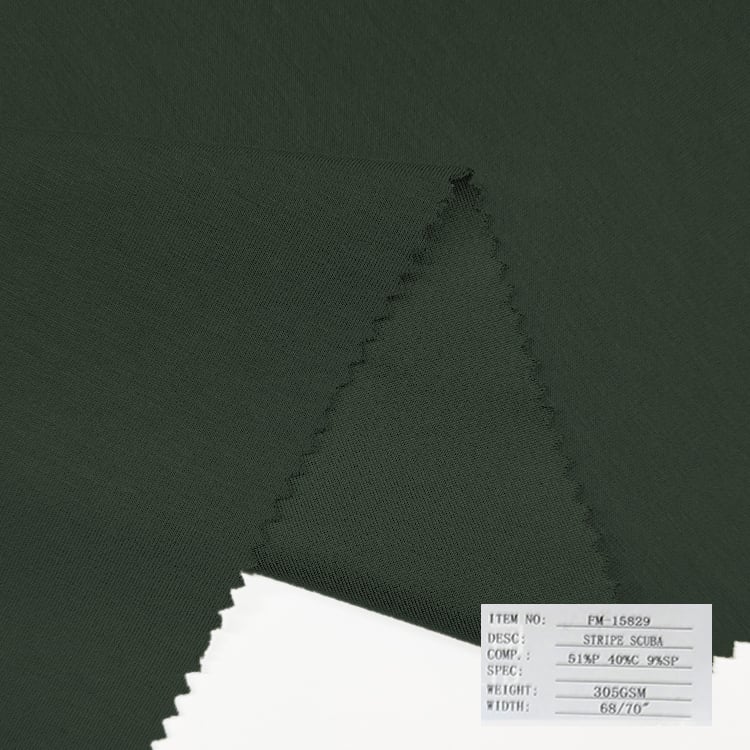
Jersey fabric has become an indispensable material in the textile industry, offering exceptional versatility and comfort across numerous applications. This knitted textile, characterized by its distinctive loop structure and stretch properties, continues to dominate fashion manufacturing, sportswear production, and home textile markets worldwide. Understanding the nuances of jersey fabric selection, properties, and applications is crucial for manufacturers, designers, and procurement professionals seeking optimal material solutions for their specific requirements.
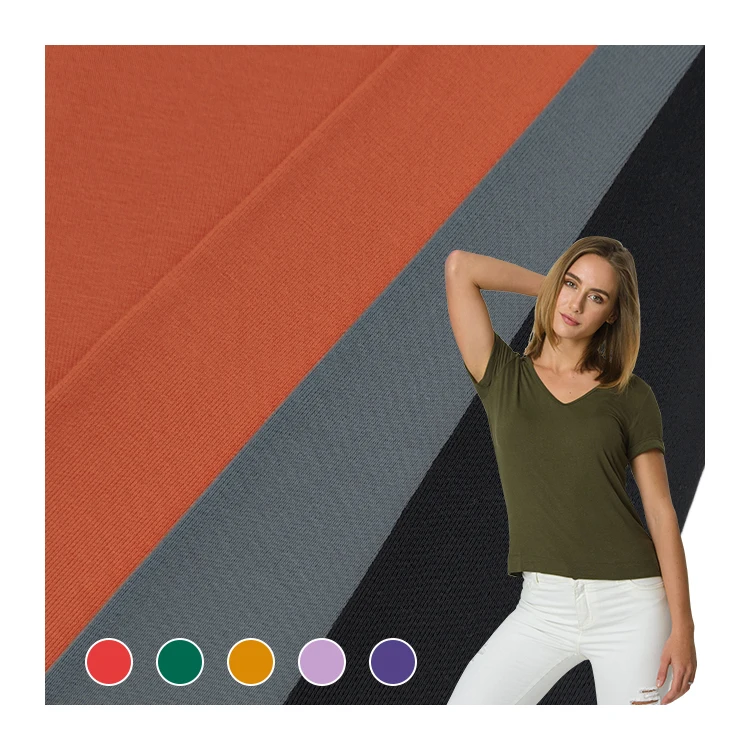
Understanding Jersey Fabric Construction and Characteristics
Fundamental Knitting Structure
The foundation of jersey fabric lies in its unique weft-knitted construction, where interlocking loops create a flexible, stretchable textile with distinct front and back surfaces. This single-knit structure produces the characteristic flat face and looped reverse side that defines jersey fabric properties. The knitting process involves continuous yarn feeding through needles, creating consistent loop formation that determines the fabric's final characteristics including stretch, drape, and recovery properties.
Modern jersey fabric production utilizes advanced circular knitting machines capable of producing seamless tubular constructions or flat panels depending on application requirements. The gauge selection, referring to needle density per inch, directly impacts the fabric's weight, texture, and performance characteristics. Higher gauge constructions typically yield finer, lighter jersey fabrics suitable for intimate apparel and lightweight garments, while lower gauge options produce heavier, more substantial textiles for outerwear and structured garments.
Key Performance Properties
Jersey fabric exhibits exceptional stretch characteristics in both horizontal and vertical directions, with horizontal stretch typically ranging from 25% to 100% depending on fiber content and construction parameters. This inherent elasticity makes jersey fabric ideal for form-fitting applications where comfort and movement are paramount. Recovery properties ensure the fabric returns to its original dimensions after stretching, maintaining garment shape and fit over extended wear periods.
Moisture management capabilities vary significantly based on fiber composition, with natural fiber jersey fabrics like cotton and bamboo offering superior breathability and moisture absorption. Synthetic jersey fabrics excel in moisture-wicking applications, rapidly transporting perspiration away from the skin surface. The fabric's drape characteristics, influenced by weight and fiber content, range from fluid and flowing to structured and stable, accommodating diverse design requirements across fashion and technical applications.
Comprehensive Jersey Fabric Types and Variations
Natural Fiber Jersey Options
Cotton jersey fabric remains the most widely utilized natural fiber variant, offering excellent breathability, softness, and dyeability for fashion and casual wear applications. Premium cotton jersey fabrics utilize long-staple fibers like Pima or Supima cotton, delivering enhanced durability and luxurious hand feel. Organic cotton jersey options cater to environmentally conscious consumers and brands, providing sustainable textile solutions without compromising performance characteristics.
Bamboo jersey fabric has gained significant market traction due to its exceptional softness, natural antimicrobial properties, and sustainable production credentials. This eco-friendly alternative offers superior moisture absorption and temperature regulation compared to conventional cotton jersey fabric. Bamboo fiber's inherent properties create jersey fabrics with enhanced drape and luster, making them particularly suitable for premium apparel applications and intimate wear categories.
Modal and Tencel jersey fabrics, derived from beech trees and eucalyptus respectively, represent advanced sustainable options combining natural fiber benefits with enhanced durability and color retention. These cellulosic fibers produce jersey fabric with exceptional softness and dimensional stability, ideal for high-end fashion applications and performance wear where comfort and longevity are essential.
Synthetic and Blended Variations
Polyester jersey fabric dominates technical and performance applications due to its excellent moisture-wicking properties, color fastness, and dimensional stability. These synthetic jersey fabrics resist shrinkage, maintain shape retention, and offer superior durability for high-use applications. Advanced polyester formulations incorporate recycled content, supporting sustainability initiatives while maintaining performance standards expected in commercial applications.
Spandex-blended jersey fabric variants typically contain 2-10% elastane fibers, significantly enhancing stretch and recovery properties while maintaining the base fiber's beneficial characteristics. Cotton-spandex jersey fabric combines natural fiber comfort with enhanced fit and movement, making it ideal for activewear and fitted garments. These blended constructions optimize performance across multiple criteria, balancing comfort, durability, and functionality requirements.
Tri-blend jersey fabric formulations incorporating cotton, polyester, and rayon create unique property combinations that leverage each fiber's strengths. These sophisticated blends produce jersey fabric with enhanced drape, improved color vibrancy, and optimized comfort characteristics. The precise blend ratios determine final fabric properties, allowing manufacturers to customize performance for specific application requirements.
Industrial Applications and Market Segments
Fashion and Apparel Manufacturing
Jersey fabric applications in fashion manufacturing span from basic t-shirts and casual wear to high-end fashion garments and structured pieces. The fabric's versatility accommodates various construction techniques including flat-fell seaming, coverstitch applications, and decorative treatments. Fashion designers value jersey fabric for its ability to create both relaxed, draped silhouettes and fitted, body-conscious designs depending on construction and styling approaches.
Intimate apparel and undergarment manufacturing extensively utilizes lightweight jersey fabric variations for their comfort, stretch, and skin-friendly properties. Premium lingerie applications demand jersey fabrics with exceptional softness, moisture management, and dimensional stability to ensure product quality and consumer satisfaction. Color matching capabilities and dye uptake characteristics influence fabric selection for coordinated intimate apparel collections.
Technical and Performance Applications
Activewear and sportswear manufacturing relies heavily on performance jersey fabric formulations engineered for specific athletic activities. Moisture-wicking jersey fabric variants incorporate synthetic fibers and specialized treatments to enhance sweat management and temperature regulation during physical activity. These technical textiles must balance stretch, recovery, and durability requirements while maintaining comfort during extended wear periods.
Medical and healthcare textile applications utilize jersey fabric for its comfort properties and ease of sterilization. Hospital gowns, scrubs, and patient wear benefit from jersey fabric's stretch characteristics and softness. Specialized antimicrobial treatments enhance hygiene properties while maintaining the fabric's inherent comfort and flexibility advantages in healthcare environments.
Quality Assessment and Selection Criteria
Physical Property Evaluation
Weight specifications for jersey fabric typically range from 120 GSM for lightweight applications to 300 GSM for heavy-duty constructions, with most apparel applications falling between 150-220 GSM. Fabric weight directly impacts drape, opacity, and durability characteristics, requiring careful consideration based on end-use requirements. Density measurements, including stitch count per inch, influence fabric stability and appearance retention over time.
Stretch and recovery testing protocols evaluate jersey fabric performance under repeated stress cycles, ensuring consistent fit and appearance throughout product lifecycle. Standard test methods measure stretch percentages in both directions while assessing recovery time and permanent deformation. These parameters are critical for applications requiring maintained fit and shape retention, particularly in activewear and form-fitting garments.
Color and Finishing Considerations
Dye penetration and color fastness properties vary significantly among jersey fabric types, with natural fibers generally offering superior dye uptake but requiring additional treatments for colorfastness enhancement. Synthetic jersey fabric variants excel in maintaining color vibrancy and resisting fading under UV exposure and repeated washing cycles. Color matching consistency across production lots remains crucial for large-scale manufacturing operations.
Finishing treatments for jersey fabric include pre-shrinking processes, anti-pilling treatments, and specialized coatings for enhanced performance characteristics. These treatments must be carefully selected to maintain the fabric's inherent stretch and comfort properties while adding desired functionality. Quality finishing procedures significantly impact the final product's appearance, hand feel, and durability characteristics.
Sourcing and Procurement Strategies
Supplier Evaluation and Quality Control
Effective jersey fabric procurement requires comprehensive supplier evaluation encompassing production capabilities, quality control systems, and compliance certifications. Leading manufacturers maintain sophisticated testing laboratories capable of conducting physical property evaluations, colorfastness assessments, and dimensional stability testing. Supplier audits should verify adherence to international quality standards and environmental regulations affecting jersey fabric production.
Supply chain transparency becomes increasingly important for brands requiring traceability and sustainability documentation. Jersey fabric suppliers must provide detailed information regarding fiber sources, production processes, and environmental impact assessments. Certifications such as OEKO-TEX, GOTS, and Cradle to Cradle validate sustainable and safe production practices throughout the jersey fabric manufacturing process.
Cost Optimization and Volume Planning
Jersey fabric pricing structures reflect raw material costs, production complexity, and order volumes, with significant economies of scale available for large-quantity purchases. Minimum order quantities vary among suppliers, typically ranging from 1,000 to 10,000 meters depending on customization requirements and fabric specifications. Strategic procurement planning should account for seasonal demand fluctuations and lead time variations affecting jersey fabric availability.
Long-term supply agreements can provide price stability and priority allocation during high-demand periods, particularly beneficial for jersey fabric applications requiring consistent quality and delivery schedules. Blanket orders with scheduled releases offer flexibility while securing favorable pricing terms and ensuring adequate inventory levels for continuous production operations.
FAQ
What factors determine jersey fabric quality and performance
Jersey fabric quality depends on several key factors including fiber quality, yarn construction, knitting parameters, and finishing processes. Premium fibers like long-staple cotton or bamboo create superior base materials, while consistent yarn properties ensure uniform fabric characteristics. Knitting gauge and tension settings influence fabric weight, stretch, and recovery properties. Professional finishing treatments enhance durability, appearance, and performance characteristics while maintaining the fabric's inherent comfort properties.
How do I select the appropriate jersey fabric weight for different applications
Jersey fabric weight selection depends on intended use, seasonal requirements, and desired drape characteristics. Lightweight options (120-160 GSM) suit intimate apparel, summer garments, and layering pieces where minimal bulk is desired. Medium weights (160-220 GSM) accommodate most apparel applications including t-shirts, dresses, and casual wear. Heavy weights (220+ GSM) provide structure for outerwear, hoodies, and garments requiring enhanced durability and coverage.
What are the key differences between natural and synthetic jersey fabric options
Natural jersey fabric variants like cotton and bamboo excel in breathability, moisture absorption, and skin comfort while offering biodegradable end-of-life options. Synthetic alternatives provide superior moisture-wicking, color retention, and dimensional stability with enhanced durability characteristics. Blended formulations combine benefits from both categories, optimizing comfort, performance, and cost considerations for specific applications requiring balanced property profiles.
How should jersey fabric be stored and handled to maintain quality
Proper jersey fabric storage requires controlled temperature and humidity conditions to prevent mold, mildew, and dimensional changes. Fabrics should be stored flat or on large-diameter rolls to minimize creasing and stress concentration. Protection from direct sunlight prevents UV degradation and color fading. Regular inventory rotation ensures older stock is utilized first, while climate-controlled environments maintain consistent fabric properties throughout storage periods.