
 EN
EN



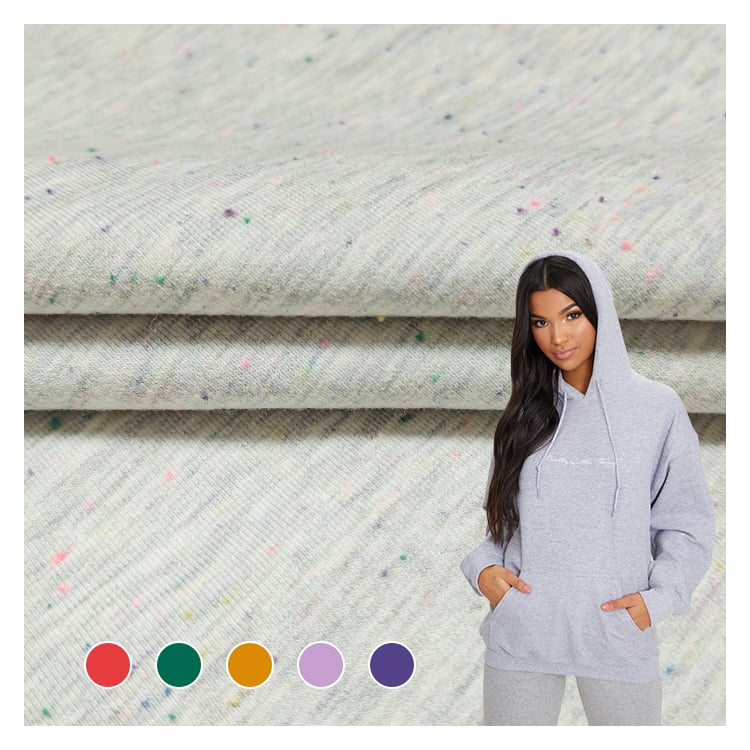
The textile industry has witnessed remarkable evolution in recent decades, with jersey fabric emerging as the gold standard for t-shirt manufacturing. This versatile material combines comfort, durability, and aesthetic appeal, making it the preferred choice for both casual wear and high-performance garments. Understanding the characteristics and applications of jersey fabric is essential for manufacturers, designers, and consumers who demand superior quality in their clothing investments.
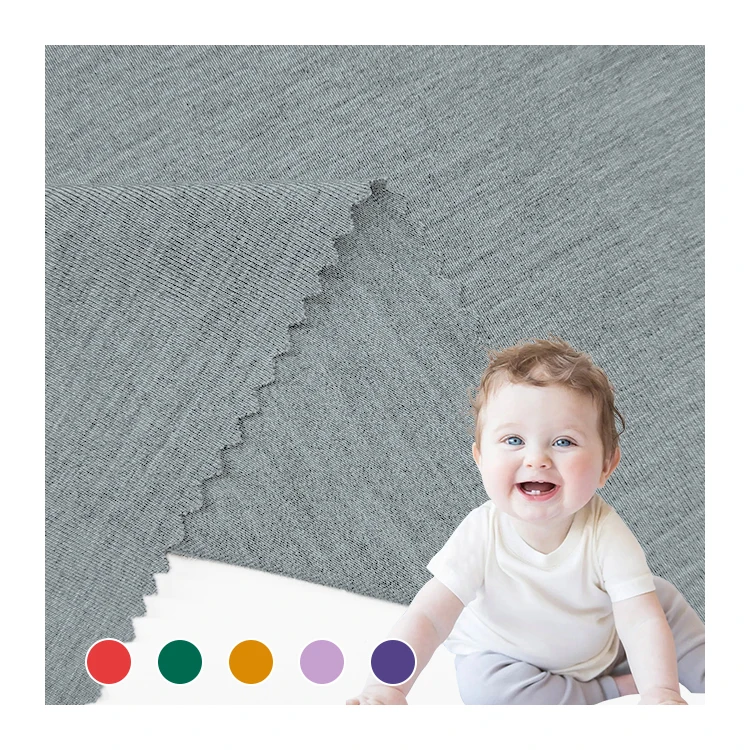
Modern jersey fabric production incorporates advanced knitting techniques that create a unique construction pattern, resulting in exceptional flexibility and breathability. The interlocking loop structure of jersey fabric allows for natural stretch in all directions while maintaining dimensional stability after washing and wearing. This construction method differentiates jersey fabric from woven materials, providing superior comfort and movement freedom that consumers increasingly expect from their everyday apparel.
Understanding Jersey Fabric Construction and Properties
Knitting Structure and Mechanical Properties
The fundamental structure of jersey fabric relies on a single-bed knitting process that creates interlocking loops in horizontal rows called courses. This construction method produces a fabric with distinct face and back characteristics, where the face displays smooth vertical lines called wales, while the back shows horizontal loops. The mechanical properties of jersey fabric include excellent drape, natural stretch recovery, and resistance to wrinkles, making it ideal for garments requiring both comfort and professional appearance.
Advanced jersey fabric manufacturing employs precise tension control and yarn selection to optimize the final product's performance characteristics. The gauge of the knitting machine, typically ranging from 12 to 32 needles per inch, directly influences the fabric's thickness, stretch properties, and surface texture. Higher gauge jersey fabric produces finer, smoother surfaces suitable for premium t-shirts, while lower gauge constructions offer increased durability and casual appeal for everyday wear applications.
Fiber Composition and Performance Benefits
Contemporary jersey fabric utilizes diverse fiber compositions to achieve specific performance objectives. Cotton jersey fabric remains popular for its natural breathability and skin-friendly properties, while synthetic blends incorporating polyester or elastane enhance durability and stretch characteristics. Bamboo-based jersey fabric has gained significant market attention due to its antimicrobial properties, moisture-wicking capabilities, and sustainable production methods that appeal to environmentally conscious consumers.
The selection of appropriate fiber blends in jersey fabric directly impacts the final garment's performance in various applications. Modal and viscose additions create silky textures and enhanced drape, while incorporating recycled polyester maintains performance while addressing sustainability concerns. Understanding these fiber relationships enables manufacturers to create jersey fabric solutions that meet specific market demands and consumer preferences across diverse demographic segments.
Applications and Market Segments for Jersey Fabric
Fashion Industry and Apparel Manufacturing
The fashion industry extensively utilizes jersey fabric across multiple product categories, from basic t-shirts to high-end designer garments. The versatility of jersey fabric allows designers to create flowing silhouettes, fitted garments, and structured pieces that maintain comfort throughout extended wear periods. Fashion brands increasingly specify jersey fabric for collections targeting active consumers who prioritize both style and functionality in their wardrobe choices.
Contemporary fashion trends emphasize the importance of jersey fabric in creating sustainable, versatile pieces that transition seamlessly between casual and professional environments. The inherent properties of jersey fabric support these design objectives by providing consistent fit, minimal maintenance requirements, and long-term durability that justifies premium pricing strategies. Fashion houses regularly invest in developing proprietary jersey fabric specifications that differentiate their products in competitive marketplace conditions.
Athletic and Performance Wear Applications
Athletic wear manufacturers rely heavily on specialized jersey fabric formulations that incorporate moisture management, temperature regulation, and enhanced stretch recovery properties. Performance-oriented jersey fabric often features synthetic fiber blends designed to support high-intensity activities while maintaining comfort and appearance throughout extended use periods. These technical specifications require precise manufacturing controls to ensure consistent quality across production runs.
The growing athleisure market segment has expanded the applications for performance jersey fabric beyond traditional sportswear into everyday casual wear categories. Consumers increasingly expect their clothing to perform well during both exercise and daily activities, driving demand for jersey fabric that combines athletic functionality with fashionable aesthetics. This trend has prompted textile manufacturers to develop innovative jersey fabric solutions that meet these dual requirements without compromising either performance or style elements.
Manufacturing Processes and Quality Control
Production Techniques and Equipment Requirements
Modern jersey fabric production requires sophisticated circular knitting machines capable of maintaining consistent tension and stitch formation across wide fabric widths. The manufacturing process begins with careful yarn selection and preparation, including appropriate tensioning and conditioning to ensure optimal knitting performance. Quality jersey fabric production demands precise control of machine parameters, including needle selection, yarn tension, and knitting speed to achieve desired fabric characteristics.
Advanced jersey fabric manufacturing facilities incorporate automated quality monitoring systems that continuously assess fabric properties during production. These systems measure parameters such as fabric weight, stretch recovery, dimensional stability, and surface appearance to ensure consistency with established specifications. The integration of digital quality control technologies enables manufacturers to identify and correct production variations before they impact final product quality, reducing waste and improving overall efficiency.
Finishing Processes and Value Addition
Post-knitting finishing processes significantly influence the final performance characteristics of jersey fabric. Heat setting procedures stabilize the fabric dimensions and enhance stretch recovery properties, while specialized washing and scouring treatments remove residual processing chemicals and improve hand feel. Advanced finishing techniques can incorporate antimicrobial treatments, moisture management enhancements, and color fastness improvements that add value to the final jersey fabric product.
Contemporary jersey fabric finishing often includes sustainable treatment options that minimize environmental impact while maintaining performance standards. Enzyme-based finishing processes, reduced water consumption techniques, and eco-friendly chemical applications demonstrate the industry's commitment to responsible manufacturing practices. These innovations ensure that jersey fabric continues to meet evolving consumer expectations for both performance and environmental responsibility across diverse market applications.
Market Trends and Future Developments
Sustainability and Environmental Considerations
The textile industry faces increasing pressure to develop sustainable jersey fabric solutions that minimize environmental impact throughout the product lifecycle. Innovations in recycled fiber utilization, biodegradable treatments, and reduced-water manufacturing processes demonstrate the industry's response to these challenges. Sustainable jersey fabric production requires careful consideration of raw material sourcing, manufacturing energy consumption, and end-of-life disposal options to create truly environmentally responsible products.
Consumer awareness of environmental issues has driven demand for transparently produced jersey fabric that meets stringent sustainability criteria. Certification programs such as OEKO-TEX, GOTS, and Cradle to Cradle provide frameworks for evaluating and communicating the environmental performance of jersey fabric products. Manufacturers increasingly invest in sustainable production technologies and supply chain transparency initiatives to meet these market demands while maintaining competitive pricing and performance standards.
Technological Innovations and Smart Textiles
Emerging technologies are transforming jersey fabric capabilities through the integration of smart fibers, conductive elements, and responsive materials. Smart jersey fabric can incorporate sensors, heating elements, or color-changing properties that respond to environmental conditions or user inputs. These innovations represent the convergence of traditional textile manufacturing with advanced materials science and electronics integration capabilities.
Future developments in jersey fabric technology focus on creating adaptive materials that adjust their properties based on user needs or environmental conditions. Temperature-regulating jersey fabric, moisture-responsive treatments, and antibacterial enhancements represent areas of active research and development. These technological advances position jersey fabric at the forefront of the functional textiles market, supporting continued growth and market expansion opportunities across diverse application segments.
FAQ
What makes jersey fabric different from other knitted materials
Jersey fabric is distinguished by its single-knit construction using a plain knit stitch pattern, creating a smooth face and a textured back with visible horizontal loops. This construction provides natural stretch in both directions while maintaining excellent recovery properties, unlike double-knit fabrics that are thicker and less flexible. The unique structure of jersey fabric enables superior drape and comfort characteristics that make it ideal for fitted garments and casual wear applications.
How should jersey fabric be cared for to maintain quality
Proper care of jersey fabric involves washing in cool water with mild detergents to prevent fiber damage and maintain dimensional stability. Avoid using bleach or harsh chemicals that can break down the fiber structure and reduce the fabric's stretch recovery properties. When drying, use low heat settings or air drying to prevent shrinkage and maintain the natural texture of the jersey fabric throughout its useful life.
Which fiber blends work best for jersey fabric t-shirts
Cotton-polyester blends typically provide the optimal combination of comfort, durability, and easy care for jersey fabric t-shirts. Cotton content of 60-80% offers natural breathability and skin comfort, while polyester additions enhance wrinkle resistance and color retention. Adding small amounts of elastane (2-5%) improves stretch properties and fit retention, creating jersey fabric that maintains its shape and appearance through repeated washing and wearing cycles.
What weight range is ideal for t-shirt jersey fabric
High-quality t-shirt jersey fabric typically ranges from 140 to 200 grams per square meter, with 160-180 GSM being the sweet spot for most applications. Lighter weights (140-160 GSM) create more flowing, drapey garments suitable for fashion applications, while heavier weights (180-200 GSM) provide increased durability and opacity for everyday wear. The optimal weight selection depends on the intended use, design requirements, and target market preferences for the finished jersey fabric garments.