
 EN
EN



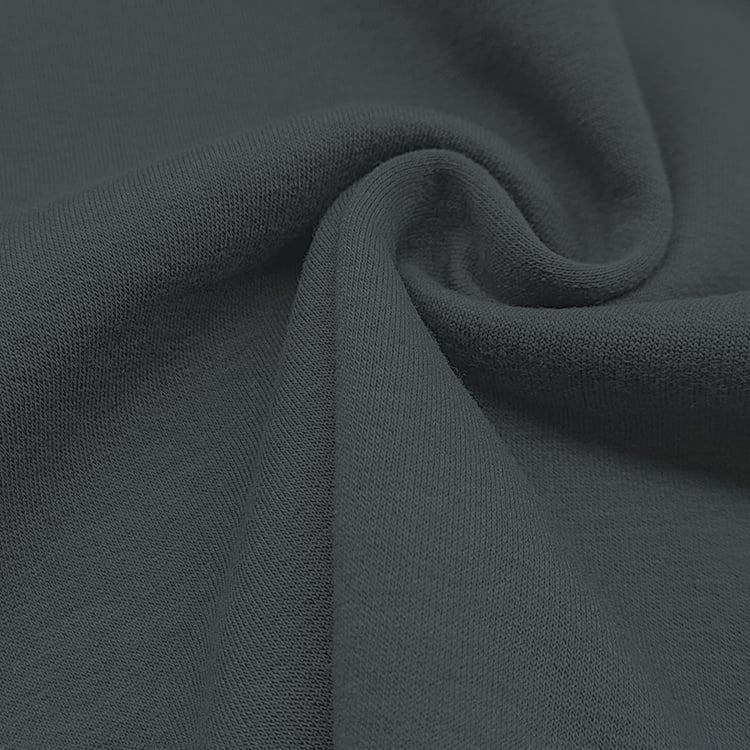
The textile industry continues to evolve with manufacturers and consumers seeking materials that combine comfort, durability, and versatility. When comparing jersey fabric against traditional cotton materials, understanding their unique properties becomes essential for making informed purchasing decisions. Jersey fabric has gained significant popularity across various applications, from activewear to everyday clothing, due to its distinctive knit construction and performance characteristics. This comprehensive analysis explores the key differences between jersey fabric and cotton materials, examining their manufacturing processes, applications, and performance metrics to help determine which material emerges as the superior choice in 2025.
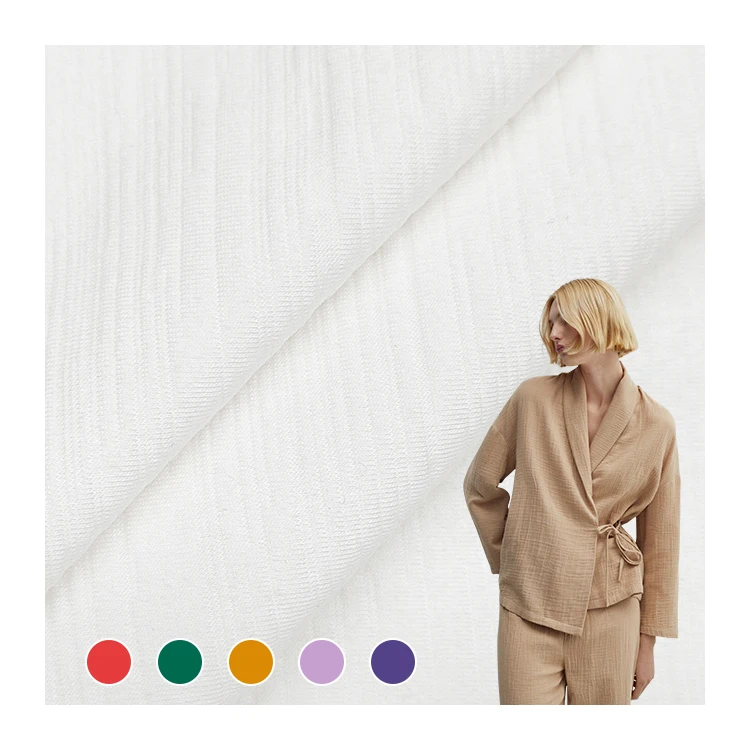
Understanding Jersey Fabric Construction and Properties
The Knit Structure That Defines Jersey Fabric
Jersey fabric represents a fundamental knit construction technique that creates a smooth surface on one side and a textured appearance on the reverse. This single-knit structure allows jersey fabric to exhibit remarkable stretch and recovery properties, making it ideal for garments requiring flexibility and comfort. The interlocking loops in jersey fabric construction provide natural elasticity without requiring additional elastane fibers, though many modern versions incorporate small percentages of stretch fibers for enhanced performance.
The manufacturing process of jersey fabric involves specialized knitting machines that create consistent stitch formation across the entire width of the material. This controlled production method ensures uniform thickness and stretch characteristics throughout the fabric, contributing to its predictable performance in various applications. Quality jersey fabric maintains its shape retention even after repeated washing cycles, demonstrating superior durability compared to many woven alternatives.
Material Composition Variations in Jersey Fabric
Modern jersey fabric can be manufactured from various fiber types, including cotton, polyester, bamboo, modal, and blended combinations. Cotton jersey fabric combines the natural breathability of cotton fibers with the stretch characteristics of the knit construction, creating a versatile material suitable for both casual and performance applications. Synthetic jersey fabric options offer enhanced moisture-wicking properties and improved durability for athletic and outdoor uses.
The choice of fiber content significantly impacts the final characteristics of jersey fabric, with natural fibers providing superior comfort and breathability, while synthetic options deliver enhanced performance features. Blended jersey fabric compositions attempt to balance these attributes, combining the best properties of different fiber types to create materials optimized for specific end uses.
Cotton Fabric Fundamentals and Manufacturing
Woven Cotton Construction Methods
Traditional cotton fabric relies on woven construction techniques that interlace warp and weft yarns at right angles to create stable, durable textiles. This weaving process produces fabrics with minimal stretch properties, making them ideal for structured garments and applications requiring dimensional stability. Cotton fabric strength depends heavily on the weave pattern, with options ranging from plain weaves to complex twill and satin constructions.
The woven nature of cotton fabric provides excellent tear resistance and long-term durability, particularly in applications involving frequent washing or heavy use. However, this same construction limits the flexibility and comfort characteristics that have made jersey fabric increasingly popular in modern textile applications.
Cotton Fiber Properties and Performance
Cotton fibers offer exceptional natural breathability, moisture absorption, and hypoallergenic properties that have made cotton fabric a preferred choice for centuries. The natural structure of cotton fibers allows for excellent dye uptake and color retention, enabling vibrant and long-lasting printed designs. Cotton fabric also provides natural UV protection and antimicrobial properties, particularly beneficial in applications requiring frequent skin contact.
The environmental sustainability of cotton fabric depends significantly on cultivation practices, with organic cotton options providing reduced chemical impact compared to conventional growing methods. Modern cotton processing techniques have improved the consistency and performance of cotton fabric while maintaining the natural characteristics that consumers value.
Comfort and Wearability Comparison
Stretch and Recovery Performance
Jersey fabric demonstrates superior stretch and recovery characteristics compared to traditional cotton fabric, providing enhanced comfort during movement and activity. The knit construction of jersey fabric allows for multidirectional stretch, accommodating body movements without creating stress points or restricting circulation. This flexibility makes jersey fabric particularly suitable for activewear, undergarments, and casual clothing applications.
Cotton fabric typically offers minimal stretch properties unless blended with elastane or other stretch fibers, limiting its comfort characteristics in fitted garments. The rigid structure of woven cotton fabric can create pressure points and restrict movement, particularly in applications requiring frequent bending or stretching motions.
Breathability and Moisture Management
Both jersey fabric and cotton fabric can provide excellent breathability depending on their specific construction and fiber content. Cotton jersey fabric combines the natural moisture-wicking properties of cotton fibers with the open structure typical of knit constructions, creating enhanced air circulation and comfort. Pure cotton fabric offers superior moisture absorption but may retain moisture longer than synthetic jersey fabric alternatives.
The breathability characteristics of jersey fabric can be optimized through specific yarn construction and finishing processes, allowing manufacturers to create materials tailored for different climate conditions and activity levels. Advanced jersey fabric treatments can enhance moisture management while maintaining the natural comfort properties that make these materials attractive to consumers.
Durability and Maintenance Considerations
Washing and Care Requirements
Jersey fabric generally requires gentle care practices to maintain its stretch properties and prevent distortion during washing cycles. The knit construction can be susceptible to snagging and pilling, particularly with lower-quality fibers or aggressive washing conditions. However, high-quality jersey fabric maintains its appearance and performance characteristics through numerous wash cycles when properly cared for.
Cotton fabric typically withstands more aggressive washing conditions and maintains its appearance longer than many jersey fabric alternatives. The woven construction provides inherent stability that resists deformation during washing and drying processes, making cotton fabric suitable for applications requiring frequent laundering.
Long-term Performance and Shape Retention
Quality jersey fabric demonstrates excellent shape retention properties, returning to its original dimensions after stretching and use. The elastic recovery of jersey fabric depends on both the knit construction and fiber content, with natural fibers generally providing better long-term performance than synthetic alternatives. Proper finishing treatments can enhance the dimensional stability of jersey fabric without compromising its comfort characteristics.
Cotton fabric maintains its dimensional stability exceptionally well, showing minimal shrinkage or distortion even after extended use and multiple washing cycles. This stability makes cotton fabric preferred for applications where consistent sizing and appearance are critical factors.
Applications and Market Trends
Fashion and Apparel Industry Usage
Jersey fabric has become increasingly dominant in casual wear, activewear, and intimate apparel markets due to its comfort and versatility characteristics. Fashion designers appreciate the draping qualities of jersey fabric, which creates flowing silhouettes while maintaining shape definition. The stretch properties of jersey fabric also simplify garment construction by reducing the need for complex pattern adjustments and fitting modifications.
Cotton fabric remains essential for structured garments, professional wear, and applications requiring crisp appearance and dimensional stability. Traditional cotton fabric continues to dominate markets where formal appearance and long-term durability outweigh comfort considerations, though cotton jersey fabric options are gaining popularity in these applications as well.
Technical and Performance Applications
Advanced jersey fabric formulations have expanded into technical textile applications, including medical textiles, protective clothing, and specialized industrial uses. The conformability of jersey fabric makes it ideal for applications requiring close body contact while maintaining comfort and flexibility. Antimicrobial treatments and specialized fiber blends have enhanced the performance capabilities of jersey fabric in demanding environments.
Cotton fabric maintains its position in applications requiring high temperature resistance, chemical compatibility, and long-term stability under adverse conditions. Industrial applications often favor cotton fabric for its predictable performance characteristics and resistance to degradation under harsh conditions.
Cost Analysis and Economic Factors
Manufacturing Cost Considerations
Jersey fabric production generally requires specialized knitting equipment and skilled operators, potentially increasing manufacturing costs compared to basic cotton fabric weaving processes. However, the efficiency of modern knitting machines and reduced waste in jersey fabric production can offset these initial cost factors. The versatility of jersey fabric also allows manufacturers to create multiple product variations using similar equipment and processes.
Cotton fabric manufacturing benefits from established infrastructure and widespread availability of weaving equipment, typically resulting in lower production costs for basic constructions. However, specialized cotton fabric treatments and finishes can significantly increase costs, potentially exceeding jersey fabric production expenses for equivalent performance characteristics.
Market Pricing and Value Propositions
The market positioning of jersey fabric reflects its enhanced comfort and performance characteristics, often commanding premium pricing compared to basic cotton fabric alternatives. However, the improved durability and versatility of quality jersey fabric can provide superior long-term value despite higher initial costs. Consumer acceptance of jersey fabric pricing continues to grow as awareness of its benefits increases.
Cotton fabric pricing varies significantly based on fiber quality, weave complexity, and finishing treatments applied. Commodity cotton fabric remains competitively priced, while premium organic and specialty cotton fabric options can exceed jersey fabric costs for comparable applications.
Environmental Impact and Sustainability
Resource Consumption and Production Impact
Jersey fabric production can offer environmental advantages through reduced material waste and improved manufacturing efficiency compared to traditional woven processes. The knit-to-shape capabilities of jersey fabric manufacturing eliminate cutting waste and reduce overall material consumption. Additionally, the durability characteristics of quality jersey fabric can extend product lifecycles and reduce replacement frequency.
Cotton fabric environmental impact depends heavily on cultivation practices, water usage, and chemical treatments applied during processing. Organic cotton fabric options provide reduced environmental impact compared to conventional alternatives, though water consumption remains a significant consideration in cotton production.
End-of-Life Considerations and Recyclability
Both jersey fabric and cotton fabric offer good recyclability potential, particularly when manufactured from natural fibers or single-polymer synthetic materials. The knit construction of jersey fabric can simplify mechanical recycling processes, allowing for easier fiber recovery and reprocessing. Chemical recycling technologies are also advancing to handle complex jersey fabric blends more effectively.
Pure cotton fabric provides excellent compostability and biodegradability, making it an environmentally responsible choice for applications where end-of-life disposal is a primary concern. Mixed cotton fabric blends may require specialized recycling processes but still offer superior environmental performance compared to many synthetic alternatives.
Innovation and Future Developments
Advanced Jersey Fabric Technologies
Emerging technologies in jersey fabric production include seamless knitting capabilities, integrated functional yarns, and smart textile applications. These innovations expand the potential applications of jersey fabric while maintaining its core comfort and flexibility advantages. Nanotechnology treatments are also being integrated into jersey fabric production to enhance antimicrobial, moisture-management, and UV protection properties.
Sustainable fiber innovations, including recycled polyester and bio-based alternatives, are being incorporated into jersey fabric formulations to reduce environmental impact while maintaining performance characteristics. These developments position jersey fabric as a forward-looking material choice for environmentally conscious applications.
Cotton Fabric Enhancement Technologies
Cotton fabric continues to benefit from advances in fiber modification, finishing treatments, and blending technologies that enhance performance while maintaining natural characteristics. Stretch cotton fabric options now provide improved comfort without compromising the durability advantages of traditional cotton construction. Antimicrobial and moisture-management treatments are also being refined for cotton fabric applications.
Sustainable cotton production practices and alternative cotton sources, including recycled cotton fibers, are addressing environmental concerns while maintaining the performance characteristics that have made cotton fabric an enduring choice across multiple applications.
FAQ
Is jersey fabric more durable than cotton fabric
Jersey fabric durability depends significantly on fiber content and construction quality, with high-quality cotton jersey fabric offering excellent longevity comparable to woven cotton alternatives. The knit construction of jersey fabric provides flexibility that can reduce stress concentrations, potentially extending garment life in applications involving frequent movement. However, jersey fabric may be more susceptible to snagging and pilling compared to tightly woven cotton fabric, requiring appropriate care practices to maintain appearance and performance.
Which fabric is better for sensitive skin
Both jersey fabric and cotton fabric can be suitable for sensitive skin, with the choice depending on specific fiber content and finishing treatments used. Cotton jersey fabric combines the hypoallergenic properties of natural cotton fibers with the smooth surface characteristics of knit construction, reducing friction and irritation. Pure cotton fabric also provides excellent skin compatibility, though the choice between jersey fabric and cotton fabric for sensitive skin applications should consider individual sensitivities and specific garment requirements.
Does jersey fabric shrink more than cotton fabric
Jersey fabric shrinkage depends on fiber content, with cotton jersey fabric exhibiting similar shrinkage characteristics to woven cotton fabric when both use equivalent cotton fibers. The knit construction of jersey fabric can make shrinkage more noticeable due to changes in stitch geometry, but proper pre-shrinking treatments and care practices minimize this concern. Synthetic jersey fabric options typically demonstrate lower shrinkage rates compared to natural fiber alternatives, providing improved dimensional stability for applications where consistent sizing is critical.
What are the cost differences between jersey fabric and cotton fabric
Jersey fabric costs vary significantly based on fiber content, construction complexity, and quality specifications, with premium options potentially exceeding basic cotton fabric pricing. However, the enhanced comfort and versatility of jersey fabric can provide superior value in applications where these characteristics justify the investment. Cotton fabric pricing spans a wide range from commodity options to premium organic alternatives, making direct cost comparisons dependent on specific product requirements and quality expectations for each application.
Table of Contents
- Understanding Jersey Fabric Construction and Properties
- Cotton Fabric Fundamentals and Manufacturing
- Comfort and Wearability Comparison
- Durability and Maintenance Considerations
- Applications and Market Trends
- Cost Analysis and Economic Factors
- Environmental Impact and Sustainability
- Innovation and Future Developments
- FAQ