
 EN
EN



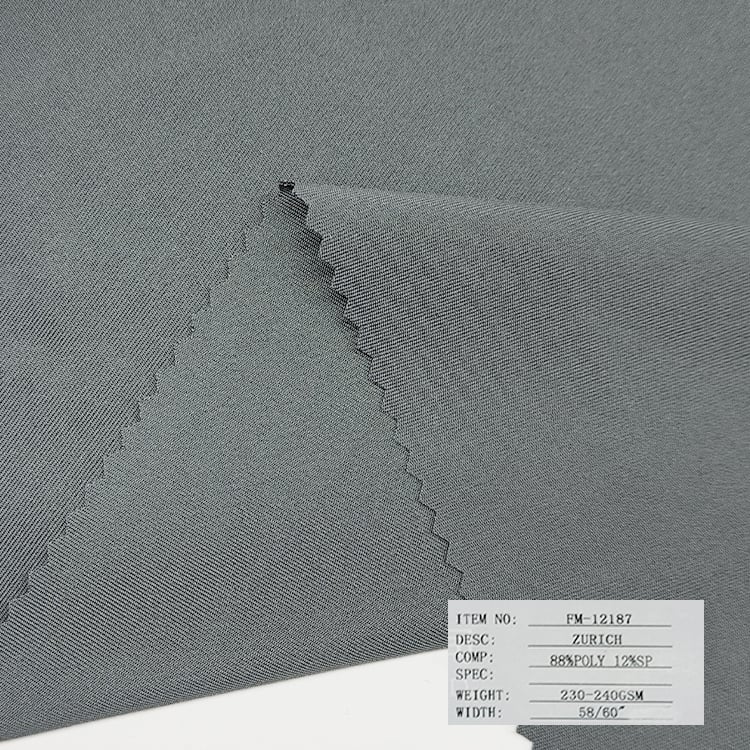
Jersey fabric presents unique challenges and opportunities for sewers at all skill levels. This versatile knit material offers exceptional comfort and stretch, making it ideal for everything from casual t-shirts to athletic wear. Understanding the proper techniques for working with jersey fabric can transform your sewing projects from frustrating experiences into professional-quality garments. Whether you're a beginner or an experienced seamstress, mastering jersey fabric techniques will expand your creative possibilities and improve your overall sewing skills.
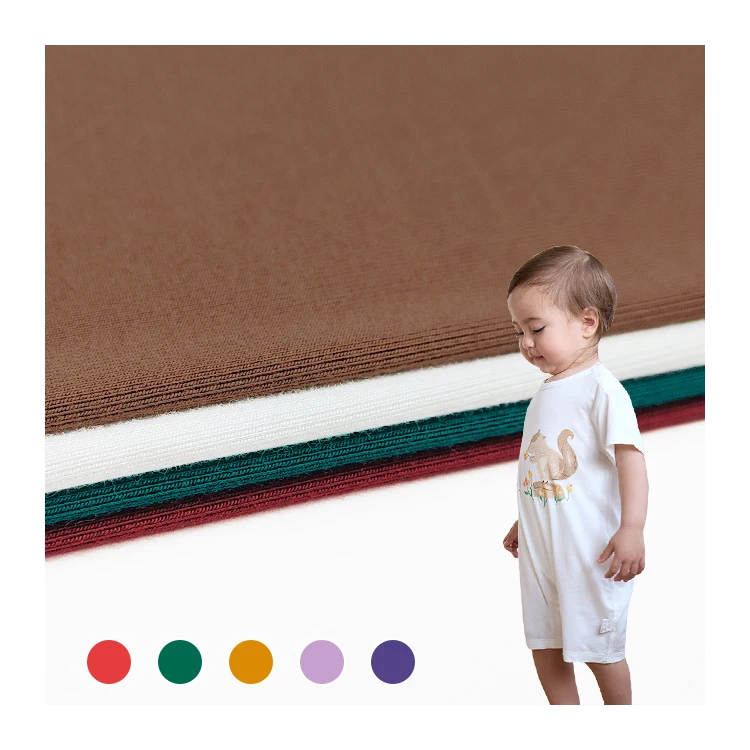
Understanding Jersey Fabric Properties
Fabric Structure and Stretch Characteristics
Jersey fabric consists of interlocking loops that create its characteristic stretch and drape. This knit construction allows the material to stretch horizontally while maintaining its vertical stability. The stretch properties of jersey fabric vary depending on the fiber content and knit density. Cotton jersey typically offers moderate stretch, while blends incorporating spandex or elastane provide enhanced elasticity. Understanding these properties helps sewers select appropriate patterns and adjust their techniques accordingly.
The weight of jersey fabric also affects its behavior during sewing. Lightweight jersey drapes beautifully but can be challenging to handle due to its tendency to roll at cut edges. Medium-weight jersey fabric offers a good balance of drape and stability, making it an excellent choice for beginners. Heavy-weight jersey provides structure but may require special considerations for seam finishing and hemming techniques.
Fiber Content Considerations
Different fiber compositions in jersey fabric create varying sewing requirements. Pure cotton jersey offers breathability and comfort but may shrink during washing. Polyester blends provide durability and color retention while maintaining stretch properties. Bamboo jersey fabric combinations offer moisture-wicking properties and natural antibacterial qualities, making them popular for activewear and undergarments.
Modal and rayon jersey fabrics drape exceptionally well but require careful handling to prevent distortion during construction. When selecting jersey fabric for specific projects, consider the end use, care requirements, and performance characteristics needed. Each fiber type brings unique benefits and challenges that influence the sewing approach and finishing techniques required.
Essential Equipment for Jersey Fabric Sewing
Needle Selection and Threading
Proper needle selection forms the foundation of successful jersey fabric sewing. Ballpoint needles designed specifically for knits prevent fabric damage by sliding between fibers rather than piercing through them. Size 70/10 to 80/12 ballpoint needles work well for lightweight to medium-weight jersey fabric applications. Stretch needles feature a specially designed scarf that accommodates the stretch characteristics of knit materials.
Thread quality significantly impacts seam integrity when working with stretchy materials. Polyester thread offers excellent stretch recovery and strength, making it ideal for jersey fabric construction. All-purpose polyester thread works for most applications, while specialized stretch thread provides additional elasticity for high-stress seams. Avoid cotton thread for jersey projects as it lacks the stretch necessary to accommodate fabric movement.
Presser Foot Options
Standard presser feet often struggle with jersey fabric's tendency to stretch and distort during sewing. Walking feet or even-feed feet help manage fabric feed and prevent uneven stitching. These specialized feet work particularly well with heavier jersey fabric weights. Ballpoint presser feet feature rounded contact points that glide smoothly over knit surfaces without catching or snagging.
Overlock or serger machines excel at jersey fabric construction due to their ability to cut, stitch, and finish seams simultaneously. The differential feed mechanism on sergers prevents fabric stretching while maintaining professional-quality seam finishes. For conventional sewing machines, stretch stitch options provide the flexibility needed for jersey fabric applications.
Cutting and Preparation Techniques
Layout and Pattern Placement
Proper fabric preparation prevents many common jersey fabric sewing problems. Pre-washing jersey fabric removes shrinkage potential and stabilizes the material before cutting. Allow the fabric to rest flat for several hours before layout to prevent distortion from rolling or folding. Use pattern weights instead of pins when possible to avoid stretching the fabric during the cutting process.
Jersey fabric grain lines require special attention during pattern layout. The greatest stretch typically runs parallel to the crosswise grain, while the lengthwise grain provides stability. Position pattern pieces according to the intended drape and fit requirements. Garments requiring structure benefit from strategic grain placement that utilizes the fabric's stable direction.
Cutting Tools and Techniques
Sharp rotary cutters provide clean edges on jersey fabric without pulling or distorting the material. Fabric scissors should be razor-sharp to prevent snagging or stretching during cutting. Cut jersey fabric on a large, flat surface using smooth, continuous motions rather than choppy cuts that can cause irregularities.
Stabilizing jersey fabric during cutting prevents unwanted stretching and ensures accurate piece dimensions. Tissue paper or wash-away stabilizer placed under the fabric provides support during cutting and can remain in place during initial stitching. Some sewers prefer cutting single layers to maintain better control over fabric behavior, especially with particularly stretchy jersey fabric varieties.
Stitching Techniques and Seam Options
Machine Settings and Stitch Selection
Proper machine tension adjustment prevents puckering and skipped stitches when sewing jersey fabric. Slightly reduce upper tension settings compared to woven fabric requirements. Test stitch on fabric scraps to determine optimal tension balance. Lower machine speed initially to maintain better control over fabric feed and stitch quality.
Stretch stitches accommodate jersey fabric movement without breaking under stress. Narrow zigzag stitches provide excellent stretch accommodation while maintaining seam strength. Lightning bolt or stretch straight stitches offer similar benefits with different visual appearances. Twin needle hems create professional-looking finishes with built-in stretch properties ideal for jersey fabric applications.
Seam Finishing Methods
Professional seam finishing prevents jersey fabric edges from rolling and adds durability to garment construction. Serged seams provide the most professional finish while accommodating stretch properties. French seams work well with lightweight jersey fabric for clean, enclosed edges. Bound seams using coordinating or contrasting binding add decorative elements while finishing raw edges.
Flat-fell seams offer durability for jersey fabric garments subject to frequent washing and wear. Mock flat-fell seams provide similar benefits with less bulk, making them suitable for fitted garments. Pinked seams work adequately for jersey fabric that doesn't fray extensively, though they offer less professional appearance than other finishing methods.
Hemming and Edge Finishing
Hem Techniques for Stretch Fabrics
Hemming jersey fabric requires techniques that maintain stretch while providing clean finishes. Twin needle hems create professional results with parallel topstitching that accommodates fabric stretch. Use wooly nylon thread in the bobbin for enhanced stretch properties and better coverage on the fabric underside.
Blind hem feet adapted for stretch fabrics prevent visible stitching while maintaining hem elasticity. Coverstitch machines excel at jersey fabric hemming, creating the same finish found on commercial garments. Hand-stitched hems using catch stitch or stretch blind hem techniques offer excellent control for delicate jersey fabric varieties.
Neckline and Armhole Finishes
Jersey fabric necklines require special consideration to prevent stretching during wear and laundering. Self-fabric binding cut on the crosswise grain provides stretch while maintaining a coordinated appearance. Bias tape made from coordinating woven fabric offers stability while accommodating neckline curves.
Ribbed knit bindings provide the most professional finish for jersey fabric necklines and armholes. These specialized trims contract slightly, helping maintain proper fit and preventing stretching. Clear elastic stay tape applied to shoulder seams and necklines provides internal support without affecting exterior appearance or comfort.
Troubleshooting Common Problems
Preventing Fabric Distortion
Fabric distortion during jersey fabric sewing creates fitting problems and unprofessional results. Proper handling techniques prevent most distortion issues. Support fabric weight during sewing to prevent stretching from the material's own weight. Use gentle guidance rather than pulling or pushing fabric through the machine.
Stabilizer applications provide temporary support during construction while allowing removal after completion. Water-soluble stabilizers dissolve completely during washing, leaving no residue. Tear-away stabilizers offer support during stitching and remove cleanly from jersey fabric without damage.
Addressing Seam Problems
Skipped stitches commonly occur when sewing jersey fabric with inappropriate needles or tension settings. Switching to ballpoint or stretch needles typically resolves this issue. Adjusting machine timing may be necessary for persistent skipping problems on older machines.
Wavy seams result from fabric stretching during construction or inappropriate stitch selection. Matching fabric stretch to seam requirements prevents this problem. Using walking feet or reducing presser foot pressure helps maintain even fabric feed. Steam pressing completed seams can sometimes improve minor waviness in jersey fabric construction.
Advanced Jersey Fabric Techniques
Professional Construction Methods
Commercial jersey fabric construction techniques create garments with professional appearance and durability. Flat construction methods minimize bulk and create smooth seam transitions. Combining pieces before attaching sleeves or side seams reduces handling and potential distortion.
Banding techniques using coordinating or contrasting materials add design interest while providing stable edges. Ribbed knit bands require different calculations than self-fabric bands due to their greater stretch properties. Proper band length calculation ensures smooth application without puckering or excessive stretching.
Decorative Elements and Embellishments
Adding decorative elements to jersey fabric requires techniques that accommodate stretch properties. Appliqué applications need fusible backing or stabilizer support to prevent distortion. Machine embroidery on jersey fabric benefits from hooping with appropriate stabilizers to prevent puckering.
Topstitching provides decorative elements while adding structural support to jersey fabric construction. Use stretch thread or slightly loosened tension to accommodate fabric movement. Multiple parallel rows of topstitching create interesting design elements while improving seam stability.
Care and Maintenance
Washing and Drying Guidelines
Proper care maintains jersey fabric appearance and extends garment life. Cold water washing prevents shrinkage and color fading while being gentler on stretch fibers. Gentle cycle settings reduce agitation that can distort jersey fabric construction.
Air drying preserves jersey fabric elasticity better than machine drying. High heat breaks down stretch fibers and can cause permanent distortion. If machine drying is necessary, use low heat settings and remove garments while slightly damp to prevent over-drying.
Storage and Handling
Folding jersey fabric garments can create permanent creases in some fiber types. Hanging storage works better for maintaining shape and preventing wrinkles. Use padded hangers for heavyweight jersey fabric to prevent shoulder distortion.
Storing jersey fabric requires careful attention to prevent stretching and distortion. Roll fabric around tubes rather than folding to prevent crease lines. Store in cool, dry locations away from direct sunlight to prevent fiber degradation and color changes.
FAQ
What type of needle should I use when sewing jersey fabric
Always use ballpoint or stretch needles when sewing jersey fabric. These specialized needles have rounded tips that slide between fabric fibers rather than piercing through them, preventing runs and holes. Size 70/10 to 80/12 works best for most jersey fabric weights. Regular universal needles can damage the knit structure and create permanent holes.
Why does my jersey fabric keep stretching while I sew
Jersey fabric stretching during sewing typically results from excessive pulling or improper machine settings. Reduce presser foot pressure and use a walking foot to improve fabric feed. Support the fabric weight to prevent stretching from gravity, and guide rather than pull the material through the machine. Proper stabilizer use can also prevent unwanted stretching during construction.
How do I prevent jersey fabric edges from rolling
Jersey fabric naturally curls at cut edges due to its knit structure and stretch properties. Use pattern weights instead of pins during cutting to minimize handling. Apply temporary stabilizer along edges that will be sewn immediately, or finish edges with serging, zigzag stitching, or binding to prevent rolling. Some sewers lightly spray starch on edges for temporary control.
Can I use regular thread when sewing jersey fabric
While all-purpose polyester thread works for most jersey fabric projects, avoid cotton thread as it lacks necessary stretch properties. Polyester thread offers better stretch recovery and strength for knit construction. For high-stress seams or activewear, consider specialized stretch thread that provides additional elasticity to accommodate jersey fabric movement during wear.