
 EN
EN



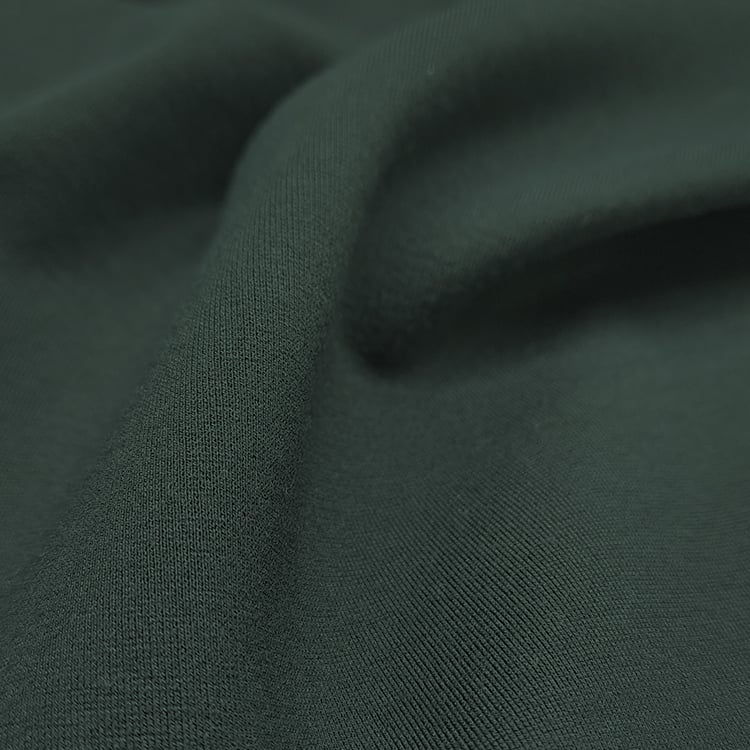
Jersey fabric has become increasingly popular in the textile industry due to its exceptional comfort, stretch, and versatility. Understanding proper care techniques for jersey fabric is essential for maintaining its quality and extending its lifespan. This comprehensive guide explores the best practices for washing, drying, and storing jersey fabric to preserve its unique characteristics and ensure optimal performance across various applications.
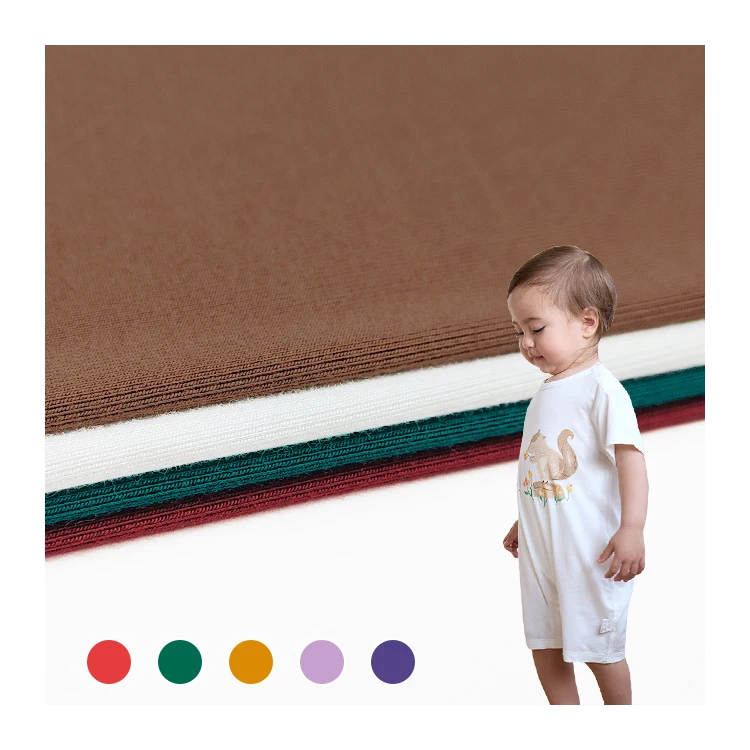
Understanding Jersey Fabric Properties
Composition and Structure
Jersey fabric is characterized by its knitted construction, which creates a distinctive loop structure that provides exceptional elasticity and comfort. The fabric's composition can vary significantly, ranging from cotton and bamboo to synthetic blends and wool variations. Each material type requires specific care considerations to maintain the integrity of the jersey fabric's unique properties. The knitted structure makes jersey fabric more susceptible to stretching and distortion compared to woven fabrics, necessitating careful handling during the cleaning process.
The molecular structure of jersey fabric allows for superior moisture-wicking capabilities and breathability, making it ideal for activewear and everyday garments. However, this same structure can trap odors and stains more readily than other fabric types. Understanding these fundamental characteristics helps determine the most appropriate cleaning methods and storage techniques to preserve the fabric's performance and appearance over time.
Common Types and Applications
Modern jersey fabric encompasses various subcategories, including single jersey, double jersey, and interlock variations. Each type exhibits different stretch properties, weight characteristics, and care requirements. Single jersey fabrics tend to curl at the edges and require gentle handling, while double jersey offers greater stability and dimensional integrity during washing and storage processes.
The application of jersey fabric spans numerous industries, from fashion and sportswear to home textiles and medical applications. Athletic wear manufacturers particularly value jersey fabric for its moisture management properties and comfort features. Home textile applications benefit from the fabric's softness and ease of care, while medical applications appreciate its hypoallergenic properties and durability when properly maintained.
Pre-Washing Preparation Techniques
Sorting and Inspection
Proper preparation begins with thorough sorting of jersey fabric items based on color, weight, and care requirements. Dark-colored jersey fabric should be separated from lighter shades to prevent color bleeding and maintain fabric integrity. Additionally, heavily soiled items require pre-treatment before joining regular washing loads to prevent stain setting and damage to other jersey fabric pieces.
Inspection for stains, tears, or weak seams helps identify areas requiring special attention before washing. Small holes or loose threads should be repaired prior to washing to prevent further damage during the cleaning process. This preventive approach significantly extends the lifespan of jersey fabric garments and maintains their appearance quality over multiple wash cycles.
Stain Treatment Methods
Effective stain removal for jersey fabric requires understanding the stain type and selecting appropriate treatment methods that won't damage the fabric's structure. Protein-based stains respond well to enzyme-based pre-treatments, while oil-based stains require degreasing agents applied gently to avoid stretching the jersey fabric fibers. Cold water should be used for initial stain treatment to prevent setting stains permanently into the fabric.
Gentle dabbing motions work better than rubbing when treating stains on jersey fabric, as aggressive rubbing can distort the knitted structure and create permanent damage. Natural treatment options like white vinegar for odor removal and baking soda for general stain treatment provide effective alternatives to harsh chemicals that might compromise the jersey fabric's elasticity and comfort properties.
Optimal Washing Procedures
Temperature and Cycle Selection
Temperature control represents a critical factor in maintaining jersey fabric quality during washing. Cold water washing, typically between 30-40 degrees Celsius, preserves the fabric's elasticity while providing adequate cleaning power for most soil types. Higher temperatures can cause shrinkage, color fading, and loss of stretch properties that define quality jersey fabric performance.
Gentle or delicate wash cycles minimize mechanical stress on jersey fabric fibers while still providing thorough cleaning action. The reduced agitation prevents stretching and distortion that can occur with regular wash cycles. Short wash cycles also help preserve jersey fabric integrity, as prolonged exposure to water and agitation can weaken the knitted structure over time.
Detergent Selection and Usage
Selecting appropriate detergents for jersey fabric involves choosing formulations that clean effectively without compromising the fabric's stretch and recovery properties. Liquid detergents generally work better than powder formulations, as they dissolve completely and don't leave residue that can affect jersey fabric texture and appearance. Enzyme-based detergents provide excellent cleaning power while being gentle on fabric fibers.
Avoiding fabric softeners helps maintain jersey fabric's moisture-wicking properties and prevents buildup that can reduce breathability. Instead, white vinegar added to the rinse cycle provides natural softening without compromising performance characteristics. Proper detergent measurement prevents over-sudsing, which can trap soil and detergent residue in jersey fabric fibers, leading to premature wear and reduced comfort.
Effective Drying Strategies
Air Drying Techniques
Air drying represents the safest method for preserving jersey fabric quality and extending garment lifespan. Laying jersey fabric items flat on clean towels prevents stretching and maintains proper shape during the drying process. Hanging jersey fabric garments can cause stretching and distortion, particularly in heavier items or those with significant water retention after washing.
Proper air circulation and avoiding direct sunlight help prevent color fading while ensuring complete moisture removal from jersey fabric fibers. Indoor drying in well-ventilated areas provides controlled conditions that protect jersey fabric from weather-related damage while ensuring thorough drying. Rotating items periodically during the drying process ensures even moisture removal and prevents mildew development in thicker jersey fabric sections.
Machine Drying Considerations
When machine drying becomes necessary, low heat settings protect jersey fabric from heat damage while still providing effective moisture removal. High heat can cause shrinkage, reduce elasticity, and create permanent creasing in jersey fabric items. Using dryer balls helps maintain fabric softness and reduces drying time by improving air circulation around jersey fabric garments.
Removing jersey fabric items while slightly damp prevents over-drying that can lead to static buildup and reduced comfort. The residual moisture allows for easier pressing if needed and helps maintain the fabric's natural drape and feel. Monitoring drying progress prevents heat damage and ensures optimal results for different types of jersey fabric compositions.
Professional Storage Methods
Folding and Hanging Guidelines
Proper storage techniques significantly impact jersey fabric longevity and appearance retention. Folding lightweight jersey fabric items prevents stretching that can occur with hanging storage, particularly for garments with significant stretch content. Heavy jersey fabric items may benefit from flat storage or padded hangers that distribute weight evenly and prevent shoulder distortion.
Creating storage systems that minimize handling and movement helps preserve jersey fabric shape and texture over extended periods. Acid-free tissue paper between folds prevents creasing and provides protection against moisture and environmental contaminants. Regular rotation of stored items prevents permanent creasing and ensures even exposure to storage conditions.
Environmental Control
Climate-controlled storage environments protect jersey fabric from moisture fluctuations that can promote mildew growth and fabric degradation. Maintaining relative humidity levels between 45-55% provides optimal conditions for jersey fabric preservation while preventing excessive dryness that can make fibers brittle. Temperature stability prevents expansion and contraction cycles that can stress jersey fabric fibers over time.
Protection from light exposure prevents color fading and UV damage that can weaken jersey fabric fibers. Using breathable storage containers or garment bags allows air circulation while protecting against dust and contaminants. Cedar blocks or other natural pest deterrents protect jersey fabric from insect damage without introducing harsh chemicals that might affect fabric properties.
Troubleshooting Common Issues
Shrinkage Prevention and Recovery
Understanding shrinkage causes helps prevent this common jersey fabric problem through proper care techniques. Heat exposure, agitation, and improper drying methods contribute to shrinkage in jersey fabric items. Pre-shrinking fabric before construction or purchase helps minimize dimensional changes during subsequent care cycles.
Recovery techniques for shrunken jersey fabric include gentle stretching while damp and using steam to relax fibers. Hair conditioner soaks can help restore elasticity to over-processed jersey fabric, though results vary depending on the extent of damage and fabric composition. Professional restoration services may be necessary for valuable jersey fabric items that have experienced significant shrinkage.
Pilling and Wear Management
Pilling occurs when jersey fabric fibers break and tangle on the surface, creating unsightly balls that affect appearance and comfort. Reducing friction during washing and wearing helps minimize pilling in jersey fabric items. Using mesh laundry bags provides additional protection during machine washing while still allowing effective cleaning action.
Regular removal of pills using fabric shavers or lint brushes maintains jersey fabric appearance and prevents further fiber damage. Gentle techniques prevent additional fiber breakage while improving fabric aesthetics. Quality jersey fabric typically shows less pilling tendency, making initial fabric selection important for long-term satisfaction and reduced maintenance requirements.
FAQ
How often should I wash jersey fabric garments
The washing frequency for jersey fabric depends on usage patterns and garment type. Athletic wear made from jersey fabric typically requires washing after each use due to moisture and odor absorption. Casual garments can often be worn 2-3 times before washing, provided they haven't been exposed to heavy soiling or excessive perspiration. Over-washing can reduce jersey fabric lifespan, so assess actual cleaning needs rather than following rigid schedules.
Can I iron jersey fabric safely
Jersey fabric can be ironed using low heat settings and steam to prevent damage to the knitted structure. Always test on an inconspicuous area first, and use a pressing cloth to prevent direct iron contact with the fabric surface. The stretch properties of jersey fabric mean that pressing motions work better than sliding the iron, which can distort the fabric shape. Many jersey fabric items benefit more from steaming than traditional ironing methods.
What causes jersey fabric to lose its stretch
Loss of stretch in jersey fabric typically results from heat damage, over-stretching, or chemical exposure from harsh detergents or bleach. High-temperature washing and drying break down elastic fibers and reduce recovery properties. Fabric softener buildup can also coat fibers and reduce their ability to return to original shape. Using proper care techniques from the beginning helps maintain jersey fabric elasticity throughout its lifespan.
How do I restore faded colors in jersey fabric
Color restoration in jersey fabric requires gentle methods to avoid further damage. Cold water washing with color-safe detergents helps prevent additional fading. Commercial color restoration products designed for knit fabrics can improve appearance, though results depend on the extent of fading and fabric composition. Prevention through proper washing techniques and storage away from direct light remains the most effective approach for maintaining jersey fabric colors.