
 EN
EN



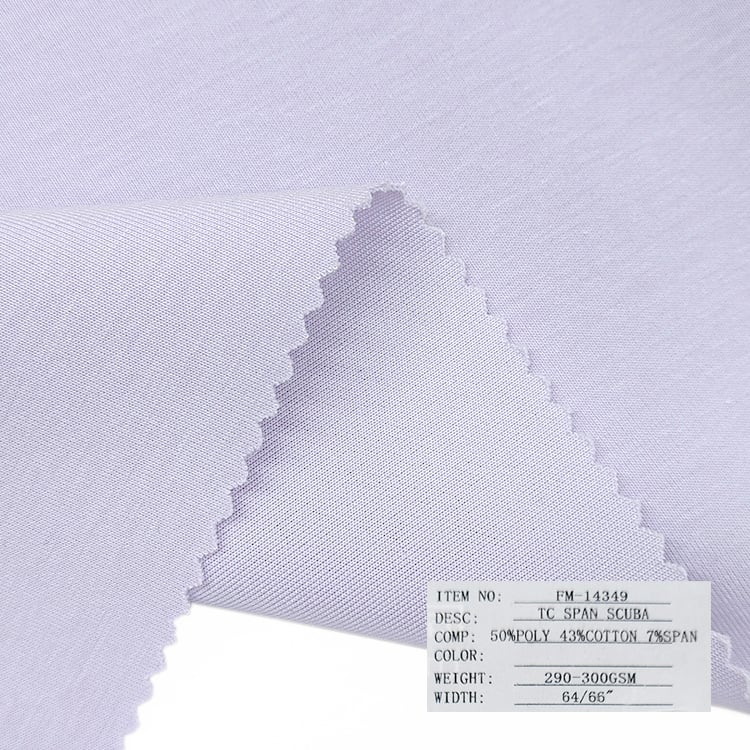
Pique fabric stands as one of the most versatile and durable textile choices in the modern fashion and industrial landscape. This distinctive knit construction features a unique waffle-like texture created through specialized weaving techniques that produce raised geometric patterns on the surface. The characteristic honeycomb appearance of pique fabric makes it instantly recognizable and highly sought after for various applications ranging from polo shirts to upholstery.
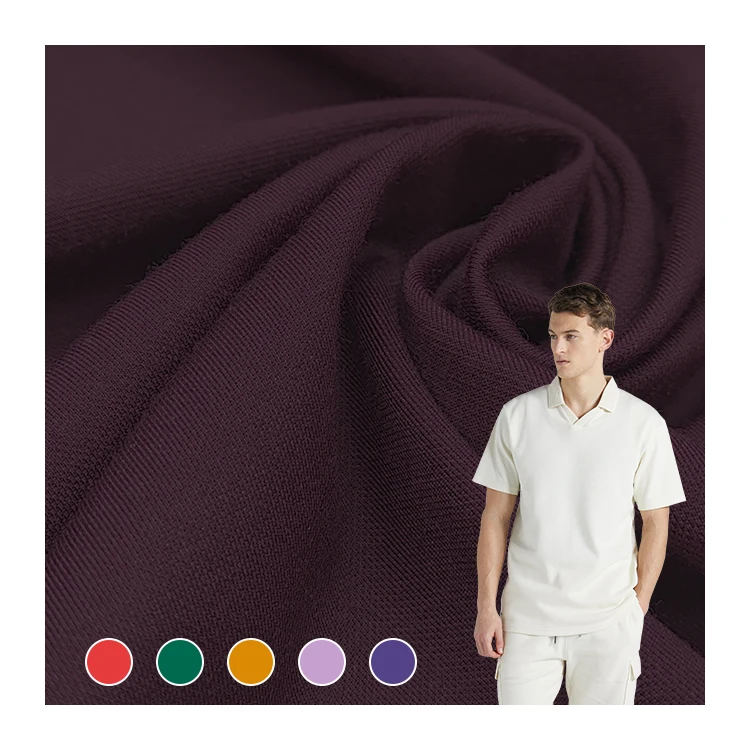
Understanding the fundamentals of pique fabric construction helps manufacturers and designers make informed decisions about material selection. The raised surface texture not only provides visual appeal but also enhances the fabric's functional properties, including improved breathability and moisture management. This comprehensive guide explores the essential characteristics that make pique fabric an excellent choice for contemporary textile applications.
Understanding Pique Fabric Construction
Weaving Techniques and Structural Elements
The construction of pique fabric involves a complex interlacing process that creates the signature raised pattern. Manufacturers employ specialized looms that allow certain warp threads to float over multiple weft threads, forming the distinctive three-dimensional surface texture. This technique requires precise tension control and timing to achieve the uniform honeycomb pattern that characterizes quality pique fabric.
Modern production methods have refined the traditional pique fabric manufacturing process through advanced machinery and computer-controlled systems. The structural integrity depends on the careful balance between the floating threads and the ground weave, ensuring durability while maintaining the fabric's characteristic flexibility and drape.
Material Composition Variations
Contemporary pique fabric incorporates diverse fiber blends to enhance performance characteristics. Cotton remains the traditional base material, offering natural breathability and comfort. However, synthetic blends including polyester, rayon, and nylon create pique fabric variations with improved moisture-wicking properties and dimensional stability.
The selection of fiber content directly impacts the final characteristics of pique fabric. Natural fiber blends provide superior comfort and breathability, while synthetic combinations offer enhanced durability and color retention. Understanding these material variations helps designers select the most appropriate pique fabric for specific end-use requirements.
Types and Classifications of Pique Fabric
Traditional Cotton Pique Variations
Classic cotton pique fabric represents the foundation of this textile category, offering time-tested performance in apparel applications. The natural fiber content provides excellent moisture absorption and temperature regulation, making it ideal for activewear and casual clothing. Traditional pique fabric typically features a medium-weight construction suitable for year-round wear.
Different cotton grades and processing methods produce varying qualities of pique fabric. Combed cotton creates smoother surfaces with enhanced durability, while ring-spun cotton provides superior softness and hand feel. These variations allow manufacturers to target specific market segments with tailored pique fabric offerings.
Synthetic and Blended Pique Options
Modern synthetic pique fabric combines the aesthetic appeal of traditional constructions with enhanced performance features. Polyester blends offer superior wrinkle resistance and color fastness, making them suitable for commercial and institutional applications. These synthetic variations maintain the characteristic texture while providing improved washing durability.
Specialty blends incorporating bamboo, modal, or Tencel fibers create premium pique fabric with enhanced moisture management and antimicrobial properties. These innovative combinations address specific performance requirements while maintaining the classic appearance that defines quality pique fabric construction.
Industrial and Commercial Applications
Apparel Manufacturing Uses
The apparel industry represents the largest market for pique fabric, with polo shirts leading consumption patterns. The fabric's natural breathability and professional appearance make it ideal for corporate uniforms and promotional clothing. Manufacturers appreciate the consistent dyeing characteristics and print receptivity that pique fabric provides across large production runs.
Beyond traditional polo applications, pique fabric finds extensive use in activewear, children's clothing, and home textiles. The dimensional stability and wash durability make it particularly suitable for items requiring frequent laundering. Fashion designers increasingly incorporate pique fabric elements into contemporary designs, leveraging its unique texture for visual interest.
Technical and Specialty Applications
Industrial applications for pique fabric extend beyond traditional apparel into technical textiles and specialty products. The structured surface provides enhanced grip characteristics for work gloves and safety equipment. Medical textiles utilize pique fabric constructions for improved air circulation and patient comfort in hospital garments and bedding.
Automotive and upholstery markets value pique fabric for its durability and distinctive appearance. The raised texture provides natural slip resistance while maintaining aesthetic appeal in vehicle interiors and commercial furniture applications. These specialized uses demonstrate the versatility that makes pique fabric valuable across multiple industries.
Performance Characteristics and Benefits
Moisture Management and Breathability
The three-dimensional structure of pique fabric creates superior air circulation compared to flat-knit alternatives. The raised pattern increases surface area and promotes airflow, enabling efficient moisture evaporation and temperature regulation. This natural ventilation system makes pique fabric particularly comfortable in warm weather conditions.
Advanced fiber treatments and synthetic blends can further enhance the moisture-wicking capabilities of pique fabric. Moisture management becomes critical in athletic and workwear applications where comfort directly impacts performance. The inherent breathability of pique fabric construction provides a foundation for these enhanced performance features.
Durability and Maintenance Properties
The structural design of pique fabric contributes to exceptional wear resistance and shape retention. The interlaced construction distributes stress across multiple thread intersections, preventing localized failures that can occur in simpler weave structures. This enhanced durability makes pique fabric an economical choice for high-use applications.
Maintenance requirements for pique fabric remain minimal due to its inherent wrinkle resistance and dimensional stability. The raised texture naturally disguises minor soil and wrinkles, extending the time between required cleaning cycles. These practical benefits contribute to the long-term value proposition of quality pique fabric selections.
Care Instructions and Maintenance Guidelines
Washing and Drying Procedures
Proper care techniques preserve the appearance and performance characteristics of pique fabric throughout its service life. Cold water washing prevents fiber damage and color fading while maintaining the structural integrity of the raised pattern. Using mild detergents without bleach or fabric softeners helps preserve the natural texture and breathability of pique fabric.
Machine drying on low heat settings prevents excessive shrinkage and maintains the dimensional stability of pique fabric. Air drying provides the gentlest treatment and extends fabric life, particularly for garments with decorative elements or prints. Proper drying techniques prevent the flattening of the characteristic texture that defines quality pique fabric.
Storage and Long-term Preservation
Long-term storage of pique fabric items requires attention to environmental conditions and handling procedures. Clean, dry storage areas prevent mildew and pest damage while maintaining fabric integrity. Folding along natural grain lines prevents permanent creasing that could affect the appearance of pique fabric surfaces.
Regular rotation and inspection of stored pique fabric help identify potential issues before they become permanent problems. Proper storage techniques ensure that the unique characteristics of pique fabric remain intact for years of reliable service across various applications.
Selection Criteria for Optimal Results
Weight and Density Considerations
Selecting appropriate weight categories ensures optimal performance of pique fabric in specific applications. Lightweight constructions work well for summer apparel and children's clothing, while medium weights provide versatility across seasons. Heavy-weight pique fabric serves industrial and upholstery applications requiring enhanced durability.
The relationship between fabric weight and texture definition affects both appearance and performance characteristics. Heavier constructions typically display more pronounced pique patterns while providing increased durability. Understanding these relationships helps specifiers choose the most appropriate pique fabric for their intended applications.
Quality Assessment Standards
Evaluating pique fabric quality requires examination of construction consistency, fiber quality, and finishing standards. Uniform pattern definition across the fabric width indicates proper loom setup and quality control procedures. Color consistency and hand feel provide additional indicators of manufacturing quality and material selection.
Testing procedures for pique fabric should include dimensional stability, colorfastness, and pilling resistance evaluations. These quality metrics ensure that the fabric will maintain its appearance and performance characteristics throughout normal use cycles. Reputable suppliers provide comprehensive testing data to support quality claims for their pique fabric offerings.
FAQ
What makes pique fabric different from regular knit fabrics
Pique fabric features a distinctive three-dimensional surface texture created through specialized weaving techniques, unlike flat knit constructions. The raised honeycomb pattern provides enhanced breathability and visual interest while maintaining the flexibility and comfort of knit fabrics. This unique structure makes pique fabric ideal for applications requiring both aesthetic appeal and functional performance.
How should I care for pique fabric garments to maintain their appearance
Care for pique fabric involves cold water washing with mild detergents and low-heat drying to preserve the raised texture and prevent shrinkage. Avoid fabric softeners that can flatten the characteristic surface pattern, and consider air drying for best results. Proper folding along grain lines during storage helps maintain the structural integrity of pique fabric items.
Can pique fabric be used for industrial applications beyond clothing
Yes, pique fabric serves numerous industrial applications including upholstery, automotive interiors, and technical textiles. The durable construction and slip-resistant surface make it suitable for work gloves and safety equipment. Medical applications utilize pique fabric for improved air circulation in hospital garments and bedding products.
What fiber combinations work best for different pique fabric applications
Cotton provides natural comfort and breathability for traditional pique fabric applications, while synthetic blends offer enhanced durability and moisture management. Specialty fibers like bamboo or modal create premium options with antimicrobial properties. The choice depends on specific performance requirements, with synthetic blends preferred for activewear and cotton blends ideal for casual apparel.