
 EN
EN



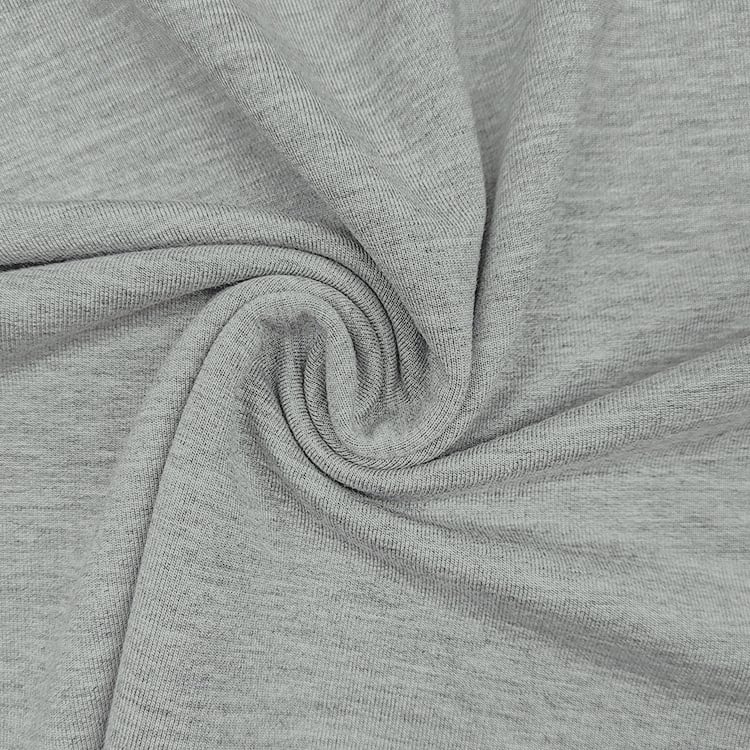
Scuba fabric has revolutionized the textile industry with its exceptional stretch, recovery, and versatile applications across multiple sectors. This innovative knit material combines polyester and elastane fibers to create a medium-weight fabric that offers superior comfort and durability. Understanding the unique properties and applications of scuba fabric is essential for designers, manufacturers, and consumers seeking high-performance textiles for various projects.
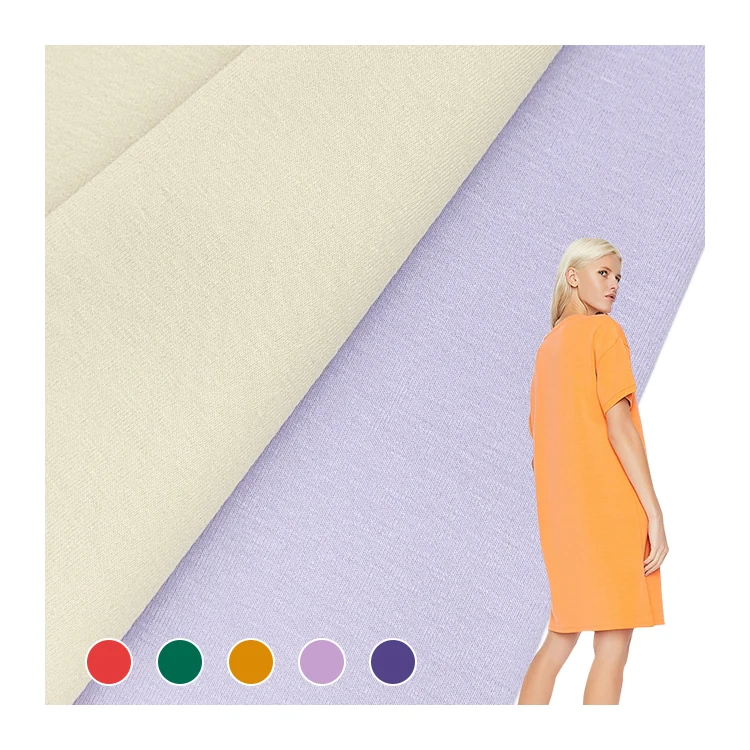
The construction of scuba fabric involves a specialized knitting process that creates a dense, stable structure while maintaining excellent elasticity. This fabric typically features a smooth face and a textured back, providing both aesthetic appeal and functional benefits. The weight of scuba fabric usually ranges from 200 to 400 GSM, making it suitable for structured garments that require body and shape retention.
Understanding Scuba Fabric Composition
Fiber Content and Blend Ratios
Traditional scuba fabric consists primarily of polyester combined with a small percentage of elastane or spandex, typically ranging from 3% to 8%. This blend ratio is crucial for achieving the desired stretch and recovery properties that define quality scuba fabric. The polyester component provides durability, color retention, and wrinkle resistance, while the elastane contributes exceptional stretch and shape memory.
Modern variations of scuba fabric may incorporate cotton fibers to enhance breathability and comfort against the skin. Cotton-polyester-spandex blends create a softer hand feel while maintaining the structural integrity that makes scuba fabric ideal for fitted garments. The inclusion of cotton also improves moisture absorption, making these blends more comfortable for extended wear.
Premium scuba fabric formulations may include specialized fibers such as bamboo or modal for enhanced sustainability and moisture management. These natural fiber additions contribute to improved drape and temperature regulation while preserving the core characteristics that make scuba fabric an excellent choice for performance applications.
Knitting Structure and Weight Categories
The knitting structure of scuba fabric employs a double-knit construction that creates stability and prevents curling at the edges. This construction method results in a fabric with excellent dimensional stability and minimal stretch-out over time. The tight knit structure also contributes to the fabric's ability to hold its shape and provide adequate coverage without being see-through.
Weight categories for scuba fabric range from lightweight options at 200-250 GSM to heavyweight versions exceeding 350 GSM. Medium-weight scuba fabric, typically around 300 GSM, offers the optimal balance of drape, structure, and comfort for most applications. The weight selection depends on the intended end use, with lighter weights suitable for flowing garments and heavier weights preferred for structured pieces.
The surface texture of scuba fabric varies depending on the knitting technique and finishing processes applied. Some versions feature a completely smooth surface, while others may have subtle texture variations that add visual interest. The back side of the fabric often has a slightly different texture, which can be utilized for design contrast in certain applications.
Performance Characteristics of Scuba Fabric
Stretch and Recovery Properties
The stretch characteristics of scuba fabric are one of its most valuable features, typically offering 40% to 60% stretch in both directions with excellent recovery. This bi-directional stretch makes scuba fabric ideal for close-fitting garments that require freedom of movement. The recovery properties ensure that garments maintain their original shape even after repeated stretching and wearing.
Testing standards for scuba fabric stretch typically measure both immediate stretch and recovery after extended periods under tension. High-quality scuba fabric should return to within 5% of its original dimensions after being stretched to 50% extension and held for one hour. This superior recovery performance distinguishes premium scuba fabric from lower-quality alternatives.
The stretch memory of scuba fabric makes it particularly suitable for activewear and fitted garments where shape retention is crucial. Unlike some stretch fabrics that lose their elasticity over time, well-constructed scuba fabric maintains consistent stretch and recovery properties through numerous wash and wear cycles.
Durability and Care Requirements
Scuba fabric demonstrates excellent durability characteristics, including resistance to pilling, snagging, and color fading. The synthetic fiber content provides inherent resistance to most chemicals and biological degradation, making scuba fabric suitable for applications where longevity is important. The fabric's structure also resists runs and tears better than many knit fabrics.
Care requirements for scuba fabric are relatively simple, with most varieties being machine washable in cool water. The fabric's quick-drying properties and wrinkle resistance make it convenient for both commercial and domestic care. However, high heat should be avoided during washing and drying to prevent damage to the elastane fibers.
Professional cleaning may be recommended for high-value garments made from scuba fabric, particularly those with special finishes or embellishments. The fabric's stability makes it suitable for various finishing techniques, including heat pressing and steam shaping, when proper temperature controls are maintained.
Fashion Applications of Scuba Fabric
Apparel Categories and Design Benefits
Scuba fabric has become increasingly popular in women's fashion, particularly for dresses, skirts, and structured tops. The fabric's ability to create clean lines and maintain shape makes it ideal for contemporary designs that require both comfort and professional appearance. Fashion designers appreciate how scuba fabric can be used to create architectural silhouettes without the need for extensive internal structure.
The versatility of scuba fabric extends to both casual and formal wear applications. In casual wear, the comfort and stretch properties make it suitable for everyday garments that require easy movement. For formal applications, the structured nature of scuba fabric provides the support needed for elegant evening wear and professional attire.
Activewear represents another significant application area for scuba fabric, where its moisture-wicking properties and stretch characteristics provide excellent performance. The fabric's ability to maintain shape during physical activity while providing compression and support makes it valuable for fitness apparel and athleisure wear.
Design Techniques and Construction Methods
Working with scuba fabric requires specific techniques to achieve optimal results in garment construction. The fabric's stability allows for various seaming methods, including flat-fell seams, overlocked edges, and bound seams. The choice of construction method depends on the desired aesthetic and functional requirements of the finished garment.
Pattern-making considerations for scuba fabric include accounting for the stretch properties and the fabric's tendency to maintain its shape. Designers often reduce ease allowances when working with scuba fabric compared to woven materials, taking advantage of the fabric's stretch to achieve a closer fit without compromising comfort.
Specialized finishing techniques can enhance the appearance and performance of scuba fabric garments. These may include edge binding, decorative topstitching, and strategic placement of design elements to take advantage of the fabric's structural properties. The fabric's ability to hold crisp edges makes it suitable for geometric designs and architectural details.
Industrial and Technical Applications
Automotive and Transportation Uses
The automotive industry utilizes scuba fabric for various interior applications where durability, stretch, and appearance are important factors. Seat covers, headrests, and door panel inserts made from scuba fabric provide long-lasting performance while maintaining a professional appearance. The fabric's resistance to wear and easy cleaning properties make it suitable for high-traffic vehicle interiors.
Marine applications represent another area where scuba fabric demonstrates its versatility and performance characteristics. Boat seat cushions, covers, and interior panels benefit from the fabric's water resistance and quick-drying properties. The material's ability to maintain its appearance and structural integrity in challenging marine environments makes it valuable for both recreational and commercial vessels.
Aviation interior applications also utilize scuba fabric for its lightweight properties and flame-resistant characteristics when properly treated. The fabric's ability to maintain its appearance under varying atmospheric conditions and repeated use makes it suitable for aircraft seating and interior panels where weight reduction and durability are priorities.
Medical and Healthcare Applications
Healthcare applications of scuba fabric include compression garments, support wear, and therapeutic textiles where controlled stretch and pressure are required. The fabric's hypoallergenic properties and ease of sterilization make it suitable for medical applications where patient comfort and hygiene are paramount concerns.
Rehabilitation and physical therapy applications utilize scuba fabric for support braces, exercise equipment covers, and therapeutic garments. The controlled stretch properties allow for graduated compression that can assist in recovery and rehabilitation processes. The fabric's durability ensures that therapeutic garments maintain their effectiveness through extended use.
Professional healthcare uniforms increasingly incorporate scuba fabric for its comfort, professional appearance, and easy care properties. The fabric's ability to maintain its shape and appearance through frequent washing and sterilization procedures makes it valuable for healthcare environments where both performance and hygiene are essential.
Manufacturing and Quality Considerations
Production Standards and Quality Control
Manufacturing high-quality scuba fabric requires precise control of knitting parameters, including tension, stitch density, and yarn feed rates. Quality control measures must monitor fabric weight, stretch properties, and dimensional stability to ensure consistency across production runs. Testing protocols typically include measurements of stretch percentage, recovery time, and durability under simulated use conditions.
Dyeing and finishing processes for scuba fabric require specialized techniques to ensure color fastness and maintain the fabric's stretch properties. The synthetic fiber content allows for excellent color uptake and retention, but processing temperatures must be carefully controlled to prevent damage to elastane fibers. Quality assurance includes testing for color bleeding, fading resistance, and chemical compatibility.
Supply chain considerations for scuba fabric manufacturing include sourcing of quality raw materials and maintaining consistent production standards across different facilities. Certification programs and industry standards help ensure that scuba fabric meets performance requirements for specific applications, particularly in technical and medical uses where reliability is critical.
Sustainability and Environmental Impact
Environmental considerations in scuba fabric production include the development of more sustainable fiber alternatives and improved recycling processes. Some manufacturers are incorporating recycled polyester content to reduce environmental impact while maintaining performance characteristics. The durability of scuba fabric contributes to sustainability by extending product life cycles and reducing replacement frequency.
Waste reduction initiatives in scuba fabric manufacturing focus on optimizing cutting layouts, improving production efficiency, and developing closed-loop recycling systems. The synthetic nature of the fabric allows for mechanical recycling processes that can reclaim fibers for use in new fabric production, contributing to circular economy principles.
Energy efficiency in production processes and transportation optimization help reduce the overall carbon footprint of scuba fabric manufacturing. Industry initiatives include the development of lower-energy dyeing processes and the use of renewable energy sources in production facilities to minimize environmental impact.
Future Trends and Innovations
Technology Integration and Smart Fabrics
Emerging technologies are being integrated into scuba fabric to create smart textiles with enhanced functionality. These innovations include moisture sensors, temperature regulation systems, and even basic electronic integration for wearable technology applications. The structural stability of scuba fabric makes it an excellent base material for these advanced applications.
Antimicrobial treatments and other functional finishes are being developed specifically for scuba fabric applications. These treatments enhance the fabric's performance in medical, athletic, and professional applications where hygiene and odor control are important considerations. Advanced finishing techniques maintain the fabric's stretch and recovery properties while adding new functional capabilities.
Nanotechnology applications in scuba fabric include water-repellent treatments, UV protection, and enhanced durability coatings. These microscopic treatments can be applied without significantly altering the fabric's hand feel or stretch characteristics, providing additional performance benefits for specialized applications.
Market Development and Applications
Market expansion for scuba fabric continues in both traditional and emerging application areas. Growing demand from the athleisure market drives innovation in comfort, appearance, and performance characteristics. New application areas include home furnishings, where the fabric's durability and easy care properties provide advantages over traditional upholstery materials.
International market trends show increasing demand for sustainable and high-performance textile solutions, positioning scuba fabric well for continued growth. Regional variations in preferences and applications drive product development toward more specialized formulations that meet specific market needs while maintaining core performance characteristics.
Future development directions for scuba fabric include improved sustainability, enhanced performance characteristics, and expanded application possibilities. Research into bio-based elastane alternatives and recycled content integration will likely shape the next generation of scuba fabric products, maintaining performance while addressing environmental concerns.
FAQ
What makes scuba fabric different from other stretch knits
Scuba fabric distinguishes itself through its unique double-knit construction and specific blend of polyester and elastane fibers. Unlike single-knit stretch fabrics, scuba fabric offers superior dimensional stability, excellent recovery properties, and a structured feel that maintains shape without becoming baggy. The medium weight and tight knit structure provide opacity and coverage that lighter stretch knits cannot match, making it suitable for structured garments and professional applications.
How should scuba fabric be cared for to maintain its properties
Proper care of scuba fabric involves washing in cool water with mild detergent and avoiding high heat during drying. The fabric should be air-dried or tumble-dried on low heat to prevent damage to the elastane fibers. Ironing should be done at low temperatures, and fabric softeners should be avoided as they can reduce the stretch and recovery properties. For best results, turn garments inside out during washing to protect the surface finish.
Can scuba fabric be used for professional and formal applications
Yes, scuba fabric is excellent for professional and formal wear due to its structured appearance and wrinkle resistance. The fabric's ability to maintain crisp lines and sharp silhouettes makes it suitable for business attire, formal dresses, and structured blazers. Its comfort and stretch properties provide ease of movement during long wear periods, while the professional appearance meets workplace dress code requirements. Many luxury fashion brands use scuba fabric for high-end formal wear.
What weight of scuba fabric is best for different applications
The optimal weight of scuba fabric depends on the intended application. Lightweight scuba fabric (200-250 GSM) works well for flowing garments, tops, and applications requiring more drape. Medium-weight versions (280-320 GSM) are ideal for dresses, skirts, and general apparel where structure and comfort are balanced. Heavy-weight scuba fabric (350+ GSM) provides maximum structure for blazers, structured dresses, and applications requiring significant body and shape retention. The 300 GSM weight range offers the most versatility for diverse applications.